Category: Ingleburn

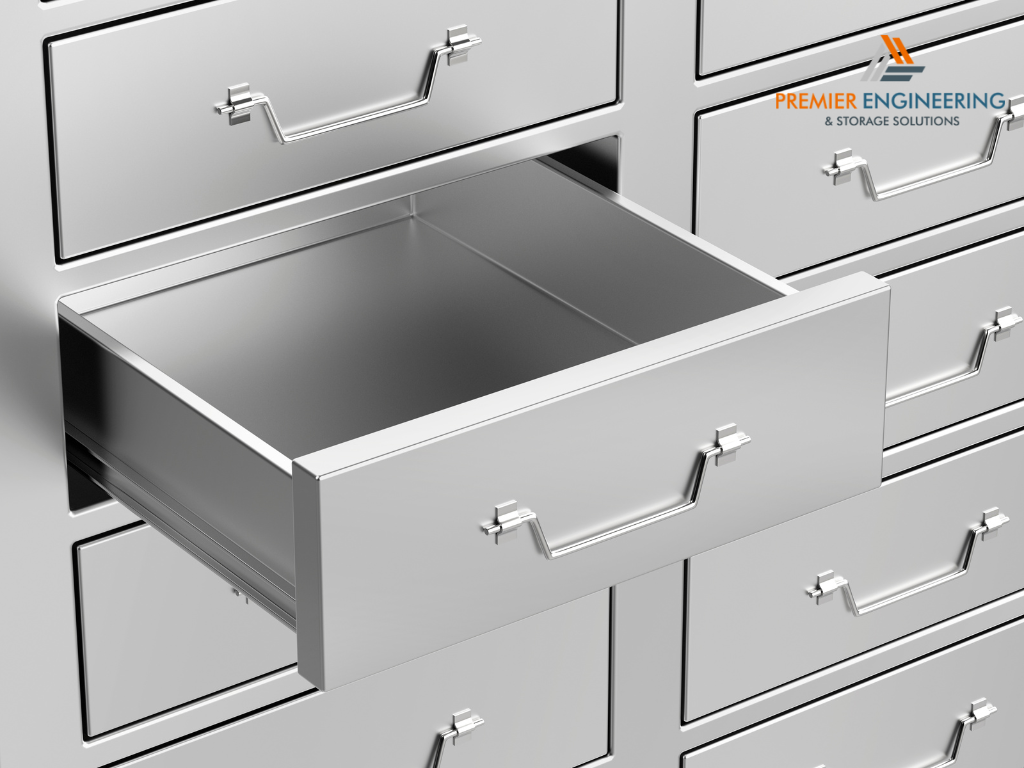
  • Securing Your Valuables: A Guide to Metal Storage Cabinet Safety Features

    Securing Your Valuables: A Guide to Metal Storage Cabinet Safety Features

    Introduction

    In today’s world, securing your valuables, whether it’s crucial documents, electronics, or personal heirlooms, is more important than ever. For businesses and homeowners alike, finding reliable ways to protect these items is a top priority.

    Metal storage cabinets offer robust solutions to safety and security concerns, combining sturdy materials with advanced lock systems to safeguard contents against a range of threats. This guide will explore the key features that make metal storage cabinets a stronghold for your valuables.

    Fire and Water Resistance in Metal Storage Cabinets

    Different types of Metal Storage solutions

    Protection against environmental damage is a critical feature of high-quality metal storage cabinets.

    • Understanding the Ratings: Fire and water-resistant metal cabinets are rated by the time they can withstand exposure to extreme temperatures and water. These ratings, given after rigorous testing, help you determine how well the cabinet will protect its contents in emergency situations.
    • Choosing the Right Cabinet: Select a cabinet with a rating appropriate for the items you’re securing. For instance, paper documents require a cabinet that can maintain an internal temperature below 350°F, which is the point at which paper will char.

    Enhancing Security Against Theft with Metal Cabinets

    The right metal storage cabinet can act as a deterrent to theft, offering features that go beyond a simple lock and key.

    • Construction and Material Strength: The gauge of the metal indicates the strength of the cabinet. A lower gauge number means thicker metal, which is more resistant to break-ins and tampering.
    • Locking Mechanisms: Modern metal cabinets come equipped with a variety of lock types:
      • Traditional Locks: Keyed locks are common but can be vulnerable if the keys are not managed properly.
      • Electronic Locks: They provide keyless entry using a code, which can be changed as needed for added security.
      • Biometric Systems: The most advanced option, these use unique biological data, like fingerprints, for access, ensuring that only authorized individuals can open the cabinet.
    • Additional Security Measures: For an extra layer of security, some cabinets can be fitted with alarm systems that trigger in case of unauthorized access. Integration with CCTV cameras can also provide real-time surveillance of your storage cabinet.

    Maximizing the Safety of Metal Storage Cabinets

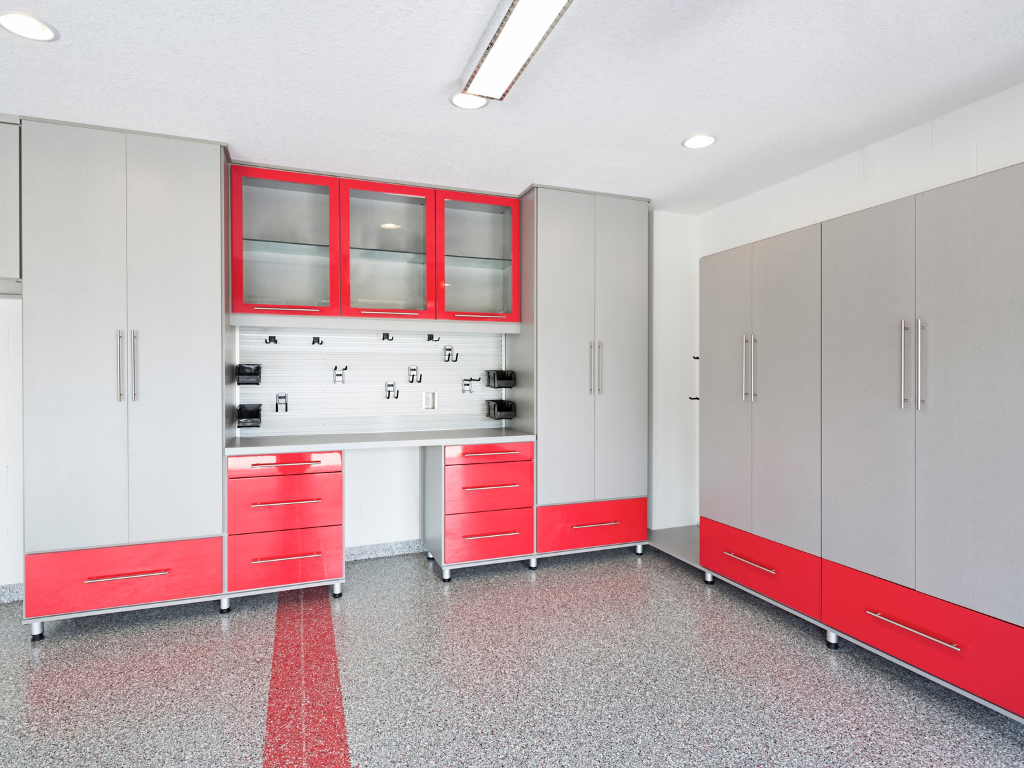
    Storage Cabinets for home use

    While metal storage cabinets are inherently secure, there are additional steps you can take to maximize their safety features.

    • Proper Installation and Anchoring: To prevent tipping or unauthorized removal of the entire cabinet, secure it to the wall or floor. This is particularly important for taller cabinets or those in areas accessible to the public.
    • Regular Maintenance Checks: Establish a maintenance routine to inspect the condition and functionality of the cabinet’s lock systems, hinges, and any electronic components. Regular checks ensure that the security features remain operative and effective.
    • User Education: If the cabinet is in a shared space, educate all users on best practices for keeping it secure. This includes proper handling of keys or access codes, the importance of re-securing the cabinet after use, and reporting any damage or malfunctions promptly.

    Metal Storage Cabinets and Insurance Premiums

    The security of your storage solutions can have a tangible impact on insurance policies and premiums. Insurers often consider the level of security when assessing risk and determining cost.

    • Impact on Insurance: Using metal storage cabinets that are fire and theft-resistant can lower the risk profile of your stored items, potentially leading to lower insurance premiums. It’s a prudent investment that can pay dividends in the form of reduced insurance costs over time.
    • Documentation and Verification: Keep a record of the specifications and security ratings of your metal storage cabinets. In the event of an incident, this information will be essential for insurance claims. It’s also wise to document the items being stored, through photographs or videos, as additional proof for insurers.
    • Compliance with Insurance Requirements: Always check with your insurance provider to ensure that your metal storage cabinet meets the necessary standards to qualify for any available premium discounts. Some insurers may require cabinets to have specific certifications or fire ratings to be considered a valid protective measure.

    Conclusion and Next Steps

    Metal storage cabinets are a stalwart defense against a variety of threats, from environmental damage to theft. By choosing the right cabinet with appropriate fire and water resistance, and enhancing security with advanced locking mechanisms, you can safeguard your most valuable items effectively. Additionally, these measures can provide financial benefits in the form of reduced insurance premiums.

    Now is the time to assess your current storage solutions and consider upgrading to a metal storage cabinet that offers enhanced protection. Consult with storage solution experts or security professionals to find the cabinet that best fits your needs and offers the greatest peace of mind.
  • The Durability of Metal Storage Cabinets: What to Expect

    The Durability of Metal Storage Cabinets: What to Expect

    Introduction

    Storage solutions play an integral role in organizing spaces, whether at home, the office, or in industrial settings. Among the myriad of options available in the market, metal storage cabinets stand out due to their robustness and longevity.

    The key to their resilience lies not just in their metallic nature but also in the specific materials from which they are crafted. In this article, we delve deep into the common materials used in the manufacture of these cabinets and discuss why they’re such a sought-after choice.

    Common Materials Used in Metal Storage Cabinets

    Steel

    Characteristics and Benefits of Steel Cabinets:

    • Strength: Steel is renowned for its strength and durability. This means that steel cabinets can bear considerable weight, making them ideal for storing heavy items.
    • Malleability: Despite its strength, steel is malleable, which allows for intricate designs and customizations tailored to specific storage needs.
    • Cost-Efficiency: Steel cabinets offer a balance between quality and cost. They are relatively more affordable than some other materials while providing commendable durability.

    Common Uses and Environments for Steel Cabinets:

    • Offices: Filing cabinets, personal storage lockers, and stationary cabinets are often made of steel, providing security for documents and personal belongings.
    • Industrial Settings: In factories and workshops, steel cabinets house tools, equipment, and other heavy machinery components.
    • Garages and Workshops: The robustness of steel makes it apt for storing tools and equipment in garages and home workshops.

    Stainless Steel

    Why Stainless Steel is a Preferred Choice in Specific Settings:

    • Corrosion Resistance: Unlike regular steel, stainless steel has a chromium layer that prevents rusting, making it perfect for environments where there’s a lot of moisture or exposure to chemicals.
    • Hygienic Properties: Its non-porous surface makes it resistant to bacteria and easy to clean, which is why stainless steel cabinets are common in hospitals, labs, and kitchens.

    Comparing Standard Steel vs. Stainless Steel:

    • Cost: Stainless steel tends to be more expensive than standard steel due to the added benefits it offers in terms of corrosion resistance and hygiene.
    • Maintenance: While both types require cleaning, stainless steel might need less frequent rigorous maintenance because of its resistance to rust and staining.
    • Appearance: Stainless steel has a sleek, shiny finish which may be preferred for aesthetic reasons in certain settings like modern kitchens or upscale offices.

    Aluminum

    Lightweight Nature and Its Advantages:

    • Mobility: Aluminum cabinets are easier to move because of their lightweight nature, making them apt for spaces that require rearranging or redecoration.
    • Cooling Properties: Aluminum naturally dissipates heat faster, making it suitable for storing items that benefit from staying cool.

    Instances Where Aluminum Might be the Chosen Material:

    • Outdoor Settings: Aluminum’s rust-resistant properties make it ideal for outdoor storage solutions.
    • Modern Home and Office Interiors: The sleek and modern appearance of aluminum cabinets complement contemporary design aesthetics.

    In understanding the materials that make up metal storage cabinets, one can appreciate their inherent durability and versatility. Whether opting for the heft of steel, the hygiene of stainless steel, or the lightness of aluminum, there’s a metal cabinet tailored to meet specific needs and environments.


    Rust and Corrosion Resistance

    Rust and corrosion are two primary concerns when it comes to metal items, particularly those placed in environments exposed to moisture, humidity, or chemicals. The ability of a metal storage cabinet to resist these deteriorating processes significantly determines its longevity.

    Protective Coatings

    Many metal storage cabinets undergo treatments to enhance their resistance to environmental factors:

    • Powder Coating: This is a popular treatment for steel cabinets. It’s a type of coating that’s applied as a free-flowing, dry powder and then cured under heat. This forms a skin that is harder and more durable than conventional paint, providing enhanced protection against rust.
    • Galvanization: This process involves coating steel or iron with a layer of zinc. The zinc acts as a barrier against rust, ensuring the cabinet remains rust-free for a longer duration.
    • Anodizing for Aluminum: Anodized aluminum has an increased resistance to corrosion. The process makes the surface harder, more durable, and less likely to scratch.

    Maintenance Practices

    Routine care can further extend the life of a metal storage cabinet:

    • Regular Cleaning: Wiping down cabinets with a dry cloth removes dust and other contaminants that might hold moisture against the metal surface.
    • Inspection: Periodically checking for scratches or exposed areas ensures early detection and rectification.
    • Environment Control: If possible, controlling the humidity and moisture levels in the environment can prevent rust formation.

    Weight Capacity and Structural Integrity

    Metal Storage Solutions

    The value of a metal storage cabinet is not only in its ability to resist wear but also in its capacity to safely hold items without buckling or deforming.

    Gauge of Metal

    The thickness or gauge of the metal used in the cabinet largely determines its weight-bearing capacity. Thicker gauges tend to be sturdier.

    Metal Type Common Gauges Best For
    Steel 16-24 gauge Heavy tools, machinery parts
    Aluminum 14-20 gauge Lighter tools, personal items

    Reinforcements and Supports

    Many metal cabinets come with additional supports, like:

    • Shelving Reinforcements: These prevent shelves from sagging under weight.
    • Corner Braces: They ensure the structural integrity of the cabinet is maintained even when moved or under duress.

    Load Limit Recommendations

    It’s essential to be aware of the manufacturer’s load limit recommendations:

    • Even Distribution: Weight should be evenly distributed to prevent undue stress on any one part of the cabinet.
    • Overloading Risks: Exceeding the recommended weight limits can compromise the cabinet’s integrity and safety.


    The durability of metal storage cabinets is a result of meticulous design, quality materials, and proper maintenance. Whether it’s for personal use or professional needs, understanding the factors that contribute to their long-lasting nature helps users make informed decisions and ensure their metal cabinets stand the test of time.

  • Security Features in Metal Storage Cabinets

    Security Features in Metal Storage Cabinets

    In today’s modern world, ensuring the safety of our belongings is of utmost importance, particularly in environments that necessitate the storage of sensitive or valuable items. One of the preferred choices for this purpose is the metal storage cabinets. Not only do these cabinets offer durability and resilience, but they also come packed with features that prioritize security.

    Advanced Locking Mechanisms for Safeguarding Contents

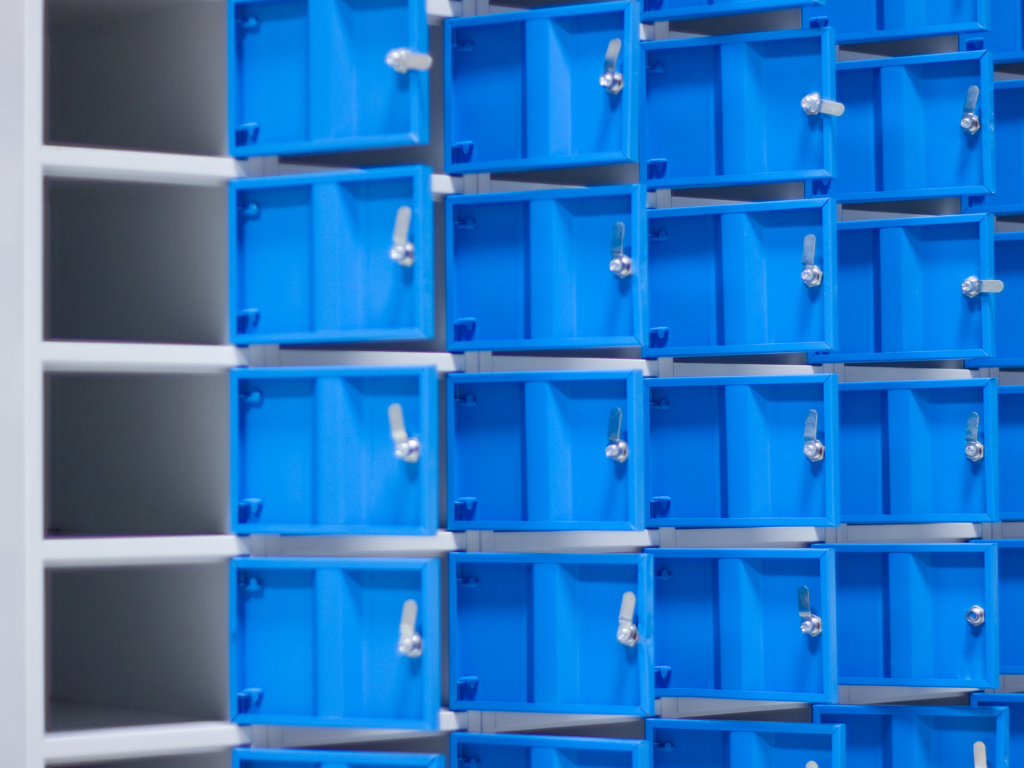
    The evolution of the metal storage cabinet has seen advancements not just in design but also in functionality. Modern metal cabinets often incorporate state-of-the-art locking mechanisms. Unlike traditional cabinets which might simply have a basic lock and key system, these contemporary versions may include:

    Digital Keypad Locks: Requiring a code to gain access, these locks provide an additional layer of security. Users can often change the code as needed, ensuring limited access.

    Biometric Access: Some high-end metal storage cabinets might even include fingerprint recognition. This ensures that only authorized personnel can access the contents.

    Keycard Systems: Similar to those used in modern offices or hotel rooms, these systems require a specific card to unlock the cabinet.

    Such advanced systems not only ensure that the contents remain safe from unauthorized access but also provide owners with peace of mind.

    Fireproof and Tamper-Proof Designs for Added Safety

    Apart from theft, other external factors can jeopardize the integrity of items stored. That’s where the design and material of the cabinet play a crucial role.

    Fireproofing: Many metal storage cabinets, especially those used in industrial settings, come with a fireproof design. This means that in the event of a fire, the contents inside the cabinet have a higher chance of remaining unscathed.

    Tamper-Proof Features: The robustness of stainless steel splashback in some cabinets ensures that any attempt to tamper with or forcefully open the cabinet becomes a challenging task. The resilience of materials such as stainless steel splashback cut to size precisely for these cabinets provides an added layer of security.

    Industrial Shelving Units: When considering industrial shelving units, metal cabinets stand out for their ability to withstand heavy weights, ensuring they don’t buckle under pressure. These shelving units are designed to hold heavy tools, equipment, and materials safely.

    It’s evident that when it comes to choosing storage cabinets, especially in environments that require stringent safety measures, metal storage cabinets are a top choice. Their combination of advanced locking systems with fireproof and tamper-proof designs ensures that they’re not just storage units but security vaults for your valuables.

    Security Features in Metal Storage Cabinets

    Storing items, whether in a residential, commercial, or industrial setting, requires solutions that not only organize but also protect. Metal storage cabinets offer durability and are increasingly incorporating advanced security features. From safeguarding important documents to storing tools or chemicals, these cabinets are becoming indispensable in various sectors.

    Metal Storage Cabinet & Its Growing Importance The integrity of metal, especially steel, makes it a sought-after material for storage cabinets. Their rugged construction, combined with cutting-edge locking mechanisms, has made them a staple in places where security is paramount. Furthermore, their ability to resist fire and tampering adds layers of safety, ensuring contents remain undisturbed and intact.

    Incorporating a stainless steel splashback or having stainless steel splashback cut to size can further enhance the durability and aesthetic appeal of these cabinets. They are not only functional but also blend seamlessly into modern interior designs. Coupled with industrial shelving units or other shelving units, these cabinets can transform any storage area into a secure and organized space.

    What Are the 3 Types of Materials Used in Constructing Cabinets?

    When it comes to cabinets, the choice of material greatly influences its durability, functionality, and aesthetics. Here’s a look at three primary materials:

    Wood: A classic choice known for its aesthetic appeal and versatility. Whether hardwood or softwood, wood cabinets exude a natural charm.

    Plywood: A composite material, plywood offers strength and stability. It’s an excellent choice for those who want the look of wood without the high price tag.

    Metal (especially Steel): Chosen for its strength and durability, metal cabinets, especially those of steel, are ideal for commercial and industrial settings.

    What Material Is Used for Steel Cabinets?

    Steel cabinets are typically constructed from sheets of cold-rolled steel. This type of steel is rolled at room temperature, resulting in a material that’s both harder and stronger. Post-shaping, they are often given a protective powder finish to enhance appearance and resist rust.

    What Is the Best Material to Make a Cabinet?

    The ideal material for a cabinet varies based on its intended use and location. While wood or plywood might be the material of choice for residential settings due to its aesthetic appeal, metal storage cabinets are more suited for areas that require robustness, such as garages or industrial sites.

    To wrap it up, if you’re on the lookout for storage solutions that prioritize security, metal storage cabinets, especially those paired with advanced locking mechanisms, might be just what you need. Their ability to provide both functionality and peace of mind makes them a valuable addition to any space.