Category: Laser Cutting

  • Laser Cutting Western Sydney: Common Project Mistakes

    Laser Cutting Western Sydney: Common Project Mistakes

    Planning a project involving laser cutting Western Sydney requires more than choosing a design and sending it to a fabrication workshop. From sheet metal components and industrial equipment to custom panels and signage, successful results depend on accurate measurements, suitable materials and clear production instructions.

    Laser cutting is widely used because it can produce detailed shapes with consistent cutting paths. However, mistakes made before manufacturing begins can lead to unsuitable components, unexpected expenses, material waste and delays.

    Whether you are preparing a single prototype or ordering multiple fabricated parts, understanding common project mistakes can help you communicate your requirements and make informed decisions.

    This guide explains seven important areas to consider before ordering laser cutting services in Western Sydney.

    Choosing the Wrong Material for Laser Cutting

    Common Material Selection Mistakes in Laser Cutting Western Sydney

    One of the first decisions in a fabrication project is choosing the appropriate material. Different materials respond differently to laser processing, and not every machine can cut every type of material.

    Mild steel, stainless steel and aluminium are commonly used in metal fabrication. Each has different properties that influence cutting requirements, edge quality and the finished component’s intended application.

    For example, a component intended for outdoor use may need corrosion protection, while a decorative panel may require a particular surface finish.

    Customers sometimes select materials based only on appearance or cost without considering strength, corrosion resistance or fabrication requirements.

    Before contacting a provider for laser cutting Western Sydney, identify where the finished component will be used and what conditions it needs to withstand.

    Discuss your material preferences with the fabricator to determine whether they suit the equipment and intended application.

    How Material Type and Thickness Affect Cutting Results

    Material thickness can significantly influence cutting feasibility, processing time and edge finish.

    Thicker sheets may require different machine settings, additional processing time or a particular cutting technique.

    For metal laser cutting Sydney projects, customers should provide the material grade and thickness rather than requesting a quotation based only on overall dimensions.

    For instance, cutting a thin decorative panel involves different requirements from manufacturing a thicker steel bracket.

    Material specifications can also affect whether components require additional bending, welding or finishing.

    Confirming these details early helps the supplier assess production requirements and avoid unnecessary changes after the project has been quoted.

    Submitting Incorrect or Incomplete Design Files

    Why Accurate CAD Files Matter for Laser Cutting Projects

    A cutting machine depends on accurate digital information to produce the required shapes.

    Computer-aided design files define the cutting paths, dimensions and features of a component.

    Common problems include duplicate lines, incorrect drawing scales, unfinished contours and missing measurements.

    These issues may not be immediately noticeable when viewing a drawing but can affect how the fabrication software interprets the design.

    For laser cutting Western Sydney projects, submitting a clean and accurate drawing helps reduce the risk of production errors.

    A drawing should clearly identify the finished component rather than include unnecessary construction lines or unrelated design elements.

    If you are unsure whether your file is suitable, ask the supplier about its drawing requirements before placing an order.

    Preparing Design Files for CNC Cutting Services

    Different fabrication providers may accept different file formats.

    DXF and DWG are commonly used for two-dimensional cutting drawings, although accepted formats should always be confirmed with the workshop.

    When preparing files for cnc cutting services, ensure the drawing uses the correct measurement units, normally millimetres for Australian fabrication projects.

    The design should also represent the intended finished size.

    If several parts are required, clearly identify each component and the quantity needed.

    For projects involving subsequent bending or assembly, provide supporting drawings showing how the finished parts should fit together.

    Customers using cnc cutting services western sydney can often reduce unnecessary clarification by supplying complete files and explaining any special manufacturing requirements.

    Clear documentation helps the fabricator understand the intended result before production begins.

    Overlooking Measurements, Tolerances and Design Details
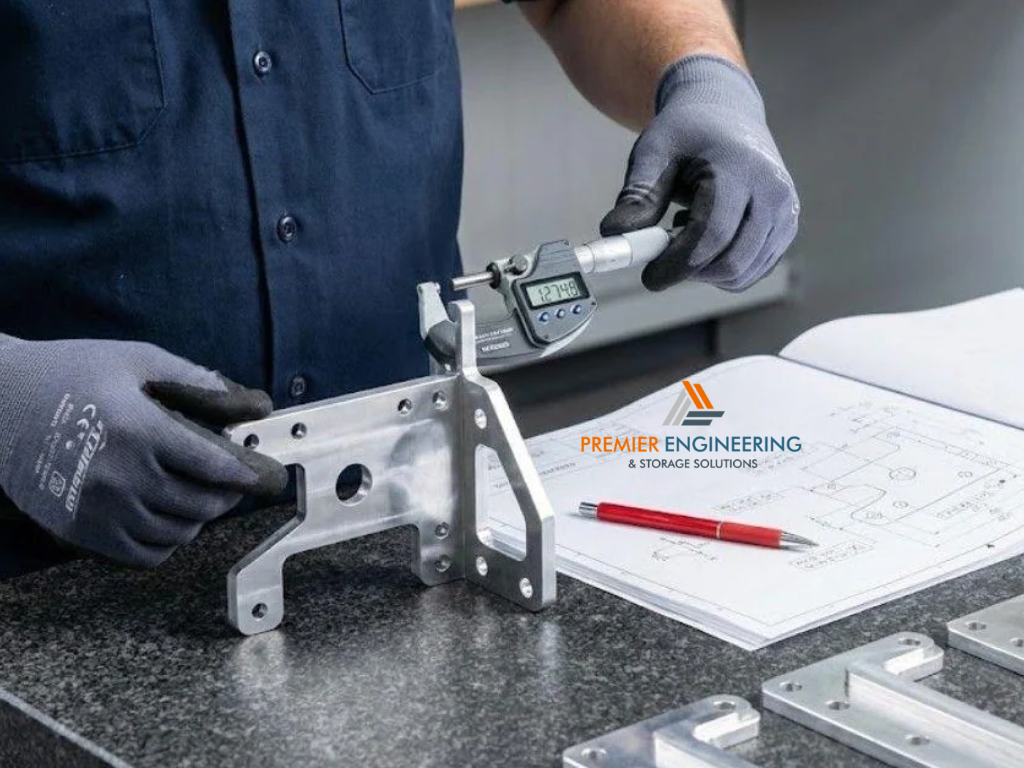
    Fabrication technician checking the dimensions of a finished laser cut steel bracket using a digital caliper and engineering drawing.
    Inspecting finished laser cut components against approved technical drawings helps identify dimensional issues and confirm manufacturing requirements.

    Understanding Cutting Accuracy and Design Tolerances

    Laser cutting can produce precise components, but achievable tolerances depend on the material, thickness, equipment and cutting process.

    A common mistake is assuming that every dimension can be manufactured to the same accuracy.

    For example, a decorative metal panel may have different dimensional requirements from a bracket that must fit into an existing mechanical assembly.

    When ordering laser cutting Western Sydney, identify which measurements are critical to the component’s function.

    These may include mounting hole locations, external dimensions or areas where parts connect.

    Tolerances describe the acceptable variation from a specified measurement.

    Rather than requesting unnecessarily tight tolerances for every feature, explain which dimensions affect the final fit or operation.

    This allows the supplier to evaluate whether the requirements are achievable and whether additional machining may be necessary.

    Avoiding Problems With Small Holes and Complex Shapes

    Intricate patterns, narrow slots and closely positioned holes can create manufacturing challenges.

    As material thickness increases, certain small details may become more difficult to cut accurately.

    The laser also removes a narrow amount of material along its cutting path, known as the kerf.

    This must be considered when designing parts that need to fit together.

    For example, two interlocking components may require allowances to achieve their intended fit after cutting.

    Customers arranging laser cutting should confirm minimum feature sizes and spacing requirements before finalising complicated designs.

    Where possible, discuss the design with the fabricator to identify features that may need adjustment.

    Selecting the Wrong Cutting Method for Your Project

    Laser Cutting vs CNC Cutting Services: What Is Different?

    Laser cutting is itself a computer-controlled manufacturing process, so comparing laser cutting with CNC cutting requires understanding the specific equipment involved.

    CNC refers to computer numerical control, which is used across different manufacturing processes.

    Depending on the application, cnc cutting services may involve laser cutting, routing, plasma cutting or other computer-controlled equipment.

    Laser cutting is often suitable for producing detailed profiles from sheet metal, while CNC routing may be used for certain plastics, timber products or other materials.

    The appropriate method depends on material properties, component dimensions, cutting requirements and desired finish.

    When discussing laser cutting Western Sydney with a supplier, explain the intended application rather than assuming a particular machine is automatically the best option.

    A provider can then advise whether its available equipment can meet the project requirements.

    When to Consider Acrylic Laser Cutting Sydney Services

    Acrylic is commonly used for signage, display panels, decorative products and other applications requiring a clean appearance.

    However, acrylic cutting has different requirements from metal fabrication.

    Acrylic laser cutting Sydney services commonly use suitable CO2 laser equipment, while industrial fibre laser systems are primarily designed for metal processing.

    Not every metal fabrication workshop offers acrylic cutting.

    Before requesting acrylic components, confirm whether the supplier can process the specific material, thickness and desired edge finish.

    Customers comparing acrylic cutting with metal laser cutting should also consider whether the final product requires additional drilling, assembly or finishing.

    Selecting a provider with suitable material capabilities helps prevent unnecessary delays and unsuitable results.

    Underestimating Project Costs and Production Time
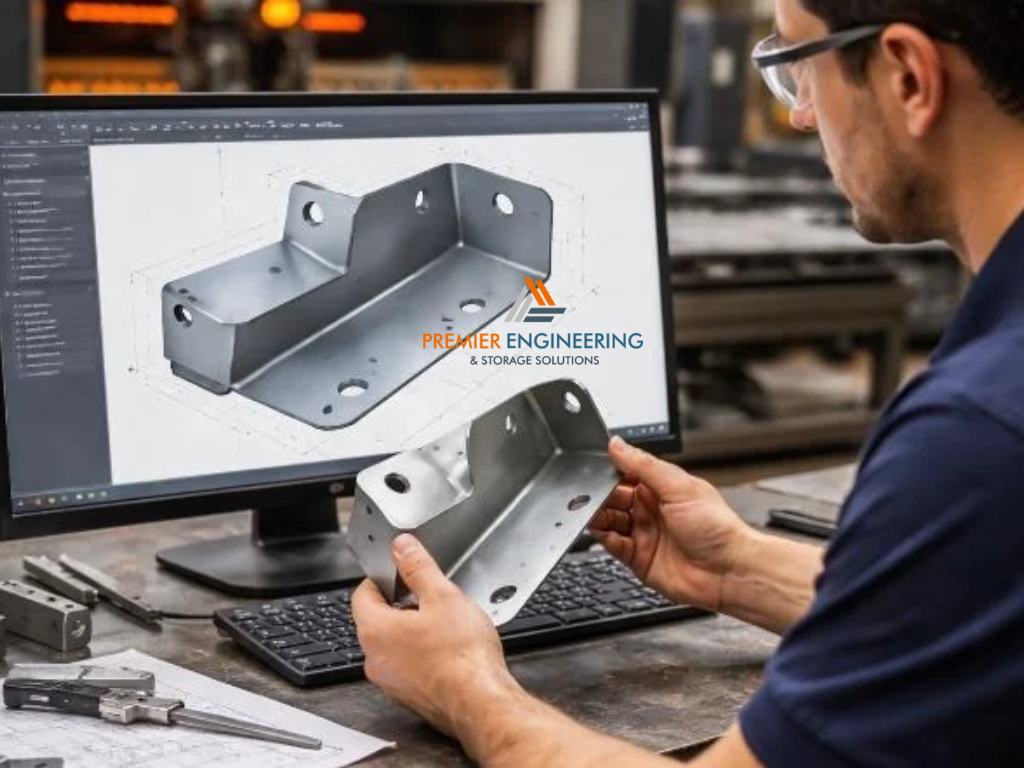
    Mechanical design engineer reviewing a CAD drawing of a sheet metal bracket with dimensions and mounting holes before laser cutting.
    Accurate CAD drawings with correct dimensions and cutting paths help reduce design errors before laser cutting production begins.

    Common Quotation Mistakes in Laser Cutting Western Sydney

    An accurate quotation depends on providing enough information for the supplier to understand the work involved.

    One common mistake is requesting a price without confirming the material type, dimensions, quantities or finishing requirements.

    For example, a customer may request several steel panels without specifying whether they require bending, welding or powder coating after cutting.

    These additional processes can influence the total project cost.

    When requesting laser cutting Western Sydney, provide the latest design files along with material specifications and required quantities.

    Mention any critical dimensions, surface requirements and delivery expectations.

    Also ask what the quotation includes and whether material supply, finishing or transport will be charged separately.

    Clear project information makes it easier to compare quotations from different suppliers.

    How Design Complexity and Order Quantity Affect Pricing

    Laser cutting costs can vary depending on the number of components, total cutting length, material usage and production setup requirements.

    A simple rectangular panel may require less cutting time than a complex part containing numerous small holes and intricate details.

    The number of parts being produced can also influence pricing.

    For larger quantities, efficient placement of components on a material sheet, known as nesting, may help reduce waste.

    However, bulk production does not always guarantee a lower overall cost, particularly when parts require additional processing.

    When comparing laser cutting Sydney providers, ask how design complexity and quantity affect the quotation.

    It is also important to confirm production lead times.

    Material availability, machine scheduling, drawing approval and finishing requirements may all affect when the order can be completed.

    Choosing a Laser Cutting Provider Without Checking Capabilities

    What to Look for in Laser Cutting Sydney Services

    Selecting a fabrication provider should involve more than comparing prices.

    Different workshops have different equipment, material capabilities and manufacturing services.

    Before choosing a supplier for laser cutting Western Sydney, confirm which materials and thicknesses can be processed.

    Ask about achievable cutting tolerances, accepted drawing formats and whether design assistance is available.

    If your project requires bending, welding or surface finishing, determine whether these services can be coordinated with the cutting work.

    This can be particularly useful for components that require several manufacturing stages.

    Premier Engineering provides metal fabrication services, including laser cutting, CNC punching, press brake work, welding and design support.

    Customers seeking a provider in South Western Sydney can explore Premier Engineering’s laser cutting services and discuss whether the available capabilities suit their specifications.

    Always confirm the current machine capacity, material availability and project requirements before ordering.

    Questions to Ask CNC Cutting Services Western Sydney Providers

    Good communication helps customers understand what a fabrication service can deliver.

    Before placing an order, ask whether the supplier can process your selected material and accommodate the required component dimensions.

    Confirm accepted file formats, production lead times and whether a prototype or sample can be reviewed before larger-scale manufacturing.

    For cnc cutting services western sydney, it is also useful to clarify whether the quotation includes material supply, cutting, finishing and delivery.

    If the parts will be assembled with other components, explain any critical fitting requirements.

    Ask how drawing revisions are handled and whether approval is required before manufacturing begins.

    These questions help establish clear expectations and reduce the possibility of misunderstandings during production.

    Avoiding Communication Mistakes Before Production Begins
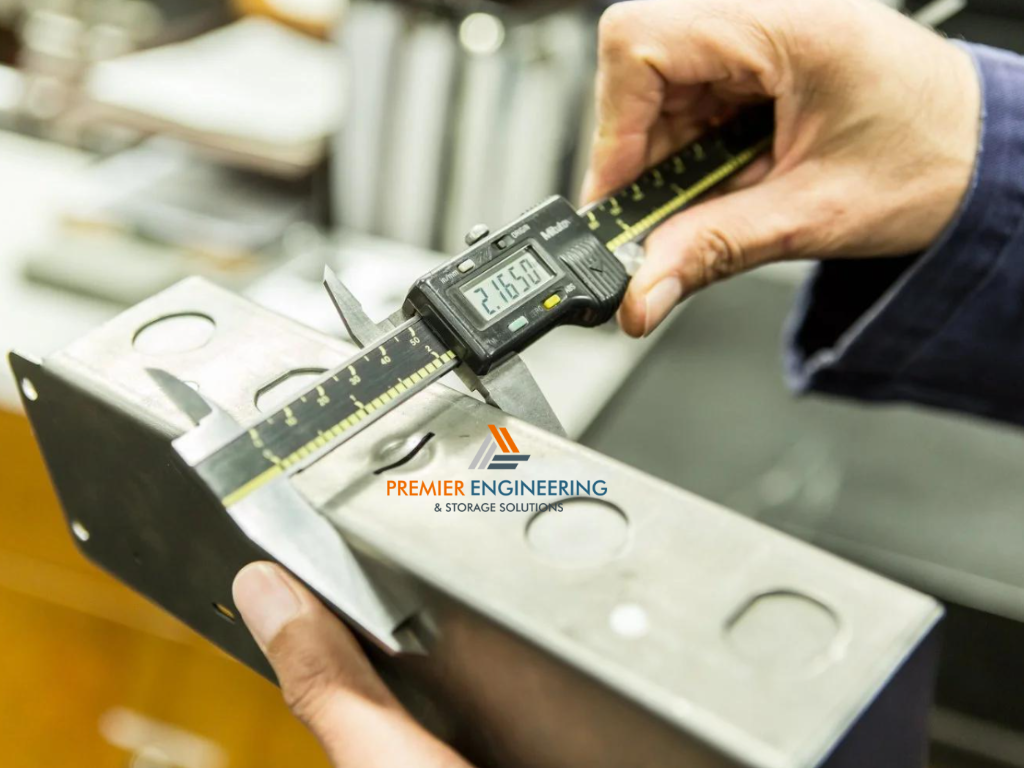
    Metal fabrication technician measuring sheet metal thickness with a digital caliper beside steel, stainless steel and aluminium samples.
    Checking material type, grade and thickness before production helps prevent unsuitable cutting requirements and unnecessary fabrication delays.

    Why Clear Project Instructions Prevent Cutting Errors

    Even an accurate design file may not provide all the information needed to manufacture a finished component.

    Suppliers may also require details about material grade, surface finish, assembly requirements and intended application.

    For example, a metal panel designed for indoor machinery may have different finishing requirements from a component exposed to outdoor conditions.

    When discussing laser cutting Western Sydney, explain how the finished product will be used.

    Identify any surfaces that require special treatment and any dimensions that are particularly important.

    If modifications are made after receiving a quotation, provide an updated drawing with a clear revision reference.

    Avoid relying only on verbal instructions when changes affect the final component.

    Written confirmation helps both the customer and fabricator work from the same specifications.

    Final Checks Before Ordering Laser Cutting Western Sydney

    Before approving production, carefully review the latest drawing and quotation.

    Check that the specified material, thickness, dimensions and quantities match your requirements.

    Confirm whether cutting allowances, tolerances and finishing instructions have been addressed.

    If the components will be bent, welded or assembled, ensure these requirements are included in the agreed production scope.

    Review the expected completion date and any collection or delivery arrangements.

    Customers preparing a custom laser cutting project can benefit from discussing these details with their chosen fabrication provider before manufacturing begins.

    For businesses seeking metal fabrication assistance in South Western Sydney, Premier Engineering offers design and manufacturing services that may be relevant to custom component requirements.

    Explore Premier Engineering to review its manufacturing capabilities and enquire about a quotation based on your drawings and material specifications.

    Avoiding common mistakes in laser cutting begins with thoughtful planning, accurate documentation and clear communication. Taking the time to confirm these details can help reduce preventable delays, improve production coordination and ensure the finished components are better suited to their intended use.
  • Laser Cutting Sydney: CNC Cutting vs Laser Cutting

    Laser Cutting Sydney: CNC Cutting vs Laser Cutting

    Choosing the right cutting method can make a significant difference to the quality, cost and final appearance of a project. Whether you need precision metal components, custom acrylic panels or parts for industrial manufacturing, understanding the differences between CNC cutting and laser cutting Sydney services can help you make a better decision.

    Both methods use computer-controlled technology to produce accurate shapes and components. However, they work differently and have distinct advantages depending on the material, thickness, design complexity and required finish.

    Laser cutting is commonly used for intricate shapes and precision sheet metal parts, while CNC routing and other machining processes can be suitable for thicker panels, recessed features and materials that do not respond well to laser processing.

    For Sydney businesses comparing fabrication services, the best choice depends on what needs to be manufactured, how accurately it must be cut and what happens to the material afterwards.

    What Is the Difference Between CNC Cutting and Laser Cutting?

    Understanding How Laser Cutting Sydney Services Work

    Laser cutting uses a concentrated beam of energy to cut material along a programmed design. The laser heats a narrow section of the material, allowing the machine to create shapes, holes and detailed profiles.

    This process is widely used in metal fabrication, industrial manufacturing, signage and custom component production.

    Different laser systems are designed for different materials. For example, industrial fibre laser machines are commonly used for cutting suitable metals, while CO₂ laser systems are often used for acrylic, timber and other compatible non-metal materials.

    One advantage of laser cutting is its ability to produce intricate shapes with a narrow cutting width, also known as the kerf.

    For manufacturers producing high-precision sheet metal parts, this can help create detailed profiles with consistent dimensions and relatively little material removed along the cut.

    However, the achievable accuracy and finish depend on the equipment, material, thickness and cutting settings.

    How CNC Cutting Services Work for Custom Fabrication

    CNC stands for Computer Numerical Control. It refers to machines that follow programmed instructions to perform manufacturing operations.

    An important distinction is that laser cutting can also be CNC-controlled. When comparing CNC cutting services with laser cutting, customers are often referring specifically to CNC routing or mechanical machining.

    CNC routing uses a rotating cutting tool to remove material along a programmed path. Unlike a laser, which relies on concentrated heat, a router physically removes material.

    CNC routing can be useful for cutting panels, producing grooves, creating recesses and machining features that require material to be removed at different depths.

    Other CNC processes, including milling, punching and machining, may be more appropriate for certain metal components.

    Understanding these differences helps customers select a manufacturing method that matches their actual project requirements.

    Which Materials Are Suitable for Each Cutting Method?

    Acrylic Laser Cutting Sydney: Materials and Applications

    Material compatibility is one of the first things to consider when choosing a cutting process.

    Acrylic laser cutting Sydney services are commonly used to produce custom lettering, decorative panels, retail displays, templates and other components made from suitable acrylic sheets.

    Acrylic, also known by the Perspex brand name, can often be laser cut with a smooth, clear edge when the correct equipment and settings are used.

    This can make laser cutting particularly useful for applications where the appearance of the finished edge matters.

    However, not every plastic is suitable for laser processing.

    Some materials may melt, discolour or produce undesirable cutting results. PVC and other chlorine-containing materials should not be laser cut because they can release hazardous fumes.

    Material grade, thickness and composition must therefore be confirmed before production.

    Businesses requesting acrylic components should also check whether their chosen supplier provides the appropriate plastic fabrication equipment.

    Comparing CNC Routing for Timber, Plastics and Other Materials

    CNC routing can be suitable for various timber products, plastics, composite panels and other materials, depending on the machinery and tooling.

    For example, CNC routing may be considered for thicker panels, shaped edges, pockets and recessed sections that cannot be produced through ordinary two-dimensional laser cutting.

    It can also be useful for materials that are unsuitable for laser processing.

    In metal manufacturing, however, the comparison becomes more specialised.

    An industrial steel cutting machine may use laser technology, while CNC punching, milling or other machining equipment may be selected for different production requirements.

    Metal sheets, structural components and precision parts do not necessarily require the same cutting process.

    For customers comparing laser cutting Sydney services, it is important to confirm whether the provider specialises in metal fabrication, acrylic processing or another material category.

    The correct machinery should always be selected according to the material and finished component requirements.

    How Do CNC Cutting and Laser Cutting Compare in Precision?

    Precision laser-cut steel and stainless steel components with detailed holes and clean edges arranged on an industrial fabrication workbench.
    Precision laser cutting supports the production of detailed sheet metal parts, including brackets, plates and custom industrial components.

    Laser Cutting Sydney for Intricate Shapes and Fine Details

    Precision is a major consideration when manufacturing parts that must fit together or meet specified dimensions.

    Laser cutting is often suitable for producing detailed outlines, narrow slots, small holes and complex shapes in compatible sheet materials.

    Because the laser beam produces a relatively narrow kerf, it can create fine details without the physical cutting tool used in conventional machining.

    For example, manufacturers may use laser cutting to produce metal brackets, equipment panels, enclosures and components with detailed cut-outs.

    The process can also offer consistent results across repeated production runs when the machine, material and settings are properly controlled.

    However, customers should not assume that every laser cutting machine achieves the same tolerance.

    Accuracy depends on factors such as material thickness, heat effects, machine condition and the complexity of the design.

    When requesting laser cutting Sydney services, customers should specify critical dimensions and ask whether the required tolerances are achievable.

    CNC Cutting Services for Accurate Shapes and Components

    CNC routing and machining can also produce accurate components, but they achieve their results through mechanical cutting tools.

    The size and shape of the tool influence the features that can be manufactured.

    For example, a round router bit generally leaves a radius in internal corners rather than producing a perfectly sharp inside corner.

    This matters when designing panels or components that need to fit around another part.

    CNC machining can also create features that are difficult to achieve through basic laser profile cutting, including pockets, stepped surfaces and certain three-dimensional shapes.

    For metal fabrication, CNC punching may be appropriate for producing repeated holes and formed sheet metal features, while CNC milling may be required for more complex machined components.

    The best method depends on the dimensions, material and intended function of the finished part.

    Rather than choosing one process based on general claims about precision, customers should compare the actual tolerances and features required.

    How Do Material Thickness and Edge Finish Affect the Results?

    Laser Cutting Western Sydney: Thickness and Edge Quality

    Material thickness can influence cutting speed, edge quality, achievable accuracy and overall manufacturing cost.

    Businesses looking for laser cutting western Sydney services should understand that each machine has specific material and thickness capabilities.

    A laser system suitable for thin acrylic sheets may not be designed for industrial steel cutting.

    Similarly, metal laser cutting equipment has limitations determined by its power, configuration and the properties of the material.

    An industrial fibre laser may be able to cut different grades and thicknesses of sheet metal, but cutting performance varies.

    The resulting edge can also depend on cutting speed, assist gas, material condition and machine settings.

    For acrylic, appropriate CO₂ laser processing can produce a smooth, polished-looking edge. For metals, laser cutting can produce clean profiles, although some parts may still require deburring or additional finishing.

    Customers should discuss material thickness and edge requirements before approving production.

    CNC Routing for Thicker Panels and Different Edge Finishes

    CNC routing may be preferable when a project involves thicker panels, recessed details or edge profiles that require mechanical machining.

    Unlike standard laser cutting, a router can remove material progressively using different cutting depths.

    This makes it suitable for certain panel designs, grooves and shaped features.

    However, routing can leave visible tool marks, depending on the material, cutting tool and machining settings.

    Additional sanding, polishing or finishing may be required when appearance is important.

    Thicker materials can also require multiple cutting passes, which may affect production time and cost.

    For metal components, further processes such as bending, welding, coating or machining may be necessary after the initial cutting operation.

    The required finish should therefore be considered alongside the cutting method, particularly when the component will be visible, assembled or installed in a larger product.

    Which Cutting Method Is Better for Different Projects?

    CNC router cutting a thick composite panel alongside an industrial laser machine processing steel sheet metal in a manufacturing workshop.
    CNC routing and laser cutting use different cutting processes, making each suitable for particular materials, designs and manufacturing requirements.

    Acrylic Laser Cutting Sydney for Signs, Displays and Designs

    Laser cutting is frequently used for projects involving detailed acrylic shapes and decorative designs.

    Common examples include signage lettering, display panels, product presentation stands, architectural models and customised acrylic components.

    For these applications, the narrow cutting path and potential for a smooth acrylic edge can make laser processing a practical option.

    However, some designs may be better suited to CNC routing.

    For example, a panel requiring recessed areas, specialised edge profiles or extensive material removal at different depths may need mechanical machining.

    Businesses should also consider whether the component requires drilling, polishing, bonding or another finishing process.

    When comparing acrylic laser cutting Sydney providers, customers should confirm the material grades, sheet sizes and finishes the supplier can process.

    The goal is to choose the method that produces the required component without unnecessary manufacturing steps.

    CNC Cutting Services Western Sydney for Panels and Fabrication

    For industrial projects, selecting a cutting process often involves more than comparing laser cutting and routing.

    Businesses researching CNC cutting services western Sydney may need components manufactured from sheet metal, steel or other engineering materials.

    These projects can involve equipment panels, mounting brackets, machine guards, enclosures and other custom-fabricated parts.

    Laser cutting may be appropriate for detailed sheet metal profiles, while CNC punching or machining may provide advantages for specific holes, features or production requirements.

    For example, a sheet metal component requiring accurate cutting and subsequent bending may involve multiple manufacturing processes.

    A project requiring extensive machining or three-dimensional features may need equipment beyond a standard laser cutting system.

    Production quantity also matters.

    A process suitable for a single prototype may not always be the most economical option for repeated manufacturing.

    Customers should consider the complete production requirements, including cutting, bending, assembly and finishing, before selecting a service.

    What Affects the Cost and Turnaround Time of Cutting Services?

    Pricing Factors for Laser Cutting Sydney Projects

    Laser cutting prices depend on several factors, including material type, thickness, design complexity and quantity.

    A simple outline may require less cutting time than a component containing numerous holes, narrow slots and intricate internal features.

    Material selection also affects cost.

    Different metals and sheet materials have different purchase prices and cutting requirements. Thicker materials may require slower processing or different equipment settings.

    Another consideration is material utilisation.

    When parts can be arranged efficiently across a sheet, the manufacturer may be able to reduce waste.

    Customers requesting laser cutting Sydney quotations should provide accurate drawings, dimensions, quantities and material specifications.

    It is also helpful to identify critical tolerances and any required finishing operations.

    A clear brief can reduce unnecessary revisions and help the supplier provide a more accurate quotation.

    Comparing CNC Cutting Costs and Production Requirements

    CNC cutting costs are influenced by the type of equipment, setup requirements, cutting tools, machining time and material characteristics.

    For CNC routing, a design requiring multiple tool changes or cutting depths may take longer than a simple profile.

    Mechanical machining can also require additional setup, workholding and finishing operations.

    Laser cutting may be more efficient for some intricate two-dimensional profiles, while CNC routing or machining may be better suited to other component features.

    Neither process is automatically cheaper.

    The overall cost depends on how the component is designed and manufactured.

    For businesses ordering repeat parts, production planning can also influence pricing.

    Providing consistent drawings and confirming quantities early may help reduce setup changes and unnecessary delays.

    When comparing suppliers, customers should request quotations based on the same specifications.

    This makes it easier to evaluate differences in pricing, lead times, finishing requirements and the complete manufacturing service.

    How to Choose the Right Cutting Service in Sydney

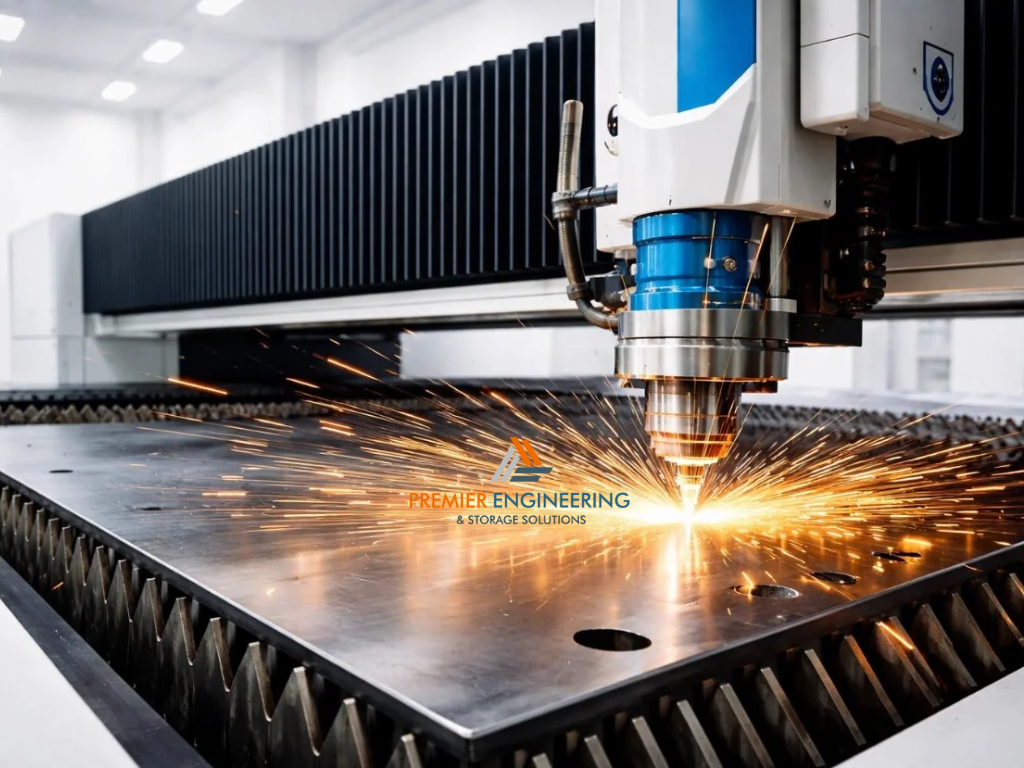
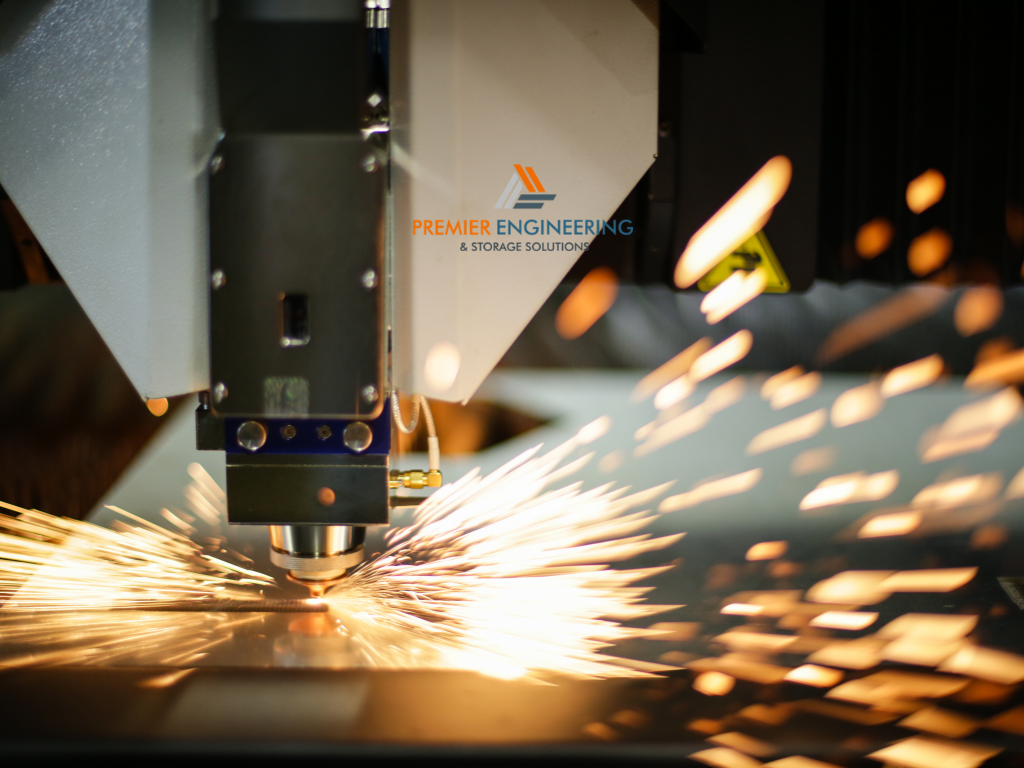
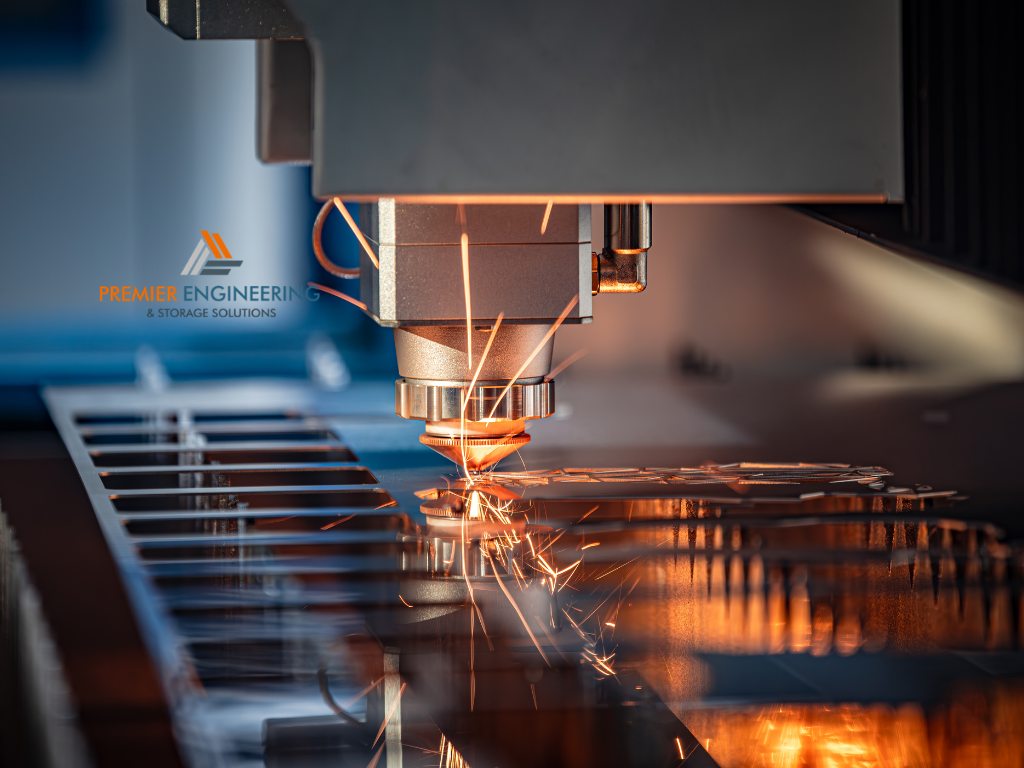
    Industrial fibre laser cutting machine cutting steel sheet metal into precision components in a modern fabrication workshop.
    Industrial laser cutting enables the production of detailed sheet metal components for manufacturing and engineering applications.

    What to Look for in Laser Cutting and CNC Cutting Providers

    Choosing a suitable fabrication provider involves more than finding the lowest quoted price.

    Customers should consider whether the company has the equipment and experience required for the intended material and manufacturing process.

    For industrial projects, this may include laser cutting, CNC punching, bending, welding, machining and finishing capabilities.

    A provider that can assist with multiple manufacturing stages may simplify communication and reduce the need to coordinate separate suppliers.

    Premier Engineering is one option for businesses seeking metal fabrication and laser cutting Sydney services.

    The company identifies laser cutting, CNC punching, design, prototyping, bending, machining, welding and finishing among its manufacturing capabilities.

    For customers requiring custom metal components, discussing the full fabrication process can help determine which services are relevant to the project.

    However, customers requiring acrylic or Perspex cutting should confirm that a prospective supplier has the appropriate equipment, rather than assuming every metal fabrication business processes plastics.

    Before proceeding, ask about material compatibility, achievable tolerances, minimum quantities, finishing options and expected turnaround times.

    A suitable provider should be able to explain the proposed manufacturing process and identify any limitations.

    Preparing Your Project for Laser Cutting Sydney

    Preparing accurate project information is one of the most useful steps before requesting a cutting quotation.

    Customers should begin by identifying the intended material, sheet thickness, finished dimensions and required quantity.

    If a technical drawing is available, it should clearly indicate the component’s shape, holes, cut-outs and critical measurements.

    Common design file formats used in manufacturing include DXF and DWG, although accepted formats vary between suppliers.

    For components requiring further fabrication, it is important to explain whether the parts will be bent, welded, coated or assembled.

    This can influence design preparation and the order of manufacturing operations.

    Customers should also identify any important finish requirements, including visible edges, surface appearance and corrosion protection.

    If the preferred cutting method is uncertain, it may be better to describe the desired result and ask the provider to recommend a suitable process.

    For Sydney manufacturers, designers and businesses comparing fabrication options, the right choice depends on material properties, design accuracy, manufacturing requirements and overall cost.

    Laser cutting can be an effective method for producing intricate sheet metal profiles and compatible acrylic components, while CNC routing, punching and machining provide different capabilities.

    Businesses considering laser cutting Sydney services can discuss their drawings and manufacturing requirements with Premier Engineering to determine whether its metal fabrication capabilities are suitable for their project.

    Choosing the appropriate process from the beginning can help reduce unnecessary revisions, improve manufacturing efficiency and support a finished component that meets the project’s requirements.