Category: Blog

  • How Accurate Is Laser Cutting for Detailed Projects?

    How Accurate Is Laser Cutting for Detailed Projects?

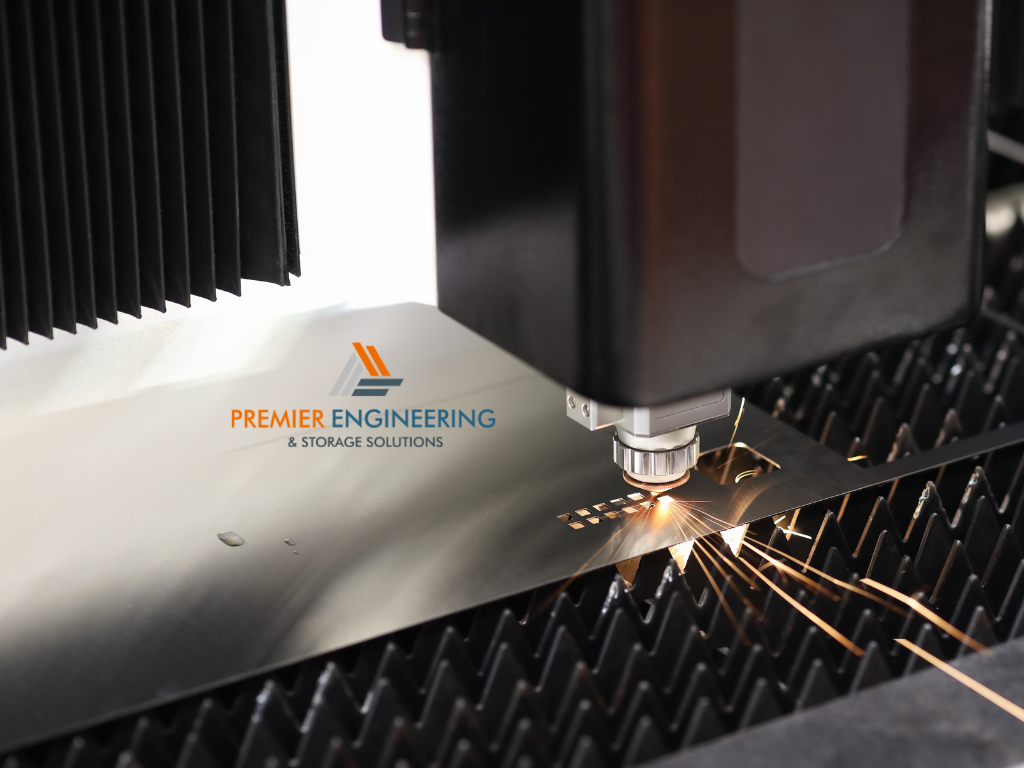
    When we talk about accuracy in laser cutting, we mean how closely the cut follows your original design. Whether it’s a straight edge or a tiny curve, the laser is expected to move with exact precision, cutting exactly where it should—no more, no less. Modern laser cutting systems can deliver tolerances as tight as ±0.1 mm or even better, depending on the material and setup.

    This means you can trust your parts, patterns, or signage to come out clean and consistent. For jobs that require high repeatability or ultra-fine detail, accuracy is not a bonus—it’s a necessity.

    Why Precision Matters for Small or Complex Designs

    The smaller and more detailed your design, the more you’ll depend on precision. If you’re creating intricate parts, jewelry patterns, or delicate cutouts, even the slightest misalignment can ruin the result. That’s why most professionals turn to a trusted laser cutting service for these tasks.

    These services use advanced machines and trained operators to make sure your design is cut with care. Whether you need one part or a hundred, accuracy ensures each piece fits perfectly, works reliably, and looks sharp.


    How a CNC Cutting Machine Delivers Clean, Precise Results

    cnc cutting services,

    The Role of CNC in Guiding Laser Paths

    A cnc cutting machine uses computer instructions to guide the laser along the exact lines of your design. Instead of manual cutting or freehand work, everything is automated and calculated. This makes it easier to hit exact measurements—especially for repeated jobs or high-detail pieces.

    The CNC (Computer Numerical Control) system interprets your digital file and tells the laser where to go, how fast to move, and how deep to cut. This level of control is key for industries like signage, electronics, and architecture, where details really matter.

    Tight Tolerances Made Easy with Automation

    Tight tolerances are a common requirement in jobs like metal part production, mechanical prototypes, and fine signage. That means the room for error is extremely small—often less than a millimetre.

    With a cnc cutting machine, these tight tolerances are not only possible—they’re consistent. When you use professional cnc cutting services, your output isn’t just accurate—it’s repeatable. Every cut matches the last, which is essential for parts that must align, move, or assemble together without issue.


    What Makes Laser Cutting More Precise Than Other Methods

    Comparing Laser Beams to Blades or Plasma

    While traditional tools like blades or plasma cutters are effective, they often lack the fine precision needed for detailed work. Blades can bend or dull. Plasma cutting can leave rougher edges, especially on thin materials. And both methods involve some level of physical contact or heat splash.

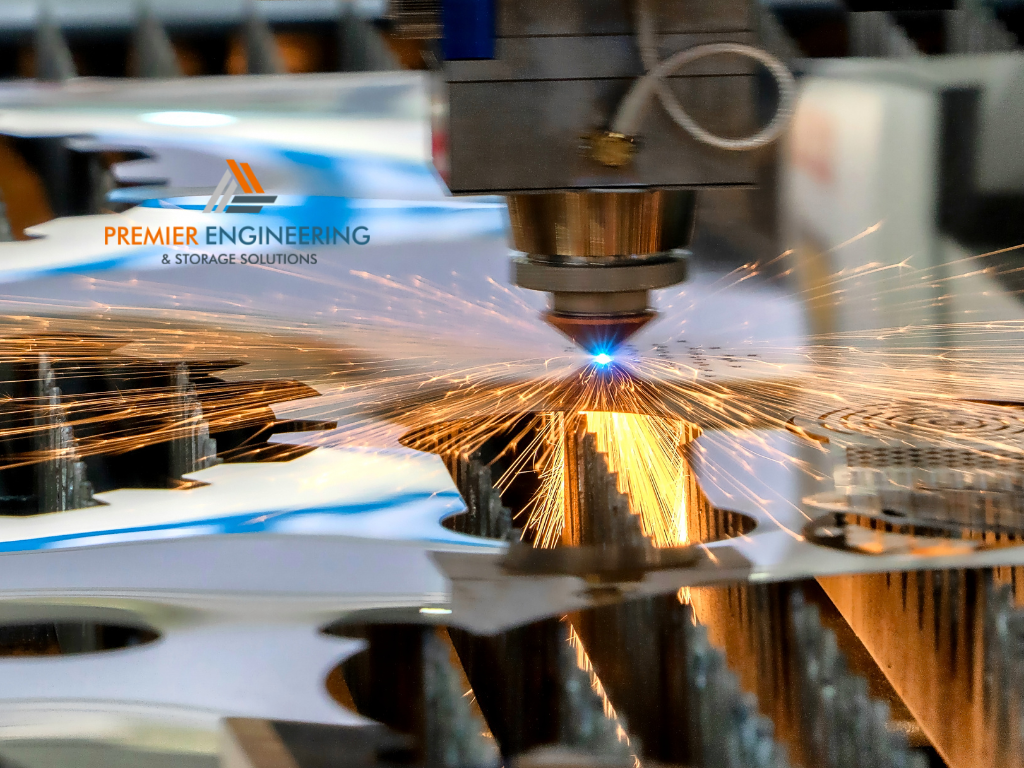
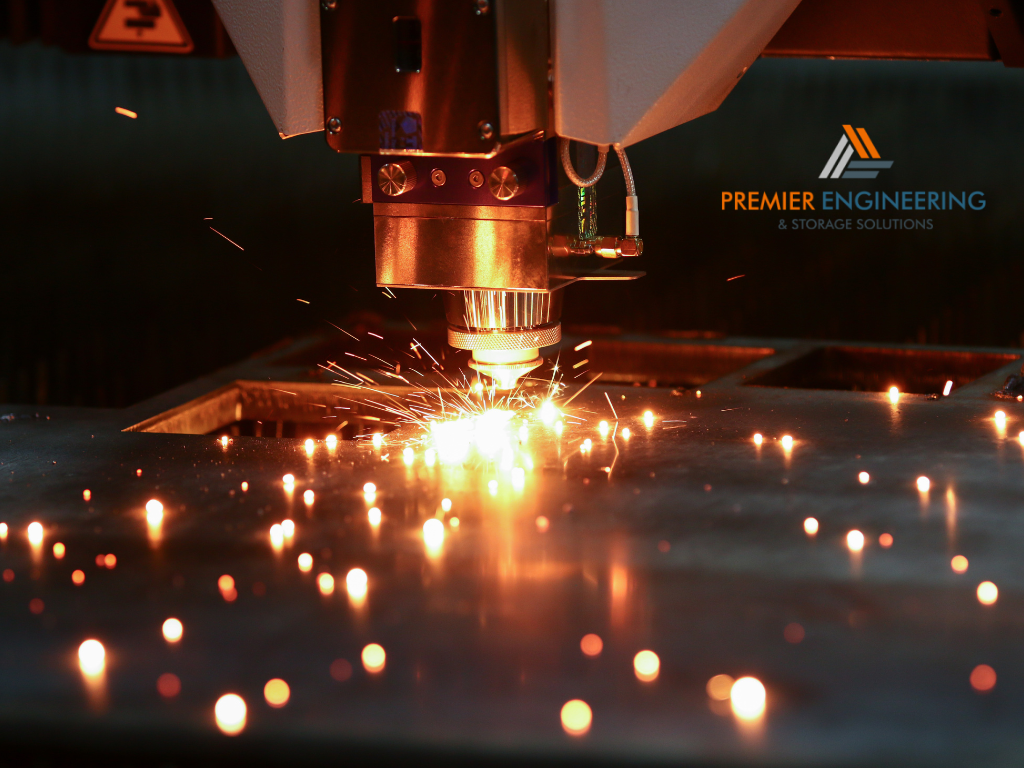
    Laser cutting, on the other hand, uses a high-energy beam that slices through materials with extreme focus and very little waste. This allows for tighter detail, cleaner curves, and finer cuts—especially useful in designs that require sharp corners or small holes.

    No Contact Means Fewer Mistakes or Material Shifts

    One of the biggest advantages of laser cutting is that the laser never actually touches the material. Instead, it cuts using concentrated light. That means no dragging, no vibration, and no force that might move or warp the piece.

    This non-contact method reduces the chance of human error and material damage. For delicate materials like thin metal sheets, acrylic, or wood veneers, this makes a huge difference. That’s why many turn to a professional laser cutting service when they want flawless, consistent results from edge to edge.


    Getting the Best Detail with CNC Cutting Services

    cnc sheet metal fabrication

    Design and File Prep Tips That Improve Accuracy

    Even with the best machines, your laser cutting results depend a lot on the quality of the design file. If your lines aren’t clean or your file type isn’t compatible, the output may not be as sharp as expected. That’s why it’s important to prepare your design properly.

    Stick to vector files like .DXF or .AI, and use clear, closed shapes for best results. Avoid overly thin lines or unclear layer names. When you’re working with cnc cutting services, ask about their preferred formats—they’ll often help you tweak the design to make sure it cuts clean and true.

    How CNC Cutting Services Help Avoid Common Errors

    Working with professional cnc cutting services means you get more than just equipment—you get experience. Skilled technicians know how to set the right speed, power, and depth for each material. They also double-check files, test cuts, and catch errors before your full job begins.

    This attention to detail helps reduce waste and ensures your final product looks the way it should. Whether it’s signage, panels, or decorative work, cnc cutting services offer quality control that DIY setups can’t always match.


    Fine Detail in CNC Sheet Metal Fabrication with Laser Precision

    Laser Accuracy in Thin and Thick Sheet Metal Projects

    When it comes to cnc sheet metal fabrication, precision is everything. Whether you’re working with stainless steel, aluminium, or mild steel, laser cutting delivers smooth, accurate edges every time. Thin sheets cut easily and cleanly, while thicker materials benefit from the laser’s ability to slice with depth and focus.

    No matter the material, a well-calibrated laser system can cut fine shapes and sharp corners with very little burring or edge cleanup required. This is ideal for parts that need to be assembled or fitted with other components.

    Keeping Small Cuts Sharp in Complex Metal Work

    Intricate cutouts, vent patterns, logos, and mounting holes are common in cnc sheet metal fabrication. These small cuts must be clean and precise—especially when they’re part of a functional product.

    With laser cutting, even tiny features can be replicated with clarity. Since the laser path is guided by computer control, your design stays accurate across large batches or multiple revisions. This makes laser cutting a smart choice for fabricators who care about both form and function.


    Choosing the Right Laser Cutting Service for High-Detail Work

    cnc cutting machine

    What to Ask Before Sending Your Design

    Not all cutting shops offer the same level of detail or support. Before you send your project to a laser cutting service, it’s worth asking a few key questions: What’s the minimum line width they can handle? Do they help with file adjustments? How do they test for quality?

    Asking early saves time later. It also ensures your design is achievable with their equipment and settings. A helpful service provider will walk you through the process and offer advice if something in your file needs tweaking.

    Why Experience and Tools Make a Difference

    Even with powerful machines, skill matters. An experienced laser cutting service knows how to handle tricky materials, prevent warping, and get crisp results on the first try. They understand how to balance speed and precision based on your design and end-use.

    Also, the quality of their cnc cutting machine plays a big role. Modern systems with fine-tuned optics and stable positioning systems can cut tighter, cleaner lines than older setups. So if your job involves detailed graphics, tiny holes, or exact shapes, it pays to work with professionals who know both their tools and their craft.

  • What’s New in Industrial Steel Cutting Machine Technology?

    What’s New in Industrial Steel Cutting Machine Technology?

    Today’s industrial steel cutting machine technology is far more advanced than it was just a few years ago. Many of the latest machines now come equipped with features like auto-feed systems, laser alignment, and intelligent cutting controls. These upgrades help operators cut faster and more accurately with less effort.

    Digital controls allow for better precision and consistency, while built-in sensors monitor the cutting process in real time. Whether you’re working with thick steel sheets or detailed patterns, these modern machines make the job cleaner and more efficient from start to finish.

    Why Smart Machines Save Time and Reduce Waste

    Smart industrial steel cutting machine models are not just about speed—they’re also about saving material. With better programming and real-time adjustments, the cuts are more accurate, which means less scrap metal and fewer reworks.

    When machines are more precise, businesses save both time and money. Material goes further, mistakes are reduced, and jobs are completed faster. This is a major advantage for workshops and factories aiming to improve productivity and lower costs.


    CNC Cutting Services Are Getting Even More Precise

    cnc cutting services

    Advancements in Software and Machine Control

    In the world of cnc cutting services, precision is everything. Thanks to new software updates and advanced machine control systems, CNC machines are now capable of even more accurate cutting paths. These improvements are especially important for detailed designs, complex shapes, and repeat jobs where consistency matters most.

    Modern CNC systems allow for tighter tolerances and smoother finishes—no matter the thickness or type of metal. Operators can now load a design file, set the material type, and let the machine handle the rest with minimal adjustments needed.

    Faster Project Turnarounds with CNC Automation

    Speed is just as important as precision. That’s why many workshops are investing in CNC machines with faster motors, quicker tool changes, and smarter controls. With these improvements, cnc cutting services are able to deliver high-quality results in less time.

    Automation also reduces downtime between jobs, which helps businesses stay on schedule. From prototypes to full production runs, CNC machines offer a reliable way to produce steel components quickly without sacrificing accuracy.


    The Rise of Eco-Friendly Laser Cutting Technology

    Cleaner Cuts with Lower Energy Use

    As demand for sustainable practices grows, laser cutting technology is evolving to meet new expectations. Many of the latest laser cutting systems are designed to use less energy while still delivering clean, high-quality cuts. This means lower power bills and a smaller environmental footprint for manufacturers.

    These machines focus the laser more efficiently, which reduces heat spread and improves edge quality. As a result, there’s less material warping and less need for secondary processing—making the overall cutting process more energy- and cost-efficient.

    Dust and Fume Reduction in Laser Cutting Service Workflows

    Another major improvement in today’s laser cutting service setups is air quality. Older machines often produced a lot of smoke and dust, which required extra ventilation and frequent filter changes. Now, many machines come with built-in fume extraction systems that trap harmful particles before they escape.

    Cleaner air in the workshop is safer for workers and better for the environment. For businesses that offer laser cutting service, this also means a cleaner workspace, fewer maintenance issues, and happier employees.

    CNC Stainless Steel Fabrication Is Now Smoother Than Ever

    laser cutting service

    Better Tooling for Harder Metals Like Stainless Steel

    Stainless steel is one of the most widely used materials in industries like construction, medical, and food processing. But it’s also one of the hardest to work with. Thankfully, today’s machines for cnc stainless steel cutting are built to handle this tough material with ease.

    Modern CNC setups use stronger tooling, improved spindle speeds, and adaptive feeds that adjust in real time. These upgrades reduce wear and tear on both the machine and the material, making it possible to get clean, accurate cuts on stainless steel faster than ever before.

    Polished Finishes with Less Manual Grinding

    One of the biggest improvements in cnc stainless steel processing is the finish quality. In the past, you might spend extra time polishing or grinding the cut edges to get a clean look. Now, high-end machines can cut with such precision that very little finishing is needed afterward.

    This saves time and improves consistency—especially important when you’re working on high-end components that need to look and function perfectly straight off the machine.


    Remote Monitoring and Automation Are the New Standard

    Track Your Industrial Steel Cutting Machine from Anywhere

    Technology has made its way into every corner of manufacturing—and steel cutting is no exception. Many newer industrial steel cutting machine models now include built-in smart tech that allows for remote monitoring.

    Through a simple dashboard, operators and supervisors can track machine status, material usage, performance stats, and even errors in real time. Whether you’re on-site or off-site, you’ll always know how your machines are running—helping you catch issues early and keep productivity high.

    Automated Material Loading and Sorting Is Growing Fast

    Automation doesn’t stop with cutting. More workshops are now using systems that automate material loading and sorting. This means steel sheets can be loaded, aligned, cut, and even stacked or sorted—without manual handling.

    These smart features help reduce labour costs, improve safety, and keep operations moving smoothly. When paired with cnc cutting services, automation transforms the cutting floor into a faster, more efficient space that runs with less downtime.


    What to Look for When Upgrading Your Laser Cutting Service

    cnc stainless steel

    Why It’s Worth Investing in the Latest Laser Cutting Tech

    If you’re running a laser cutting service, keeping your machines up to date is key. The latest machines cut faster, use less energy, and deliver cleaner results—especially on delicate materials or detailed work.

    Upgrading may seem like a big step, but it can pay off quickly. Better cuts mean happier clients, fewer errors, and less waste. And with rising demand for fast, accurate laser cutting, having newer technology can help your business stand out.

    Getting the Most from CNC Cutting Services in 2025 and Beyond

    Looking ahead, the future of cnc cutting services is all about speed, precision, and flexibility. Businesses will want to cut more materials, meet tighter deadlines, and stay cost-effective. To do that, choosing the right machines and partners will be more important than ever.

    Whether you’re working with cnc stainless steel, offering a laser cutting service, or running your own industrial steel cutting machine, investing in the right technology now will keep you competitive in the years to come.

  • Designing for CNC Sheet Metal Fabrication: Best Practices

    Designing for CNC Sheet Metal Fabrication: Best Practices

    If you’re designing parts for cnc sheet metal fabrication, it helps to understand how the process works from start to finish. It typically starts with a flat sheet of metal — like steel, aluminium, or stainless — which is cut, bent, and shaped using advanced machines.

    The process includes several steps:

    • cnc cutting services to shape the sheet

    • laser cutting for clean edges and precision

    • Bending or folding to create structure

    • Assembly or welding if needed

    Knowing how each step works makes it easier to design smarter. You’ll also avoid common mistakes that could slow down production or add to your costs.

    Why design matters just as much as cutting

    Good design sets the tone for everything that follows. A part that’s designed clearly and correctly can be made faster, with fewer mistakes and less waste. In cnc sheet metal fabrication, even small design changes can improve efficiency and material use.

    By thinking ahead during the design phase, you help fabricators deliver high-quality parts — without delays or expensive revisions. It’s a win-win for everyone involved.

    Make designs suitable for cnc cutting services

    cnc sheet metal fabrication

    Keep it flat, clean, and simple

    The best designs for cnc cutting services are the ones that are easy to read and easy to cut. Flat layouts with simple shapes are ideal, especially when working with sheet metal. Avoid unnecessary curves, tight corners, or overly detailed patterns unless they’re truly needed.

    Keeping your design clean also helps reduce cutting time. That means faster turnaround and lower costs. It also leads to better edge quality — which means less finishing work later.

    Watch your lines and tolerances

    It’s important to pay attention to tolerances — the small gaps or fits between different parts. If parts are designed too tightly, they might not fit after cutting or bending. If they’re too loose, they may wobble or shift during assembly.

    Work with standard tolerance guidelines and communicate clearly with your cnc sheet metal fabrication team. And make sure your cut lines are sharp and precise — especially for critical features like holes, slots, or tabs. That way, everything fits together smoothly the first time.

    Design with laser cutting and bending in mind

    How laser cutting impacts your material choice

    Not all materials respond the same to laser cutting. Thinner sheets are usually easier to cut and leave cleaner edges. Thicker metals may require slower cuts and can show more heat-affected zones. It’s best to check the recommended thickness range for your specific laser cutting service.

    Aluminium, for example, reflects more light and might need special attention. Choosing the right material from the start helps avoid rework, reduces burn marks, and keeps the final finish looking clean and professional.

    Plan for bend reliefs and edge clearances

    If your part needs bending after cutting, design for it early. That means leaving extra space around edges where bends will happen and including relief cuts where needed. These small details prevent cracking, tearing, or distortion during the bending process.

    Also, don’t forget to allow for material thickness in your design. Bends change the overall length of the part slightly, so your design needs to account for that. By planning ahead, you’ll get more accurate bends and a better overall finish.

    Minimise sharp corners and over-detailing

    laser cutting

    Why less is often more in cnc sheet metal fabrication

    When designing for cnc sheet metal fabrication, it’s tempting to add a lot of detail — especially if you’re aiming for something custom or decorative. But too many sharp angles, tiny cutouts, or complex shapes can slow down production, increase costs, and even weaken the part.

    Smooth transitions, rounded corners, and simplified shapes are much easier to cut and often more durable. Simpler designs also result in cleaner edges and faster processing through cnc cutting services.

    How sharp corners affect laser cutting service efficiency

    Sharp internal corners are tough for laser cutting machines. The beam has to slow down, pause, or change direction sharply — which increases heat in those spots. That extra heat can lead to burrs, discoloration, or slight warping.

    To help your laser cutting service provider, use small radii (like 1–2 mm) instead of 90-degree internal corners. This makes the cutting process smoother and the final result more precise.

    Make assembly and welding easier through smarter design

    Use tabs, slots, and folding lines wisely

    If your sheet metal part will be folded, welded, or assembled with other pieces, think about how everything fits together. Built-in design features like tabs and slots make it easier to align parts during assembly — no extra measuring or guesswork needed.

    Well-placed folding lines can also replace some welds altogether, which saves time and lowers production costs. Your cnc cutting services provider can cut these features into the sheet before bending, making the whole process more efficient.

    How good design reduces secondary operations

    Designing for cnc sheet metal fabrication isn’t just about the cutting — it’s also about what happens after. When your part fits perfectly without needing to be trimmed, re-bent, or re-welded, that’s a sign of smart design.

    Reducing the need for grinding, finishing, or extra welding speeds up production and saves money. It also reduces the chances of mistakes during assembly. Working closely with your laser cutting service team ensures your design is ready for real-world manufacturing — not just what looks good on screen.

    Final checks before sending your design to a cnc sheet metal fabrication provider

    cnc cutting services

    Double-check your file formats and cut paths

    Before you submit your design for production, make sure everything is in the right format. Most cnc cutting services prefer files like DXF or DWG for 2D cutting. Be sure your layers are clean, your cut paths are closed, and your text is converted to outlines if needed.

    Also include notes on materials, thickness, tolerances, and any bending or finishing instructions. This avoids confusion and helps your cnc sheet metal fabrication team prepare everything accurately.

    Work with your fabricator early in the process

    One of the best things you can do is involve your laser cutting or fabrication team early on — not just at the end. They can review your drawings, offer suggestions, and flag potential issues before production starts.

    This kind of teamwork leads to better designs, smoother fabrication, and fewer surprises along the way. A strong relationship with your laser cutting service provider is just as valuable as your design software.

  • Use of Steel Cutting Machines in Pipe and Tubing Production

    Use of Steel Cutting Machines in Pipe and Tubing Production

    Pipes and tubes can be tricky to work with. Because they’re round and often hollow, they need extra care when cutting to avoid uneven edges or damage. You can’t just slice through them like a flat sheet. That’s where an industrial steel cutting machine comes in handy.

    These machines are designed to handle tough materials with high precision. They give you smooth, clean cuts, even on thick or long sections of pipe. With the right setup, they reduce material waste, improve accuracy, and make every piece fit better in the final product — whether it’s for plumbing, construction, or machinery parts.

    Why choosing the right machine matters

    Not all cutting tools are built the same. Some work well for flat sheets, but struggle with curved or hollow parts. If you’re working with pipes or tubes, you need a machine that’s designed specifically for those shapes.

    An industrial steel cutting machine built for tubing will cut cleanly without bending or damaging the metal. This means fewer errors, less rework, and better quality in your finished pieces. In industries where time and accuracy matter, choosing the right machine makes a real difference.

    Using laser cutting for fast and precise pipe production

    laser cutting

    Why laser cutting works well for tubes

    When it comes to cutting metal pipes, laser cutting is one of the best options available today. It uses a highly focused beam of light to slice through steel with extreme accuracy, creating clean, detailed cuts.

    This method is especially helpful when you need detailed shapes or cutouts on curved surfaces. Laser cutting delivers smooth edges, perfect roundness, and high repeatability. Whether you’re cutting large batches or custom designs, it helps maintain both speed and quality — which is ideal for high-performance industries.

    What makes a laser cutting service useful

    Not every workshop or business owns a laser cutter, especially when dealing with large or complex projects. That’s where a laser cutting service becomes a smart choice. These services come equipped with advanced machines and skilled operators who can deliver excellent results on demand.

    If you’re running custom projects, need help with complex tube designs, or simply want to save on equipment costs, a trusted laser cutting service can handle the job efficiently. It’s a flexible and affordable way to get precise, professional-quality cuts — without owning the machine yourself.

    Sheet metal bending press in pipe fabrication work

    How sheet metal becomes pipes and fittings

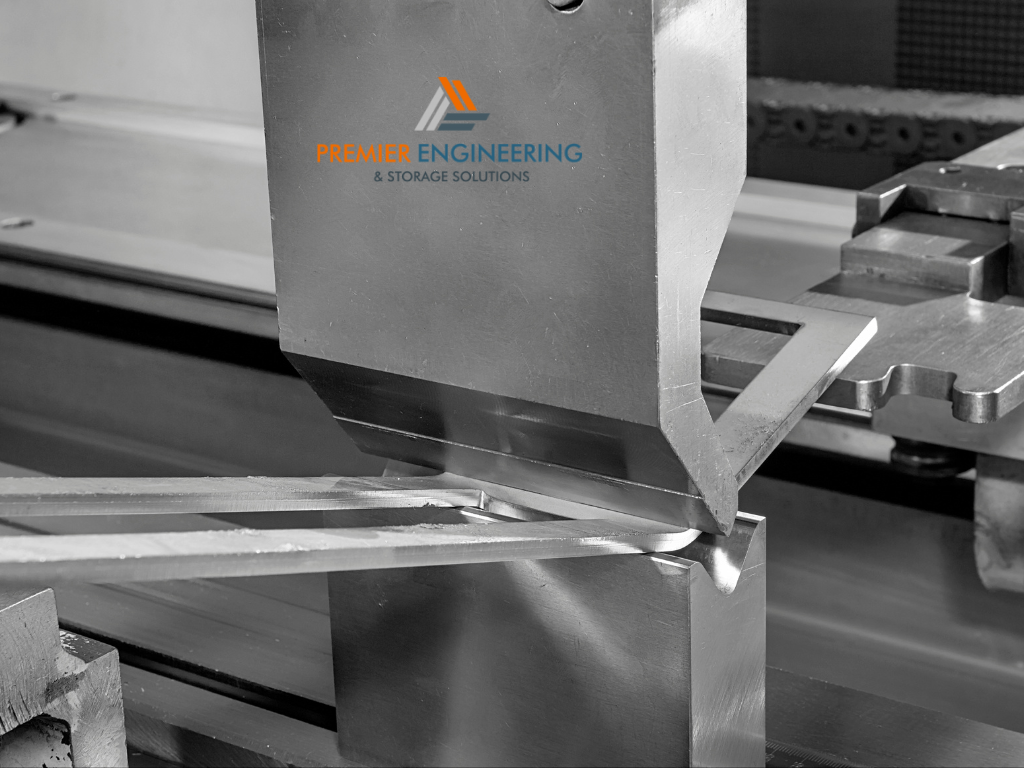
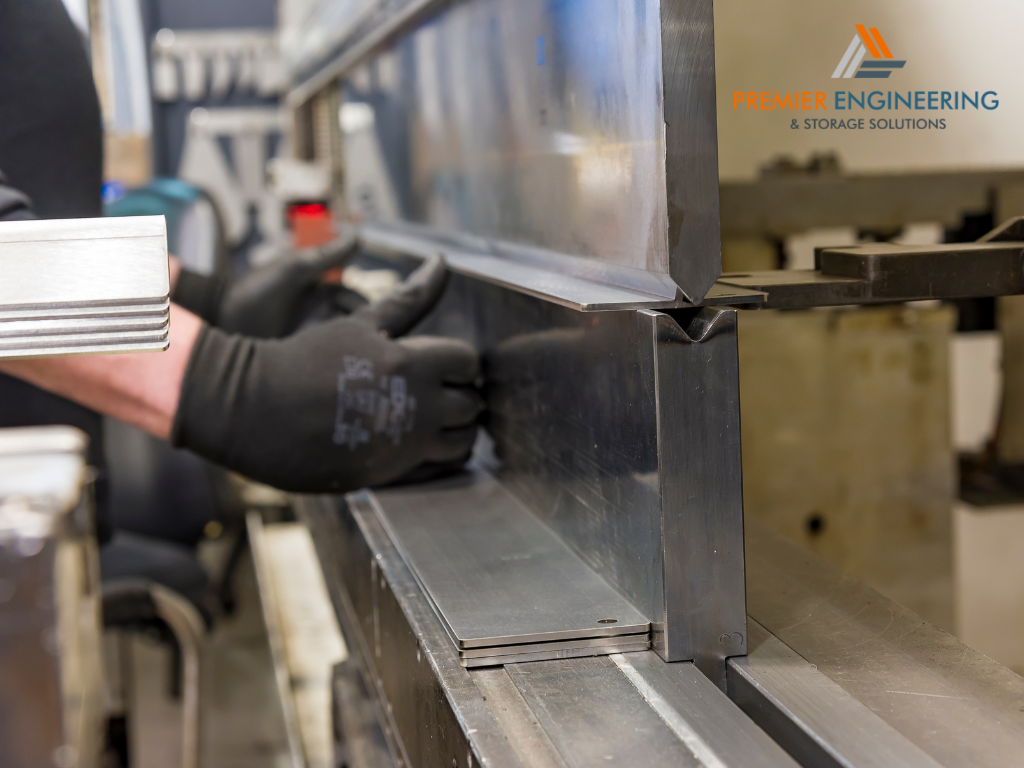
    Before a pipe is cut or finished, it might start as a flat sheet of metal. That’s where a sheet metal bending press plays a key role in shaping the steel. It bends the metal into curves and forms that are essential in making elbows, end caps, and connectors used in all kinds of pipe systems.

    By applying even pressure along the sheet, the press forms smooth, consistent curves that are ready to be cut or joined with other parts. It’s a simple but powerful step in pipe fabrication — helping turn flat sheets into strong, useful components.

    Why bending tools are still important

    Even with high-tech cutting tools like lasers and CNC machines, a sheet metal bending press is still an essential part of the process. After the pipe is cut, you often need to bend the parts to match specific angles or shapes for installation.

    These presses allow you to shape parts with control and accuracy. They keep the structure strong and neat, which is especially important in industries where appearance and durability both matter. Together with cutting tools, bending presses complete the fabrication workflow and bring the whole piece together.

    Turret punching services for pipe slots and holes

    turret punching services

    What turret punching adds to your pipe project

    Not all pipe cuts are straight. Sometimes you need slots, small holes, or custom shapes punched into the side of a pipe — especially for brackets, bolts, or ventilation. That’s where turret punching services come in. These services use machines equipped with a variety of punch tools to quickly create specific patterns in steel.

    Turret punching services are a great option when you’re working on repetitive designs or need many parts made the same way. The punches are fast, reliable, and perfect for adding detail to your steel work without slowing down the process.

    When to punch instead of cut

    While laser cutting is perfect for detailed shapes and clean edges, it’s not always the fastest option for repeated holes. In many cases, turret punching services are more efficient and cost-effective, especially when dealing with larger batches or standard hole patterns.

    Punching tools are also tough and long-lasting, making them ideal for high-speed production. If you’re fabricating parts for construction, HVAC systems, or industrial frameworks, turret punching can help you get the job done faster and at a lower cost — all without compromising on accuracy.

    Choosing the right steel cutting method for different pipe types

    Not all pipes are the same

    Steel pipes come in different shapes, sizes, and materials. Some are thin and hollow, while others are thick and solid. That’s why it’s important to choose the right cutting method based on your project. For clean and sharp cuts, a high-quality industrial steel cutting machine is often the go-to tool.

    But when you’re working with lighter materials or small features, laser cutting can be the better option. For adding holes or slots, turret punching services may be more efficient. Matching the machine to the material is key to getting the best results.

    Mixing cutting, punching, and bending

    The best pipe and tube jobs often use more than one tool. You might start with a laser or industrial steel cutting machine to make the main cuts. Then, you could use turret punching services for extra holes, and finish the part with a sheet metal bending press for final shaping.

    Using this mix of machines gives you flexibility, speed, and accuracy. It also makes your process smoother — especially when producing multiple parts or handling custom orders. Every tool plays a role, and using them together helps you create better, more complete results.

    Getting quality results from start to finish

    sheet metal bending press

    It’s not just about the cut

    Good fabrication isn’t only about cutting metal — it’s about making each step work together. From the first slice with an industrial steel cutting machine, to the last bend or punched hole, each detail affects the final product. That’s why it’s important to focus on the whole process, not just one tool.

    Using the right mix of cutting, bending, and punching ensures your parts are strong, accurate, and ready for use. Whether you’re building frames, custom tubing, or structural supports, attention to detail pays off.

    Working with a team that knows the process

    Having the right machines is one thing. But having the right people is just as important. Whether you’re using in-house tools or hiring a laser cutting service or turret punching services, working with experienced fabricators makes the difference.

    A team that knows how to use an industrial steel cutting machine, operate a sheet metal bending press, and fine-tune each stage can help you avoid mistakes and save time. In the end, better teamwork means better quality — and happier clients too.

  • Benefits of CNC-Controlled Steel Cutting in Manufacturing

    Benefits of CNC-Controlled Steel Cutting in Manufacturing

    In today’s fast-paced industrial world, precision and speed are everything. That’s where CNC (Computer Numerical Control) comes in. When paired with an industrial steel cutting machine, CNC takes manual guesswork out of the equation. Every cut is guided by a programmed path, resulting in clean, consistent results—no matter how many pieces you’re producing.

    This level of control boosts accuracy down to fractions of a millimetre and drastically reduces material waste. No more second-guessing cuts or relying on operator skill alone—CNC ensures repeatability from the first piece to the thousandth. For businesses focused on volume, precision, and time-efficiency, CNC is not just helpful—it’s a must.

    Why it’s now essential in engineering manufacturing and fabrication capabilities

    Whether you’re in heavy fabrication, structural steelwork, or precision part manufacturing, CNC has become the backbone of modern engineering manufacturing and fabrication capabilities. The demand for tight tolerances, custom designs, and rapid delivery times has pushed traditional cutting methods to the side.

    By combining intelligent automation with industrial-grade power, CNC-enabled machines help shops meet client expectations without slowing down production. More importantly, they give engineers and designers more freedom to innovate—because now, almost anything they can draw can be cut cleanly and accurately.

    How CNC Supports Complex Designs with Ease

    engineering manufacturing and fabrication capabilities

    From simple parts to intricate shapes—CNC makes it possible

    One of the biggest advantages of using cnc cutting services is flexibility. Whether you’re cutting basic rectangles or artistic curves with internal cutouts, CNC can handle it with ease. You simply upload your CAD drawing, and the machine does the rest—flawlessly translating that design into steel, time after time.

    This is especially valuable for industries that work with custom parts, signage, enclosures, or brackets. What once took hours of manual effort—or wasn’t possible at all—can now be done in minutes, with extreme consistency. Even intricate ventilation panels, gear components, or decorative steelwork become manageable with CNC on your side.

    Supporting advanced engineering manufacturing and fabrication capabilities

    In modern fabrication, it’s not enough to be fast—you have to be adaptable too. That’s where CNC truly shines. It gives workshops the ability to take on more complex, high-value jobs without adding more manual labor or sacrificing accuracy.

    With engineering manufacturing and fabrication capabilities constantly evolving, CNC-controlled equipment ensures you’re ready for whatever project comes next. Whether you’re producing a prototype or managing a large run of custom parts, CNC gives you the edge to stay competitive, reliable, and precise.

    Laser Cutting with CNC: Fast, Clean, and Consistent

    laser cutting

    Why CNC-controlled laser cutting offers superior edge quality

    Laser cutting has long been known for its precision and speed—but add CNC control to the mix, and it becomes a game-changer. With CNC guidance, the laser head follows a precise path determined by your design file. The result? Incredibly clean edges, smooth contours, and minimal distortion even on the thinnest or most delicate materials.

    This level of detail is especially important in industries like signage, automotive, or architectural steelwork, where appearance and fit really matter. CNC-controlled laser cutting not only enhances quality, it saves time by reducing the need for post-cut finishing like sanding or grinding.

    When to choose a laser cutting service for your steel projects

    If your project requires high accuracy, clean edges, and complex patterns, a laser cutting service is the clear choice. CNC-powered laser cutting is ideal for steel signage, perforated panels, detailed branding elements, machine parts, and more.

    And when you partner with specialists offering both laser cutting service and cnc cutting services, you get the full benefit of expert advice, faster lead times, and results that elevate your project. It’s not just about cutting steel—it’s about doing it better, faster, and smarter.

    Integrating CNC with Other Cutting Technologies

    Using cnc cutting services for plasma, waterjet, and laser systems

    While laser cutting often gets the spotlight, CNC isn’t limited to just one technology. In fact, many workshops integrate cnc cutting services across multiple cutting systems—like plasma, waterjet, and router machines. Each method has its strength, and CNC makes it easier to switch between them while maintaining consistent precision.

    For example, waterjet cutting is perfect for heat-sensitive metals, while plasma offers faster cuts for thick steel. CNC enhances all of these by giving the operator tight control over the cut path, speed, and accuracy. Whether you’re doing a rough fabrication job or something extremely detailed, CNC brings precision to every cutting method.

    The advantage of hybrid workflows with a single control system

    A big benefit of CNC integration is workflow efficiency. With one control system across different machines, your team can move from design to finished part without delays or miscommunication. It also simplifies training, improves consistency, and speeds up production across the board.

    Shops offering cnc cutting services can manage both high-volume and custom jobs without changing their entire setup. That flexibility saves time and keeps you competitive in a fast-moving market.

    CNC Efficiency That Reduces Waste and Saves Time

    How smart programming improves material use and productivity

    With steel prices rising and turnaround times tightening, smart resource use is more important than ever. CNC helps solve this with nesting software and precision programming that maximizes every sheet of material. Instead of guesswork, you get tightly laid out cut paths with minimal offcuts.

    In a busy shop using an industrial steel cutting machine, this kind of efficiency translates into real savings—less scrap, fewer errors, and more output per hour. Your team spends less time reworking mistakes and more time getting jobs out the door.

    Benefits of automation in day-to-day steel cutting operations

    CNC also boosts productivity by automating much of the cutting process. Once programmed, your machine can run with minimal supervision—cutting parts consistently, shift after shift. This means smaller teams can manage larger workloads without sacrificing quality.

    For businesses focused on engineering manufacturing and fabrication capabilities, this level of automation is a huge win. It supports better planning, faster delivery, and more predictable costs—all of which lead to happier clients and stronger margins.

    Choosing the Right CNC System for Your Industrial Steel Cutting Machine

    laser cutting service

    What to consider when upgrading or investing in CNC controls

    If you’re running an older industrial steel cutting machine, upgrading to a CNC control system can completely transform your workflow. But not all systems are created equal. When choosing a CNC solution, think about the types of jobs you do most, the materials you cut, and how complex your designs are.

    Key factors to compare include software compatibility, cutting speed, ease of programming, and support from the supplier. Some CNC setups offer more flexibility or better integration with design software—which can save you time with every project.

    Working with experts in laser cutting service and cnc cutting services

    Choosing the right CNC system often comes down to working with the right people. Companies that specialise in laser cutting service and cnc cutting services—like those with real experience in steel cutting—can help guide your investment based on what actually works in the field.

    They’ll help you avoid overspending on features you don’t need, while ensuring you get a system that delivers reliable, precise results. Whether you’re scaling up or modernising your operations, the right CNC system is more than just an upgrade—it’s a foundation for long-term success.

  • Small Business Solutions | How CNC Cutting Services Helps

    Small Business Solutions | How CNC Cutting Services Helps

    For startups, getting products made quickly and on budget is a top priority, That’s where cnc cutting services needed. CNC (Computer Numerical Control) machines cut with amazing precision and speed, helping new businesses create parts or products without big delays.

    Since these services are highly automated, labor costs are lower too. This makes cnc cutting services a cost-friendly choice for startups looking to keep expenses down while still getting high-quality results.

    The role of cnc cutting services in bringing ideas to life

    Every new business starts with an idea, but turning that idea into a real product can be tricky. Cnc cutting services make this process easier by helping you create precise parts from your designs. Whether you’re building a simple prototype or a more complex product, CNC machines can handle it all.

    For startups in industries like tech, design, or manufacturing, cnc cutting services are a fast way to bring ideas off the page and into the real world.

    Custom Prototyping Made Easy with CNC Cutting Machine

    cnc sheet metal fabrication

    Turning sketches into real products quickly

    Need a prototype fast? A cnc cutting machine is your best friend. It takes your digital design and turns it into a finished piece with high accuracy. You can test your idea, spot any changes needed, and get a feel for the final product—often in just a few days.

    This speed is perfect for startups that need to move quickly, especially when working with tight deadlines or pitching to investors.

    Why a cnc cutting machine is perfect for precise prototypes

    Prototypes need to be exact so you can see how your final product will look and function. A cnc cutting machine delivers that precision every time. Whether it’s a simple bracket or a detailed housing, you get clean cuts and smooth edges.

    Plus, CNC technology is flexible—it works with many materials like metal, plastic, and wood. This gives startups the freedom to experiment and improve their designs easily.

    Small Batch Production for Growing Businesses

    Using cnc sheet metal fabrication for limited runs

    Once your prototype is ready, you may need a small production run to test the market or fill early orders. Cnc sheet metal fabrication is a great choice for these small batches. CNC machines can produce short runs efficiently, saving you the cost of setting up expensive, large-scale production.

    At this stage, startups can tweak designs between batches, allowing you to perfect your product without wasting time or materials.

    Flexibility to scale production as demand increases

    One of the best things about cnc sheet metal fabrication is how easily it scales. As your business grows and demand rises, you can increase your order size without needing a full production overhaul. CNC machines handle small and large batches with the same precision.

    So whether you’re making 10 pieces or 1,000, cnc cutting services grow with your business—giving you the flexibility and control you need at every stage.

    Saving Time and Money Compared to Traditional Methods

    laser cutting

    How cnc cutting services reduce material waste

    One big advantage of using cnc cutting services is how precise they are. This precision means less waste. Traditional cutting methods often result in extra scrap, but CNC machines cut only what’s needed with exact measurements.

    For startups watching every dollar, this is a huge plus. Less waste means more savings—and a greener way to produce your products too.

    Why automation lowers costs for startups

    Because cnc cutting services are automated, there’s less need for manual labor. That keeps costs lower and reduces the chance of human error. Once your design is loaded, the machine does the rest—fast and accurately.

    This is great news for small businesses that want reliable results without spending a fortune. By choosing CNC, you get high-quality cuts at a fraction of the traditional cost.

    Laser Cutting vs CNC Cutting: What’s Best for Your Business?

    Understanding the differences in process and finish

    Both laser cutting and CNC cutting have their place, but they work in different ways. Laser cutting uses a focused beam of light to slice through materials, offering super clean and smooth edges. It’s great for thinner materials and detailed designs.

    Cnc cutting services, on the other hand, use physical tools like blades and bits. This makes CNC better for thicker materials or jobs that need shaping and drilling along with cutting.

    When to choose laser cutting over cnc cutting services

    If your project involves fine details, especially in thin sheets of metal or acrylic, laser cutting might be the better option. But for most startup projects—especially those needing strong, durable parts—cnc cutting services are usually the top pick.

    Not sure which is right? A good provider will help you decide based on your design, material, and budget.

    Partnering with the Right CNC Cutting Provider for Long-Term Success

    cnc cutting machine

    What to look for in a cnc sheet metal fabrication partner

    Finding the right partner is key for long-term success. Look for a company that offers both cnc cutting services and cnc sheet metal fabrication. This gives you flexibility as your business grows. Check for good communication, fast turnaround times, and a clear understanding of your needs.

    Also, make sure they work with a variety of materials and can handle both small and large orders.

    Building a relationship that grows with your business

    The best partnerships are built on trust. When you find a reliable CNC provider, you get more than just cutting services—you gain a team that supports your growth. As your orders increase or your designs change, a good provider will adapt with you.

    Choosing the right CNC partner means you can focus on growing your business, knowing your production is in expert hands.

  • Exploring the Future of CNC Cutting Machine Technology

    Exploring the Future of CNC Cutting Machine Technology

    Technology keeps moving forward, and the cnc cutting machine world is no different. Innovation is not just exciting — it’s necessary. As industries demand faster production and higher precision, users of cnc cutting machines need better solutions to keep up.

    New designs help machines cut more accurately and handle tougher materials with ease. Upgraded software also allows operators to program machines faster and fix errors before they cause delays. Without these innovations, businesses could fall behind their competition.

    New features making cnc cutting machines faster and smarter

    Today’s cnc cutting machines are smarter than ever. Many new models come with automatic tool changers, faster cutting speeds, and better cooling systems. These features reduce downtime and increase overall productivity.

    Smart monitoring is another exciting update. Some cnc cutting machines now track their own performance and alert users about maintenance needs. This helps prevent breakdowns and saves a lot of time and money over the life of the machine.

    The Growing Role of CNC Sheet Metal Fabrication

    cnc sheet metal fabrication

    How cnc sheet metal fabrication is changing industries

    Cnc sheet metal fabrication is playing a bigger role across many industries. From automotive to construction, companies now rely on cnc machines to create strong, precise metal parts quickly.

    Instead of taking days to complete one job by hand, cnc sheet metal fabrication allows companies to produce large batches with exact measurements. This speed helps businesses meet growing demands without sacrificing quality.

    In fact, custom fabrication projects that once took weeks can now be completed in a few days with the right cnc cutting machine.

    What new trends are shaping cnc sheet metal fabrication

    One big trend in cnc sheet metal fabrication is the move toward automation. Robots and smart systems now work alongside human operators to speed up production even more.

    Another trend is eco-friendly fabrication. Companies are choosing machines that use less energy and create less waste. This shift helps both the environment and the bottom line.

    Lastly, the demand for even finer precision continues to grow. New cnc cutting machines can handle micro-cutting tasks, opening up new possibilities for tiny, detailed parts in industries like electronics and medical equipment.

    Laser Cutting Service: A Big Part of the CNC Future

    Why more companies are offering laser cutting service

    As technology improves, more businesses are adding laser cutting service to their list of offerings. That’s because laser cutting provides unmatched precision, allowing for clean edges and detailed designs that other methods can’t easily match.

    Using a laser cutting service also reduces material waste, which saves companies money. Since the process is faster and more accurate, many industries — from fashion to aerospace — now rely on laser cutting service for custom projects and high-volume production.

    How laser cutting service is getting faster and more precise

    Today’s laser cutting machines work much faster than older models. They can slice through metal, plastic, and wood with incredible speed and leave almost no rough edges.

    Some advanced laser cutting systems even adjust automatically to the material type and thickness, making each cut perfect without needing manual changes.

    This growing speed and precision mean that laser cutting service will only become more popular in the future, especially for companies that value both quality and quick turnaround times.

    How Laser Cutting Is Taking CNC to the Next Level

    laser cutting service

    What makes laser cutting better than traditional cutting methods

    Laser cutting has changed the way industries think about precision. Compared to older cutting methods like sawing or mechanical drilling, laser cutting is faster, cleaner, and more accurate. A laser cutting beam can create detailed patterns without touching the material directly, which means less wear and tear on the machine and smoother finishes.

    This contactless cutting also means there’s less chance of material distortion. Whether you’re working with thin sheet metal or thick steel plates, laser cutting delivers consistent, professional results every time. That’s why it’s becoming a key feature in many cnc cutting machine setups today.

    How laser cutting works with cnc cutting machine systems

    Many modern cnc cutting machines now include laser cutting capabilities. In these systems, a computer controls the movement of the laser beam, ensuring exact cuts based on digital designs.

    This combination of cnc cutting machine precision and laser cutting power allows businesses to take on more complex projects. Whether it’s engraving fine details or slicing through tough materials, the teamwork between cnc control and laser technology offers unmatched flexibility.

    As laser technology keeps improving, it’s making cnc machines even more powerful and expanding what they can do for industries everywhere.

    Smart Automation and CNC Cutting Machines

    How smart technology is improving cnc cutting machine performance

    Automation is making a huge difference in the world of cnc cutting machines. Today’s machines can adjust their settings automatically based on the material they’re cutting. Some can even detect problems, like tool wear or temperature changes, before they cause serious issues.

    Software upgrades allow operators to control multiple cnc cutting machines from one location. This saves time, reduces errors, and speeds up production lines. With smart automation, even small businesses can run more efficiently without needing a big team.

    Can AI and machine learning make cnc cutting even better?

    The future of the cnc cutting machine looks even brighter with artificial intelligence (AI) and machine learning. These technologies can analyze thousands of cutting jobs and learn how to optimize settings for better results.

    Imagine a cnc cutting machine that automatically chooses the best cutting speed, laser intensity, or path without human input. AI can also predict when maintenance is needed, reducing unexpected breakdowns. This smart learning is set to make cnc cutting machines more reliable, faster, and smarter than ever.

    What to Expect From CNC Cutting Machine Technology in the Next 5 Years

    laser cutting

    Will cnc cutting machines get more affordable and easier to use?

    Yes, big changes are coming. As technology advances, cnc cutting machines are becoming more affordable and user-friendly. Small businesses and even hobbyists are starting to get access to high-quality cnc tools without breaking the bank.

    User interfaces are getting simpler too. Newer machines often have touchscreen controls, guided tutorials, and easy file uploads, making them less intimidating for first-time users.

    With better designs and lower costs, more people will be able to enjoy the power of cnc cutting machines in the next few years.

    What industries will benefit most from new cnc cutting technology?

    Many industries will see huge benefits. Cnc sheet metal fabrication companies will be able to produce complex parts faster and with less waste. Businesses offering laser cutting service will complete more jobs with even finer detail and higher customer satisfaction.

    Construction, automotive, aerospace, and even fashion industries will continue to push the limits of what laser cutting and cnc cutting machine systems can achieve. The next five years promise smarter, faster, and greener manufacturing for everyone involved.

  • How CNC Cutting Services Help Speed Up Product Development

    How CNC Cutting Services Help Speed Up Product Development

    Speed matters in product development. The faster you can go from concept to a working prototype, the sooner you can test, improve, and launch. That’s where cnc cutting services make a big difference. Unlike traditional methods that rely on manual measuring and cutting, CNC technology works directly from your digital design.

    It removes the guesswork, saves hours of labour, and delivers exact results—every time. Whether you’re testing a small part or producing a fully functional prototype, CNC cutting makes it faster and easier to get it right the first time.

    Instant adjustments using CAD files with cnc cutting services

    With cnc cutting services, adjustments are easy. You can edit your CAD file and upload a new version, and the system is ready to cut again with no retooling. That flexibility is perfect for early-stage development when changes happen often.

    If you’re building, testing, or refining a design, CNC gives you a repeatable process with no manual setup or delays. It keeps your ideas moving forward without needing to stop and start from scratch.

    When to Use Laser Cutting for Faster Turnaround

    turret punching services

    The speed and accuracy of modern laser cutting systems

    When timelines are tight, laser cutting offers a fast and clean solution. It’s one of the most precise methods available, especially for thinner materials like acrylic, MDF, or sheet metal. Modern machines can cut complex shapes with incredible detail—without slowing down production.

    Because there’s no physical contact with the material, there’s less wear on tools, fewer mechanical errors, and smoother results. That means fewer post-cut adjustments and quicker assembly.

    Ideal use cases for a high-precision laser cutting service

    A laser cutting service is ideal for signs, architectural panels, product enclosures, packaging inserts, or any job that requires detailed cuts with clean edges. It’s also perfect for industries like fashion, electronics, interior design, and tech prototyping where fine detail and speed matter.

    For one-off samples or high-volume parts, laser cutting is efficient, repeatable, and cost-effective—especially when paired with CNC for large projects.

    CNC Sheet Metal Fabrication for Strong, Scalable Components

    How cnc sheet metal fabrication supports custom and batch production

    Need to go from a prototype to short-run production? CNC sheet metal fabrication makes that possible. It allows you to scale up quickly without changing your process. You can use the same CAD design that worked for your prototype to produce 10, 100, or even 1,000 units—without sacrificing quality.

    The precision of cnc sheet metal fabrication means parts fit together perfectly and are ready for welding, bending, or assembly. It’s a smart way to bridge the gap between development and manufacturing without needing a full production line.

    Common materials, finishes, and structural benefits

    CNC sheet metal fabrication works with a wide range of materials like aluminium, stainless steel, copper, and galvanized steel. It also supports different finishes—like powder coating, brushing, or polishing—based on your end use.

    This process gives you both strength and design flexibility. Whether you’re building structural frames, enclosures, brackets, or custom panels, CNC-fabricated metal parts offer lasting durability and high visual appeal.

    Turret Punching Services and the Benefits of High-Speed Hole Cutting

    laser cutting

    What turret punching services add to your prototyping capabilities

    When your design requires lots of holes, slots, or patterns in sheet metal, turret punching services are the way to go. This method uses pre-set tool shapes to quickly punch through material with incredible speed and precision.

    For prototype parts like brackets, vents, or control panels, turret punching is faster than laser or CNC cutting—especially when you’re making repetitive holes or standard features. It helps speed up early testing by creating accurate, ready-to-use parts in less time.

    When punching is more efficient than cutting

    Turret punching services are ideal when you’re working with uniform shapes and consistent cut patterns. It’s not only fast but also cost-effective, especially for medium- to large-sized production runs.

    If you’re comparing cutting vs punching, consider the material type, thickness, and number of repeats. While laser cutting is better for intricate or varied designs, turret punching shines when your cuts are consistent and layout-driven.

    How Integrated Cutting Services Help Teams Work Faster

    Seamless file sharing and cloud-based revisions

    Speed isn’t just about how fast machines cut—it’s also about how smoothly your team can work together. With digital cnc cutting services, designers, engineers, and manufacturers can all work from the same file in real time. That means no re-drawing, no remeasuring, and no communication gaps.

    Whether your team is in one office or spread across different locations, CNC files can be reviewed, revised, and approved in minutes. This helps keep momentum going and reduces costly mistakes or delays.

    Coordinating between design, cutting, and assembly

    When your cutting provider offers CNC, laser cutting, and turret punching services under one roof, it saves a huge amount of time. Instead of sending files to multiple vendors, you can handle everything through a single production partner.

    This streamlines your process—from file creation and material prep to cutting and finishing—and allows you to move from design to assembly with less back and forth. At scale, this integration means faster delivery and smoother communication across every stage.

    Short-Run Manufacturing with CNC for Fast Market Entry

    laser cutting service

    Why startups and small brands choose cnc cutting services

    If you’re launching a new product or testing a limited edition, you don’t need full-scale manufacturing right away. That’s why many startups and niche brands turn to cnc cutting services for short-run production.

    You can manufacture small batches with professional quality—without investing in tooling or large MOQs (minimum order quantities). Whether it’s 5 units or 500, CNC provides the same precision and repeatability you’d expect from a full factory.

    Cost-effective solutions for limited-edition or trial product runs

    Small production runs are perfect for market testing, customer feedback, or launching a pilot version of your product. And because cnc sheet metal fabrication and laser cutting work from digital files, you can tweak designs between runs with little cost or downtime.

    This flexibility helps you stay agile, respond to customer feedback quickly, and launch confidently—without overcommitting on inventory or budget.

  • Design Tips to Get Clean, Accurate Laser Cutting Results

    Design Tips to Get Clean, Accurate Laser Cutting Results

    Getting a clean, accurate cut starts with using the right kind of file. In laser cutting, vector files are the gold standard. That’s because vector files use mathematical paths to tell the machine exactly where to move, cut, or engrave. Unlike images made of pixels, vectors keep your lines sharp and scalable at any size.

    If your file isn’t vector-based, the laser may not follow your design properly. Instead of smooth curves or crisp corners, you could end up with jagged edges or blurry lines. And no one wants that—especially if you’re sending your project off to a laser cutting service.

    File formats that work best with laser cutting service or cnc cutting machine

    When preparing your design, always aim to save your work in a format that both a laser cutting service and a cnc cutting machine can understand. Common formats include SVG, DXF, and sometimes AI or PDF, depending on the software used.

    Before sending anything off, it’s a good idea to double-check what your laser cutting service or cnc cutting services prefer. Every machine and shop may have different software, so asking first saves you time and avoids mistakes. The right file format makes the whole process faster, easier, and much more precise.

    Keep Line Weights and Colours Simple

    laser cutting service

    How thin lines improve precision

    The thickness of your lines matters more than you might think. For both laser cutting and cnc cutting machine work, thin lines usually lead to better results. If your lines are too thick, the machine might interpret them as a path instead of a cut. That could mean missed details or extra cuts you didn’t plan for.

    Sticking with hairline or 0.001mm-width lines is often the safest choice. These tiny lines tell the machine to cut right along them, resulting in smooth and accurate edges. You’ll notice the difference when your design fits together perfectly, especially if you’re creating layered or interlocking pieces.

    Colour coding for different cuts or engraves

    Colours can also help communicate with the machine, but only if used correctly. Many laser cutting service providers and cnc cutting services use colour-coded systems to separate cutting, scoring, and engraving tasks.

    For example, red might mean “cut through,” blue could signal “engrave,” and green might be “score lightly.” Just keep it simple. Stick to one colour per function and make sure it matches what your service provider expects.

    Account for Kerf in Your Design

    What kerf is and why it affects accuracy

    One of the most overlooked details in laser cutting is kerf. Simply put, kerf is the width of the material removed by the laser beam or the blade of a cnc cutting machine. Even though the cut is small, it still leaves a gap—and that gap adds up.

    This is especially true for puzzle pieces, tabs, or anything that slides or snaps together. Kerf might be tiny, but it has a big impact on your final result.

    Adjusting spacing for clean, tight-fitting cuts

    To get a precise fit, you’ll want to slightly adjust your design to account for kerf. That means making slots a little narrower or adjusting overlaps so that everything fits the way it should. Many laser cutting service providers will offer a kerf value you can use when designing. If you’re working with cnc cutting services, they’ll likely have a similar specification based on the tool width of their cnc cutting machine.

    Designing with kerf in mind from the start saves you from costly reprints or frustrating adjustments. It’s a small tweak that makes a huge difference in how professional your finished piece looks and feels.

    Use Layered Designs to Maximise Detail

    cnc cutting services

    How layering brings depth to laser cutting projects

    Layering is a great way to add depth and character to your laser cutting designs. Instead of cutting everything from one sheet, you can break your design into separate layers and stack them. This gives a three-dimensional effect, which is perfect for signage, wall art, or even custom gifts.

    When layering, each piece needs to fit together neatly, so precision really matters. This is where earlier design choices—like accounting for kerf and using clean lines—come into play. A well-layered project looks impressive and feels professional, even if you’re just starting out.

    Tips for aligning pieces after cnc cutting services

    Once your pieces are cut, the next step is assembly—and getting the alignment right is key. Before you send your files to a laser cutting service or any cnc cutting services, make sure you include alignment markers or guidelines in the file. These small shapes or reference points help you line everything up once it’s time to glue or attach the layers.

    Also, be sure to label your files clearly so your cnc cutting machine operator knows how each layer is meant to be used. The better your prep, the easier the final result comes together. It may take a little more time during design, but it saves a lot of effort when assembling.

    Test Your Settings Before Full Production

    Why test cuts help avoid wasted materials

    Even with a great design, things can go wrong during cutting. That’s why running a small test cut is always a smart move. Before committing to a full sheet of material, test a section of your file on a scrap piece. This gives you a chance to check the cut quality, line precision, and depth.

    Different materials respond in different ways, and even the same model of laser cutting or cnc cutting machine can behave slightly differently depending on settings and wear. A quick test cut helps avoid surprises—and wasted time and money. Most laser cutting service providers also welcome test requests before doing the full job.

    Matching design files to the power of your laser or cnc cutting machine

    Not all machines have the same capabilities. A basic home laser cutting unit might struggle with thick hardwood, while a professional cnc cutting machine can slice through it easily. That’s why it’s important to design based on what your machine—or your cnc cutting services provider—can handle.

    If you’re not sure about the right settings, don’t guess. Ask your laser cutting service or cnc cutting services for a recommended power and speed guide. Then adjust your file to suit. You might need to simplify some details or break the job into sections if the material is too thick.

    Work with a Laser Cutting Service That Understands Your Needs

    cnc cutting machine

    Sharing clear, editable files with your laser cutting service

    The more prepared your design files are, the smoother your project will go. When working with a laser cutting service, make sure to send files that are clean, labelled, and ready to use. Editable formats like SVG, AI, or DXF are ideal. Keep the layers simple and use colour coding if needed—but only if the service supports it.

    Always include a note that explains which parts should be cut, engraved, or scored. This avoids confusion and reduces the chances of errors. That’s why building a solid relationship with your provider is so helpful. Clear communication saves both time and material.

    Questions to ask before choosing between laser cutting or cnc cutting services

    If you’re unsure which option is best—laser cutting or cnc cutting services—start by asking a few questions. What materials are you using? How thick are they? Do you need sharp corners or smooth curves?

    Laser cutting works well for fine details and thinner materials. A cnc cutting machine is better for deeper cuts or tougher materials like thick hardwood or metal. Each method has its strengths, so your choice depends on the job.

  • Laser Cutting Services |  A Laser Can Cut Almost Anything

    Laser Cutting Services | A Laser Can Cut Almost Anything

    Laser cutting wasn’t always as widespread as it is today. At first, it was used mainly by prototyping teams and small workshops. It offered precision and flexibility without the high setup costs of traditional tools. Today, things have changed. A professional laser cutting service can handle both one-off pieces and large production runs.

    Thanks to computer-controlled machines, designs can be changed quickly and re-cut in minutes—perfect for fast-paced businesses and creative industries alike. This level of flexibility is what makes laser cutting such a popular option for both beginners and advanced manufacturers.

    The Rise of Digital Fabrication and Custom Orders

    Digital tools have opened the door to custom everything. Whether it’s signage, product packaging, parts for machinery, or decorative panels—laser cutting makes it all possible. Designs are created digitally, and then passed straight to the laser machine for cutting or engraving.

    What used to take days can now be done in hours. That’s why so many industries rely on laser cutting service today—from architecture and retail to product development and signage.

    Materials You Can Cut with a Laser Cutting Service

    cnc sheet metal fabrication

    Wood, Acrylic, Cardboard, Fabric, and More

    One of the biggest advantages of using a laser cutting service is its ability to handle so many materials. The list is long and includes:

    • Plywood and MDF

    • Acrylic and Perspex

    • Cardboard and paper

    • Leather, felt, and fabric

    • Rubber and foam

    These materials are great for displays, packaging, models, or creative projects. Laser cutting creates sharp, smooth edges, often without the need for sanding or finishing.

    Laser systems are especially popular for working with acrylic, where they produce a clean, polished edge with no chips or burn marks.

    Metal Cutting Options and Limitations

    Laser cutters can also cut metal—but with a few important considerations. Thin sheets of aluminium and stainless steel are commonly used in signage, enclosures, and tech applications. However, for heavier jobs or very thick metals, a cnc sheet metal fabrication process is usually better.

    That’s where the metal is milled, drilled, or shaped using a cnc cutting machine with stronger force. Laser cutters are precise but have limits in terms of thickness and type of metal. Still, for light to medium work, they’re incredibly effective.

    What About Metal? How It Compares to CNC Sheet Metal Fabrication

    When to Use Laser Cutting vs CNC Cutting

    If you’re working with thin materials and detailed shapes, a laser cutting service is the way to go. It can handle intricate designs and sharp corners with no contact and no tool wear.

    But for heavy-duty jobs—like cutting thick steel plates, bending brackets, or shaping parts—you’ll want cnc sheet metal fabrication instead. This method uses a cnc cutting machine to apply force, drill holes, and mill complex forms that lasers can’t.

    So, when should you use which?

    • Choose laser cutting for speed, detail, and clean edges

    • Choose CNC when you need strength, depth, or heavy materials handled

    How Each Method Handles Different Metals

    Laser cutting is great for light-gauge stainless steel, aluminium, and coated metals. It leaves a crisp finish with minimal heat damage if settings are right. However, reflective metals like copper or thick carbon steel can be more challenging. In contrast, cnc cutting services are better for a wider range of metals, including those that are too thick or heat-sensitive for laser cutting.

    CNC tools apply physical pressure rather than heat, which makes them more versatile for structural parts. For many businesses, it’s not about choosing one or the other—it’s about using both methods together for the best results.

    How a CNC Cutting Machine and Laser Tools Work Together

    cnc cutting machine

    Precision from Both Machines, But Different Strengths

    When it comes to precision, both a laser cutting service and a cnc cutting machine can deliver excellent results—but they do it in different ways. Laser cutting uses focused light and heat to cut through materials, while CNC cutting uses physical tools like mills, routers, or drills.

    That’s why many workshops use both. For example:

    • Use laser cutting for detailed acrylic signage or delicate wood designs.

    • Use CNC routing for thick panels, curved edges, or drilled holes in metal.

    Together, they allow for more complete and flexible cutting capabilities.

    What to Use for Thick Sheets, Sharp Edges, or Clean Finishes

    If you need super clean, polished edges—especially on acrylic or thin timber—laser cutting service is the go-to. It gives a smooth finish right off the machine. But when you’re working with thicker materials, especially in metal, a cnc cutting machine is usually the better choice.

    It can power through dense material with steady, clean cuts—and no risk of heat distortion. So, whether it’s for creative design or industrial needs, both methods bring unique benefits to the table.

    Getting the Best Results from CNC Cutting Services

    Picking the Right Tool for Your Material and Design

    To get the most out of cnc cutting services, it’s important to match your material with the right cutting method. Not all tools work well with all materials, and using the wrong setup can lead to chipped edges, poor finishes, or even damaged parts. Need sharp curves or intricate designs? Laser cutting might be your best bet.

    Working with hardwood or metal sheets? A cnc cutting machine is likely more effective. An experienced provider will help you decide which method suits your job best.

    Why Settings, Software, and Skill Still Matter

    Even with the best machines, results can vary based on settings and file setup. Speed, power, cut depth, and tool choice all affect the final quality. Skilled technicians know how to adjust these settings for different materials and designs. They also use proper software to prepare your files—making sure the machine follows the correct path, at the right speed, every time.

    In short, getting great results from cnc cutting services takes more than just pushing a button—it’s a mix of good tools, good files, and the right experience.

    Safety and Practical Limits of “Cutting Almost Anything”

    cnc cutting services

    Materials You Should Never Laser Cut

    While it’s true that laser cutting service can cut a wide variety of materials, there are some that should never go near a laser. Certain plastics—like PVC—release toxic fumes when cut. Others can melt or catch fire easily.

    It’s important to avoid:

    • PVC and vinyl

    • Fibreglass

    • Polycarbonate (if not designed for lasers)

    • Materials with unknown coatings or adhesives

    Always double-check with your provider before submitting your design. Safety comes first, both for the machine and the people running it.

    Thickness and Heat Considerations to Know About

    Another limit to keep in mind is thickness. Laser cutters do best with thin to medium sheets. Cutting very thick materials (especially metals) can lead to poor edges or overheating. This is where cnc sheet metal fabrication or heavy-duty cnc cutting machines take over.

    They can cut deeper without the heat buildup that lasers produce. So yes, laser cutting can handle almost anything—but knowing when to switch methods is what really makes a project successful.