Search results for: “sheet metal manufacturing “

  • Getting the Most Out of Your CNC Punching Service

    Getting the Most Out of Your CNC Punching Service

    CNC punching service is a manufacturing process that uses a machine to punch holes or shapes into sheet metal. This process is highly automated and controlled by a computer, which directs the machine to follow precise patterns based on the design input. CNC punching is essential in modern manufacturing because it allows for high precision, consistency, and efficiency in producing complex parts or components. The process is versatile, handling various materials such as aluminum, steel, and copper, making it a go-to solution for industries ranging from automotive to aerospace.

    The Importance of Precision and Efficiency

    In CNC punching, precision and efficiency are paramount. Precision ensures that every part produced meets exact specifications, which is critical for maintaining the quality and functionality of the final product. Even a slight deviation can lead to parts that don’t fit together correctly or fail to meet safety standards. Efficiency, on the other hand, refers to the machine’s ability to produce parts quickly without sacrificing quality. This is particularly important in high-volume production environments where time is money. By maximizing both precision and efficiency, CNC punching services help manufacturers reduce waste, lower production costs, and deliver products on time.

    Collaborating Effectively with Turret Punching Services

    turret punching services

    What is Turret Punching and How Does it Differ from CNC Punching?

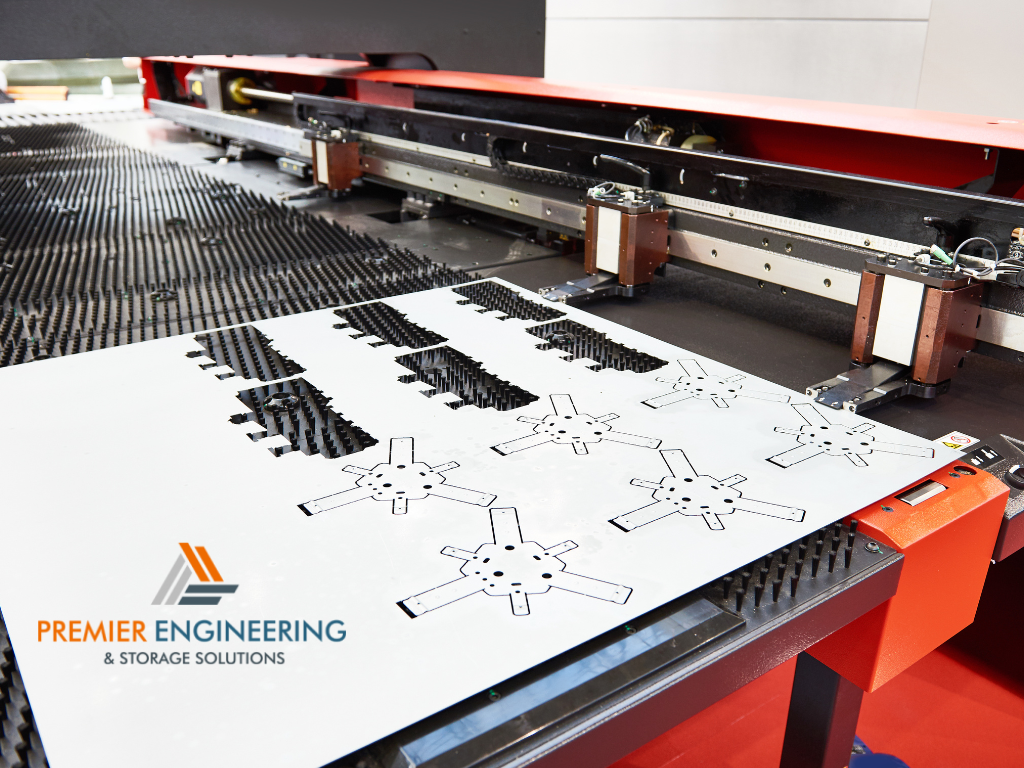
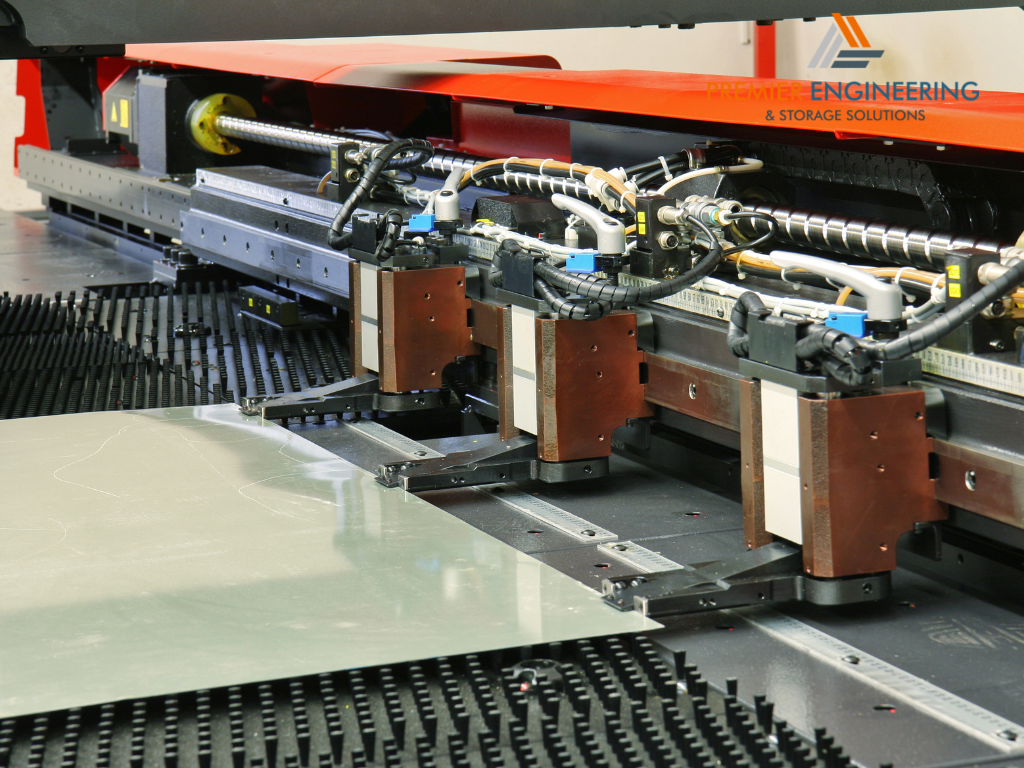
    Turret punching is a specific type of CNC punching that uses a turret—a rotating drum with multiple punching tools attached—to perform a series of punches on the material. The primary difference between turret punching and standard CNC punching lies in the tool setup and the machine’s configuration. While CNC punching typically uses a single tool or a limited set of tools, turret punching can switch between different tools quickly, allowing for more complex and varied punching patterns in a single operation. This makes turret punching particularly useful for producing parts with multiple holes, shapes, or intricate designs.

    Tips for Choosing the Right Turret Punching Services

    Selecting the right turret punching services requires careful consideration of several factors:

    • Material Compatibility: Ensure that the service provider can handle the type of material you need, whether it’s aluminum, stainless steel, or another metal.
    • Project Complexity: Consider the complexity of your design. Turret punching is ideal for parts that require multiple operations, such as different hole sizes or shapes.
    • Turnaround Time: Check the provider’s ability to meet your deadlines. High-volume projects may require a provider with advanced machinery capable of rapid production.
    • Experience and Expertise: Look for a service provider with a proven track record in turret punching, particularly in your industry.

    Leveraging CNC Cutting Services for Complex Projects

    Integrating CNC Cutting with CNC Punching

    For projects that require both cutting and punching, integrating CNC cutting services with CNC punching can be a highly effective approach. CNC cutting uses a computer-controlled machine to cut materials into precise shapes, often complementing the work done by a CNC punching machine. By combining these two processes, manufacturers can achieve more complex geometries and finer details that would be challenging with punching alone. This integration is particularly beneficial in industries that require intricate parts, such as aerospace or electronics, where precision and complexity are critical.

    Maximizing Efficiency with Combined Services

    When CNC cutting and punching services are combined, the overall production process becomes more streamlined. This efficiency comes from the ability to perform multiple operations in a single setup, reducing the need for multiple machines and handling. The result is a faster turnaround time and lower production costs. Additionally, combining these services can reduce material waste, as the cutting and punching can be optimized to make the best use of the material. This is particularly important in industries where material costs are high, and sustainability is a priority.

    The Role of Laser Cutting in Enhancing CNC Punching Outcomes

    cnc cutting services

    Laser Cutting vs. CNC Punching: When to Use Each

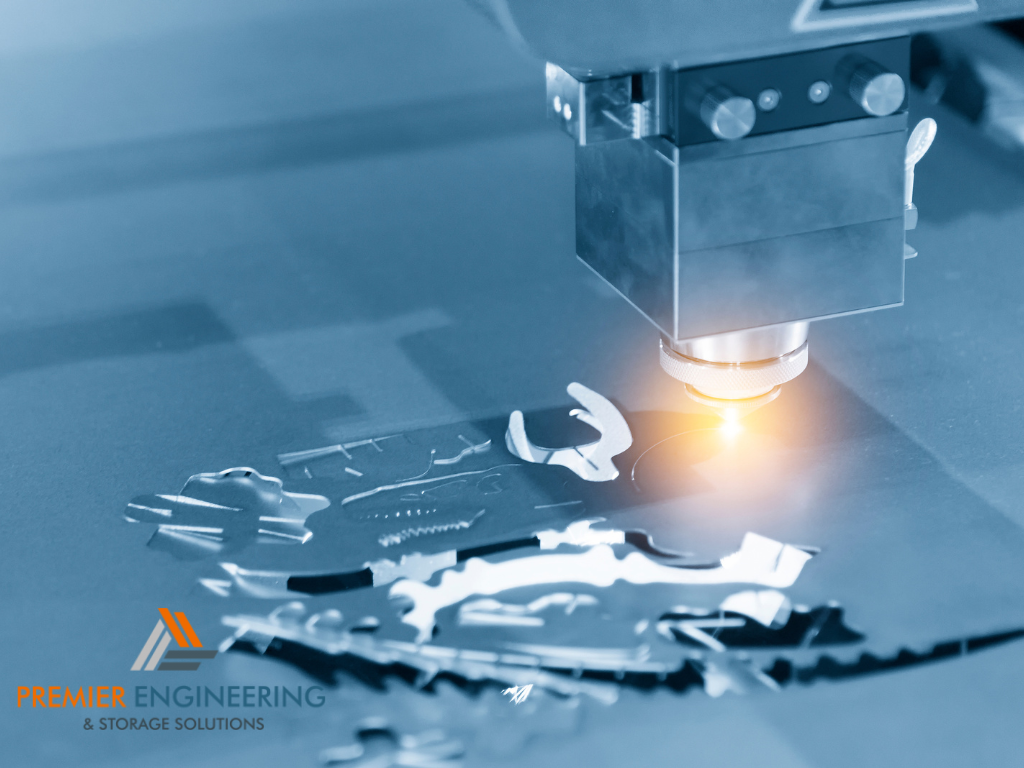
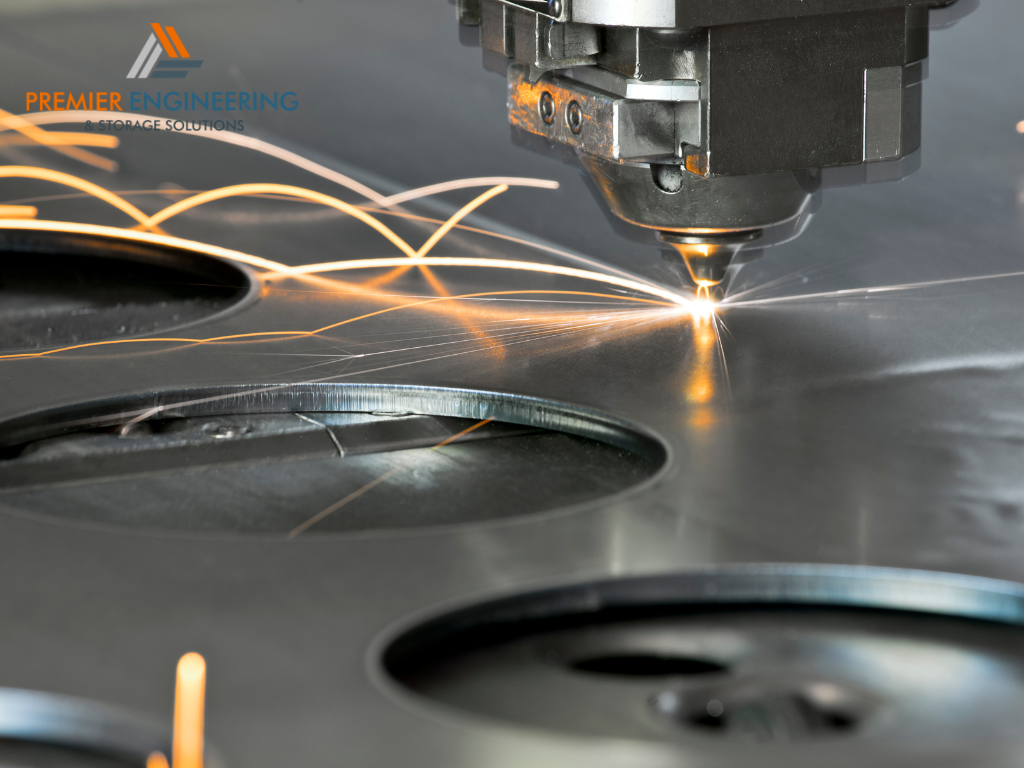
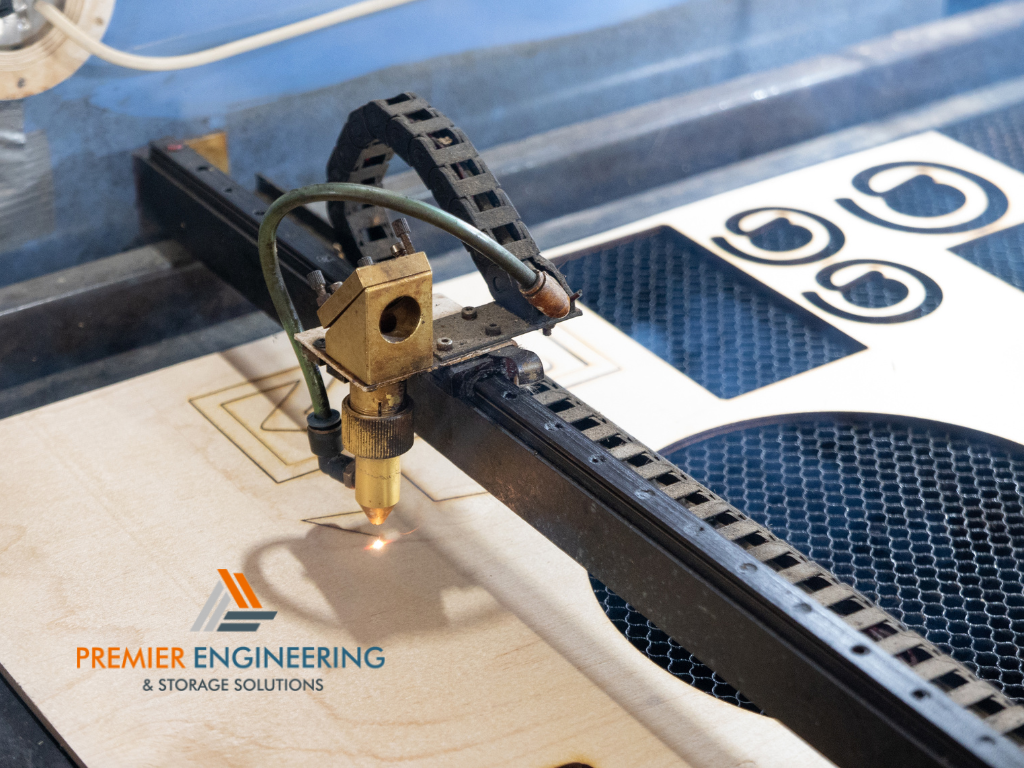
    Laser cutting and CNC punching are both widely used in manufacturing, but they serve different purposes depending on the project’s requirements. Laser cutting uses a high-powered laser to cut materials with extreme precision, making it ideal for intricate designs and tight tolerances. CNC punching, on the other hand, is better suited for creating holes or shapes in thicker materials where speed and durability are required. When deciding between the two, consider the material thickness, the complexity of the design, and the precision needed. For example, laser cutting is often preferred for thin materials or detailed patterns, while CNC punching is more efficient for thicker materials with simpler designs.

    Integrating Laser Cutting with CNC Punching for Precision

    In some cases, integrating laser cutting with CNC punching can offer the best of both worlds. By using laser cutting for detailed areas and CNC punching for the more straightforward, structural elements, manufacturers can achieve a high level of precision and efficiency. This combination is especially useful in applications where both intricate design and structural integrity are required, such as in the automotive or aerospace industries. By strategically integrating these two processes, manufacturers can produce parts that meet exact specifications without compromising on speed or quality.

    Understanding Material Considerations for CNC Punching and Cutting

    Choosing the Right Materials for CNC Punching

    Selecting the appropriate material is crucial for the success of CNC punching. The material’s thickness, hardness, and malleability directly influence the punching process. For instance, softer metals like aluminum and copper are easier to punch and form, while harder materials like stainless steel require more force and specialized tooling. When choosing a material, it’s essential to consider not only the end-use of the product but also how the material will behave during the punching process. The right material choice ensures that the punched parts meet the desired specifications without causing excessive wear on the machinery.

    How Material Choice Affects Turret Punching and CNC Cutting

    The material selected for a project also impacts the effectiveness of both turret punching and CNC cutting services. For turret punching, the material’s thickness and hardness determine the types of tools that can be used and the speed at which the process can be completed. Similarly, in CNC cutting, materials that are too thick or hard can slow down the cutting process and increase tool wear. By carefully selecting materials that are compatible with both punching and cutting processes, manufacturers can achieve higher efficiency, reduce waste, and produce parts that meet stringent quality standards.

    Optimizing Design for CNC Punching Efficiency

    laser cutting

    Design Tips for Cost-Effective CNC Punching

    Designing parts that are optimized for CNC punching can significantly reduce production costs and improve efficiency. To achieve cost-effective CNC punching service, it’s important to minimize complex shapes that require multiple punches, avoid sharp internal corners that can cause tool wear, and design with standard tooling sizes in mind. Additionally, using CAD software to simulate the punching process can help identify potential issues before production begins, saving time and reducing the risk of errors. By following these design tips, businesses can ensure that their parts are both functional and economical to produce.

    Balancing Complexity with Practicality in CNC Designs

    While complex designs can offer unique features and functionalities, they also present challenges in the CNC punching process. It’s important to strike a balance between design complexity and practicality. For instance, intricate designs might require special tooling or slower production speeds, which can drive up costs. Simplifying certain elements of the design without sacrificing functionality can make the CNC punching process more efficient and cost-effective. This balance ensures that the final product meets both aesthetic and practical needs while remaining within budget.

    Quality Control in CNC Punching and Cutting Services

    Ensuring Precision Through Rigorous Quality Checks

    Quality control is a critical component of CNC punching and cutting services. Precision is paramount, and even the smallest deviation can lead to parts that are out of specification. Rigorous quality checks, including dimensional inspections, material testing, and visual inspections, are essential to ensure that every part meets the required standards. By implementing a robust quality control process, manufacturers can detect and correct any issues early in the production cycle, preventing costly rework and ensuring customer satisfaction.

    The Role of Technology in Quality Assurance

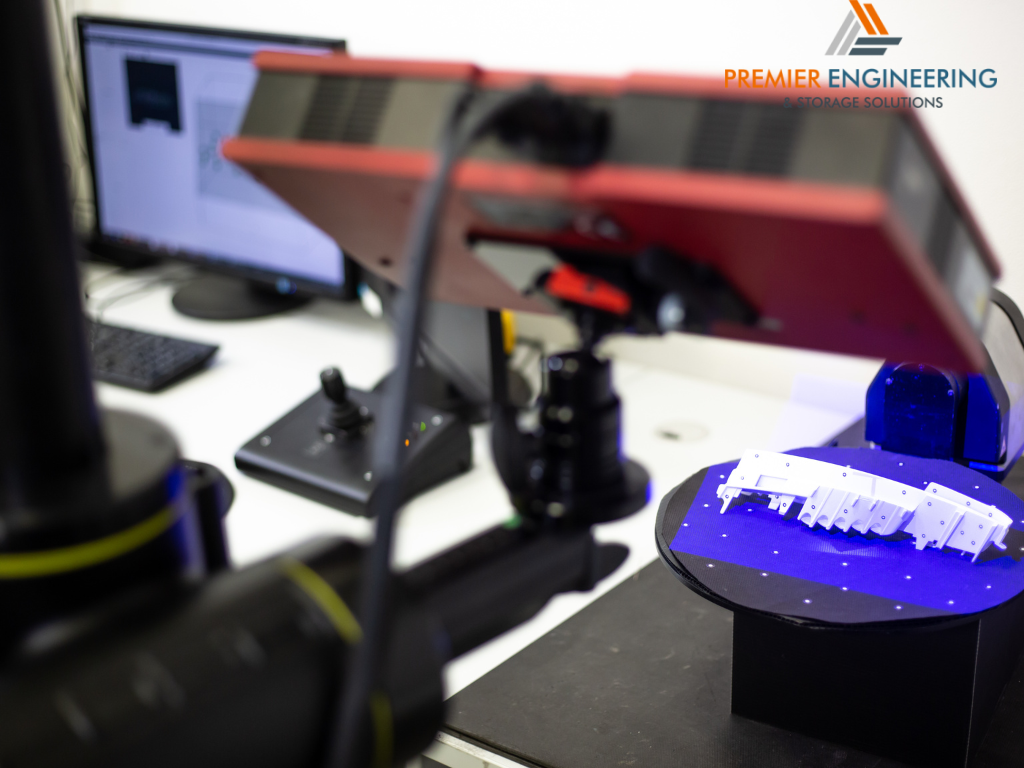
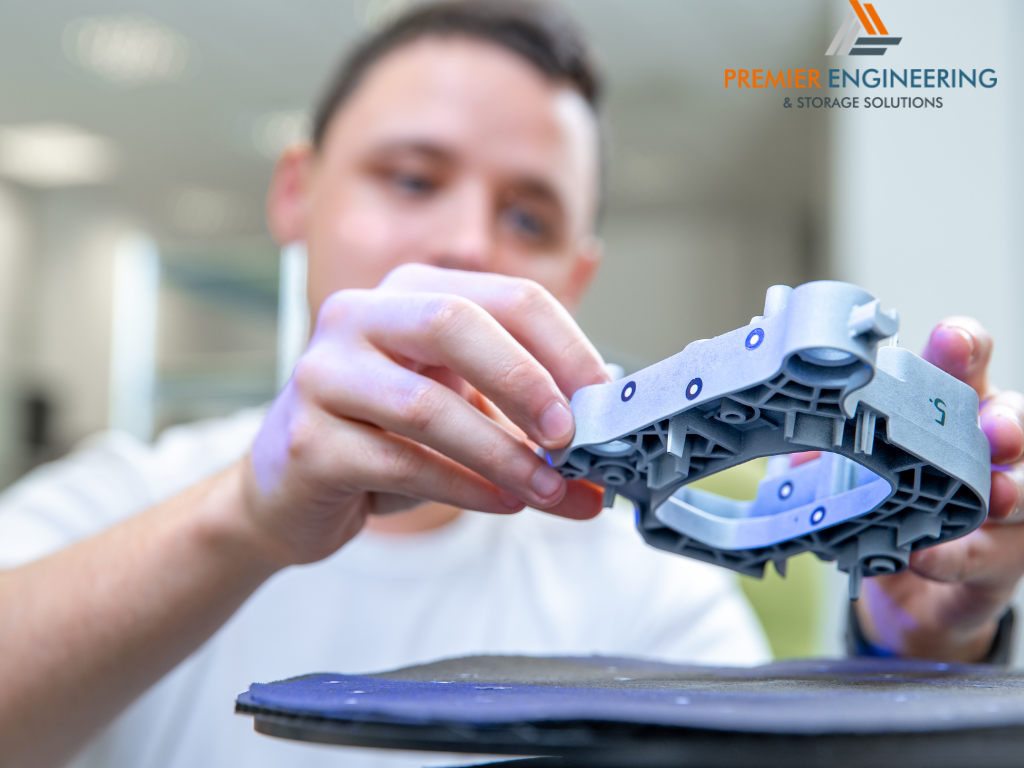
    Advancements in technology have greatly enhanced the quality assurance process in CNC punching and cutting services. Automated inspection tools, such as laser measurement systems and coordinate measuring machines (CMMs), allow for high-precision checks that are faster and more accurate than manual inspections. These tools can detect even the slightest deviations from the design specifications, ensuring that each part meets the highest quality standards. By leveraging these technologies, manufacturers can maintain consistent quality, reduce scrap rates, and improve overall efficiency.

    Maximizing the Benefits of CNC Punching and Related Services

    laser cutting

    Recap of Key Strategies for Effective CNC Punching

    To maximize the benefits of CNC punching services, it’s important to focus on several key strategies. First, choose the right materials that align with the punching and cutting processes. Next, optimize your designs to reduce complexity and production costs. Finally, implement rigorous quality control measures to ensure that every part meets the highest standards. By following these strategies, businesses can enhance their production processes, reduce waste, and achieve greater overall efficiency.

    Final Thoughts on Enhancing Your Production Process

    Continuous improvement is key to staying competitive in today’s manufacturing landscape. By exploring new technologies and methodologies, such as integrating laser cutting with CNC punching or leveraging advanced quality control tools, businesses can further enhance their production processes. Staying ahead of the curve in terms of efficiency, quality, and innovation will ensure long-term success in an increasingly demanding market.
  • How to Prepare Your Design for CNC Cutting Services

    How to Prepare Your Design for CNC Cutting Services

    Proper preparation is the foundation of successful CNC cutting services. Whether you’re working on a project for laser cutting, steel metal cutting, or sheet metal manufacturing, a well-prepared design ensures precision and efficiency.

    By investing time in preparing your files and materials, you can save money, reduce waste, and achieve top-quality results. Well-prepared designs also make the process smoother for the laser cutting service, helping you get the desired outcome faster.

    What Are the Essential Steps to Start Your CNC Design?

    Understanding the Basics of CNC Design Files

    CNC cutting relies heavily on the accuracy of your design files. Most machines work with specific file types like DXF, DWG, or AI, as these formats allow for precise cutting paths. These files communicate the dimensions and shapes to the CNC machine, ensuring accurate cuts.

    If you’re not familiar with creating these file types, many design software programs offer templates specifically for CNC cutting services. Getting your design into the correct format is one of the most important steps in preparing for cutting.

    Choosing the Right Material for Your Project

    Your material choice directly impacts the cutting process and final product. For projects requiring durability, steel metal cutting is an excellent option. For intricate designs, lightweight materials like aluminium or plastic may be more suitable.

    When preparing for sheet metal manufacturing, consider factors such as thickness, finish, and project requirements. Consulting your laser cutting service provider can help you choose the best material for your design and intended use.

    How to Optimise Your Design for Precision Cutting?

    laser cutting

    Simplifying Your Design for Efficiency

    Complex designs may look impressive, but they can increase production time and costs. Simplifying your design while maintaining its functionality is a great way to achieve efficient and precise cuts.

    Avoid unnecessary details or excessive curves that can complicate the cutting process. Clean, straightforward designs are easier for CNC cutting services to execute with accuracy.

    Allowing for Material Thickness and Tolerances

    Material thickness plays a key role in creating accurate cuts. Whether you’re working on steel metal cutting or sheet metal manufacturing, your design must account for the material’s dimensions.

    Adding tolerances—small allowances for material expansion or contraction—ensures that the final product fits together perfectly, especially in multi-part assemblies. Always consult your laser cutting service provider for guidance on material-specific tolerances.

    Why File Formats Matter for CNC Cutting Services?

    Common File Types Accepted by Laser Cutting Machines

    Not all file formats work with every CNC machine. The most commonly accepted formats for laser cutting include SVG, EPS, DXF, and CAD files. These formats ensure the machine can accurately follow the cutting paths defined in your design.

    Before submitting your project, confirm the required file format with your laser cutting service provider. This step avoids delays and ensures the process runs smoothly.

    How to Convert or Export Your Design to the Right Format

    If your design isn’t in the required format, don’t worry—most design software allows you to export files into compatible formats. For instance, Adobe Illustrator files can easily be converted into DXF or SVG files suitable for CNC cutting services.

    Always double-check the exported file to ensure that no details were lost during conversion. This simple step can save time and ensure your design is ready for cutting.

    How to Ensure Your Design is Compatible with Laser Cutting?

    steel metal cutting

    Avoiding Overlapping Lines and Open Paths

    Overlapping lines or open paths in your design can confuse CNC machines, leading to errors or incomplete cuts. Carefully review your design to eliminate any redundant or overlapping elements.

    For precise laser cutting, make sure all paths are closed. This ensures the cutting machine can follow the design accurately, resulting in clean, professional cuts.

    What Role Do Material Properties Play in CNC Design?

    Understanding Material Limitations for Steel Metal Cutting

    When working on projects involving steel metal cutting, it’s essential to understand the material’s properties. Factors like hardness, thickness, and heat resistance can affect the cutting process. For instance, thicker steel requires more powerful cutting tools and precise settings to ensure clean cuts.

    Heat resistance is another important consideration. Steel can heat up during cutting, which might affect the edges if not managed properly. Knowing these limitations helps you choose the right cutting method and settings, ensuring a high-quality result.

    Selecting the Right Material for Sheet Metal Manufacturing

    Choosing the right material for sheet metal manufacturing is a balancing act. Durability, cost, and finish are key factors to consider. For instance, aluminium is lightweight and cost-effective but may not be as strong as steel for heavy-duty applications. Stainless steel, on the other hand, offers excellent durability and a polished finish but comes at a higher price.

    The intended use of the product will guide your material choice. Always consult with your laser cutting service provider to select the most suitable material for your design and budget.

    How to Add Text or Patterns to Your CNC Design?

    sheet metal manufacturing,

    Adjusting Font Sizes and Line Weights for Laser Cutting

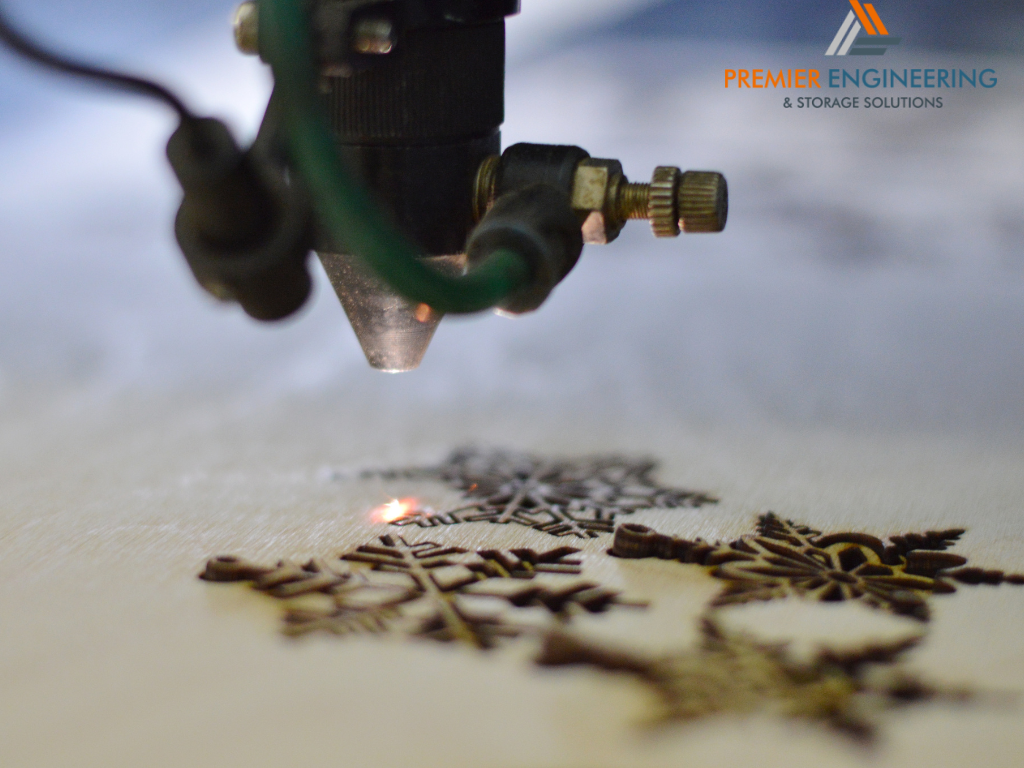
    Adding text or patterns to your CNC design can enhance its functionality or aesthetics, but it’s important to ensure they’re legible and precise. For text, use clean, simple fonts with appropriate spacing and line thickness. Thin lines or small fonts may not cut properly, especially in laser cutting processes.

    Always test your design with a mock-up or digital preview to ensure readability. Adjusting font sizes and line weights before submitting your design ensures smooth execution and avoids costly mistakes.

    Creating Decorative Patterns with Precision

    Decorative patterns can add a unique touch to your project, whether for branding, aesthetics, or functionality. For laser cutting tools, designs with sharp corners, clear paths, and consistent spacing work best.

    Use software to ensure patterns are symmetrical and don’t overlap, as this could confuse the cutting machine. By fine-tuning your patterns and keeping them compatible with CNC cutting services, you can achieve flawless decorative elements.

    How to Work with a Laser Cutting Service to Finalise Your Design?

    Sharing Your Design and Specifications

    To get the best results, provide your laser cutting service with detailed specifications. This includes the type of material, desired thickness, finish preferences, and any tolerances for fitting. A clear, detailed file ensures that the service provider understands your vision and executes it accurately.

    Double-check your file format and ensure it’s compatible with their machinery (e.g., DXF, DWG, or SVG). The more information you provide, the smoother the process will be.

    Collaborating with Experts to Perfect Your Design

    Working with professionals in CNC cutting services can significantly improve your design. They can offer insights into optimising your file, selecting the right material, and choosing the best cutting method.

    Don’t hesitate to ask for feedback or suggestions. Experienced providers can spot potential issues and recommend adjustments that enhance the final product, whether it’s for steel metal cutting or sheet metal manufacturing. Collaboration ensures that your design moves from concept to reality seamlessly.

    Perfect Designs for Perfect CNC Cuts

    laser cutting service

    Recap the Importance of Design Preparation

    Preparing your design carefully is the key to achieving precision and quality in CNC cutting services. From selecting the right file format to choosing appropriate materials for laser cutting or sheet metal manufacturing, every detail matters.

    Proper preparation not only enhances the outcome but also saves time and reduces costs. By investing in the preparation phase, you can avoid errors and achieve flawless results.

    Partner with Experts for the Best Results

    Collaborating with a trusted laser cutting service ensures that your designs are executed to perfection. Experienced professionals can bring your ideas to life, whether you’re working on steel metal cutting projects or intricate decorative patterns.

    With thoughtful preparation and expert guidance, achieving exceptional results has never been easier. Start your CNC cutting journey today and turn your designs into high-quality, finished products!

  • How Precise Are Turret Punching Services for Complex Project

    How Precise Are Turret Punching Services for Complex Project

    Turret punching services are celebrated for their exceptional precision and reliability. These machines use advanced tools and a rotating turret system to punch shapes, holes, and patterns into metal sheets with pinpoint accuracy.

    The process is guided by computer programming, ensuring each punch is performed exactly where it’s needed. This makes turret punching perfect for projects requiring intricate details and consistent results across large production runs.

    Can it handle small and intricate shapes?

    Yes, turret punching services excel at creating small and intricate shapes. The flexibility of the turret press allows for detailed patterns, tight tolerances, and complex designs. With a variety of tools available, it can produce everything from simple holes to custom shapes with ease.

    This capability makes turret punching ideal for applications like metal storage cabinets and industrial shelving units, where precise features are essential for functionality and aesthetics.

    How Does Turret Punching Compare to CNC Cutting Services?

    cnc cutting services

    What are the key differences?

    Both turret punching services and CNC cutting services are valuable for metal fabrication, but they differ in their approach and applications.

    • Turret Punching: Best for repetitive tasks like creating perforations, slots, and standard shapes quickly and efficiently.
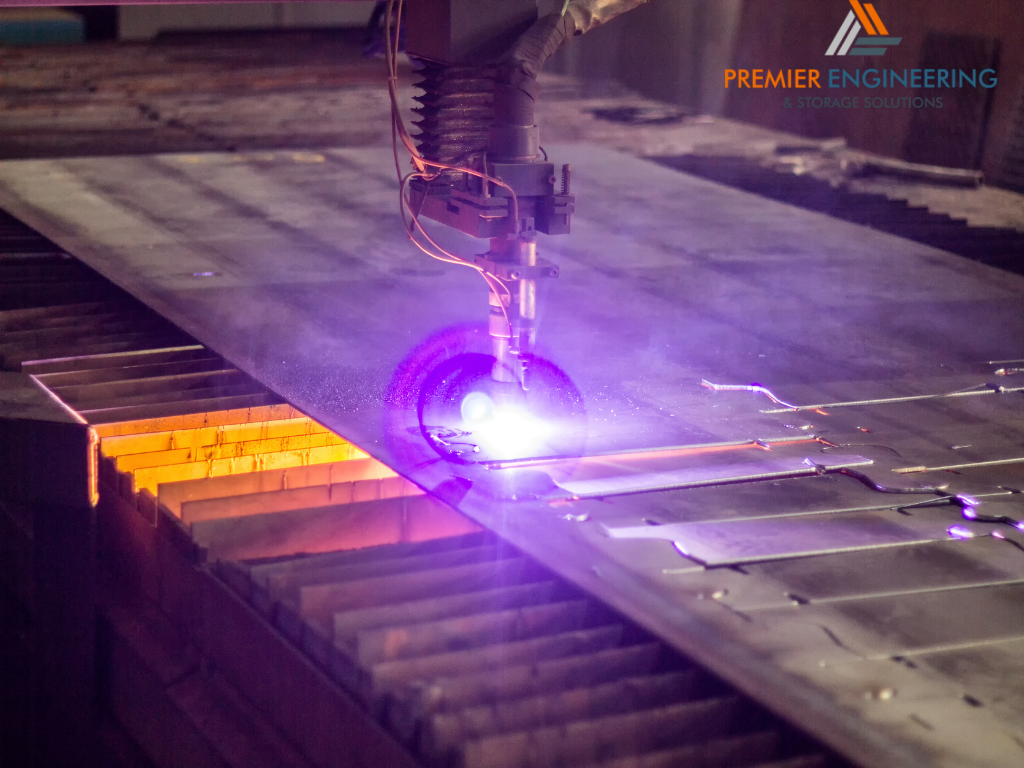
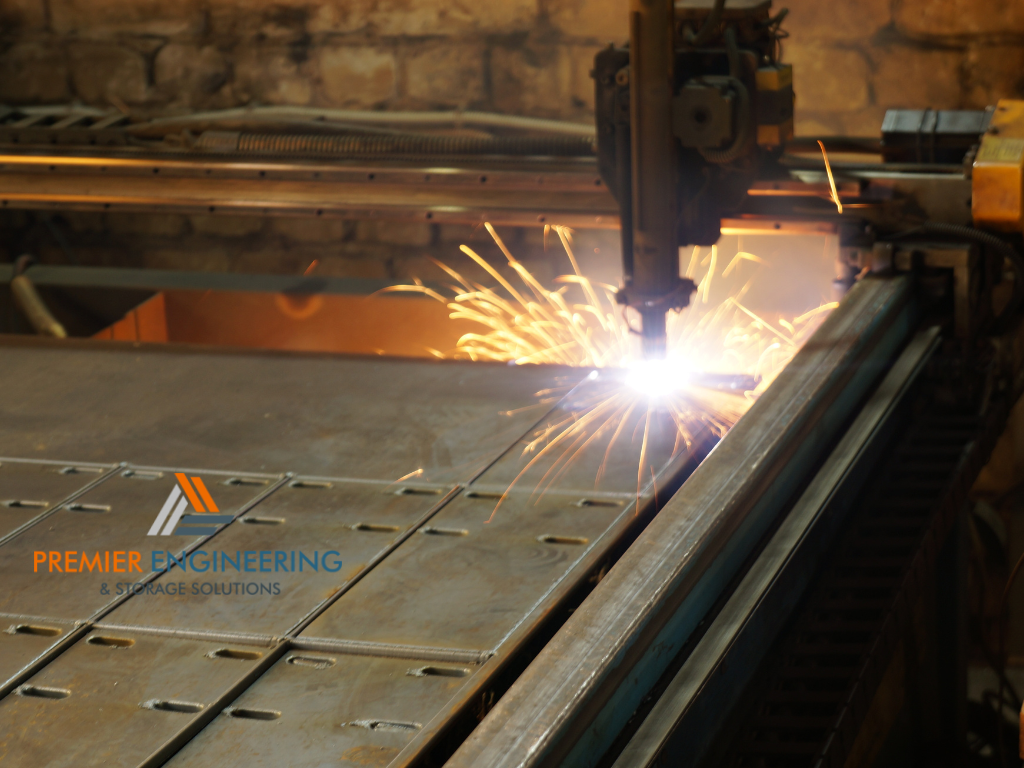
    • CNC Cutting: Utilises cutting-edge technology, such as lasers or plasma, for detailed and intricate cuts, especially in thicker or non-flat materials.

    Turret punching is often faster for high-volume projects, while CNC cutting is preferred for more complex or decorative designs.

    When should you choose turret punching over CNC cutting?

    Choose turret punching services when you need:

    • High-speed production for large batches.
    • Repetitive shapes like those found in industrial shelving units.
    • Cost-effective fabrication for thinner metal sheets.

    For projects requiring fine-edge finishes or non-standard contours, laser cutting or CNC cutting services might be a better fit.

    Can Turret Punching Create Custom Features for Metal Storage Cabinets?

    What customisation options are available?

    Turret punching services are perfect for customising metal storage cabinets. They can add:

    • Ventilation holes: Ensuring airflow for stored items.
    • Slots and mounting holes: Allowing for easy assembly or attachment of accessories.
    • Unique patterns: Adding aesthetic appeal while maintaining functionality.

    These features are achieved with high precision, ensuring the cabinets are both functional and visually appealing.

    Why is precision important for storage solutions?

    Precision is critical for storage solutions like metal storage cabinets because every component must fit perfectly. Poorly aligned holes or patterns can affect the structural integrity and usability of the cabinets.

    Turret punching ensures consistent accuracy, allowing cabinets to meet exact specifications. This makes them reliable for heavy-duty use in industries like manufacturing, logistics, and warehousing.

    How Are Industrial Shelving Units Enhanced by Turret Punching?

    laser cutting

    What features can turret punching add?

    Industrial shelving units benefit greatly from the precision and versatility of turret punching services. Key features include:

    • Perforations for airflow: Prevents moisture build-up and enhances storage safety.
    • Custom slots and labels: Makes shelving units adaptable and easy to organise.
    • Reinforced holes for bolting: Adds strength and stability to support heavy loads.

    These features improve the functionality and durability of shelving units, making them a preferred choice for industrial use.

    Why choose turret punching for shelving projects?

    Turret punching is ideal for shelving projects because of its ability to handle high volumes while maintaining accuracy. Durable materials, like steel and aluminium, can be processed without compromising quality.

    Moreover, the process is cost-effective, ensuring industrial shelving units are manufactured efficiently without sacrificing the customisation options needed for various applications.

    What Tools and Technology Support Precise Turret Punching Services?

    How do modern machines ensure accuracy?

    Modern turret punching machines are equipped with advanced technology to ensure exceptional accuracy. These machines use computer-controlled systems, often referred to as CNC (Computer Numerical Control), to guide the punching process.

    This precision eliminates human error, ensuring each punch is placed exactly where it should be. Additionally, the use of advanced tooling allows the machine to switch between different shapes and sizes quickly, making it versatile for various projects.

    What role does technology play in consistency?

    Automation plays a significant role in maintaining uniformity, especially in large-scale projects. Once the program is set, the machine can repeat the punching process hundreds or thousands of times without deviation.

    This level of consistency is essential for projects like metal storage cabinets and industrial shelving units, where every piece must align perfectly for assembly. Modern tools and technology ensure reliable results, even for complex or bulk orders.

    Can Turret Punching Be Combined with Laser Cutting?

    industrial shelving units

    How do these methods complement each other?

    Turret punching services and laser cutting are complementary techniques that, when combined, can produce outstanding results. Turret punching excels at creating repetitive features like perforations, slots, and mounting holes.

    Laser cutting, on the other hand, is perfect for intricate edges and non-standard shapes. Together, they allow for designs that are both functional and aesthetically pleasing, providing the best of both worlds.

    What are the benefits of combining both techniques?

    Combining turret punching with laser cutting offers several advantages:

    • High-quality results: Achieve sharp edges and precise patterns.
    • Multifunctional products: Produce items like decorative panels, shelving units, or enclosures that require a mix of functional and aesthetic features.
    • Cost efficiency: Use turret punching for repetitive tasks and laser cutting for detailed work to optimise time and resources.

    This approach ensures that every part of the project is completed to the highest standard.

    What Factors Impact the Precision of Turret Punching Services?

    How do material thickness and type affect results?

    Material properties play a significant role in the precision of turret punching. Thicker materials like steel may require more force, which can slightly affect the sharpness of the punch. Conversely, thinner materials like aluminium are easier to process but may deform if not handled correctly.

    The type of material also matters. For example:

    • Stainless steel: Requires robust tooling due to its hardness.
    • Aluminium: Lightweight and easier to punch, but more prone to scratches.

    Understanding these factors ensures the right approach for each project.

    Why does tooling quality matter?

    High-quality tools are essential for achieving clean and precise cuts. Worn or low-grade tooling can result in jagged edges, inaccurate shapes, or damage to the material.

    For applications like industrial shelving units, where durability and precision are critical, using top-tier tools ensures a professional finish and long-lasting performance.

    How Can Turret Punching Meet the Demands of Custom Projects?

     metal storage cabinets

    What industries benefit from custom turret punching?

    Turret punching services are versatile and widely used across various industries, including:

    • Storage solutions: Custom designs for metal storage cabinets and shelving.
    • Construction: Components for structural frameworks and decorative panels.
    • Manufacturing: Parts for machinery, enclosures, and electronic housings.

    These industries rely on turret punching for its ability to create tailored solutions quickly and efficiently.

    How does turret punching handle high-demand projects?

    Turret punching is ideal for high-demand projects because of its speed and efficiency. Machines can process large quantities of material in a short time while maintaining accuracy.

    For example, mass-producing industrial shelving units or perforated panels is seamless with turret punching. Its reliability ensures consistent results, even when dealing with bulk orders, making it an invaluable tool for meeting custom project needs.

  • Economic Impact of the Steel Fabrication Industry

    Economic Impact of the Steel Fabrication Industry

    Steel fabrication is a critical process in manufacturing that involves cutting, bending, and assembling steel to create various structures and products. This process is essential across multiple industries, including construction, automotive, and shipbuilding, due to steel’s durability and versatility. The ability to fabricate steel into a wide range of shapes and sizes allows industries to achieve designs that meet specific functional and aesthetic requirements.

    Advancements in Fabrication Technology

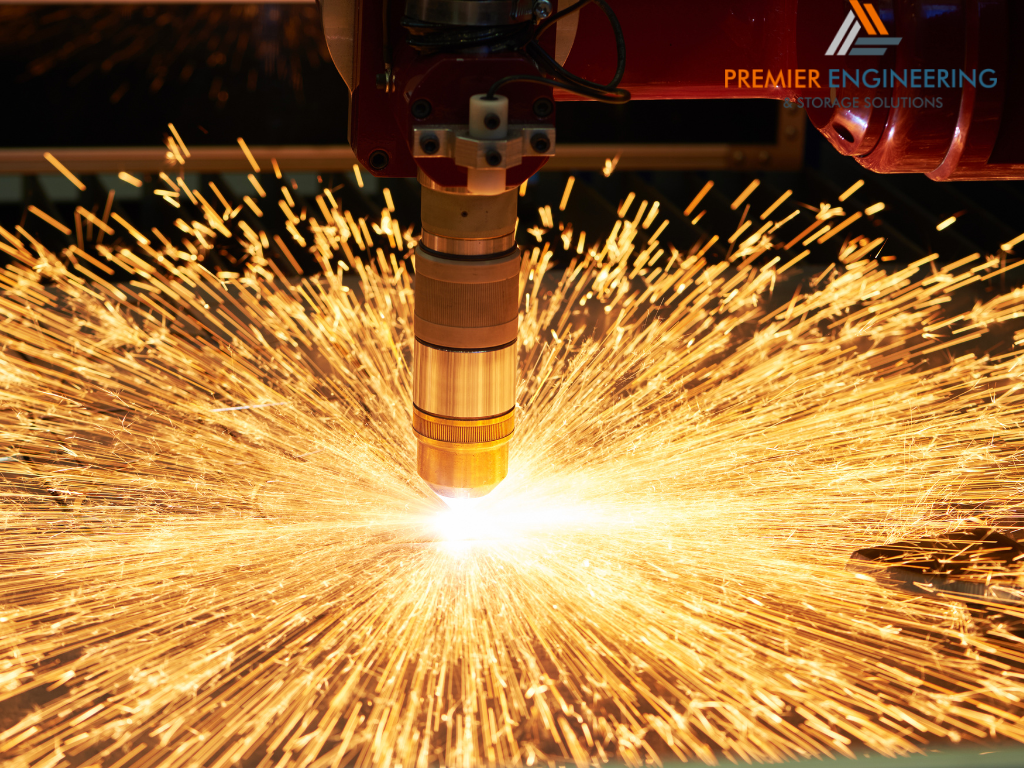
    The field of steel metal fabrications has seen significant technological advancements, particularly with the integration of automation and precision tools. Laser cutting, one of the most notable innovations, has revolutionized how steel is cut, offering unmatched precision and efficiency. This technology allows for intricate cuts without physical contact with the material, minimizing wear and tear and improving the quality of the final product.

    Steel Laser Cutting Services

    steel metal fabrications

    Overview of Steel Laser Cutting

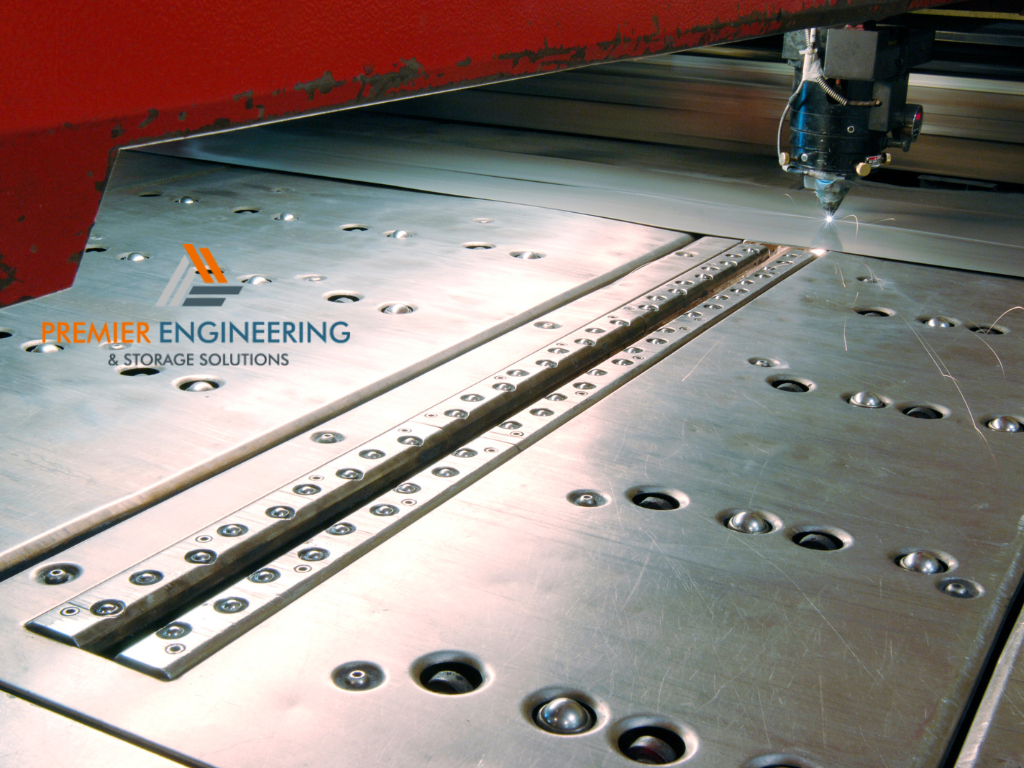
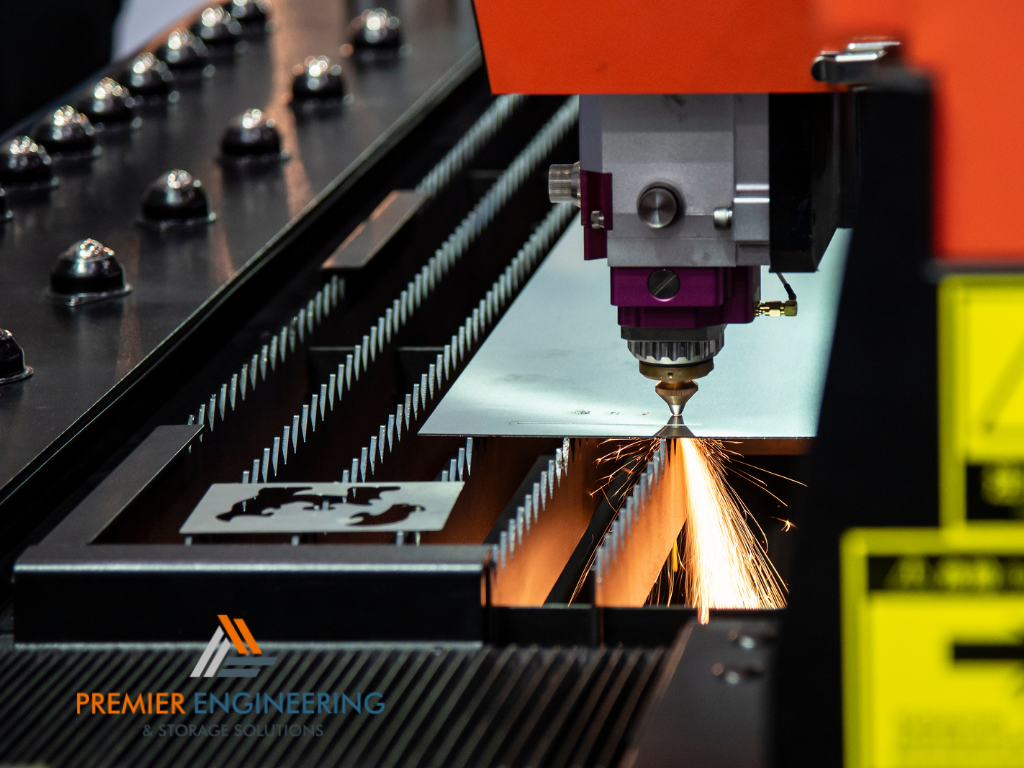
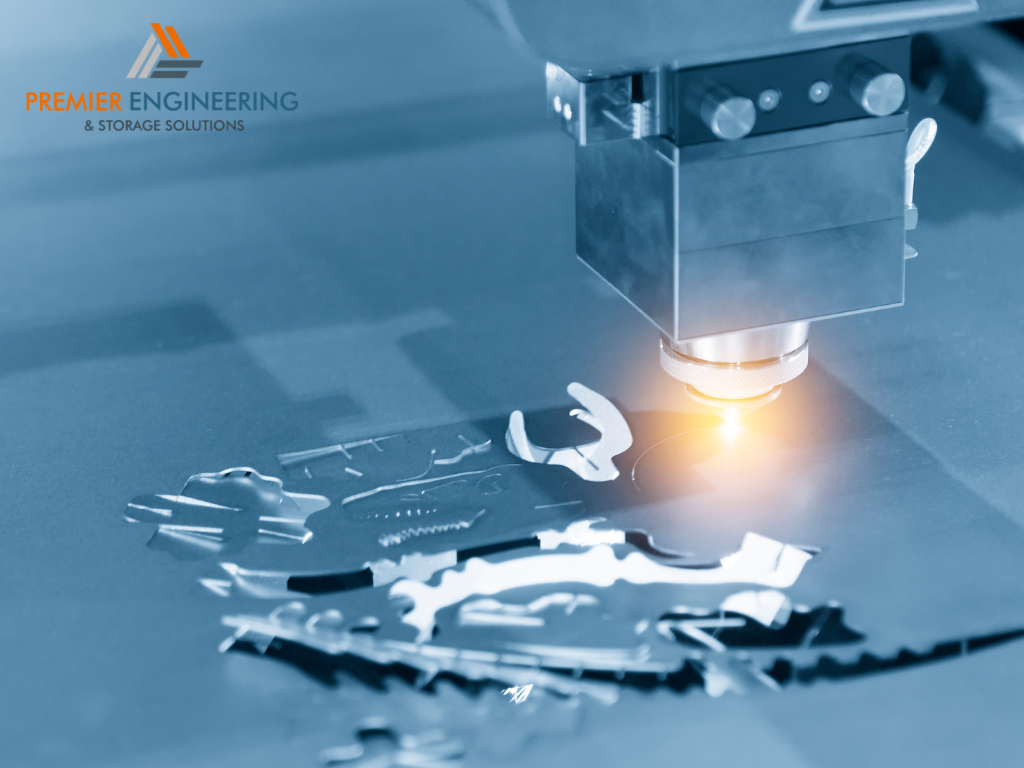
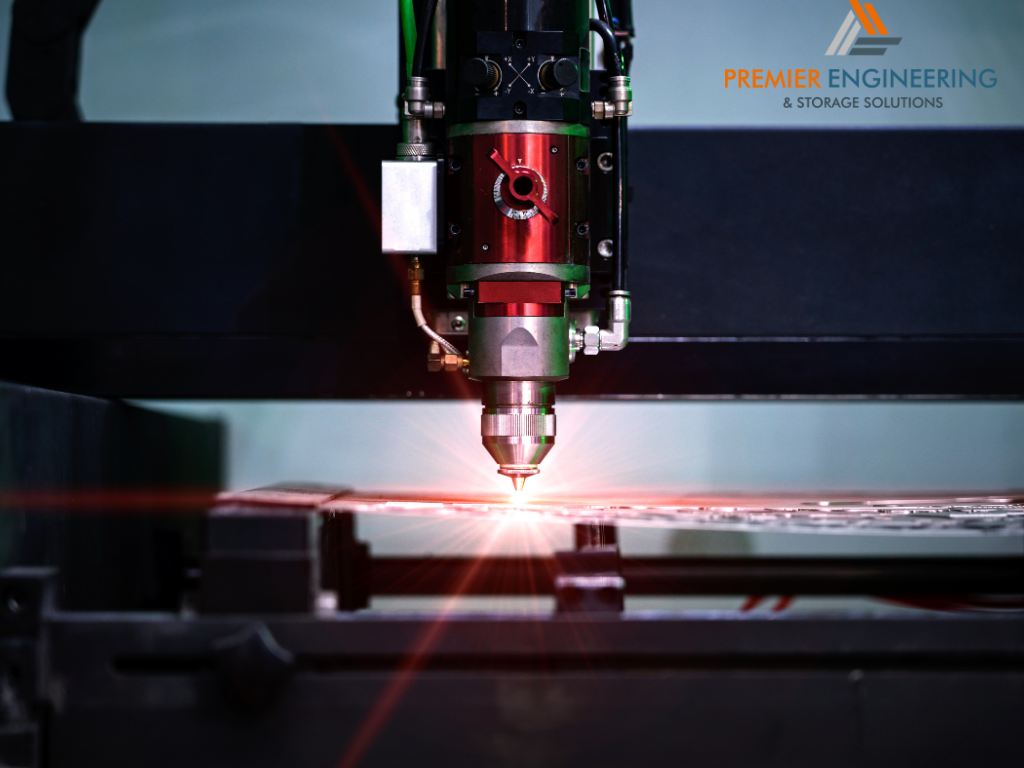
    Steel laser cutting employs a high-powered laser beam to cut through steel with precision. This process is controlled by computer numerical control (CNC) systems, which ensure high precision and consistency across multiple cuts. Two primary types of lasers are used in steel cutting: CO2 lasers, which are traditional and widely used due to their efficiency in cutting through thick steel plates, and fiber lasers, which are newer and faster with a higher efficiency in electricity conversion.

    Benefits of Laser Cutting in Fabrication

    Laser cutting stands out in the fabrication process for several reasons:

    • Precision and Efficiency: Laser cutting provides unparalleled precision, which is crucial for complex designs and tight tolerances required in high-specification industries.
    • Repeatability: With CNC control, laser cutting can produce consistent results across high-volume orders, essential for large projects requiring uniformity.

    Applications of Laser Cut Steel Components

    Industrial Applications

    Laser-cut steel components are integral in industries that demand precision and reliability. In the automotive industry, laser cutting is used to fabricate parts with precise dimensions that are crucial for safety and performance. Aerospace applications similarly rely on the accuracy of laser-cut pieces to meet strict regulatory standards.

    Innovative Uses in Design

    Beyond industrial applications, laser-cut steel is also used in more creative and architectural contexts. It enables architects and designers to realize unique and intricate designs that were previously not possible. From decorative elements in buildings to bespoke furniture, laser-cutting opens up new possibilities in both aesthetics and functionality.

    Integrating Laser Cutting with Other Fabrication Techniques

    steel laser cutting services

    Complementary Techniques

    Laser cutting is often integrated with other fabrication methods such as bending, welding, and assembly to streamline production processes. This integration allows for the creation of complex structures and components with high precision and minimal processing time. By combining laser cutting with bending, for example, manufacturers can produce parts that are ready for assembly almost immediately after cutting, reducing the need for secondary processing.

    Challenges and Solutions in Steel Laser Cutting

    Technical Challenges

    The precision of laser cutting, while beneficial, also presents challenges such as the potential for material warping due to high heat input. Solutions include optimizing laser settings for speed and power, using assist gases to enhance cut quality, and employing advanced cooling techniques to manage heat impact.

    Optimizing Operations

    Efficiency in laser cutting operations can be improved by regularly maintaining equipment, using software to optimize nesting and reduce material waste, and training operators to handle various materials and thicknesses effectively.

    Future of Steel Laser Cutting Services

    Technological Innovations

    The future of steel laser cutting is promising, with potential advancements in laser technology, such as increased cutting speeds and the ability to cut thicker materials more efficiently. Innovations in automation and data analytics are also expected to enhance the precision and efficiency of laser cutting machines.

    Market Trends

    The market for laser cutting services is anticipated to grow due to increased demand from industries such as automotive, aerospace, and construction. The shift towards customization and rapid prototyping is also driving the adoption of advanced laser cutting solutions.

    Choosing a Steel Laser Cutting Service Provider

    steel metal fabrications

    Criteria for Selection

    Selecting a steel laser cutting service involves several critical considerations to ensure high-quality outcomes. Important factors include:

    • Capacity: Assessing the provider’s capability to handle the volume of work required.
    • Expertise: Evaluating the technical and operational knowledge of the provider in steel laser cutting.
    • Equipment: Ensuring the provider uses state-of-the-art technology that can meet the specific needs of your projects.

    Partnering for Success

    Building a successful partnership with a laser cutting service provider is crucial for long-term benefits. Tips include:

    • Communication: Establish clear and consistent lines of communication.
    • Collaboration: Work closely with the provider to align objectives and expectations.
    • Feedback and Adjustment: Regularly provide and receive feedback to fine-tune processes and improve outcomes.

    Conclusion

    The field of steel metal fabrications is continually evolving with advancements in technology. Embracing innovative approaches and technologies in steel laser cutting not only enhances capability but also provides a competitive edge in the marketplace. Businesses are encouraged to explore new methods and technologies to stay ahead in the industry.

  • Laser Cutting in Automotive: Innovation and Application

    Laser Cutting in Automotive: Innovation and Application

    Laser cutting technology has become a cornerstone in the automotive industry, revolutionizing how vehicles are designed and manufactured. This advanced fabrication method offers unparalleled precision, speed, and flexibility, allowing automotive manufacturers to push the boundaries of innovation and efficiency. The adoption of laser cutting in automotive processes signifies a shift towards more sophisticated production techniques that align with the industry’s growing demands for quality, customization, and sustainability.

    Laser cutting’s significance in automotive manufacturing and design cannot be overstated. It enables the production of complex components with intricate details that would be difficult, if not impossible, to achieve with traditional cutting methods. Moreover, its ability to work with a wide range of materials supports the industry’s exploration of new designs and the integration of novel materials into vehicle construction, further contributing to advancements in safety, performance, and aesthetic appeal.

    Laser Cutting Technologies in Automotive Manufacturing

    laser cutting service

    Overview of Laser Cutting Processes

    The automotive industry employs various laser cutting technologies, with CO2 and fiber lasers being the most prevalent. CO2 lasers, known for their versatility, are used extensively for cutting, engraving, and even welding a wide range of materials, including metals, plastics, and composites. Fiber lasers, on the other hand, offer advantages in cutting reflective materials like aluminum and copper alloys, which are increasingly used in automotive manufacturing due to their lightweight properties.

    Advantages Over Traditional Cutting Methods

    Compared to traditional mechanical cutting techniques, laser cutting stands out for its precision and efficiency. It eliminates the need for tooling changes and physical contact with the workpiece, reducing wear and the likelihood of material deformation. This non-contact process also minimizes material waste, making it a more sustainable option for automotive production. Furthermore, the high level of automation associated with laser cutting machines enables faster production cycles and supports the industry’s move towards just-in-time manufacturing practices.

    Applications of Laser Cutting in Automotive Production

    laser cutting service

    Body Components and Chassis

    Laser cutting is instrumental in producing body components and chassis with high precision, contributing to vehicles’ lightweight and structural integrity. The technology’s accuracy ensures clean cuts and exact fits, essential for modern automotive designs that rely on complex geometries and tight tolerances to enhance aerodynamics and fuel efficiency.

    Interior Components

    In the realm of interior components, laser cutting is used to create parts with enhanced aesthetics and functionality. From intricate dashboard elements to custom trim pieces, laser cutting allows for the precise fabrication of components that meet the high-quality standards expected by consumers.

    Prototyping

    Rapid prototyping is another area where laser cutting technology shines in the automotive industry. It allows designers and engineers to quickly turn concepts into functional prototypes, accelerating the development process. This agility is crucial in today’s competitive market, where speed-to-market can be a significant advantage.

    Innovations in Automotive Design Enabled by Laser Cutting

    laser cutting service

    Customization

    Laser cutting technology has opened new avenues for customization in the automotive industry, allowing manufacturers to offer personalized vehicle features with unprecedented ease and precision. This technology enables the creation of unique designs, patterns, and components that can be tailored to individual preferences, enhancing customer satisfaction and providing a competitive edge in the market. From custom engraving on metal parts to intricate cutouts on exterior panels, laser cutting facilitates a level of detail and personalization that was previously difficult to achieve.

    Advanced Materials

    Working with advanced materials such as high-strength steels, aluminum, and composites is essential for the development of safer, more efficient vehicles. Laser cutting technology excels in processing these materials, maintaining precision and integrity even with the toughest alloys and composites. The ability to cut through high-strength steels enables the production of lighter, yet durable, vehicle structures, while the precision in cutting aluminum and composites supports the industry’s shift towards lightweight materials for improved fuel efficiency and performance.

    Integration with Other Manufacturing Technologies

    Laser cutting integrates seamlessly with other manufacturing technologies, such as welding, forming, and additive manufacturing, to create complex components and assemblies. This integration enhances the manufacturing process’s flexibility and efficiency, allowing for the development of components that are optimized for performance and manufacturability. For example, laser cutting can be used to prepare parts for welding with extreme accuracy or to cut intricate shapes that complement additive manufactured components, facilitating innovative designs and constructions.

    Improving Efficiency and Sustainability in Automotive Manufacturing

    laser cutting service

    Reducing Waste

    One of the significant advantages of laser cutting is its ability to minimize material wastage. The precision of laser cutting means that parts can be nested closely together on a sheet of material, maximizing utilization and reducing scrap. This not only makes the manufacturing process more sustainable but also reduces costs associated with material procurement and waste disposal.

    Energy Efficiency

    Laser cutting is also recognized for its contribution to energy efficiency in the automotive manufacturing process. Modern laser cutting machines are designed to consume less energy than traditional mechanical cutting methods, contributing to lower overall production costs and reducing the environmental impact of manufacturing operations. This efficiency, combined with the speed of laser cutting, enables manufacturers to achieve higher throughput with less energy consumption.

    Contributing to Lightweighting Strategies

    The precision of laser cutting plays a vital role in automotive lightweighting strategies. By enabling the use of advanced materials and facilitating intricate designs, laser cutting contributes to the production of lighter components without compromising strength or safety. This reduction in vehicle weight is crucial for enhancing fuel efficiency and reducing emissions, aligning with the automotive industry’s goals for sustainability and environmental responsibility.

    Challenges and Solutions in Automotive Laser Cutting

    laser cutting service

    Material Compatibility

    While laser cutting is versatile, challenges arise when working with a diverse range of materials used in automotive manufacturing. Different materials require adjustments in laser settings, such as power, speed, and focus, to achieve optimal results. Manufacturers overcome these challenges by leveraging advanced sensors and control systems that automatically adjust parameters for different materials, ensuring consistent quality and efficiency.

    Maintaining Precision in High-Volume Production

    Ensuring consistent precision in high-volume production is crucial for automotive manufacturers. Advanced calibration and real-time monitoring technologies are employed to maintain the accuracy of laser cutting machines, even under continuous operation. These technologies help identify and correct potential deviations early, ensuring that each part meets stringent quality standards.

    Safety Considerations

    The high-powered lasers used in cutting applications pose potential safety risks, including burns and eye damage. Manufacturers address these concerns by implementing strict safety protocols, such as enclosed cutting areas, safety interlocks, and protective eyewear. Additionally, ongoing training for operators and maintenance personnel ensures that safety measures are understood and followed, minimizing the risk of accidents in the workplace.

    The Future of Laser Cutting in the Automotive Industry

    laser cutting service

    Emerging Trends

    The future of laser cutting in automotive manufacturing looks promising, with several emerging trends poised to further revolutionize the industry. Innovations in laser technology, such as the development of more powerful and efficient laser systems, are expected to enhance cutting speed and material versatility, enabling even more complex and intricate designs. Additionally, the integration of new materials into automotive production, such as ultra-high-strength steels and advanced composites, will continue to drive the need for advanced laser cutting solutions that can handle these challenging materials with ease and precision.

    Another significant trend is the increased use of fiber lasers, which offer advantages in terms of energy efficiency, cutting speed, and maintenance over traditional CO2 lasers. Fiber lasers’ ability to cut reflective materials without back reflections damaging the equipment makes them particularly suited for automotive applications involving aluminum and copper components.

    The Role of Automation and AI

    Automation and artificial intelligence (AI) are set to play a pivotal role in the evolution of laser cutting technology in the automotive industry. Automation of laser cutting processes enables continuous operation with minimal human intervention, increasing production rates and reducing the likelihood of errors. AI, on the other hand, can optimize cutting paths, adjust settings in real-time based on material feedback, and predict maintenance needs to prevent downtime. This integration of AI into laser cutting systems not only enhances precision and efficiency but also allows for adaptive cutting strategies that can adjust to the unique requirements of each component and material type.

    Moreover, the advent of smart factories, where laser cutting machines communicate with other manufacturing systems and devices, will lead to more streamlined and cohesive production lines. These advancements in automation and AI will enable automotive manufacturers to respond more swiftly to market changes and customer demands, facilitating the production of customized and high-quality vehicles at a faster pace.

    Conclusion

    The industry’s ability to adapt and embrace these advancements will be crucial in meeting the future challenges of automotive production, including the demand for more complex designs, the need for sustainability, and the shift towards electric and autonomous vehicles. The continued evolution of laser cutting techniques promises not only to enhance the manufacturing process but also to contribute to the development of safer, more efficient, and more environmentally friendly vehicles.

  • Laser Cutting for Prototyping and Small Batch Production

    Laser Cutting for Prototyping and Small Batch Production

    Laser cutting, a technology that uses a high-powered laser to cut materials, has become a cornerstone in modern prototyping and production processes. Its significance lies in its precision, efficiency, and versatility, making it ideal for various project sizes, from small prototypes to large-scale productions. Laser cutting stands out for its ability to produce intricate designs with clean cuts and fine details, which are essential in both prototyping and small batch production.

    This technology is not limited by the complexity of designs, allowing for a broad range of applications across industries. The versatility of laser cutting makes it suitable for a wide array of materials, including metals, plastics, wood, and composites, thereby catering to diverse project requirements.

    Laser Cutting in the Prototyping Process

    Laser Cutting

    Benefits of Using Laser Cutting for Prototypes

    1. Speed and Precision in Prototyping: Laser cutting accelerates the prototyping process significantly. Its high-speed operation and precision allow for rapid creation of parts with exact specifications. This speed is crucial for iterative design processes where time is of the essence. The precision of laser cutting ensures that even the most intricate designs are accurately replicated, which is vital for testing and validating prototypes.
    2. Flexibility in Design Alterations: One of the key advantages of laser cutting in prototyping is the ease with which design alterations can be made. Unlike traditional manufacturing methods, changes in design do not require new tooling or significant setup changes, thus reducing the time and cost involved in making iterations.

    Material Considerations for Prototyping

    Laser Cutting

    When selecting materials for laser-cut prototypes, it’s important to consider the material properties in relation to the intended use of the prototype. Materials commonly used in laser cutting include acrylic, thin metals, wood, and certain types of foam, each offering different benefits such as durability, aesthetics, and cost-effectiveness. The choice of material will impact the prototype’s functionality, appearance, and feel, as well as the overall cost of the prototyping process.

    Transitioning from Prototype to Production

    Scaling from prototype to small batch production is seamless with laser cutting. The same design files and parameters used for creating prototypes can be employed for small scale production runs, ensuring consistency and accuracy across all units. This transition capability is especially beneficial for custom or niche products where large-scale production is not required.

    Optimising Small Batch Production with Laser Cutting

    Laser Cutting

    Advantages of Laser Cutting for Small Scale Production

    1. Customisation Capabilities and Cost-Effectiveness: Laser cutting is ideal for customised or personalised products often required in small batch production. It allows for high levels of customisation without significant increases in cost. The technology is inherently adaptable, making it cost-effective for producing small quantities of products without the need for expensive moulds or dies.
    2. Maintaining Quality in Limited Runs: Consistent quality is a hallmark of laser cutting, crucial in small batch production where each piece’s integrity is paramount. Laser cutting ensures that each item within a batch meets the same high standards of quality and precision, maintaining uniformity across the production run.

    Challenges in Small Batch Laser Cutting

    Laser Cutting

    While laser cutting offers many advantages, it also comes with its set of challenges in small batch production:

    • Material Limitations: Certain materials can be challenging to cut with a laser, such as reflective metals or materials that produce hazardous fumes when cut.
    • Thickness Limitations: There are limitations to the thickness of material that can be effectively and efficiently cut, which varies depending on the type of laser cutter and material.
    • Cost Considerations: While laser cutting is cost-effective for small batches, the initial setup cost can be significant. The balance between cost and the scale of production needs careful consideration.

    Cost Management for Laser Cutting Projects

    Laser Cutting

    Estimating Costs for Prototyping and Small Batch Production

    The cost of laser cutting projects, especially for prototyping and small batch production, can vary significantly based on several factors. Key considerations include:

    • Material Costs: The type and thickness of the material being cut.
    • Design Complexity: More intricate designs require longer cutting times, increasing costs.
    • Machine Time: The duration the laser cutter is in operation, including setup and actual cutting time.
    • Labour Costs: Expenses related to handling, finishing, and assembly of the laser-cut parts.

    Factors Influencing the Cost

    • Quantity: Larger quantities can often reduce the cost per unit, but this needs to be balanced against the total project budget.
    • Material Utilisation: Efficient layout and nesting of parts on the material sheet can minimise waste and reduce costs.

    Cost-Effective Strategies for Laser Cutting

    To reduce expenses in laser cutting without compromising quality:

    • Optimise Design: Simplify designs where possible to reduce cutting time.
    • Material Selection: Choose cost-effective materials that still meet the project requirements.
    • Batch Production: If feasible, produce larger quantities to benefit from economies of scale.

    Quality Assurance in Laser Cutting for Prototyping and Production

    Laser Cutting

    Ensuring High Quality in Outputs

    Maintaining high quality in laser cutting is critical, particularly for prototypes and small batches where each piece represents a significant portion of the production run. Implementing stringent quality control measures, such as regular machine calibration, precise material handling, and detailed inspections of finished parts, is essential.

    Quality Control Measures for Prototypes and Small Batches

    • Pre-Cutting Checks: Ensuring material quality and proper machine setup.
    • In-Process Inspections: Monitoring during the cutting process to detect any issues early.
    • Post-Cutting Quality Checks: Examining completed parts for accuracy and defects.

    Feedback and Iteration in Prototyping

    The role of client feedback and an iterative design process in prototyping is vital. Continuous communication with clients ensures that their requirements are met and any necessary adjustments are made efficiently. Iterative prototyping, where designs are refined over several iterations based on feedback, leads to a more effective end product.

    Future Trends in Laser Cutting for Prototyping and Production

    Laser Cutting

    Predicting Advancements in Laser Cutting Technology

    The future of laser cutting is expected to see advancements in areas such as increased cutting speeds, enhanced precision, and the ability to cut a wider range of materials. Innovations in software and automation will likely streamline the laser cutting process further, improving efficiency and reducing costs.

    How Future Developments Might Influence Prototyping and Small Batch Production

    Emerging technologies in laser cutting are poised to revolutionise prototyping and small batch production by enabling even more intricate designs, reducing material waste, and offering faster turnaround times. These developments could open new avenues for customisation and complex projects that are currently not feasible or too costly.

    Conclusion

    Laser cutting plays a crucial role in the efficiency and effectiveness of prototyping and small batch production. Its precision, versatility, and adaptability make it an invaluable tool across various industries and project scales. With the ongoing advancements in technology and a strategic approach to cost management and quality assurance, laser cutting continues to evolve as a key technique in modern manufacturing. The future of laser cutting promises even greater possibilities, ensuring its continued relevance and expanding its potential applications.


  • Camden

    Service Area Coverage

    Camden

    Camden’s Reliable Choice for Sheet Metal Manufacturing

    Premier Engineering is a leading manufacturer of sheet metal components, offering their expert services in Camden, Australia. With a wealth of experience across all stages of the development process, they provide comprehensive assistance in designing and producing sheet metal products. From prototyping to production and assembly, they offer a range of services tailored to meet your specific needs in Camden.

    Premier Engineering in Camden

  • The Importance of Welding and Fabrication Services in Commercial Shelves Production

    Storage solutionsStorage solutions play a critical role in organizing our commercial spaces. Among the various types of storage options available, metal shelves, industrial shelving, and metal storage cabinets stand out for their durability and strength. But have you ever wondered how these storage cabinets and shelving units are made? The answer lies in welding and fabrication services. 

    Welding and Fabrication: The Birth of Commercial Shelves 

    Welding and fabrication are integral parts of creating sturdy and reliable commercial shelves. Through a combination of precision engineering services and mechanical engineering solutions, pieces of metal are transformed into functional shelving units. 

    First, let’s understand what welding is. Simply put, welding is a process where two pieces of metal are joined together using heat or pressure. Now, how does this fit into creating commercial shelves? Well, in a metal fabrication workshop, welding is used to join various parts of a shelf together. 

    The Role of CNC Machining Services in Shelf Production 

    The manufacturing of commercial shelves isn’t just about welding pieces together. It’s a lot more intricate. Here is where CNC machining services come into play. CNC, or Computer Numerical Control, is a process used in manufacturing where pre-programmed computer software dictates the movement of machinery. In the case of shelf production, CNC machines help cut and shape metal parts with high precision. 

    CNC machining services offer more than just accuracy. They also increase efficiency and consistency, making them vital for metal manufacturing services producing large volumes of shelving units. 

    Custom Metal Fabrication: Meeting Unique Storage Needs 

    While off-the-shelf storage solutions work for some, many businesses have unique requirements. This is where custom metal fabrication shines. Whether it’s creating industrial shelves for a warehouse or tailor-made storage cabinets for a retail store, custom metal fabrication allows for the design and production of storage solutions to fit specific needs. 

    Sheet metal fabrication companies often employ a machined components supplier who uses advanced tools and techniques to cut, bend, and assemble metal into customized shelving units. 

    The Significance of Welding and Fabrication Services 

    The journey of a piece of metal to becoming a part of your storage solution is fascinating. From welding and fabrication services in the workshop to the use of CNC machining services for precision, a lot goes into creating robust metal shelves and storage cabinets. 

    Through custom metal fabrication, these solutions can be tailored to meet the specific needs of businesses. So, the next time you see a shelving unit, you’ll know the intricate processes and engineering solutions behind its creation. Remember, effective storage solutions are not just about organizing space; they’re about engineering space to work for you. 

    Digging Deeper on Storage Solutions

    Now that we’ve shed some light on how commercial shelves are made, let’s delve deeper into some of your burning questions. 

    Distinction Between Welding and Fabrication 

    You may wonder, “What are the key differences between welding and fabrication?” While these processes often work hand in hand, they are not the same. Fabrication is the overarching process of creating a metal product, which involves several steps, one of which is welding. Welding, as we’ve learned, is the process of joining two pieces of metal together. 

    Companies like Premier Engineering specialize in these processes, employing their expertise in precision engineering services to craft top-quality metal shelves and storage solutions. 

    The Role of CNC Machining in Efficiency and Accuracy 

    Another interesting query to explore is, “How does CNC machining contribute to the efficiency and accuracy of manufacturing industrial shelves and storage cabinets?” Well, the answer lies in the level of precision that CNC machining services provide. 

    When creating shelving units, accuracy is paramount. CNC machines, with their computer-guided machinery, help cut and shape metal components with high precision. This efficiency helps companies like Premier Engineering maintain a high level of quality across all their products, from commercial shelves to custom-built storage cabinets. 

    Considering Custom Metal Fabrication for Your Business 

    Finally, you might be asking, “What factors should I consider when seeking custom metal fabrication for my unique storage needs?” Well, every business is different, and so are its storage needs. Custom metal fabrication allows for the design and production of storage solutions tailored to your specifications. 

    When contemplating custom solutions, consider the space you have, the items you need to store, and the workflow of your operations. A reputable sheet metal fabrication company like Premier Engineering can guide you through this process, helping you design a solution that best fits your needs. 

    Remember, the journey to effective storage solutions is not just about finding a product that fits your space. It’s about finding a solution that fits your operations. It’s about understanding the intricate processes behind each shelving unit’s creation and appreciating the expertise and precision it took to engineer these vital components of your commercial space. 

  • Powder Coating

    Search Results for: sheet metal manufacturing  – Page 8

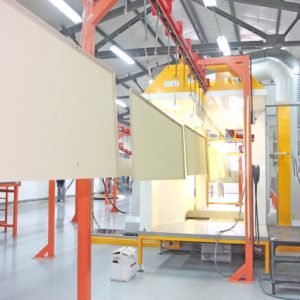
    Powder coating is a process that entails a proper finish being added onto a sheet metal application.

    Understanding Powder Coating in Sheet Metal Manufacturing

    When delving into the intricacies of sheet metal manufacturing, one can’t overlook the pivotal role of powder coating. More than just an aesthetic appeal, powder coating acts as a protective shield for various applications, from metal storage cabinets to industrial shelving units. This finishing process ensures not only a polished appearance but also significantly augments the durability of the product, protecting it from challenges like rust and corrosion.

    Why Premier Engineering and Storage Solutions is Your Go-to for Powder Coating:

    A Comprehensive Protective Solution

    Our association with esteemed powder coat sub-contractors ensures that every product, be it a metal shelf or a storage cabinet, receives an impeccable finish. The coating acts as a guardian, warding off potential threats and consequently amplifying the product’s lifespan.

    Precision in Application Given the diversity in sheet metal products, ranging from shelving units to intricate laser cutting services in Sydney, it’s crucial to have a coating that adapts. Our team ensures the powder coat is uniformly applied across varied surfaces, contours, and angles.

    Economical without Compromising Quality

    Recognizing the economic constraints of our clients, we make certain that our powder coating solutions are competitively priced. This doesn’t mean we compromise on quality; our aim is to offer longevity to your sheet metal applications without breaking the bank.

    Sydney’s Pinnacle of Laser Cutting and More

    Besides powder coating, our laser cutting service in Sydney is renowned for its precision. Our expansive portfolio, including industrial shelving units and stainless steel splashback solutions, underscores our commitment to comprehensive storage solutions and sheet metal manufacturing.

    Powder coating is a process that entails a proper finish being added onto a sheet metal application.

    FREE Quote

    Have a project coming up? Request for a FREE quote and we will let you know what we can do to help.

  • Welding

    Search Results for: sheet metal manufacturing  – Page 8

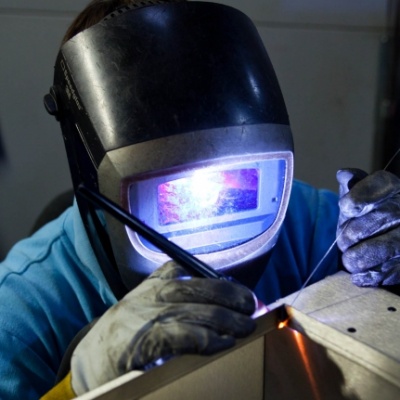
    Welding is a critical process for producing everything from industrial shelving units to a metal storage cabinet among other items.

    Welding: The Backbone of Premier Engineering Solutions

    Understanding Welding

    Welding plays a pivotal role in crafting a diverse range of products, from industrial shelving units and metal storage cabinets to complex mechanical assemblies. This process involves the fusion of individual components using precise measurements, the right heat, and optimal force.

    Premier Engineering’s Commitment to Excellence in Welding

    At Premier Engineering, we recognize the indispensable nature of welding in the realm of sheet metal applications. Ensuring the highest standards, our dedicated welding team ensures each project is executed flawlessly on its first attempt.

    Our welding professionals are not just skilled in traditional methods, but are also adept at incorporating the latest technologies in the field. Their proficiency is complemented by their meticulousness and caution, ensuring that each weld is both robust and aesthetically pleasing.

    Safety is paramount in our operations. Our team is equipped with the best safety gear and is trained to adhere to stringent safety protocols, guaranteeing the safe production of all items, from metal shelves to workbenches.

    Investing in the Future

    Our commitment doesn’t stop at delivering top-notch services. We continually invest in cutting-edge welding equipment and technology, ensuring we remain at the forefront of industry innovations. This dedication not only underscores welding’s critical role in manufacturing but also ensures our offerings, be it storage solutions or laser cutting services in Sydney, remain unparalleled in quality.

    Integrated Services for Comprehensive Needs

    Beyond welding, Premier Engineering stands as a beacon for diverse services and products. Whether you’re in search of a durable workbench, industrial shelving units, or advanced laser cutting services, we’ve got you covered. Our expansive portfolio, including steel laser cutting services and CNC cutting services, promises both versatility and excellence.

    For top-tier welding, laser cutting, and storage solutions, trust in the expertise of Premier Engineering.

    Welding

    FREE Quote

    Have a project coming up? Request for a FREE quote and we will let you know what we can do to help.