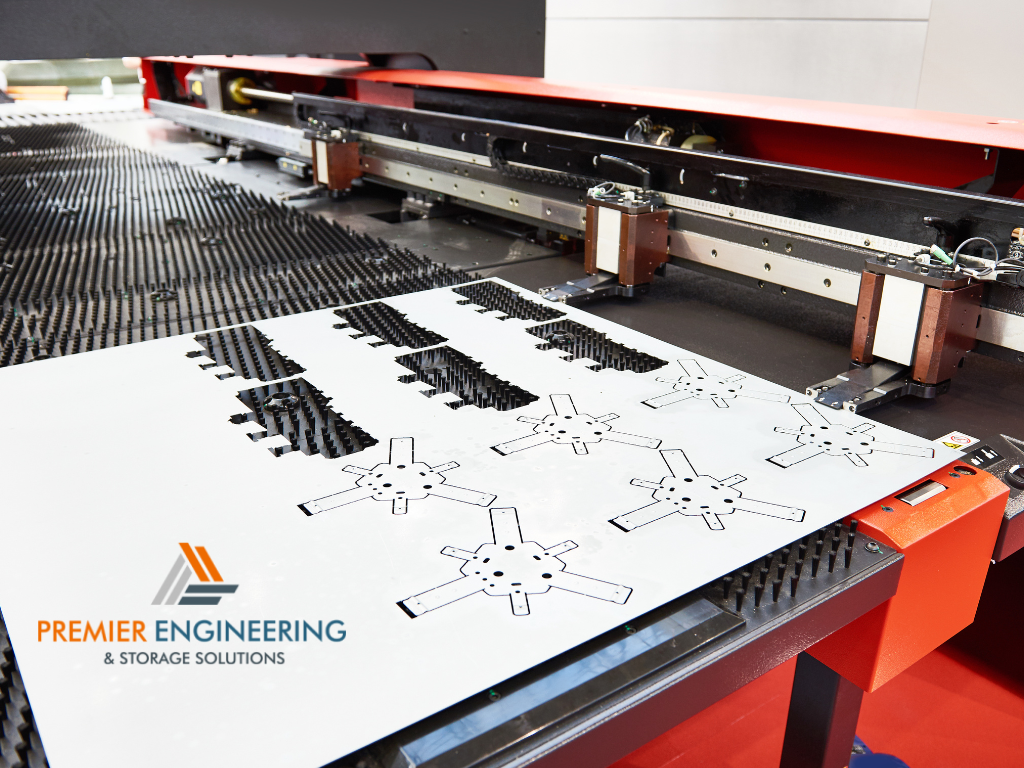
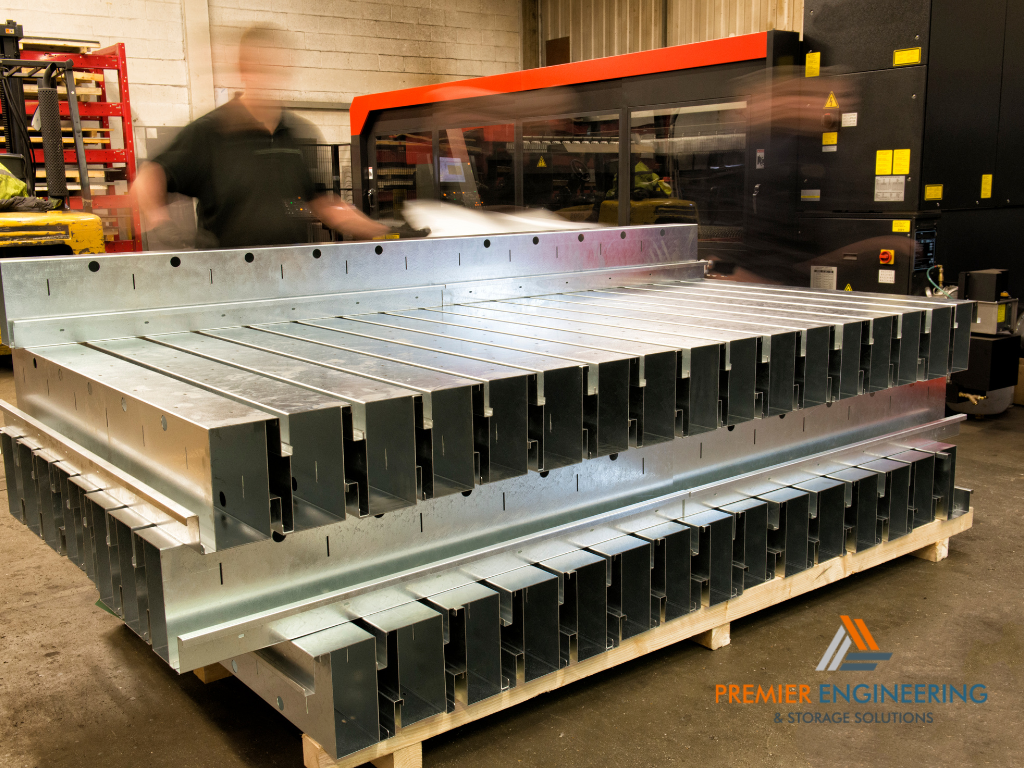
Search results for: “sheet metal manufacturing”

  • Laser Cutting Services |  A Laser Can Cut Almost Anything

    Laser Cutting Services | A Laser Can Cut Almost Anything

    Laser cutting wasn’t always as widespread as it is today. At first, it was used mainly by prototyping teams and small workshops. It offered precision and flexibility without the high setup costs of traditional tools. Today, things have changed. A professional laser cutting service can handle both one-off pieces and large production runs.

    Thanks to computer-controlled machines, designs can be changed quickly and re-cut in minutes—perfect for fast-paced businesses and creative industries alike. This level of flexibility is what makes laser cutting such a popular option for both beginners and advanced manufacturers.

    The Rise of Digital Fabrication and Custom Orders

    Digital tools have opened the door to custom everything. Whether it’s signage, product packaging, parts for machinery, or decorative panels—laser cutting makes it all possible. Designs are created digitally, and then passed straight to the laser machine for cutting or engraving.

    What used to take days can now be done in hours. That’s why so many industries rely on laser cutting service today—from architecture and retail to product development and signage.

    Materials You Can Cut with a Laser Cutting Service

    cnc sheet metal fabrication

    Wood, Acrylic, Cardboard, Fabric, and More

    One of the biggest advantages of using a laser cutting service is its ability to handle so many materials. The list is long and includes:

    • Plywood and MDF

    • Acrylic and Perspex

    • Cardboard and paper

    • Leather, felt, and fabric

    • Rubber and foam

    These materials are great for displays, packaging, models, or creative projects. Laser cutting creates sharp, smooth edges, often without the need for sanding or finishing.

    Laser systems are especially popular for working with acrylic, where they produce a clean, polished edge with no chips or burn marks.

    Metal Cutting Options and Limitations

    Laser cutters can also cut metal—but with a few important considerations. Thin sheets of aluminium and stainless steel are commonly used in signage, enclosures, and tech applications. However, for heavier jobs or very thick metals, a cnc sheet metal fabrication process is usually better.

    That’s where the metal is milled, drilled, or shaped using a cnc cutting machine with stronger force. Laser cutters are precise but have limits in terms of thickness and type of metal. Still, for light to medium work, they’re incredibly effective.

    What About Metal? How It Compares to CNC Sheet Metal Fabrication

    When to Use Laser Cutting vs CNC Cutting

    If you’re working with thin materials and detailed shapes, a laser cutting service is the way to go. It can handle intricate designs and sharp corners with no contact and no tool wear.

    But for heavy-duty jobs—like cutting thick steel plates, bending brackets, or shaping parts—you’ll want cnc sheet metal fabrication instead. This method uses a cnc cutting machine to apply force, drill holes, and mill complex forms that lasers can’t.

    So, when should you use which?

    • Choose laser cutting for speed, detail, and clean edges

    • Choose CNC when you need strength, depth, or heavy materials handled

    How Each Method Handles Different Metals

    Laser cutting is great for light-gauge stainless steel, aluminium, and coated metals. It leaves a crisp finish with minimal heat damage if settings are right. However, reflective metals like copper or thick carbon steel can be more challenging. In contrast, cnc cutting services are better for a wider range of metals, including those that are too thick or heat-sensitive for laser cutting.

    CNC tools apply physical pressure rather than heat, which makes them more versatile for structural parts. For many businesses, it’s not about choosing one or the other—it’s about using both methods together for the best results.

    How a CNC Cutting Machine and Laser Tools Work Together

    cnc cutting machine

    Precision from Both Machines, But Different Strengths

    When it comes to precision, both a laser cutting service and a cnc cutting machine can deliver excellent results—but they do it in different ways. Laser cutting uses focused light and heat to cut through materials, while CNC cutting uses physical tools like mills, routers, or drills.

    That’s why many workshops use both. For example:

    • Use laser cutting for detailed acrylic signage or delicate wood designs.

    • Use CNC routing for thick panels, curved edges, or drilled holes in metal.

    Together, they allow for more complete and flexible cutting capabilities.

    What to Use for Thick Sheets, Sharp Edges, or Clean Finishes

    If you need super clean, polished edges—especially on acrylic or thin timber—laser cutting service is the go-to. It gives a smooth finish right off the machine. But when you’re working with thicker materials, especially in metal, a cnc cutting machine is usually the better choice.

    It can power through dense material with steady, clean cuts—and no risk of heat distortion. So, whether it’s for creative design or industrial needs, both methods bring unique benefits to the table.

    Getting the Best Results from CNC Cutting Services

    Picking the Right Tool for Your Material and Design

    To get the most out of cnc cutting services, it’s important to match your material with the right cutting method. Not all tools work well with all materials, and using the wrong setup can lead to chipped edges, poor finishes, or even damaged parts. Need sharp curves or intricate designs? Laser cutting might be your best bet.

    Working with hardwood or metal sheets? A cnc cutting machine is likely more effective. An experienced provider will help you decide which method suits your job best.

    Why Settings, Software, and Skill Still Matter

    Even with the best machines, results can vary based on settings and file setup. Speed, power, cut depth, and tool choice all affect the final quality. Skilled technicians know how to adjust these settings for different materials and designs. They also use proper software to prepare your files—making sure the machine follows the correct path, at the right speed, every time.

    In short, getting great results from cnc cutting services takes more than just pushing a button—it’s a mix of good tools, good files, and the right experience.

    Safety and Practical Limits of “Cutting Almost Anything”
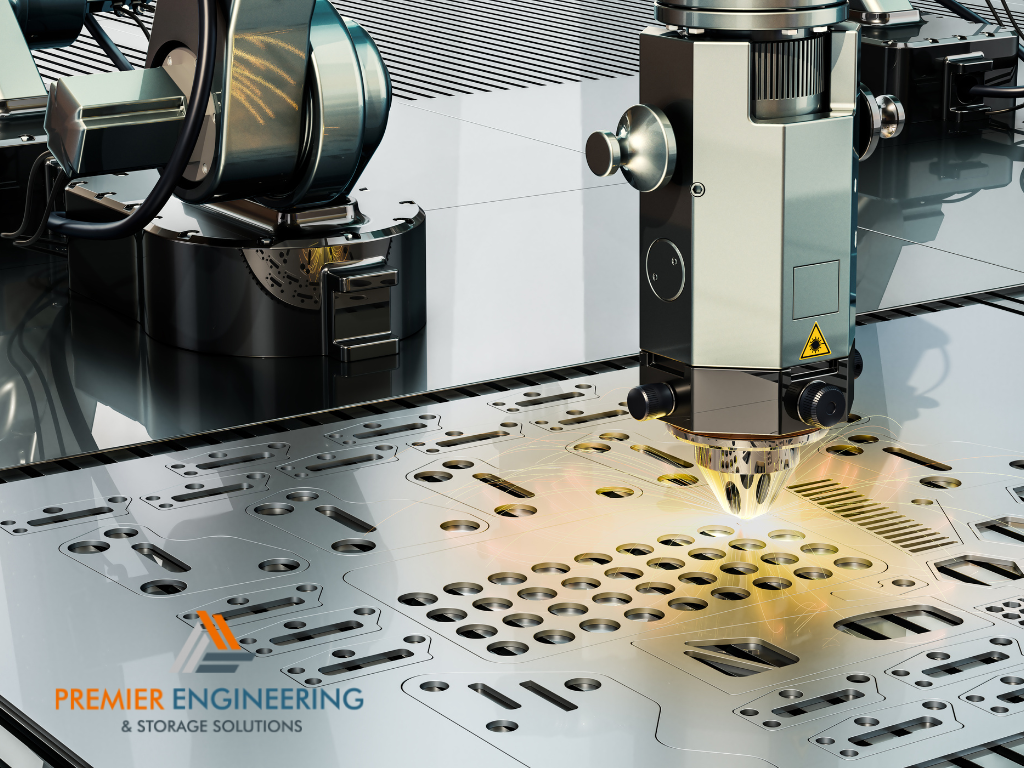
    cnc cutting services

    Materials You Should Never Laser Cut

    While it’s true that laser cutting service can cut a wide variety of materials, there are some that should never go near a laser. Certain plastics—like PVC—release toxic fumes when cut. Others can melt or catch fire easily.

    It’s important to avoid:

    • PVC and vinyl

    • Fibreglass

    • Polycarbonate (if not designed for lasers)

    • Materials with unknown coatings or adhesives

    Always double-check with your provider before submitting your design. Safety comes first, both for the machine and the people running it.

    Thickness and Heat Considerations to Know About

    Another limit to keep in mind is thickness. Laser cutters do best with thin to medium sheets. Cutting very thick materials (especially metals) can lead to poor edges or overheating. This is where cnc sheet metal fabrication or heavy-duty cnc cutting machines take over.

    They can cut deeper without the heat buildup that lasers produce. So yes, laser cutting can handle almost anything—but knowing when to switch methods is what really makes a project successful.

  • Can a Laser Cutting Service Help With Custom Designs?

    Can a Laser Cutting Service Help With Custom Designs?

    If you have a custom design in mind, a laser cutting service can help bring it to life. Whether it’s a basic shape or a complex pattern, laser machines are built to handle precise and repeatable cuts. You don’t need to be a professional designer either. Many services accept hand-drawn sketches, rough concepts, or basic drafts.

    With a bit of support from the team, your idea can be transformed into a ready-to-cut file. The beauty of laser cutting lies in its accuracy. Whether you’re cutting wood, acrylic, or cnc stainless steel, the results are clean, sharp, and ready to use.

    Supporting Simple Shapes or Detailed Artwork

    From basic circles and signs to delicate patterns or logos, laser machines can handle a wide range of custom work. A good laser cutting service will help you match your design with the right material, thickness, and finish.

    Whether you’re making branded pieces, parts for a product, or personal artwork, customisation is easy to achieve—and the results speak for themselves.

    File Types and Design Formats That Work Best

    laser cutting

    What You Need to Start a laser cutting Project

    To begin, most laser cutting providers will ask for a digital file of your design. The most common types are vector files like .DXF, .SVG, .AI, or .EPS. These allow the laser to follow exact lines and curves, giving you accurate results.

    If you don’t have a file, no problem. Many services can help convert your idea into a usable format. It’s always a good idea to talk to the team before starting—especially if you’re unsure about what’s needed.

    You should also know what material you plan to use (like acrylic, timber, or cnc stainless steel) and the size of your design. This helps ensure your file is scaled and ready for cutting.

    Why Vector Files Are Preferred

    Vector files are the gold standard for laser cutting because they give the laser machine clear paths to follow. Unlike image files (like JPG or PNG), vectors are built from lines and curves instead of pixels. This means they can be scaled up or down without losing quality.

    A proper vector file also helps avoid cutting errors. It ensures smoother edges, faster cutting, and less material waste—saving you time and money.

    Design Support Offered by Most Laser Cutting Providers

    Editing and Adjusting Files for Clean Cutting

    Not everyone has the tools or software to make a perfect file—that’s okay. A quality laser cutting service will offer basic design support. They can clean up lines, adjust spacing, and make sure your file is cut-ready.

    This service is especially useful if your design is very detailed or if you’re working with a tricky material like cnc stainless steel. The technician will make sure the design cuts smoothly and holds up well after processing.

    Working with Experts to Finalise Your Idea

    Whether you’re a small business owner or a DIY creative, having help from experienced staff can make all the difference. Providers will walk you through file types, recommend materials, and help spot issues before the job starts.

    If your project is better suited to a different method—like turret punching services for repeated metal components—they may even guide you toward that option instead. Their goal is to get the best result for your design, budget, and timeline.

    Getting the Most Out of Custom Work with cnc stainless steel

    cnc stainless steel

    Using Laser Cutting for Durable Metal Designs

    When it comes to cutting metal, cnc stainless steel is a popular choice. It’s strong, clean-looking, and perfect for both functional and decorative projects. Whether you’re creating custom brackets, signage, panels, or mechanical parts, laser cutting offers precision that’s hard to beat.

    A professional laser cutting service can handle stainless steel in various thicknesses, and CNC (Computer Numerical Control) accuracy means every cut is exact—even in detailed designs. This is especially useful if you need multiple pieces to match or if you’re working with tight tolerances.

    Benefits of Choosing cnc stainless steel for Custom Projects

    Stainless steel is not only durable, but also resistant to rust and corrosion. That makes it ideal for both indoor and outdoor use. It’s a smart option if you want something that looks great and lasts long, whether for industrial use, public installations, or creative metal art.

    With laser cutting, you get smooth edges with minimal finishing needed, and the metal doesn’t warp under heat the way it might with other methods. This means a cleaner result with less post-processing, saving you both time and effort.

    When to Use Turret Punching Services Instead

    Understanding the Difference Between Laser and Turret Punching

    While laser cutting is known for precision and versatility, turret punching services are often chosen for different reasons. Instead of using a laser beam, turret punches use high-speed mechanical force to punch holes or shapes into sheet metal.

    This method is fast and cost-effective—especially for repeated patterns or parts with lots of small holes. If your design includes basic geometric shapes and doesn’t need ultra-fine detail, turret punching might be the better option.

    Best Jobs for turret punching services vs. laser cutting

    Use turret punching services when:

    • You need large batches of the same design

    • Your material is thin to medium sheet metal

    • The project involves perforations, dimples, or basic cutouts

    Choose laser cutting when:

    • Your design has curves, fine details, or engraving

    • You’re working with thicker or more varied materials

    • You want a clean edge with little or no finishing required

    A quality shop will help you choose the right method—or even combine both for the best results.

    Tips to Prepare a Design That Cuts Clean and Accurately

    turret punching services

    Simple Design Rules That Help Avoid Errors

    Before sending your file to a laser cutting service, keep these tips in mind:

    • Use closed paths—open lines can confuse the cutter

    • Avoid overlapping lines to reduce burn marks or extra cuts

    • Check that your design doesn’t have tiny details that may burn away

    Also, scale your design to actual size. Most services cut from your file as-is, so accuracy is key.

    Material Choice, Size, and Cutting Tolerances

    Different materials cut differently. Thicker pieces may require slower cutting speeds and can cost more. If you’re unsure whether your design will work on cnc stainless steel, speak with the team before submitting your file. Also, always leave a small tolerance in your design—especially for parts that need to fit together.

    A little spacing allows for material shrinkage, kerf (cut width), and cleaner assembly in the end. With a bit of planning and help from professionals, your custom design can come out exactly the way you imagined—clean, precise, and ready to use.

  • When to Use Both Technologies Together for Better Results

    When to Use Both Technologies Together for Better Results

    Many people assume you have to choose between laser cutting and cnc cutting services, but in reality, the two often work better together. Some projects need the detail and speed of a laser plus the strength and shaping power of a cnc cutting machine. By combining them, you can get cleaner finishes, stronger parts, and more design flexibility.

    For example, signage, furniture panels, or detailed machine parts might require engraved detail followed by deep structural cuts. Instead of trying to force one method to do both, using both cutting styles can help you get the perfect result.

    Precision and speed of laser cutting with the structural power of cnc cutting services

    A laser cutting service offers excellent speed and pinpoint precision. It’s great for fast cuts and intricate shapes, especially in thin materials like acrylic or sheet metal. On the other hand, cnc cutting services give you control over heavier work—perfect for shaping wood, metals, or dense foam.

    Combining both allows you to take advantage of laser accuracy for clean edges, while the CNC side can handle grooving, pocketing, or shaping thicker sections of the same job.

    What Laser Cutting Does Best in a Dual-Process Workflow

    laser cutting service

    Fine detailing, engraving, and clean edges

    Laser cutting stands out when you need intricate detail and smooth, clean lines. It’s ideal for engraving logos, cutting decorative patterns, or working with delicate materials that might splinter under mechanical force. In a combined workflow, laser is often the first step—laying down outlines or design marks before further shaping.

    You can even create delicate holes or slots with a laser that would be difficult to drill cleanly using a bit. This is especially useful in work where aesthetics and precision go hand in hand.

    Fast, contactless cutting ideal for thin metals and acrylics

    Because laser cutting doesn’t rely on direct contact, it’s a safer option for cutting thin materials that may warp or chip under pressure. Laser beams glide through metal sheets, plastic panels, or acrylic signage smoothly and without dragging or vibration.

    This makes laser ideal for preparing components before moving them to a cnc cutting machine for finishing touches like grooves, curves, or deeper shaping.

    Where the CNC Cutting Machine Takes Over

    Deep cuts, grooving, and tougher material shaping

    A cnc cutting machine shines when you need power and depth. Unlike laser tools, CNC routers or mills can dig deep into wood, foam, or metal to shape pockets, cut-through paths, and raised surfaces. If your project includes assembly parts or needs bolts, joints, or thickness variations, CNC is the way to go.

    It’s often used as a second step after laser engraving—allowing you to get the detail first, and the structure second. This keeps your work clean while still being durable.

    Better for thicker timber, foam, and structural metals

    If your material is too thick for laser cutting or you’re working with something that requires carving instead of slicing, CNC is the better option.

    A cnc cutting machine can tackle MDF, plywood, dense foam board, and even some metals—especially with the right industrial steel cutting machine setup. In short, when it’s time to go deeper or add more dimension, CNC takes over where laser leaves off.

    Example Use Cases That Benefit from Both Methods

    cnc cutting services

    Signage, architectural panels, machine parts, and furniture elements

    Many real-world projects benefit from combining both laser cutting and CNC. For example, in signage and branding, a laser cutting service is perfect for clean-cut text, logos, or detailed shapes. Then, CNC can step in to create mounting grooves, backing boards, or support frames. The result? Signage that looks sharp and holds up well.

    In architectural design, laser cutting is used for surface detail or decorative overlays, while a cnc cutting machine helps fabricate structural layers beneath it. Similarly, in furniture production, intricate inlays or patterns can be laser-cut, while the joints and cuts for assembly are made with CNC for strength.

    When you need engraving + shaping or smooth edges + structural joints

    Laser excels in engraving, precision cutting, and polished finishes. But when the project needs deeper cuts or angled grooves, CNC fills in the gap. Think of tasks like cutting out drawer handles after laser etching the logo—or carving leg joints after decorative outlines are applied.

    This combo allows for high-precision design with durable, functional elements built in—something that neither laser cutting nor cnc cutting services can fully achieve alone.

    Using the Right Equipment for Each Stage

    Starting with a laser cutting service for outlines or logos

    In most dual-method workflows, projects start with a laser cutting service. That’s because lasers are fast and clean for outlining shapes, engraving surface text, and producing polished outer edges. If you’re cutting acrylic, thin metals, or doing any kind of branding, laser offers a beautiful finish right at the start.

    Laser tools are non-contact, which means less stress on the material—great for fragile or cosmetic sections that will later be reinforced by CNC.

    Finishing with a cnc cutting machine or industrial steel cutting machine

    Once the fine cuts are done, it’s time for power. A cnc cutting machine takes over for more demanding work—like folding paths, counterbores, and material shaping. If you’re dealing with tougher materials like metal plate or hardwood, an industrial steel cutting machine might be needed for that final pass.

    This sequence ensures smooth visuals plus strong, functional parts. Each tool is doing what it’s best at—no compromise on quality or durability.

    How to Plan a Project That Uses Both Laser and CNC Cutting

    industrial steel cutting machine

    Design file setup, toolpaths, and material prep

    Combining both tools means planning your files carefully. Your designs should clearly show which parts go to laser cutting and which are for CNC. That includes setting the right file layers, toolpaths, and cutting depths.

    You also need to think about how the material will be held between each process—flat for laser, stable for CNC. Proper setup avoids overlap, ensures alignment, and keeps your materials from being overworked.

    Choosing providers who offer both laser cutting and cnc cutting services for a smoother process
    Not every workshop can handle both methods, so it’s worth working with a company that offers laser cutting service alongside cnc cutting services. This ensures consistency across your project, fewer errors, and easier communication.

    If your job requires metal shaping, look for a provider with access to an industrial steel cutting machine. It means they’re equipped to handle both detail and strength—making your project smoother from start to finish.

  • Comparing Laser Cutting with CNC and Waterjet Cutting

    Comparing Laser Cutting with CNC and Waterjet Cutting

    Cutting technology has advanced significantly, offering various methods suited for different industries and materials. The three most common cutting techniques are laser cutting, CNC (computer numerical control) cutting, and waterjet cutting. Each method has unique benefits depending on the project requirements.

    • Laser cutting uses a high-powered laser beam to melt, burn, or vaporize materials with extreme precision. It is commonly used for metals, plastics, wood, and acrylic, offering clean cuts and intricate designs.
    • CNC cutting machines operate using automated controls to shape materials through milling, routing, or punching. These machines are ideal for high-precision work, often used in metal fabrication and wood processing.
    • Waterjet cutting uses a high-pressure stream of water mixed with abrasive particles to cut through thick or heat-sensitive materials. This method is useful for materials like stone, ceramics, and glass, where heat could cause damage.

    Each of these cutting technologies serves a unique purpose. The right choice depends on material type, required precision, and production speed.

    Why Different Materials Require Specific Cutting Methods

    Not all materials respond well to the same cutting techniques. Laser cutting is best for thin to medium-thickness materials like stainless steel, aluminum, and acrylic, as it provides smooth edges with minimal waste. However, materials that reflect heat, such as copper and brass, can be challenging for lasers.

    CNC cutting services work well with hard materials like metal and wood, allowing for precise and repeatable cuts. Meanwhile, cnc punching service is specifically designed for sheet metal fabrication, creating holes, perforations, and complex patterns efficiently.

    Waterjet cutting is preferred for materials that are sensitive to heat, such as glass or composites. Unlike laser cutting, it does not produce heat-affected zones, preventing material distortion or warping.

    The Advantages of Using a laser cutting service

    laser cutting service

    Precision and Efficiency in Modern Manufacturing

    A laser cutting service provides unmatched precision, making it ideal for industries that require detailed and intricate cutting. The laser beam can cut through various materials with minimal waste, reducing material costs while maximizing efficiency.

    Compared to traditional cutting methods, laser cutting offers a high level of automation, allowing for quick and consistent production. With computer-controlled settings, cuts are highly accurate, eliminating the risk of human error. This is especially useful in automotive, aerospace, and electronics manufacturing, where precision is crucial.

    How laser cutting service Delivers High-Quality Results for Custom Projects

    Many businesses and manufacturers rely on laser cutting service providers for custom projects. The flexibility of laser cutting allows for detailed engravings, complex shapes, and sharp edges that other methods struggle to achieve.

    • Clean and smooth edges – Unlike mechanical cutting methods, laser cutting does not leave rough edges or burrs, reducing the need for post-processing.
    • Minimal heat distortion – Advanced laser systems prevent excessive heat buildup, keeping material integrity intact.
    • Faster turnaround times – A laser cutting service can complete projects quickly, even for complex designs.

    Whether for signage, architectural models, or industrial components, laser cutting service providers help businesses create high-quality products efficiently.

    When to Choose cnc punching service Over Laser Cutting

    The Strengths of cnc punching service for Sheet Metal Fabrication

    While laser cutting is known for its precision, cnc punching service is often a better choice for sheet metal fabrication. This method uses a punching tool to press through metal, creating holes, slots, or custom shapes with speed and efficiency.

    Advantages of cnc punching service:

    • High-speed production – Punching machines can create multiple holes or patterns in a single stroke, making them faster than laser cutting for certain applications.
    • Cost-effective for large-scale projects – Since cnc punching service uses mechanical force rather than heat, it requires less energy, reducing operational costs.
    • Best for perforations and embossed designs – Unlike laser cutting, which cuts entirely through the material, punching machines can create textured surfaces or custom perforations.

    For industries like HVAC, electrical enclosures, and metal shelving, cnc punching service is a preferred method due to its efficiency and affordability.

    Comparing Speed, Cost, and Accuracy Between Cutting Methods

    Choosing between laser cutting and cnc punching service depends on several factors:

    • Speed – For cutting complex designs or small details, laser cutting is faster because it does not require physical force. However, cnc punching service is quicker when producing repetitive patterns in sheet metal.
    • Cost – CNC cutting services like punching are generally more cost-effective for high-volume production, while laser cutting is better for custom or low-volume projects that require fine details.
    • Accuracy – Laser cutting offers superior precision, making it the best option for projects with intricate designs. CNC punching service, on the other hand, is ideal for simple, repetitive shapes.

    How cnc cutting services Offer Versatile Cutting Solutions

    cnc cutting machine

    Why Businesses Use cnc cutting services for Large-Scale Production

    For manufacturers and industries that require high-volume production, cnc cutting services offer unmatched efficiency and reliability. These services use cnc cutting machines programmed to execute precise cuts, making them ideal for producing consistent parts in bulk.

    One of the biggest advantages of cnc cutting services is automation. Since machines follow digital designs, production runs are fast and accurate with minimal human intervention. This reduces errors and material waste, making it a cost-effective solution for industries such as automotive, aerospace, and construction.

    Combining cnc cutting machine Technology with Other Cutting Methods

    Many manufacturers integrate cnc cutting machines with other cutting technologies to maximize efficiency and versatility. While laser cutting is excellent for fine details and complex shapes, cnc cutting machines are better suited for thicker materials and structural components.

    For example:

    • Laser cutting + CNC machining – Perfect for creating intricate designs while ensuring sturdy structural elements.
    • CNC punching + CNC cutting machine – Useful for producing perforated sheet metal and customized components.
    • Waterjet cutting + CNC routing – Ideal for cutting thick materials while refining edges with precision milling.

    The Pros and Cons of Waterjet Cutting vs. Laser Cutting

    Understanding the Benefits of Waterjet Cutting for Thick and Heat-Sensitive Materials

    Waterjet cutting is a unique process that uses a high-pressure stream of water mixed with abrasives to cut through various materials. Unlike laser cutting, which generates heat, waterjet cutting is a cold process, making it ideal for materials sensitive to temperature changes.

    Advantages of waterjet cutting:

    • No heat-affected zones – Prevents warping and material distortion.
    • Cuts thick materials – Can handle materials up to several inches thick, including metal, stone, and glass.
    • Versatile material compatibility – Works on plastics, rubber, ceramics, and composites.

    Why laser cutting is Preferred for Speed and Fine Detail

    Laser cutting is widely used for projects that require high precision and speed. The concentrated laser beam can cut through various materials with extreme accuracy, making it ideal for intricate designs, signage, and industrial components.

    Advantages of laser cutting:

    1. Fast and efficient – Delivers quick turnaround times for most materials.
    2. Perfect for fine details – Ideal for intricate patterns, text, and complex shapes.
    3. Minimal material waste – Produces cleaner edges with little need for finishing work.

    However, laser cutting is less effective for very thick materials and can struggle with reflective surfaces like copper or brass. It also generates heat, which can create minor distortions in heat-sensitive materials.

    Choosing the Right Cutting Method for Your Project

    cnc punching service

    Factors to Consider: Material Type, Precision, and Budget

    Selecting the right cutting method depends on several factors:

    • Material Type – If working with metals, cnc cutting services or laser cutting are great options. For stone, glass, or heat-sensitive materials, waterjet cutting is a better choice.
    • Precision Needs – Laser cutting delivers the highest accuracy for intricate designs, while cnc cutting services are great for large-scale manufacturing.
    • Budget Considerations – CNC cutting machines and laser cutting tend to be more cost-effective for bulk production, while waterjet cutting can be more expensive due to maintenance and consumables.

    How to Work with a Professional laser cutting service for the Best Results

    Collaborating with an experienced laser cutting service ensures high-quality results and smooth production. To get the best outcome:

    • Share clear design files – Providing accurate vector files (e.g., DXF, AI, or SVG) ensures the cutting machine follows precise patterns.
    • Discuss material choices – Consulting with the laser cutting service helps determine the best materials for durability and aesthetics.
    • Ask about turnaround times – Some laser cutting services offer expedited options for urgent projects.

    By working with a trusted laser cutting service, businesses can streamline production while maintaining top-tier quality.

  • How Businesses Can Reduce Costs with Efficient Laser Cutting

    How Businesses Can Reduce Costs with Efficient Laser Cutting

    Using laser cutting for production helps businesses save money by reducing material waste and increasing efficiency. Unlike traditional cutting methods, which often leave excess material as scrap, laser cutting allows for precise, controlled cuts that maximize material use.

    Because laser cutting operates with high precision, it reduces the need for additional processing, such as sanding or refining rough edges. This eliminates extra labor costs and speeds up the production process. Less waste also means businesses can stretch their material supply further, lowering overall expenses.

    How a laser cutting service Cuts Costs Compared to Traditional Methods

    A laser cutting service provides cost-effective production solutions by eliminating the need for manual cutting tools, excessive labor, and inefficient material usage. Unlike traditional cutting methods such as sawing or punching, laser cutting does not require expensive dies or molds. This makes it a great option for businesses that need custom cuts without high setup costs.

    With laser cutting, businesses also reduce wear and tear on tools, which means lower maintenance and replacement costs. Since a laser cutting service is automated, it minimizes human error, reducing material waste and production delays.

    The Benefits of CNC Cutting Services for High-Volume Production

    cnc cutting services

    How cnc cutting services Improve Accuracy and Reduce Errors

    Businesses that require high-volume production need a process that guarantees consistency and precision. Cnc cutting services offer unmatched accuracy, ensuring that each cut is identical and meets exact specifications. This eliminates errors that can lead to rework and material waste, helping businesses maintain quality control.

    Traditional cutting methods often rely on manual operation, which increases the risk of inconsistencies. With cnc cutting services, businesses can rely on computer-controlled precision, reducing defects and ensuring a perfect final product every time.

    Why Automated cnc cutting services Save Time and Labor Costs

    One of the biggest advantages of cnc cutting services is automation. Unlike manual cutting, which requires skilled labor and more time, cnc cutting services allow businesses to produce large volumes quickly and with minimal supervision.

    By reducing the need for manual labor, businesses can save on workforce costs while increasing production speed. This is especially beneficial for industries that need mass production with tight deadlines. With automated cnc cutting services, companies can complete large orders faster and more efficiently.

    Reducing Material Waste with Precision Laser Cutting

    How laser cutting Maximizes Material Use and Reduces Scrap

    Material waste can drive up production costs significantly. Laser cutting helps businesses reduce waste by using computer-controlled precision, ensuring that each piece is cut exactly to the required dimensions. This allows for optimal material utilization, meaning businesses get more cuts from the same sheet of material, lowering expenses.

    Since laser cutting creates clean, smooth edges, businesses also save on post-processing steps like polishing or grinding. This not only reduces material waste but also shortens production time.

    Why Optimized Cutting Patterns Help Businesses Save Money

    A laser cutting service can optimize cutting layouts to make the most out of every sheet of material. Advanced software arranges patterns efficiently, ensuring minimal gaps between cuts. This technique, known as nesting, allows businesses to cut more pieces from the same material, reducing waste and lowering production costs.

    By working with professional cnc cutting services, businesses can take advantage of optimized cutting techniques that improve efficiency, reduce material usage, and maximize profitability.

    Faster Turnaround Times with a Professional Laser Cutting Service

    laser cutting service

    How a laser cutting service Ensures Quick and Reliable Production

    Speed is crucial in today’s fast-paced business world. A laser cutting service offers quick and reliable production, making it easier for companies to meet deadlines and fulfill large orders. Unlike traditional cutting methods, which require time-consuming setup and manual labor, laser cutting operates with high-speed precision, ensuring faster completion of projects.

    Because laser cutting is computer-controlled, it reduces processing time while maintaining accuracy. Whether cutting metal, plastic, or wood, businesses can rely on laser cutting service providers to deliver consistent results with minimal delays. This efficiency helps companies stay on schedule and reduce operational downtime.

    Why Choosing the Right cnc cutting services Matters for Business Efficiency

    Not all cnc cutting services offer the same level of speed and reliability. Businesses need a service provider that can handle high-volume orders while maintaining quality. A professional cnc cutting services provider will have the latest technology, skilled operators, and streamlined processes that allow for fast production without compromising precision.

    Choosing an experienced cnc cutting services provider ensures faster project turnaround times, fewer errors, and lower rework costs. This means businesses can take on more orders, improve workflow efficiency, and maximize profitability.

    The Long-Term Cost Benefits of Investing in Laser Cutting Technology

    How laser cutting Helps Businesses Scale Production Without Additional Costs

    As businesses grow, they need cost-effective solutions that allow them to scale production without increasing expenses. Laser cutting offers this advantage by eliminating the need for expensive dies, molds, and complex tooling. Since laser cutting is fully automated, businesses can easily increase production volume without hiring additional labor or investing in new machinery.

    Unlike traditional cutting methods that require frequent tool maintenance and replacements, laser cutting operates with minimal wear and tear. This reduces maintenance costs and extends the lifespan of equipment, leading to long-term savings.

    Why Businesses Using cnc cutting services Gain a Competitive Edge

    Companies that rely on cnc cutting services gain a competitive edge by offering higher-quality products, faster lead times, and lower production costs. With precise and consistent cutting, businesses can produce custom designs and complex components that are difficult to achieve with traditional cutting methods.

    Additionally, cnc cutting services allow businesses to experiment with new materials, create intricate designs, and expand their product offerings without incurring extra costs. This flexibility and efficiency make laser cutting an essential tool for businesses looking to stay ahead in their industry.

    Choosing the Right Laser Cutting Partner for Cost Savings

    laser cutting

    How to Select a Reliable laser cutting service for Your Business

    Finding the right laser cutting service provider is essential for ensuring high-quality results and cost savings. Businesses should look for a provider with modern equipment, experienced staff, and a proven track record of delivering precision cutting services.

    Key factors to consider when choosing a laser cutting service include:

    • Cutting capabilities – Can they handle the materials and designs you need?
    • Turnaround time – Do they offer fast and reliable service?
    • Pricing structure – Are their rates competitive without hidden fees?

    Selecting a professional laser cutting service ensures better efficiency, reduced production costs, and high-quality output, helping businesses meet their goals without unnecessary expenses.

    Why Working with Experienced cnc cutting services Ensures Quality and Affordability

    Experience matters when it comes to cnc cutting services. An established provider will have the latest technology, skilled operators, and optimized processes to ensure cost-effective and precise cutting.

    By working with cnc cutting services that focus on efficiency and quality, businesses can avoid delays, rework, and material waste, leading to lower costs and higher profitability. A reliable laser cutting service partner helps businesses grow by delivering consistent, affordable, and high-quality cutting solutions.

  • Exploring 3D Laser Cutting: Taking Precision to Next Level

    Exploring 3D Laser Cutting: Taking Precision to Next Level

    Most people are familiar with 2D laser cutting, which is commonly used for cutting flat materials like sheet metal, plastic, and wood. It involves a fixed laser beam that moves across a single plane to cut or engrave materials.

    3D laser cutting, on the other hand, takes this technology further. It uses multi-axis motion to cut materials from different angles, allowing for more detailed and precise cuts on curved, angled, or irregular surfaces. This makes it possible to create complex parts that would be difficult or impossible with standard 2D laser cutting services.

    How CNC Laser Cutting Enables Multi-Axis Cutting

    Cnc laser cutting is what makes 3D laser technology so precise. CNC stands for Computer Numerical Control, meaning that the laser is guided by a computer program. This allows it to follow exact cutting paths with minimal error.

    With cnc laser cutting, machines can move along multiple axes—X, Y, and Z—plus rotate and tilt for greater flexibility. This means that even the most intricate designs can be cut with precision.

    Some benefits of cnc cutting services for 3D applications include:

    • Faster cutting speeds compared to manual methods.
    • Less material waste due to accurate cutting paths.
    • Ability to cut thick and complex materials without deformation.

    From stainless steel and titanium to plastics and composites, cnc laser cutting ensures high-quality cuts across various materials.

    Industries That Benefit from 3D Laser Cutting Services

    laser cutting services

    3D laser cutting services are widely used across industries that require precision, speed, and efficiency. Let’s take a closer look at two of the biggest industries benefiting from this advanced technology.

    How Laser Cutting Services Are Used in Aerospace and Automotive

    The aerospace and automotive industries require high-precision components that meet strict safety and performance standards. Laser cutting services help manufacturers achieve this by providing clean, accurate cuts on various materials, from lightweight aluminum to heat-resistant alloys.

    In the automotive sector, cnc laser cutting is used to:

    • Cut intricate car body panels with millimeter precision.
    • Shape engine parts and exhaust components without mechanical stress.
    • Reduce material waste, making production more cost-effective.

    In the aerospace industry, precision is even more critical. 3D laser cutting ensures that aircraft components fit perfectly, reducing the need for extra modifications. It is used to:

    • Cut titanium and composite materials for lightweight aircraft structures.
    • Shape heat-resistant engine parts to withstand extreme conditions.
    • Engrave and mark parts with serial numbers and identification codes.

    Because laser cutting services offer high precision without damaging delicate materials, they have become the preferred choice in these industries.

    Medical Device Manufacturing and Custom Metal Fabrication

    The medical industry requires tiny, precise components for surgical tools, implants, and medical devices. 3D cnc laser cutting is ideal for these applications because it can cut micro-sized parts with zero physical contact, reducing contamination risks.

    Laser cutting services in medical manufacturing help produce:

    • Custom implants with highly detailed structures.
    • Surgical instruments that require ultra-sharp edges.
    • Intricate stents and tubing for life-saving procedures.

    Similarly, custom metal fabrication benefits from cnc cutting services as it allows for unique, complex designs that would be challenging to achieve with traditional tools. From industrial machinery parts to decorative architectural designs, 3D laser cutting services bring creativity and precision together.

    The Role of CNC Laser Cutting in Achieving Complex Designs

    How CNC Laser Cutting Creates Precise, Multi-Dimensional Cuts

    Traditional cutting methods struggle when dealing with curved, irregular, or multi-layered surfaces. This is where cnc laser cutting shines. By using high-powered lasers controlled by a computer-guided system, it can cut through materials at precise angles, creating designs that were once impossible.

    Some key benefits of cnc laser cutting for complex designs include:

    • Unmatched accuracy – Even the smallest details can be cut perfectly.
    • No need for additional finishing – The laser creates smooth edges without burrs.
    • Faster production times – CNC automation reduces processing time significantly.

    Whether it’s creating customized parts for machines, artistic metal sculptures, or high-tech gadgets, cnc cutting services provide the precision needed for intricate designs.

    The Importance of Computer Programming in CNC Cutting Services

    Behind every perfect cut is a well-programmed design. Cnc cutting services rely on specialized software to translate digital blueprints into physical components. These programs allow manufacturers to:

    • Simulate cuts before production, reducing errors and material waste.
    • Adjust settings in real-time, ensuring top-quality results.
    • Produce large volumes of identical parts, maintaining consistency.

    A well-optimized cnc laser cutting program ensures that every cut follows the exact specifications, making it ideal for industries that require high accuracy and repeatability.

    Advantages of 3D Laser Cutting Over Traditional Methods

    cnc laser cutting

    Greater Precision and Accuracy

    One of the biggest advantages of 3D laser cutting is its precision. Unlike traditional cutting tools, which may struggle with intricate or angled designs, 3D cnc laser cutting ensures every cut is exact. The laser beam follows pre-programmed paths with extreme accuracy, making it perfect for projects that require consistency and fine detail.

    Since the laser works without physical contact, there’s no pressure applied to the material. This means there’s less risk of deformation, warping, or damage, even when cutting fragile or thin materials. The smooth edges produced by laser cutting services also reduce the need for extra finishing work, saving both time and cost.

    Faster Production Times

    Speed is another key advantage. 3D cnc laser cutting operates at high speeds without compromising quality. Traditional cutting tools require multiple passes for complex cuts, but a cnc cutting services system can complete the job in a single run.

    For industries where time is crucial, such as automotive manufacturing or medical device production, fast processing means increased efficiency. Manufacturers can produce large volumes of parts faster, reducing downtime and meeting tight deadlines with ease.

    Less Material Waste

    Traditional cutting methods often produce excessive waste due to uneven cuts, errors, or material handling issues. With cnc laser cutting, waste is minimized. The laser follows precise cutting paths, ensuring that each piece is used efficiently. This results in cost savings and a more sustainable production process.

    For businesses looking to reduce expenses and improve environmental impact, laser cutting services offer a smart solution.

    Choosing the Right CNC Cutting Services for Your Business

    What to Look for in a Professional CNC Cutting Services Provider

    When selecting a cnc cutting services provider, several factors need to be considered. Not all laser cutting services are the same, and choosing the right one ensures quality results.

    Experience is key. Providers with years of expertise in cnc laser cutting understand the complexities of different materials and can adjust settings to meet specific project needs. Additionally, a reliable service should offer customization options, allowing businesses to tailor cuts for unique designs.

    Technology also matters. High-quality cnc cutting services use advanced laser systems that deliver clean, precise, and repeatable cuts. Investing in a provider with modern equipment ensures the best results.

    How to Determine the Best Equipment for Your Needs

    Not all laser cutting machines are suited for every project. Some businesses may require high-speed lasers for mass production, while others need machines capable of handling thick materials. Understanding the differences in laser technology helps in making the right choice.

    For detailed and delicate work, fiber lasers offer superior precision. For thicker materials like metals and plastics, CO2 lasers provide the power needed for deep cutting. A reputable laser cutting services provider will guide businesses in selecting the best machine for their requirements.

    The Future of 3D Laser Cutting Technology

    cnc cutting services

    How AI and Automation Are Enhancing Laser Cutting

    The future of laser cutting is being shaped by artificial intelligence (AI) and automation. AI-driven cnc laser cutting machines can now self-adjust, optimizing speed, power, and focus for each cut. This leads to fewer errors and increased efficiency.

    Automation is also reducing manual labor. With fully automated cnc cutting services, businesses can operate 24/7, maximizing productivity. This is especially beneficial for industries with high production demands, such as automotive and aerospace manufacturing.

    The Growing Role of CNC Laser Cutting in Smart Manufacturing

    As industries move toward smart manufacturing, cnc laser cutting is playing a vital role. The ability to integrate laser cutting services with digital design software allows for faster prototyping and seamless production. Businesses can now create, test, and modify designs in real-time before committing to full-scale manufacturing.

    With advancements in cnc cutting services, companies are not just cutting materials; they’re redefining efficiency, precision, and innovation.

  • Steel Laser Cutting for Artistic and Decorative Purposes

    Steel Laser Cutting for Artistic and Decorative Purposes

    Table of contents

    Steel laser cutting is a precise and versatile technology widely used in the fabrication of metal, including artistic and decorative projects. This technique employs a high-powered laser beam to cut precise designs into various types of steel, allowing for intricate patterns and fine details.

    What is Steel Laser Cutting, and How is It Used in Artistic and Decorative Creations?

    Steel laser cutting services involves directing a concentrated laser beam to cut steel materials into specific shapes and designs. In artistic and decorative applications, this process enables the creation of complex geometric patterns, delicate cutouts, and intricate motifs that are difficult to achieve with traditional metalworking techniques. Artists and designers utilize laser cutting to produce sculptures, decorative panels, architectural details, and bespoke furniture, among other artworks.

    Why is Laser Cutting Preferred for Artistic Steel Metal Fabrications?

    Laser cutting is preferred in artistic steel metal fabrications for several reasons:

    • Precision and Detail: The laser beam can achieve extremely fine cuts, which is ideal for detailed artistic designs.
    • Efficiency and Speed: Laser cutting is much faster than manual cutting methods, allowing for quicker production of complex pieces.
    • Versatility: It can be used on various thicknesses and types of steel, and programmers can easily adjust patterns and designs.
    • Clean Cuts: The method produces clean and sealed edges that reduce the need for additional finishing, enhancing the overall aesthetic of the piece.

    Designing Art with Steel Laser Cutting

    steel laser cutting services

    The design phase is crucial in transforming an artistic concept into a tangible metal artwork using laser cutting technology.

    How do Artists and Designers Conceptualize Works that Incorporate Steel Laser Cutting?

    Artists and designers begin by sketching out their ideas, which often involve thematic elements, geometric patterns, or naturalistic imagery. These initial concepts are then refined through discussions with metal fabricators to ensure the designs are feasible for laser cutting. The collaborative process may involve several iterations to balance artistic vision with the technical limitations of steel fabrication.

    What Software or Tools are Essential for Designing Intricate Patterns and Details in Metal Art?

    To prepare designs for laser cutting, artists use various CAD (Computer-Aided Design) software tools such as AutoCAD, Adobe Illustrator, or CorelDRAW. These programs allow designers to create precise digital models of their artwork, which can be directly translated into instructions for the laser cutting machinery. This software not only helps in detailing the aesthetics but also ensures the designs are optimized for the cutting process, including adjusting kerf (the width of the material removed by the laser beam) and nesting patterns to minimize waste.

    Techniques and Processes in Steel Laser Cutting for Art

    steel laser cutting services

    Various specialized techniques in laser cutting cater specifically to artistic applications, enhancing both the visual appeal and structural integrity of the artworks.

    What Specific Laser Cutting Techniques are Used to Create Artistic Details in Steel?

    Artistic steel laser cutting services often involves layering, etching, and engraving techniques to add depth and texture to flat sheets. Advanced laser cutters can adjust power settings to vary the depth of the cut, creating three-dimensional visual effects and intricate textures that add complexity to simple steel sheets.

    How Do These Techniques Enhance the Aesthetic and Structural Elements of the Artwork?

    Laser cutting allows for precise control over every aspect of the cutting process, which means that even the most delicate designs can be executed without damaging the material. The ability to produce consistent, repeatable cuts ensures that even in large-scale or multi-part installations, every component fits perfectly with the next. Aesthetically, the precision of laser cutting provides a crisp, clean look that is visually striking, while structurally, the integrity of the material is maintained, ensuring durability and longevity of the artwork.

    Materials and Finishes in Steel Art

    steel laser cutting services

    Choosing the right type of steel and finishing processes is crucial for the success of any artistic project involving laser cutting.

    What Types of Steel are Best Suited for Artistic Laser Cutting?

    • Mild Steel: Popular for its excellent laser cutting properties and affordability. It’s ideal for indoor artworks or those with protective finishes to prevent rust.
    • Stainless Steel: Highly valued for its rust resistance and smooth finish, making it perfect for both indoor and outdoor art installations.
    • Corten Steel: Known for its weathered appearance and natural rusting capabilities, which provide protective layer without compromising structural strength, ideal for outdoor sculptures.

    What Finishing Processes are Available to Enhance and Protect Laser-Cut Steel Artworks?

    • Powder Coating: Provides a durable and visually appealing finish in a wide range of colors, protecting the steel from corrosion and wear.
    • Galvanizing: Especially used for outdoor steel artworks to protect against rust and degradation.
    • Patination: Chemical process used primarily with corten and other steels to accelerate the formation of a stable rust layer that provides a distinctive appearance and protective barrier.

    Examples of Steel Laser-Cut Art and Decor

    steel laser cutting services

    Laser-cut steel is versatile, lending itself to a variety of artistic and decorative applications.

    What are Some Common Decorative Items Made Through Steel Laser Cutting?

    • Wall Art: Intricate designs that can be hung as focal points in homes or galleries.
    • Garden Sculptures: Durable artworks that complement outdoor spaces with their intricate patterns and robust structure.
    • Architectural Elements: Includes decorative panels, balustrades, and façade elements that enhance the aesthetic of buildings and interiors.

    How Has Laser-Cut Steel Been Integrated into Public Art and Commercial Decor?

    • Public Installations: Large-scale sculptures and installations in parks and public spaces that often become landmarks.
    • Commercial Spaces: Custom signage, decorative screens, and detailed framework in hotels, offices, and retail environments that elevate the commercial property’s visual appeal.

    Collaboration Between Artists and Fabricators

    steel laser cutting services

    The partnership between artists and metal fabricators is essential for bringing complex artistic visions to life.

    How Do Artists Collaborate with Steel Metal Fabricators to Realize Their Creative Visions?

    Artists typically start with a concept or design, which they discuss with fabricators to explore feasibility and techniques. The fabricator’s role is to provide technical advice, suggest suitable materials and finishes, and ultimately translate the artistic designs into physical artworks using their tools and expertise.

    What are the Benefits of This Collaboration for Both Artists and Fabricators?

    • For Artists: Gaining access to professional expertise, advanced equipment, and materials that might otherwise be out of reach, allowing for more ambitious and intricate designs.
    • For Fabricators: Opportunities to work on unique, creative projects that can showcase their skills and open up new markets and clients interested in artistic metalwork.

    Challenges and Solutions in Artistic Steel Laser Cutting

    Artistic ventures often encounter unique challenges, especially when merging traditional artistic methods with advanced technologies like laser cutting.

    What Challenges Do Artists Face When Working with Steel Laser Cutting Services?

    1. Design Limitations: Converting artistic visions into laser-ready designs can be complex, especially for artists unfamiliar with digital design tools.
    2. Material Constraints: Different types of steel respond differently under a laser, which can affect the accuracy and detail of the cut.
    3. Cost Efficiency: The cost of laser cutting can be prohibitive for larger or more intricate projects, limiting the scope of what artists can realistically create.

    How Are These Challenges Addressed to Ensure the Final Product Meets Artistic Standards?

    • Collaborative Design Process: Working closely with laser cutting experts and utilizing their knowledge to adapt designs without compromising the artistic intent.
    • Material Testing: Conducting trials on small samples to determine the best settings for the desired quality and detail.
    • Cost Management: Leveraging advancements in laser cutting technology to reduce waste and improve cutting efficiency, thereby making larger projects more affordable.

    The Future of Artistic Steel Laser Cutting

    The field of artistic steel laser cutting is rapidly evolving, driven by continual advancements in technology.

    What are Emerging Trends and Technologies in Steel Laser Cutting for Art?

    • Increased Automation: Automated laser systems that can streamline production, reduce costs, and allow for more precise cuts.
    • Enhanced Precision: Newer laser systems offer greater control over laser parameters, enabling finer details and cleaner cuts.
    • Integration with 3D Technologies: Combining 3D printing with laser cutting to create mixed-media sculptures and complex structures.

    How Might Advancements in Laser Cutting Technology Further Transform Artistic Metal Fabrication?

    As laser cutting technology advances, artists will have greater creative freedom to explore complex and intricate designs that were previously unattainable. These technologies not only enhance the precision and flexibility of artistic expressions but also open up new avenues for innovation in metal art, making it more accessible to a broader audience.

    Conclusion

    The fusion of laser cutting technology and artistic metal fabrication illustrates a perfect blend of creativity and innovation. As this technology continues to evolve, it will undoubtedly usher in new artistic possibilities, further blurring the lines between traditional craftsmanship and digital fabrication. This evolution not only enriches the artistic community but also enhances the cultural landscape, making art more interactive, accessible, and integrated with the environments in which we live.

  • Getting the Most Out of Your CNC Punching Service

    Getting the Most Out of Your CNC Punching Service

    CNC punching service is a manufacturing process that uses a machine to punch holes or shapes into sheet metal. This process is highly automated and controlled by a computer, which directs the machine to follow precise patterns based on the design input. CNC punching is essential in modern manufacturing because it allows for high precision, consistency, and efficiency in producing complex parts or components. The process is versatile, handling various materials such as aluminum, steel, and copper, making it a go-to solution for industries ranging from automotive to aerospace.

    The Importance of Precision and Efficiency

    In CNC punching, precision and efficiency are paramount. Precision ensures that every part produced meets exact specifications, which is critical for maintaining the quality and functionality of the final product. Even a slight deviation can lead to parts that don’t fit together correctly or fail to meet safety standards. Efficiency, on the other hand, refers to the machine’s ability to produce parts quickly without sacrificing quality. This is particularly important in high-volume production environments where time is money. By maximizing both precision and efficiency, CNC punching services help manufacturers reduce waste, lower production costs, and deliver products on time.

    Collaborating Effectively with Turret Punching Services

    turret punching services

    What is Turret Punching and How Does it Differ from CNC Punching?

    Turret punching is a specific type of CNC punching that uses a turret—a rotating drum with multiple punching tools attached—to perform a series of punches on the material. The primary difference between turret punching and standard CNC punching lies in the tool setup and the machine’s configuration. While CNC punching typically uses a single tool or a limited set of tools, turret punching can switch between different tools quickly, allowing for more complex and varied punching patterns in a single operation. This makes turret punching particularly useful for producing parts with multiple holes, shapes, or intricate designs.

    Tips for Choosing the Right Turret Punching Services

    Selecting the right turret punching services requires careful consideration of several factors:

    • Material Compatibility: Ensure that the service provider can handle the type of material you need, whether it’s aluminum, stainless steel, or another metal.
    • Project Complexity: Consider the complexity of your design. Turret punching is ideal for parts that require multiple operations, such as different hole sizes or shapes.
    • Turnaround Time: Check the provider’s ability to meet your deadlines. High-volume projects may require a provider with advanced machinery capable of rapid production.
    • Experience and Expertise: Look for a service provider with a proven track record in turret punching, particularly in your industry.

    Leveraging CNC Cutting Services for Complex Projects

    Integrating CNC Cutting with CNC Punching

    For projects that require both cutting and punching, integrating CNC cutting services with CNC punching can be a highly effective approach. CNC cutting uses a computer-controlled machine to cut materials into precise shapes, often complementing the work done by a CNC punching machine. By combining these two processes, manufacturers can achieve more complex geometries and finer details that would be challenging with punching alone. This integration is particularly beneficial in industries that require intricate parts, such as aerospace or electronics, where precision and complexity are critical.

    Maximizing Efficiency with Combined Services

    When CNC cutting and punching services are combined, the overall production process becomes more streamlined. This efficiency comes from the ability to perform multiple operations in a single setup, reducing the need for multiple machines and handling. The result is a faster turnaround time and lower production costs. Additionally, combining these services can reduce material waste, as the cutting and punching can be optimized to make the best use of the material. This is particularly important in industries where material costs are high, and sustainability is a priority.

    The Role of Laser Cutting in Enhancing CNC Punching Outcomes

    cnc cutting services

    Laser Cutting vs. CNC Punching: When to Use Each

    Laser cutting and CNC punching are both widely used in manufacturing, but they serve different purposes depending on the project’s requirements. Laser cutting uses a high-powered laser to cut materials with extreme precision, making it ideal for intricate designs and tight tolerances. CNC punching, on the other hand, is better suited for creating holes or shapes in thicker materials where speed and durability are required. When deciding between the two, consider the material thickness, the complexity of the design, and the precision needed. For example, laser cutting is often preferred for thin materials or detailed patterns, while CNC punching is more efficient for thicker materials with simpler designs.

    Integrating Laser Cutting with CNC Punching for Precision

    In some cases, integrating laser cutting with CNC punching can offer the best of both worlds. By using laser cutting for detailed areas and CNC punching for the more straightforward, structural elements, manufacturers can achieve a high level of precision and efficiency. This combination is especially useful in applications where both intricate design and structural integrity are required, such as in the automotive or aerospace industries. By strategically integrating these two processes, manufacturers can produce parts that meet exact specifications without compromising on speed or quality.

    Understanding Material Considerations for CNC Punching and Cutting

    Choosing the Right Materials for CNC Punching

    Selecting the appropriate material is crucial for the success of CNC punching. The material’s thickness, hardness, and malleability directly influence the punching process. For instance, softer metals like aluminum and copper are easier to punch and form, while harder materials like stainless steel require more force and specialized tooling. When choosing a material, it’s essential to consider not only the end-use of the product but also how the material will behave during the punching process. The right material choice ensures that the punched parts meet the desired specifications without causing excessive wear on the machinery.

    How Material Choice Affects Turret Punching and CNC Cutting

    The material selected for a project also impacts the effectiveness of both turret punching and CNC cutting services. For turret punching, the material’s thickness and hardness determine the types of tools that can be used and the speed at which the process can be completed. Similarly, in CNC cutting, materials that are too thick or hard can slow down the cutting process and increase tool wear. By carefully selecting materials that are compatible with both punching and cutting processes, manufacturers can achieve higher efficiency, reduce waste, and produce parts that meet stringent quality standards.

    Optimizing Design for CNC Punching Efficiency

    laser cutting

    Design Tips for Cost-Effective CNC Punching

    Designing parts that are optimized for CNC punching can significantly reduce production costs and improve efficiency. To achieve cost-effective CNC punching service, it’s important to minimize complex shapes that require multiple punches, avoid sharp internal corners that can cause tool wear, and design with standard tooling sizes in mind. Additionally, using CAD software to simulate the punching process can help identify potential issues before production begins, saving time and reducing the risk of errors. By following these design tips, businesses can ensure that their parts are both functional and economical to produce.

    Balancing Complexity with Practicality in CNC Designs

    While complex designs can offer unique features and functionalities, they also present challenges in the CNC punching process. It’s important to strike a balance between design complexity and practicality. For instance, intricate designs might require special tooling or slower production speeds, which can drive up costs. Simplifying certain elements of the design without sacrificing functionality can make the CNC punching process more efficient and cost-effective. This balance ensures that the final product meets both aesthetic and practical needs while remaining within budget.

    Quality Control in CNC Punching and Cutting Services

    Ensuring Precision Through Rigorous Quality Checks

    Quality control is a critical component of CNC punching and cutting services. Precision is paramount, and even the smallest deviation can lead to parts that are out of specification. Rigorous quality checks, including dimensional inspections, material testing, and visual inspections, are essential to ensure that every part meets the required standards. By implementing a robust quality control process, manufacturers can detect and correct any issues early in the production cycle, preventing costly rework and ensuring customer satisfaction.

    The Role of Technology in Quality Assurance

    Advancements in technology have greatly enhanced the quality assurance process in CNC punching and cutting services. Automated inspection tools, such as laser measurement systems and coordinate measuring machines (CMMs), allow for high-precision checks that are faster and more accurate than manual inspections. These tools can detect even the slightest deviations from the design specifications, ensuring that each part meets the highest quality standards. By leveraging these technologies, manufacturers can maintain consistent quality, reduce scrap rates, and improve overall efficiency.

    Maximizing the Benefits of CNC Punching and Related Services

    laser cutting

    Recap of Key Strategies for Effective CNC Punching

    To maximize the benefits of CNC punching services, it’s important to focus on several key strategies. First, choose the right materials that align with the punching and cutting processes. Next, optimize your designs to reduce complexity and production costs. Finally, implement rigorous quality control measures to ensure that every part meets the highest standards. By following these strategies, businesses can enhance their production processes, reduce waste, and achieve greater overall efficiency.

    Final Thoughts on Enhancing Your Production Process

    Continuous improvement is key to staying competitive in today’s manufacturing landscape. By exploring new technologies and methodologies, such as integrating laser cutting with CNC punching or leveraging advanced quality control tools, businesses can further enhance their production processes. Staying ahead of the curve in terms of efficiency, quality, and innovation will ensure long-term success in an increasingly demanding market.

  • How Precise Are Turret Punching Services for Complex Project

    How Precise Are Turret Punching Services for Complex Project

    Turret punching services are celebrated for their exceptional precision and reliability. These machines use advanced tools and a rotating turret system to punch shapes, holes, and patterns into metal sheets with pinpoint accuracy.

    The process is guided by computer programming, ensuring each punch is performed exactly where it’s needed. This makes turret punching perfect for projects requiring intricate details and consistent results across large production runs.

    Can it handle small and intricate shapes?

    Yes, turret punching services excel at creating small and intricate shapes. The flexibility of the turret press allows for detailed patterns, tight tolerances, and complex designs. With a variety of tools available, it can produce everything from simple holes to custom shapes with ease.

    This capability makes turret punching ideal for applications like metal storage cabinets and industrial shelving units, where precise features are essential for functionality and aesthetics.

    How Does Turret Punching Compare to CNC Cutting Services?

    cnc cutting services

    What are the key differences?

    Both turret punching services and CNC cutting services are valuable for metal fabrication, but they differ in their approach and applications.

    • Turret Punching: Best for repetitive tasks like creating perforations, slots, and standard shapes quickly and efficiently.
    • CNC Cutting: Utilises cutting-edge technology, such as lasers or plasma, for detailed and intricate cuts, especially in thicker or non-flat materials.

    Turret punching is often faster for high-volume projects, while CNC cutting is preferred for more complex or decorative designs.

    When should you choose turret punching over CNC cutting?

    Choose turret punching services when you need:

    • High-speed production for large batches.
    • Repetitive shapes like those found in industrial shelving units.
    • Cost-effective fabrication for thinner metal sheets.

    For projects requiring fine-edge finishes or non-standard contours, laser cutting or CNC cutting services might be a better fit.

    Can Turret Punching Create Custom Features for Metal Storage Cabinets?

    What customisation options are available?

    Turret punching services are perfect for customising metal storage cabinets. They can add:

    • Ventilation holes: Ensuring airflow for stored items.
    • Slots and mounting holes: Allowing for easy assembly or attachment of accessories.
    • Unique patterns: Adding aesthetic appeal while maintaining functionality.

    These features are achieved with high precision, ensuring the cabinets are both functional and visually appealing.

    Why is precision important for storage solutions?

    Precision is critical for storage solutions like metal storage cabinets because every component must fit perfectly. Poorly aligned holes or patterns can affect the structural integrity and usability of the cabinets.

    Turret punching ensures consistent accuracy, allowing cabinets to meet exact specifications. This makes them reliable for heavy-duty use in industries like manufacturing, logistics, and warehousing.

    How Are Industrial Shelving Units Enhanced by Turret Punching?

    laser cutting

    What features can turret punching add?

    Industrial shelving units benefit greatly from the precision and versatility of turret punching services. Key features include:

    • Perforations for airflow: Prevents moisture build-up and enhances storage safety.
    • Custom slots and labels: Makes shelving units adaptable and easy to organise.
    • Reinforced holes for bolting: Adds strength and stability to support heavy loads.

    These features improve the functionality and durability of shelving units, making them a preferred choice for industrial use.

    Why choose turret punching for shelving projects?

    Turret punching is ideal for shelving projects because of its ability to handle high volumes while maintaining accuracy. Durable materials, like steel and aluminium, can be processed without compromising quality.

    Moreover, the process is cost-effective, ensuring industrial shelving units are manufactured efficiently without sacrificing the customisation options needed for various applications.

    What Tools and Technology Support Precise Turret Punching Services?

    How do modern machines ensure accuracy?

    Modern turret punching machines are equipped with advanced technology to ensure exceptional accuracy. These machines use computer-controlled systems, often referred to as CNC (Computer Numerical Control), to guide the punching process.

    This precision eliminates human error, ensuring each punch is placed exactly where it should be. Additionally, the use of advanced tooling allows the machine to switch between different shapes and sizes quickly, making it versatile for various projects.

    What role does technology play in consistency?

    Automation plays a significant role in maintaining uniformity, especially in large-scale projects. Once the program is set, the machine can repeat the punching process hundreds or thousands of times without deviation.

    This level of consistency is essential for projects like metal storage cabinets and industrial shelving units, where every piece must align perfectly for assembly. Modern tools and technology ensure reliable results, even for complex or bulk orders.

    Can Turret Punching Be Combined with Laser Cutting?

    industrial shelving units

    How do these methods complement each other?

    Turret punching services and laser cutting are complementary techniques that, when combined, can produce outstanding results. Turret punching excels at creating repetitive features like perforations, slots, and mounting holes.

    Laser cutting, on the other hand, is perfect for intricate edges and non-standard shapes. Together, they allow for designs that are both functional and aesthetically pleasing, providing the best of both worlds.

    What are the benefits of combining both techniques?

    Combining turret punching with laser cutting offers several advantages:

    • High-quality results: Achieve sharp edges and precise patterns.
    • Multifunctional products: Produce items like decorative panels, shelving units, or enclosures that require a mix of functional and aesthetic features.
    • Cost efficiency: Use turret punching for repetitive tasks and laser cutting for detailed work to optimise time and resources.

    This approach ensures that every part of the project is completed to the highest standard.

    What Factors Impact the Precision of Turret Punching Services?

    How do material thickness and type affect results?

    Material properties play a significant role in the precision of turret punching. Thicker materials like steel may require more force, which can slightly affect the sharpness of the punch. Conversely, thinner materials like aluminium are easier to process but may deform if not handled correctly.

    The type of material also matters. For example:

    • Stainless steel: Requires robust tooling due to its hardness.
    • Aluminium: Lightweight and easier to punch, but more prone to scratches.

    Understanding these factors ensures the right approach for each project.

    Why does tooling quality matter?

    High-quality tools are essential for achieving clean and precise cuts. Worn or low-grade tooling can result in jagged edges, inaccurate shapes, or damage to the material.

    For applications like industrial shelving units, where durability and precision are critical, using top-tier tools ensures a professional finish and long-lasting performance.

    How Can Turret Punching Meet the Demands of Custom Projects?

     metal storage cabinets

    What industries benefit from custom turret punching?

    Turret punching services are versatile and widely used across various industries, including:

    • Storage solutions: Custom designs for metal storage cabinets and shelving.
    • Construction: Components for structural frameworks and decorative panels.
    • Manufacturing: Parts for machinery, enclosures, and electronic housings.

    These industries rely on turret punching for its ability to create tailored solutions quickly and efficiently.

    How does turret punching handle high-demand projects?

    Turret punching is ideal for high-demand projects because of its speed and efficiency. Machines can process large quantities of material in a short time while maintaining accuracy.

    For example, mass-producing industrial shelving units or perforated panels is seamless with turret punching. Its reliability ensures consistent results, even when dealing with bulk orders, making it an invaluable tool for meeting custom project needs.

  • Economic Impact of the Steel Fabrication Industry

    Economic Impact of the Steel Fabrication Industry

    Steel fabrication is a critical process in manufacturing that involves cutting, bending, and assembling steel to create various structures and products. This process is essential across multiple industries, including construction, automotive, and shipbuilding, due to steel’s durability and versatility. The ability to fabricate steel into a wide range of shapes and sizes allows industries to achieve designs that meet specific functional and aesthetic requirements.

    Advancements in Fabrication Technology

    The field of steel metal fabrications has seen significant technological advancements, particularly with the integration of automation and precision tools. Laser cutting, one of the most notable innovations, has revolutionized how steel is cut, offering unmatched precision and efficiency. This technology allows for intricate cuts without physical contact with the material, minimizing wear and tear and improving the quality of the final product.

    Steel Laser Cutting Services

    steel metal fabrications

    Overview of Steel Laser Cutting

    Steel laser cutting employs a high-powered laser beam to cut through steel with precision. This process is controlled by computer numerical control (CNC) systems, which ensure high precision and consistency across multiple cuts. Two primary types of lasers are used in steel cutting: CO2 lasers, which are traditional and widely used due to their efficiency in cutting through thick steel plates, and fiber lasers, which are newer and faster with a higher efficiency in electricity conversion.

    Benefits of Laser Cutting in Fabrication

    Laser cutting stands out in the fabrication process for several reasons:

    • Precision and Efficiency: Laser cutting provides unparalleled precision, which is crucial for complex designs and tight tolerances required in high-specification industries.
    • Repeatability: With CNC control, laser cutting can produce consistent results across high-volume orders, essential for large projects requiring uniformity.

    Applications of Laser Cut Steel Components

    Industrial Applications

    Laser-cut steel components are integral in industries that demand precision and reliability. In the automotive industry, laser cutting is used to fabricate parts with precise dimensions that are crucial for safety and performance. Aerospace applications similarly rely on the accuracy of laser-cut pieces to meet strict regulatory standards.

    Innovative Uses in Design

    Beyond industrial applications, laser-cut steel is also used in more creative and architectural contexts. It enables architects and designers to realize unique and intricate designs that were previously not possible. From decorative elements in buildings to bespoke furniture, laser-cutting opens up new possibilities in both aesthetics and functionality.

    Integrating Laser Cutting with Other Fabrication Techniques

    steel laser cutting services

    Complementary Techniques

    Laser cutting is often integrated with other fabrication methods such as bending, welding, and assembly to streamline production processes. This integration allows for the creation of complex structures and components with high precision and minimal processing time. By combining laser cutting with bending, for example, manufacturers can produce parts that are ready for assembly almost immediately after cutting, reducing the need for secondary processing.

    Challenges and Solutions in Steel Laser Cutting

    Technical Challenges

    The precision of laser cutting, while beneficial, also presents challenges such as the potential for material warping due to high heat input. Solutions include optimizing laser settings for speed and power, using assist gases to enhance cut quality, and employing advanced cooling techniques to manage heat impact.

    Optimizing Operations

    Efficiency in laser cutting operations can be improved by regularly maintaining equipment, using software to optimize nesting and reduce material waste, and training operators to handle various materials and thicknesses effectively.

    Future of Steel Laser Cutting Services

    Technological Innovations

    The future of steel laser cutting is promising, with potential advancements in laser technology, such as increased cutting speeds and the ability to cut thicker materials more efficiently. Innovations in automation and data analytics are also expected to enhance the precision and efficiency of laser cutting machines.

    Market Trends

    The market for laser cutting services is anticipated to grow due to increased demand from industries such as automotive, aerospace, and construction. The shift towards customization and rapid prototyping is also driving the adoption of advanced laser cutting solutions.

    Choosing a Steel Laser Cutting Service Provider

    steel metal fabrications

    Criteria for Selection

    Selecting a steel laser cutting service involves several critical considerations to ensure high-quality outcomes. Important factors include:

    • Capacity: Assessing the provider’s capability to handle the volume of work required.
    • Expertise: Evaluating the technical and operational knowledge of the provider in steel laser cutting.
    • Equipment: Ensuring the provider uses state-of-the-art technology that can meet the specific needs of your projects.

    Partnering for Success

    Building a successful partnership with a laser cutting service provider is crucial for long-term benefits. Tips include:

    • Communication: Establish clear and consistent lines of communication.
    • Collaboration: Work closely with the provider to align objectives and expectations.
    • Feedback and Adjustment: Regularly provide and receive feedback to fine-tune processes and improve outcomes.

    Conclusion

    The field of steel metal fabrications is continually evolving with advancements in technology. Embracing innovative approaches and technologies in steel laser cutting not only enhances capability but also provides a competitive edge in the marketplace. Businesses are encouraged to explore new methods and technologies to stay ahead in the industry.