Search results for: “sheet metal manufacturing”

  • Laser Cutting in Automotive: Innovation and Application

    Laser Cutting in Automotive: Innovation and Application

    Laser cutting technology has become a cornerstone in the automotive industry, revolutionizing how vehicles are designed and manufactured. This advanced fabrication method offers unparalleled precision, speed, and flexibility, allowing automotive manufacturers to push the boundaries of innovation and efficiency. The adoption of laser cutting in automotive processes signifies a shift towards more sophisticated production techniques that align with the industry’s growing demands for quality, customization, and sustainability.

    Laser cutting’s significance in automotive manufacturing and design cannot be overstated. It enables the production of complex components with intricate details that would be difficult, if not impossible, to achieve with traditional cutting methods. Moreover, its ability to work with a wide range of materials supports the industry’s exploration of new designs and the integration of novel materials into vehicle construction, further contributing to advancements in safety, performance, and aesthetic appeal.

    Laser Cutting Technologies in Automotive Manufacturing
    laser cutting service

    Overview of Laser Cutting Processes

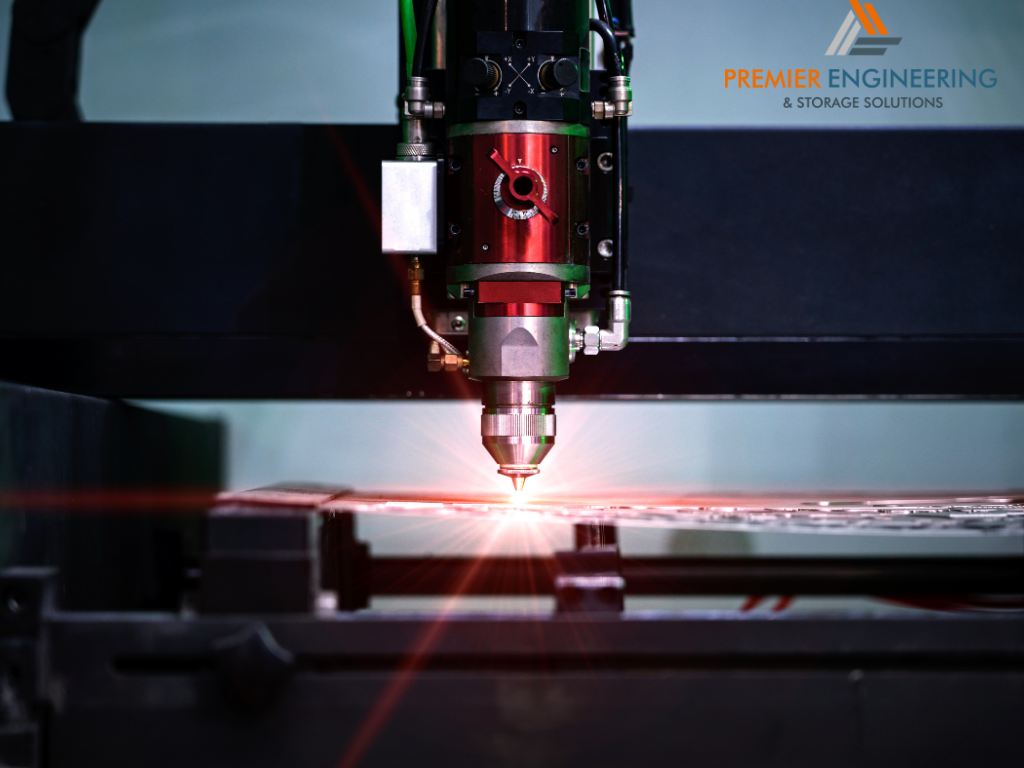
    The automotive industry employs various laser cutting technologies, with CO2 and fiber lasers being the most prevalent. CO2 lasers, known for their versatility, are used extensively for cutting, engraving, and even welding a wide range of materials, including metals, plastics, and composites. Fiber lasers, on the other hand, offer advantages in cutting reflective materials like aluminum and copper alloys, which are increasingly used in automotive manufacturing due to their lightweight properties.

    Advantages Over Traditional Cutting Methods

    Compared to traditional mechanical cutting techniques, laser cutting stands out for its precision and efficiency. It eliminates the need for tooling changes and physical contact with the workpiece, reducing wear and the likelihood of material deformation. This non-contact process also minimizes material waste, making it a more sustainable option for automotive production. Furthermore, the high level of automation associated with laser cutting machines enables faster production cycles and supports the industry’s move towards just-in-time manufacturing practices.

    Applications of Laser Cutting in Automotive Production
    laser cutting service

    Body Components and Chassis

    Laser cutting is instrumental in producing body components and chassis with high precision, contributing to vehicles’ lightweight and structural integrity. The technology’s accuracy ensures clean cuts and exact fits, essential for modern automotive designs that rely on complex geometries and tight tolerances to enhance aerodynamics and fuel efficiency.

    Interior Components

    In the realm of interior components, laser cutting is used to create parts with enhanced aesthetics and functionality. From intricate dashboard elements to custom trim pieces, laser cutting allows for the precise fabrication of components that meet the high-quality standards expected by consumers.

    Prototyping

    Rapid prototyping is another area where laser cutting technology shines in the automotive industry. It allows designers and engineers to quickly turn concepts into functional prototypes, accelerating the development process. This agility is crucial in today’s competitive market, where speed-to-market can be a significant advantage.

    Innovations in Automotive Design Enabled by Laser Cutting
    laser cutting service

    Customization

    Laser cutting technology has opened new avenues for customization in the automotive industry, allowing manufacturers to offer personalized vehicle features with unprecedented ease and precision. This technology enables the creation of unique designs, patterns, and components that can be tailored to individual preferences, enhancing customer satisfaction and providing a competitive edge in the market. From custom engraving on metal parts to intricate cutouts on exterior panels, laser cutting facilitates a level of detail and personalization that was previously difficult to achieve.

    Advanced Materials

    Working with advanced materials such as high-strength steels, aluminum, and composites is essential for the development of safer, more efficient vehicles. Laser cutting technology excels in processing these materials, maintaining precision and integrity even with the toughest alloys and composites. The ability to cut through high-strength steels enables the production of lighter, yet durable, vehicle structures, while the precision in cutting aluminum and composites supports the industry’s shift towards lightweight materials for improved fuel efficiency and performance.

    Integration with Other Manufacturing Technologies

    Laser cutting integrates seamlessly with other manufacturing technologies, such as welding, forming, and additive manufacturing, to create complex components and assemblies. This integration enhances the manufacturing process’s flexibility and efficiency, allowing for the development of components that are optimized for performance and manufacturability. For example, laser cutting can be used to prepare parts for welding with extreme accuracy or to cut intricate shapes that complement additive manufactured components, facilitating innovative designs and constructions.

    Improving Efficiency and Sustainability in Automotive Manufacturing
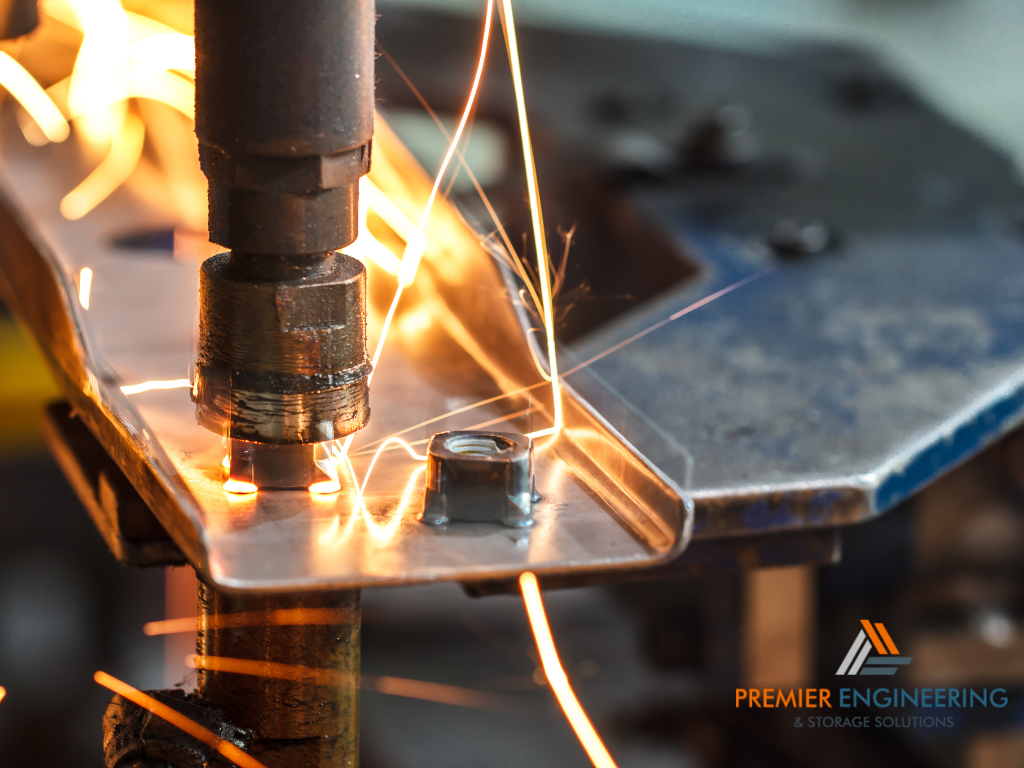
    laser cutting service

    Reducing Waste

    One of the significant advantages of laser cutting is its ability to minimize material wastage. The precision of laser cutting means that parts can be nested closely together on a sheet of material, maximizing utilization and reducing scrap. This not only makes the manufacturing process more sustainable but also reduces costs associated with material procurement and waste disposal.

    Energy Efficiency

    Laser cutting is also recognized for its contribution to energy efficiency in the automotive manufacturing process. Modern laser cutting machines are designed to consume less energy than traditional mechanical cutting methods, contributing to lower overall production costs and reducing the environmental impact of manufacturing operations. This efficiency, combined with the speed of laser cutting, enables manufacturers to achieve higher throughput with less energy consumption.

    Contributing to Lightweighting Strategies

    The precision of laser cutting plays a vital role in automotive lightweighting strategies. By enabling the use of advanced materials and facilitating intricate designs, laser cutting contributes to the production of lighter components without compromising strength or safety. This reduction in vehicle weight is crucial for enhancing fuel efficiency and reducing emissions, aligning with the automotive industry’s goals for sustainability and environmental responsibility.

    Challenges and Solutions in Automotive Laser Cutting
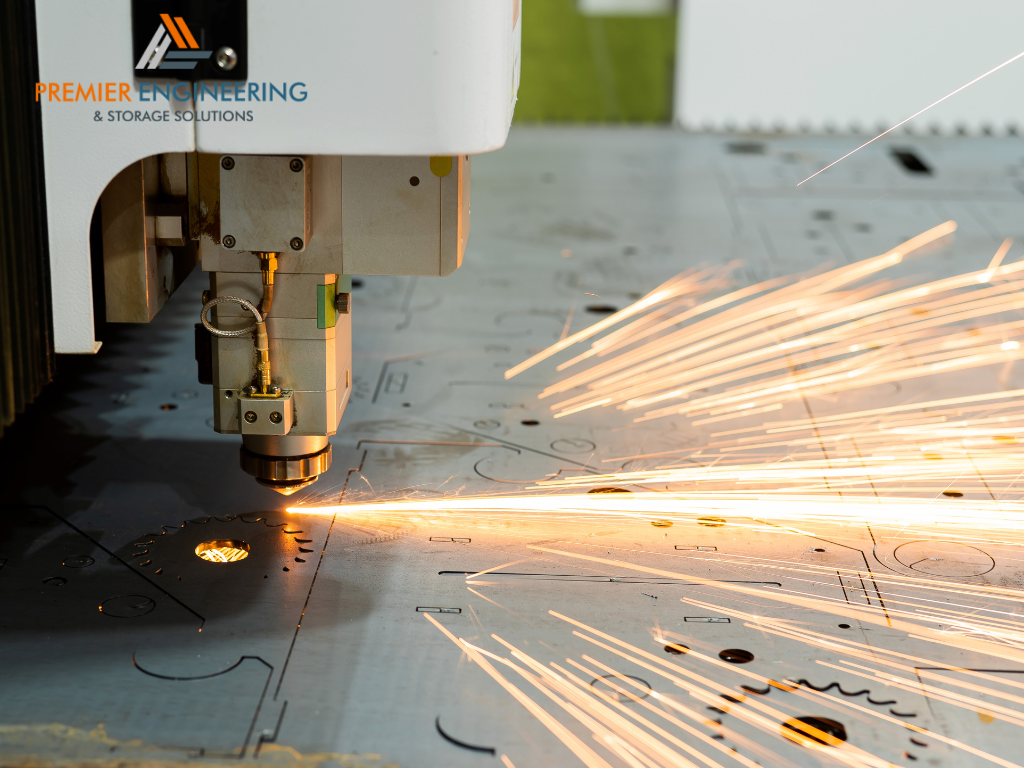
    laser cutting service

    Material Compatibility

    While laser cutting is versatile, challenges arise when working with a diverse range of materials used in automotive manufacturing. Different materials require adjustments in laser settings, such as power, speed, and focus, to achieve optimal results. Manufacturers overcome these challenges by leveraging advanced sensors and control systems that automatically adjust parameters for different materials, ensuring consistent quality and efficiency.

    Maintaining Precision in High-Volume Production

    Ensuring consistent precision in high-volume production is crucial for automotive manufacturers. Advanced calibration and real-time monitoring technologies are employed to maintain the accuracy of laser cutting machines, even under continuous operation. These technologies help identify and correct potential deviations early, ensuring that each part meets stringent quality standards.

    Safety Considerations

    The high-powered lasers used in cutting applications pose potential safety risks, including burns and eye damage. Manufacturers address these concerns by implementing strict safety protocols, such as enclosed cutting areas, safety interlocks, and protective eyewear. Additionally, ongoing training for operators and maintenance personnel ensures that safety measures are understood and followed, minimizing the risk of accidents in the workplace.

    The Future of Laser Cutting in the Automotive Industry
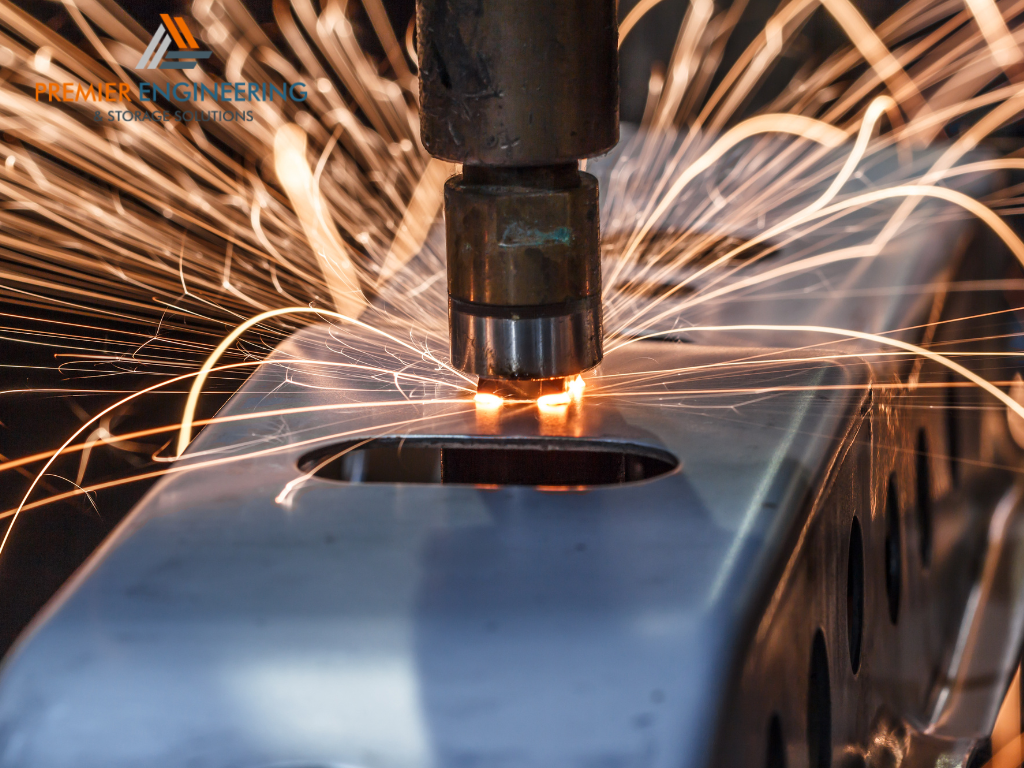
    laser cutting service

    Emerging Trends

    The future of laser cutting in automotive manufacturing looks promising, with several emerging trends poised to further revolutionize the industry. Innovations in laser technology, such as the development of more powerful and efficient laser systems, are expected to enhance cutting speed and material versatility, enabling even more complex and intricate designs. Additionally, the integration of new materials into automotive production, such as ultra-high-strength steels and advanced composites, will continue to drive the need for advanced laser cutting solutions that can handle these challenging materials with ease and precision.

    Another significant trend is the increased use of fiber lasers, which offer advantages in terms of energy efficiency, cutting speed, and maintenance over traditional CO2 lasers. Fiber lasers’ ability to cut reflective materials without back reflections damaging the equipment makes them particularly suited for automotive applications involving aluminum and copper components.

    The Role of Automation and AI

    Automation and artificial intelligence (AI) are set to play a pivotal role in the evolution of laser cutting technology in the automotive industry. Automation of laser cutting processes enables continuous operation with minimal human intervention, increasing production rates and reducing the likelihood of errors. AI, on the other hand, can optimize cutting paths, adjust settings in real-time based on material feedback, and predict maintenance needs to prevent downtime. This integration of AI into laser cutting systems not only enhances precision and efficiency but also allows for adaptive cutting strategies that can adjust to the unique requirements of each component and material type.

    Moreover, the advent of smart factories, where laser cutting machines communicate with other manufacturing systems and devices, will lead to more streamlined and cohesive production lines. These advancements in automation and AI will enable automotive manufacturers to respond more swiftly to market changes and customer demands, facilitating the production of customized and high-quality vehicles at a faster pace.

    Conclusion

    The industry’s ability to adapt and embrace these advancements will be crucial in meeting the future challenges of automotive production, including the demand for more complex designs, the need for sustainability, and the shift towards electric and autonomous vehicles. The continued evolution of laser cutting techniques promises not only to enhance the manufacturing process but also to contribute to the development of safer, more efficient, and more environmentally friendly vehicles.
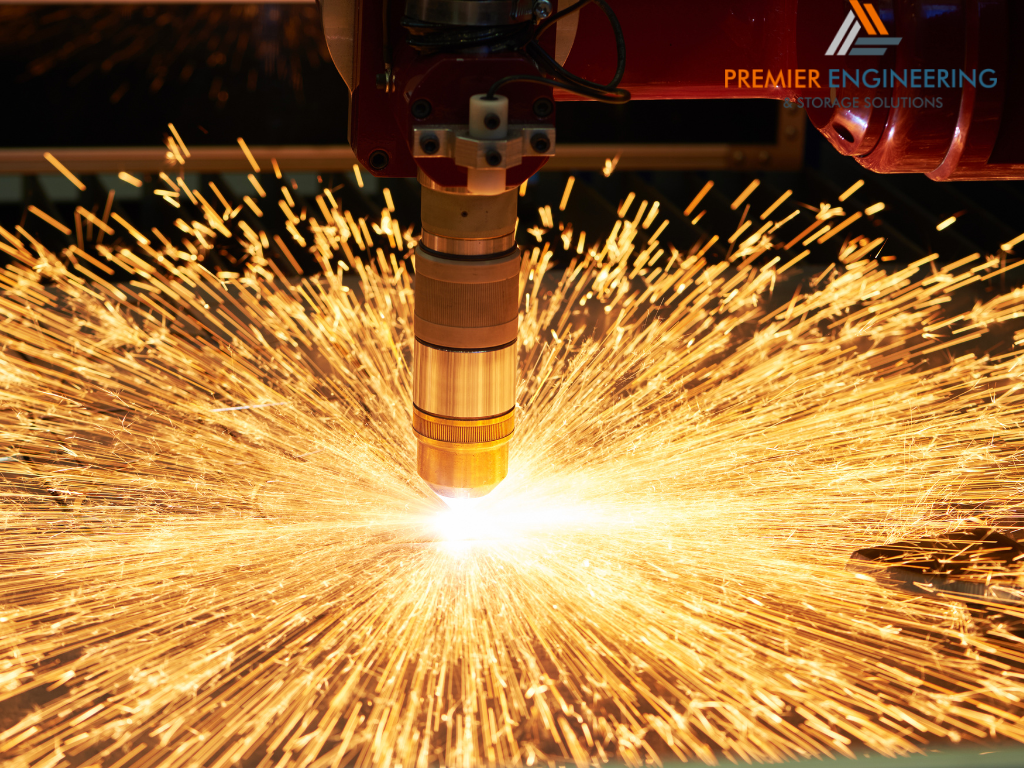
  • Laser Cutting for Prototyping and Small Batch Production

    Laser Cutting for Prototyping and Small Batch Production

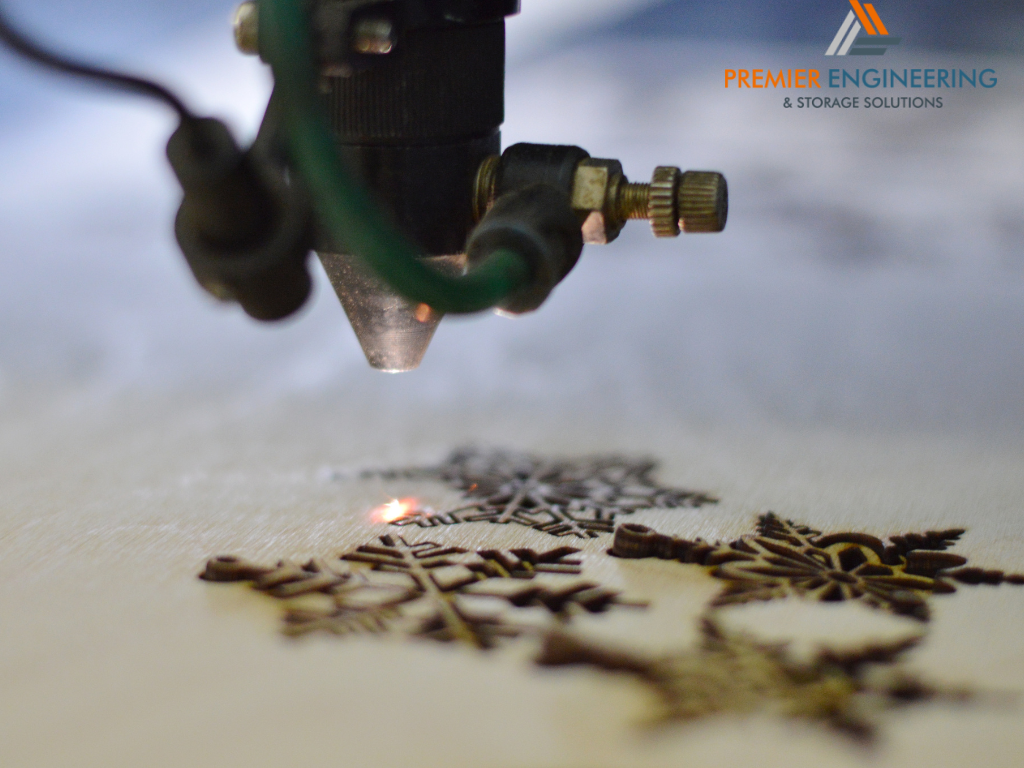
    Laser cutting, a technology that uses a high-powered laser to cut materials, has become a cornerstone in modern prototyping and production processes. Its significance lies in its precision, efficiency, and versatility, making it ideal for various project sizes, from small prototypes to large-scale productions. Laser cutting stands out for its ability to produce intricate designs with clean cuts and fine details, which are essential in both prototyping and small batch production.

    This technology is not limited by the complexity of designs, allowing for a broad range of applications across industries. The versatility of laser cutting makes it suitable for a wide array of materials, including metals, plastics, wood, and composites, thereby catering to diverse project requirements.

    Laser Cutting in the Prototyping Process

    Laser Cutting

    Benefits of Using Laser Cutting for Prototypes

    1. Speed and Precision in Prototyping: Laser cutting accelerates the prototyping process significantly. Its high-speed operation and precision allow for rapid creation of parts with exact specifications. This speed is crucial for iterative design processes where time is of the essence. The precision of laser cutting ensures that even the most intricate designs are accurately replicated, which is vital for testing and validating prototypes.
    2. Flexibility in Design Alterations: One of the key advantages of laser cutting in prototyping is the ease with which design alterations can be made. Unlike traditional manufacturing methods, changes in design do not require new tooling or significant setup changes, thus reducing the time and cost involved in making iterations.

    Material Considerations for Prototyping

    Laser Cutting

    When selecting materials for laser-cut prototypes, it’s important to consider the material properties in relation to the intended use of the prototype. Materials commonly used in laser cutting include acrylic, thin metals, wood, and certain types of foam, each offering different benefits such as durability, aesthetics, and cost-effectiveness. The choice of material will impact the prototype’s functionality, appearance, and feel, as well as the overall cost of the prototyping process.

    Transitioning from Prototype to Production

    Scaling from prototype to small batch production is seamless with laser cutting. The same design files and parameters used for creating prototypes can be employed for small scale production runs, ensuring consistency and accuracy across all units. This transition capability is especially beneficial for custom or niche products where large-scale production is not required.

    Optimising Small Batch Production with Laser Cutting

    Laser Cutting

    Advantages of Laser Cutting for Small Scale Production

    1. Customisation Capabilities and Cost-Effectiveness: Laser cutting is ideal for customised or personalised products often required in small batch production. It allows for high levels of customisation without significant increases in cost. The technology is inherently adaptable, making it cost-effective for producing small quantities of products without the need for expensive moulds or dies.
    2. Maintaining Quality in Limited Runs: Consistent quality is a hallmark of laser cutting, crucial in small batch production where each piece’s integrity is paramount. Laser cutting ensures that each item within a batch meets the same high standards of quality and precision, maintaining uniformity across the production run.

    Challenges in Small Batch Laser Cutting

    Laser Cutting

    While laser cutting offers many advantages, it also comes with its set of challenges in small batch production:

    • Material Limitations: Certain materials can be challenging to cut with a laser, such as reflective metals or materials that produce hazardous fumes when cut.
    • Thickness Limitations: There are limitations to the thickness of material that can be effectively and efficiently cut, which varies depending on the type of laser cutter and material.
    • Cost Considerations: While laser cutting is cost-effective for small batches, the initial setup cost can be significant. The balance between cost and the scale of production needs careful consideration.

    Cost Management for Laser Cutting Projects

    Laser Cutting

    Estimating Costs for Prototyping and Small Batch Production

    The cost of laser cutting projects, especially for prototyping and small batch production, can vary significantly based on several factors. Key considerations include:

    • Material Costs: The type and thickness of the material being cut.
    • Design Complexity: More intricate designs require longer cutting times, increasing costs.
    • Machine Time: The duration the laser cutter is in operation, including setup and actual cutting time.
    • Labour Costs: Expenses related to handling, finishing, and assembly of the laser-cut parts.

    Factors Influencing the Cost

    • Quantity: Larger quantities can often reduce the cost per unit, but this needs to be balanced against the total project budget.
    • Material Utilisation: Efficient layout and nesting of parts on the material sheet can minimise waste and reduce costs.

    Cost-Effective Strategies for Laser Cutting

    To reduce expenses in laser cutting without compromising quality:

    • Optimise Design: Simplify designs where possible to reduce cutting time.
    • Material Selection: Choose cost-effective materials that still meet the project requirements.
    • Batch Production: If feasible, produce larger quantities to benefit from economies of scale.

    Quality Assurance in Laser Cutting for Prototyping and Production

    Laser Cutting

    Ensuring High Quality in Outputs

    Maintaining high quality in laser cutting is critical, particularly for prototypes and small batches where each piece represents a significant portion of the production run. Implementing stringent quality control measures, such as regular machine calibration, precise material handling, and detailed inspections of finished parts, is essential.

    Quality Control Measures for Prototypes and Small Batches

    • Pre-Cutting Checks: Ensuring material quality and proper machine setup.
    • In-Process Inspections: Monitoring during the cutting process to detect any issues early.
    • Post-Cutting Quality Checks: Examining completed parts for accuracy and defects.

    Feedback and Iteration in Prototyping

    The role of client feedback and an iterative design process in prototyping is vital. Continuous communication with clients ensures that their requirements are met and any necessary adjustments are made efficiently. Iterative prototyping, where designs are refined over several iterations based on feedback, leads to a more effective end product.

    Future Trends in Laser Cutting for Prototyping and Production

    Laser Cutting

    Predicting Advancements in Laser Cutting Technology

    The future of laser cutting is expected to see advancements in areas such as increased cutting speeds, enhanced precision, and the ability to cut a wider range of materials. Innovations in software and automation will likely streamline the laser cutting process further, improving efficiency and reducing costs.

    How Future Developments Might Influence Prototyping and Small Batch Production

    Emerging technologies in laser cutting are poised to revolutionise prototyping and small batch production by enabling even more intricate designs, reducing material waste, and offering faster turnaround times. These developments could open new avenues for customisation and complex projects that are currently not feasible or too costly.

    Conclusion

    Laser cutting plays a crucial role in the efficiency and effectiveness of prototyping and small batch production. Its precision, versatility, and adaptability make it an invaluable tool across various industries and project scales. With the ongoing advancements in technology and a strategic approach to cost management and quality assurance, laser cutting continues to evolve as a key technique in modern manufacturing. The future of laser cutting promises even greater possibilities, ensuring its continued relevance and expanding its potential applications.


  • The Importance of Welding and Fabrication Services in Commercial Shelves Production

    Storage solutionsStorage solutions play a critical role in organizing our commercial spaces. Among the various types of storage options available, metal shelves, industrial shelving, and metal storage cabinets stand out for their durability and strength. But have you ever wondered how these storage cabinets and shelving units are made? The answer lies in welding and fabrication services. 

    Welding and Fabrication: The Birth of Commercial Shelves 

    Welding and fabrication are integral parts of creating sturdy and reliable commercial shelves. Through a combination of precision engineering services and mechanical engineering solutions, pieces of metal are transformed into functional shelving units. 

    First, let’s understand what welding is. Simply put, welding is a process where two pieces of metal are joined together using heat or pressure. Now, how does this fit into creating commercial shelves? Well, in a metal fabrication workshop, welding is used to join various parts of a shelf together. 

    The Role of CNC Machining Services in Shelf Production 

    The manufacturing of commercial shelves isn’t just about welding pieces together. It’s a lot more intricate. Here is where CNC machining services come into play. CNC, or Computer Numerical Control, is a process used in manufacturing where pre-programmed computer software dictates the movement of machinery. In the case of shelf production, CNC machines help cut and shape metal parts with high precision. 

    CNC machining services offer more than just accuracy. They also increase efficiency and consistency, making them vital for metal manufacturing services producing large volumes of shelving units. 

    Custom Metal Fabrication: Meeting Unique Storage Needs 

    While off-the-shelf storage solutions work for some, many businesses have unique requirements. This is where custom metal fabrication shines. Whether it’s creating industrial shelves for a warehouse or tailor-made storage cabinets for a retail store, custom metal fabrication allows for the design and production of storage solutions to fit specific needs. 

    Sheet metal fabrication companies often employ a machined components supplier who uses advanced tools and techniques to cut, bend, and assemble metal into customized shelving units. 

    The Significance of Welding and Fabrication Services 

    The journey of a piece of metal to becoming a part of your storage solution is fascinating. From welding and fabrication services in the workshop to the use of CNC machining services for precision, a lot goes into creating robust metal shelves and storage cabinets. 

    Through custom metal fabrication, these solutions can be tailored to meet the specific needs of businesses. So, the next time you see a shelving unit, you’ll know the intricate processes and engineering solutions behind its creation. Remember, effective storage solutions are not just about organizing space; they’re about engineering space to work for you. 

    Digging Deeper on Storage Solutions

    Now that we’ve shed some light on how commercial shelves are made, let’s delve deeper into some of your burning questions. 

    Distinction Between Welding and Fabrication 

    You may wonder, “What are the key differences between welding and fabrication?” While these processes often work hand in hand, they are not the same. Fabrication is the overarching process of creating a metal product, which involves several steps, one of which is welding. Welding, as we’ve learned, is the process of joining two pieces of metal together. 

    Companies like Premier Engineering specialize in these processes, employing their expertise in precision engineering services to craft top-quality metal shelves and storage solutions. 

    The Role of CNC Machining in Efficiency and Accuracy 

    Another interesting query to explore is, “How does CNC machining contribute to the efficiency and accuracy of manufacturing industrial shelves and storage cabinets?” Well, the answer lies in the level of precision that CNC machining services provide. 

    When creating shelving units, accuracy is paramount. CNC machines, with their computer-guided machinery, help cut and shape metal components with high precision. This efficiency helps companies like Premier Engineering maintain a high level of quality across all their products, from commercial shelves to custom-built storage cabinets. 

    Considering Custom Metal Fabrication for Your Business 

    Finally, you might be asking, “What factors should I consider when seeking custom metal fabrication for my unique storage needs?” Well, every business is different, and so are its storage needs. Custom metal fabrication allows for the design and production of storage solutions tailored to your specifications. 

    When contemplating custom solutions, consider the space you have, the items you need to store, and the workflow of your operations. A reputable sheet metal fabrication company like Premier Engineering can guide you through this process, helping you design a solution that best fits your needs. 

    Remember, the journey to effective storage solutions is not just about finding a product that fits your space. It’s about finding a solution that fits your operations. It’s about understanding the intricate processes behind each shelving unit’s creation and appreciating the expertise and precision it took to engineer these vital components of your commercial space. 

  • Welding

    Search Results for: sheet metal manufacturing – Page 9

    Welding is a critical process for producing everything from industrial shelving units to a metal storage cabinet among other items.

    Welding: The Backbone of Premier Engineering Solutions

    Understanding Welding

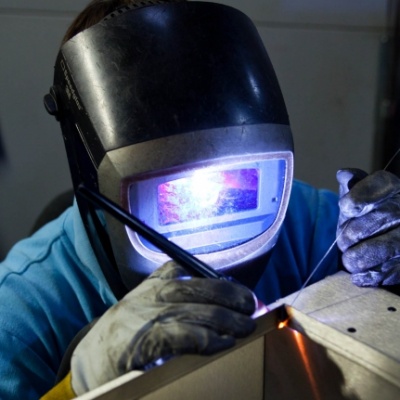
    Welding plays a pivotal role in crafting a diverse range of products, from industrial shelving units and metal storage cabinets to complex mechanical assemblies. This process involves the fusion of individual components using precise measurements, the right heat, and optimal force.

    Premier Engineering’s Commitment to Excellence in Welding

    At Premier Engineering, we recognize the indispensable nature of welding in the realm of sheet metal applications. Ensuring the highest standards, our dedicated welding team ensures each project is executed flawlessly on its first attempt.

    Our welding professionals are not just skilled in traditional methods, but are also adept at incorporating the latest technologies in the field. Their proficiency is complemented by their meticulousness and caution, ensuring that each weld is both robust and aesthetically pleasing.

    Safety is paramount in our operations. Our team is equipped with the best safety gear and is trained to adhere to stringent safety protocols, guaranteeing the safe production of all items, from metal shelves to workbenches.

    Investing in the Future

    Our commitment doesn’t stop at delivering top-notch services. We continually invest in cutting-edge welding equipment and technology, ensuring we remain at the forefront of industry innovations. This dedication not only underscores welding’s critical role in manufacturing but also ensures our offerings, be it storage solutions or laser cutting services in Sydney, remain unparalleled in quality.

    Integrated Services for Comprehensive Needs

    Beyond welding, Premier Engineering stands as a beacon for diverse services and products. Whether you’re in search of a durable workbench, industrial shelving units, or advanced laser cutting services, we’ve got you covered. Our expansive portfolio, including steel laser cutting services and CNC cutting services, promises both versatility and excellence.

    For top-tier welding, laser cutting, and storage solutions, trust in the expertise of Premier Engineering.

    Welding

    FREE Quote

    Have a project coming up? Request for a FREE quote and we will let you know what we can do to help.

  • Tips For Engraving And Cutting With CNC Machining

    Being an engineer and a hobbyist you might do a lot of engraving or cutting and there is no way you aren’t familiar with the drawing trend in the immense potential of CNC machining.

    Varying from Jewelers to gun shops, collectible figurine makers to engine designers, many hobbyists also use CNC mills to perform complex engraving and cutting tasks. Here are some of the tips about how to get the most out of an automated CNC machine.

    1.    Choose the Right Cutting Tool

    When engraving, use the right tool according to the pattern in order to get accurate results. Wider angle cutting tools are better for engraving larger patterns and vice versa. To maximize efficiency, you should typically use the largest cutting angle and tip while carving hard materials.

    2.    Be Mindful of Your Spindle Speed

    Small shank tools are meant to be used with low-power spindle motors and to minimize resistance in high-speed milling for optimal results, the cutting speed shouldn’t be too fast. To increase speed, use large shank diameter engraving tools for high-power motors.

    3.    The Length of Your Cutting Tool Matters Too

    It is usually recommended to add 2mm-3mm to the measured processing sheet thickness while choosing the right blade length for carving knives. You must opt for a shorter blade length either for cutting acrylic or when the motor speed is between 18000-24000 RPM.

    4.    A Note on Broken Tools

    In case you are using high-quality tools and they are still breaking frequently then it might be an issue with the carving settings, including the rail and motor precision, plate material hardness, or fixture issues.

    5.    Consider an Engraving Attachment

    For more creative opportunities, the optional engraving attachment combined with the 3D machining capabilities can be used.

    In case you are totally unfamiliar with the CNC machining services and are on the hunt for engineering solutions in metal manufacturing then Premier Engineering and Storage Solutions is the right option for you.

    We specialize in various CNC machining services including CNC cutting services,  CNC punching services, prototyping, laser cutting among many others.

  • Why CNC Machining is Better Than Stainless Steel Casting

    Stainless steel (SS) is a widely preferred material for industrial and commercial product manufacturing due to its high ductility, lustrous surface finish, high-temperature sustainability, and high strength, which makes it highly suitable for manufacturing industrial products.

    Earlier, for manufacturing purposes, stainless steel casting was preferred due to the high-temperature stainability and moldability of stainless steel material. Although stainless steel is still being used by industrial manufacturers, stainless steel CNC machining has replaced the older casting technique as it produces dimensional defects and involves long production cycles.

    The following is the breakdown of some beneficial factors that give stainless steel CNC machining an edge over stainless steel casting.

    • Saves The Cost Of The MoldUnlike casting, CNC machining does not require a mold. By the use of various cutting tools that are focused via numeric computer code, the CNC machines shape a product.
    • Allows The Complex Production
      Unlike casting, CNC machining doesn’t have any limitations and can be used for a minute and complex part production. For intricate products, the casting process may give dimensional errors along with a rough surface. CNC machining gives precise production that can be efficiently performed over consistent feed, appropriate tooling, and low-tolerance dimensional coding.
    • Production At Faster Pace
      Stainless steel CNC machining is a quicker manufacturing process that includes generating a computer code followed by setting the workpiece, and post-production ejection of the stainless steel component. Conversely in the casting process, the time-consuming activity of mold setting is followed by the melting and cooling of metal after which the final product is ejected from the mold.
    • Dimensional Precision and Stability
      CNC operations are computer-managed and can be performed at low dimensional tolerance, and it does not require extreme heating or cooling of stainless steel sheets. Therefore, the chances of human error for dimensional accuracy are minimal. Whereas, casting processes sometimes require extreme heating and cooling that might alter the dimensional accuracy of the final product.

    Premier Engineering and Storage Solutions is the pioneer in CNC machining. We use state-of-the-art techniques for our services, including CNC cutting services and CNC punching services.

  • WHAT IS CNC LASER CUTTING AND TURRET PUNCHING?

    Both CNC punching services or turret punching can be used when cutting sheet metal fabrication material. With the development of both technologies, manufacturers can use both laser cutting methods. Many of the laser cutting providers mainly focus on the new capabilities and better ways of turret punches also have plenty of utilities. An experienced operator can perform any of the high-quality work in the proper way with any of these machines, whether CNC Laser cutting or Turret punching machine.

    Difference between CNC Laser cutting and Turret Punching Machine

    Turret Punching: During the turret punching process, the operator places a sheet of metal between a punch and a die. The punch presses into the material, pushing excess metal into the die. Computer numerical control (CNC) turret punching uses computer programming to follow a design’s direction. This coding allows the punch to perform an automated cutting process.

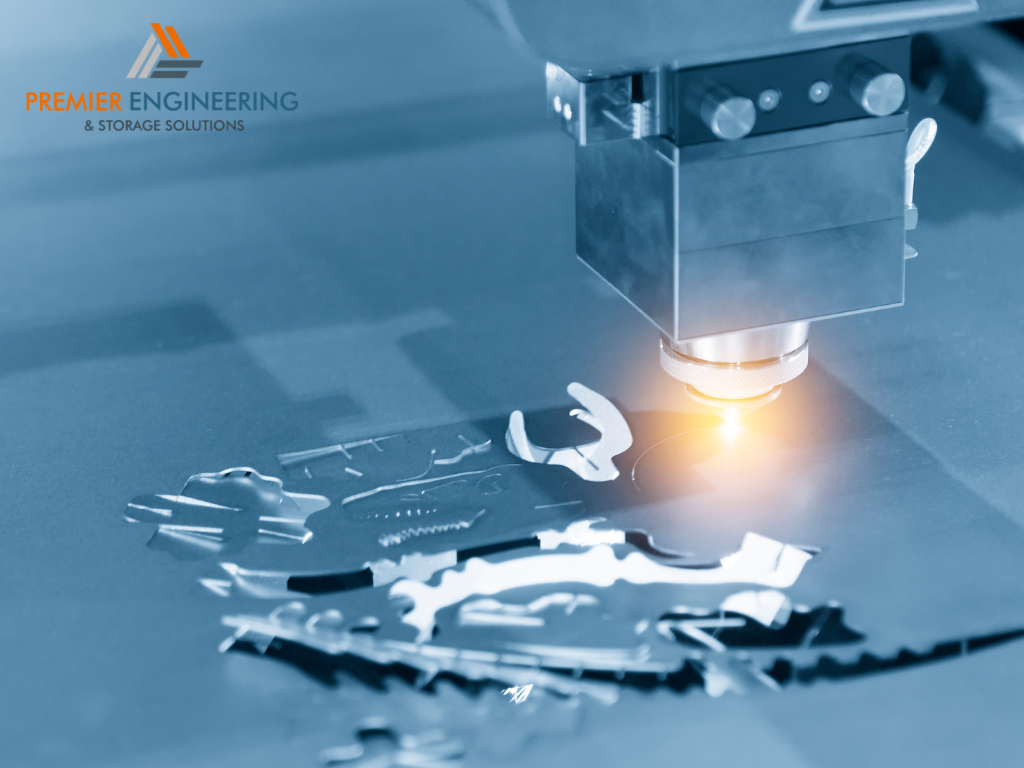
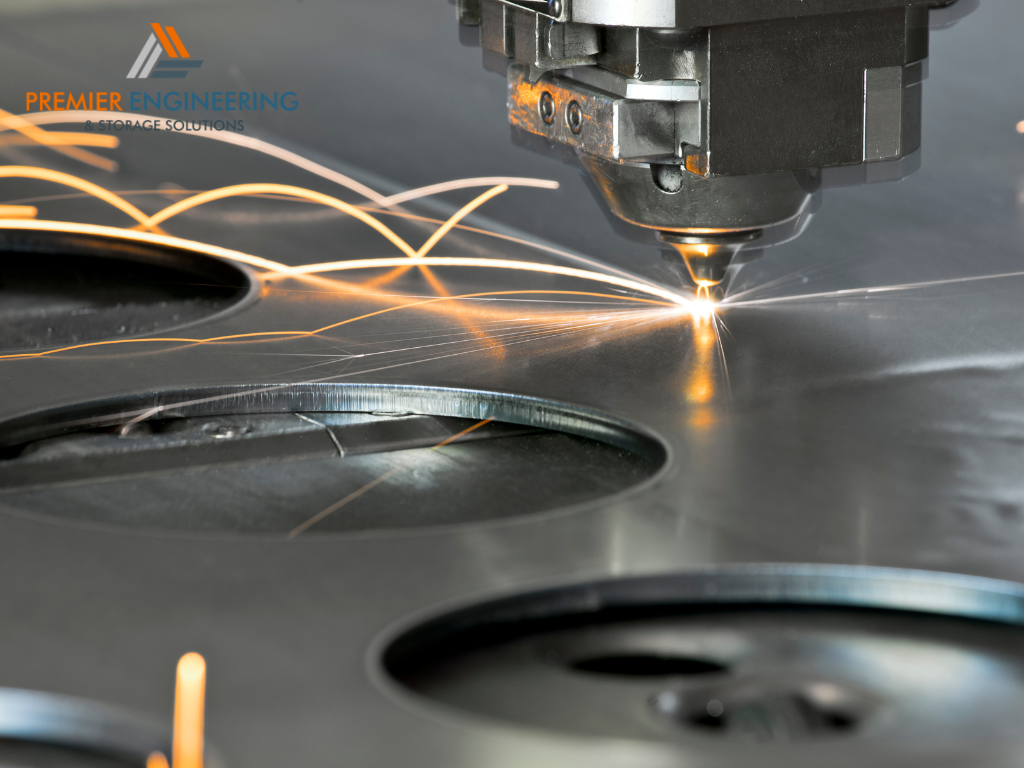
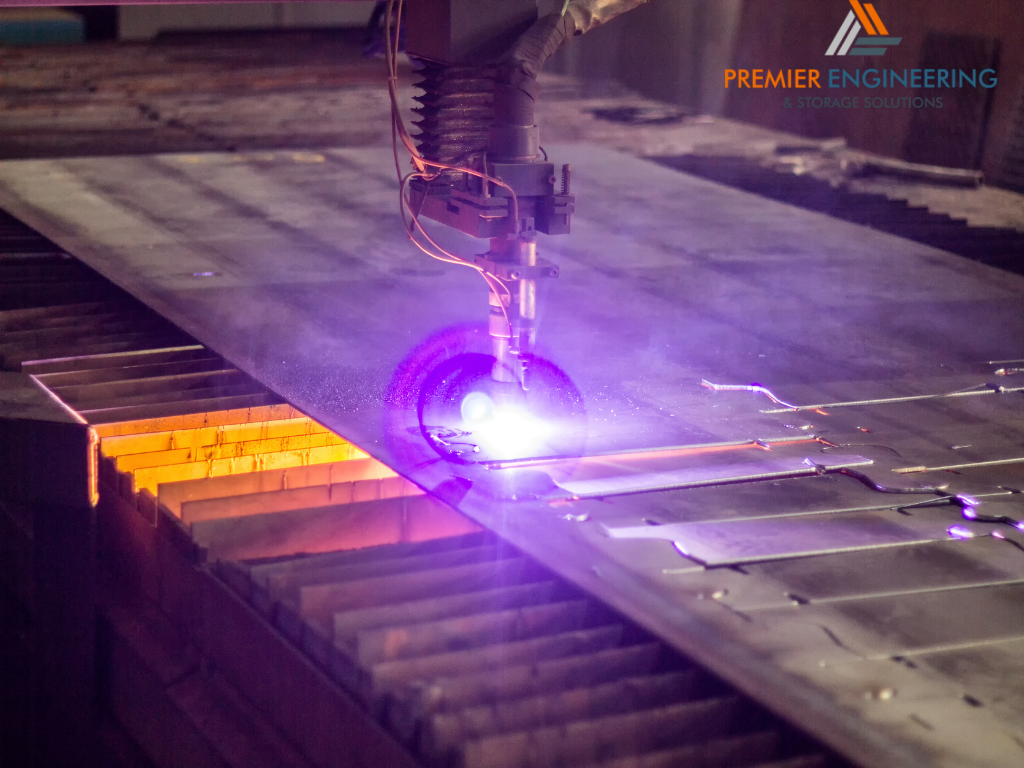
    Laser cutting: Laser cutters use a focused beam and gas to vaporize sheet metal. The beam cuts through the metal, then a stream of gas blows through the cut area to form the desired cut-out. Coated mirrors guide and focus the laser beam while shielding it from the operator’s eyes. A laser cutter can also use CNC technology to automate the vaporization process.

    Each machine suits different situations better than the other. A turret punch can fit more applications than some professionals may think.

    VERSATILITY OF CNC TURRET PUNCHING VS. LASER CUTTING

    A turret punch and laser cutting services can have similar levels of versatility, depending on the model used. Generally, laser cutters can cut into thicker material than turret punches. Advanced turret punch models have stronger cutting power that allows them to work with more metals. Turret punches can perform more secondary operations than laser cutters, including:

    Tapping

    Blanking

    Forming

    Extruding

    Deburring

    With a turret punch machine, a fabrication shop can save time and money on processes that laser cutters cannot handle. To get more information call us on  0481 115 752