Stainless steel storage cabinets are a practical choice for Australian businesses that need durable, organised and easy-to-maintain storage. From commercial kitchens and food preparation areas to manufacturing workshops and healthcare facilities, the right cabinet can help businesses manage equipment, supplies and everyday workplace activities.
However, not every stainless steel cabinet is suitable for every commercial environment. Storage requirements vary depending on the items being stored, available space, cleaning procedures and operating conditions.
Some workplaces need wall-mounted cabinets to preserve floor space, while others require floor-standing units with adjustable shelves or secure compartments. Material grade, cabinet construction and installation requirements also influence the decision.
Understanding these factors helps businesses compare available products and determine when standard cabinets or custom fabrication may be appropriate.
Understanding Stainless Steel Cabinets for Commercial Workplaces
Why Businesses Choose Stainless Steel Storage Cabinets
Stainless steel is widely used in commercial environments because of its corrosion resistance, durability and suitability for regular cleaning.
Its smooth, non-porous surface can make routine maintenance more manageable when the cabinet is appropriately designed and maintained.
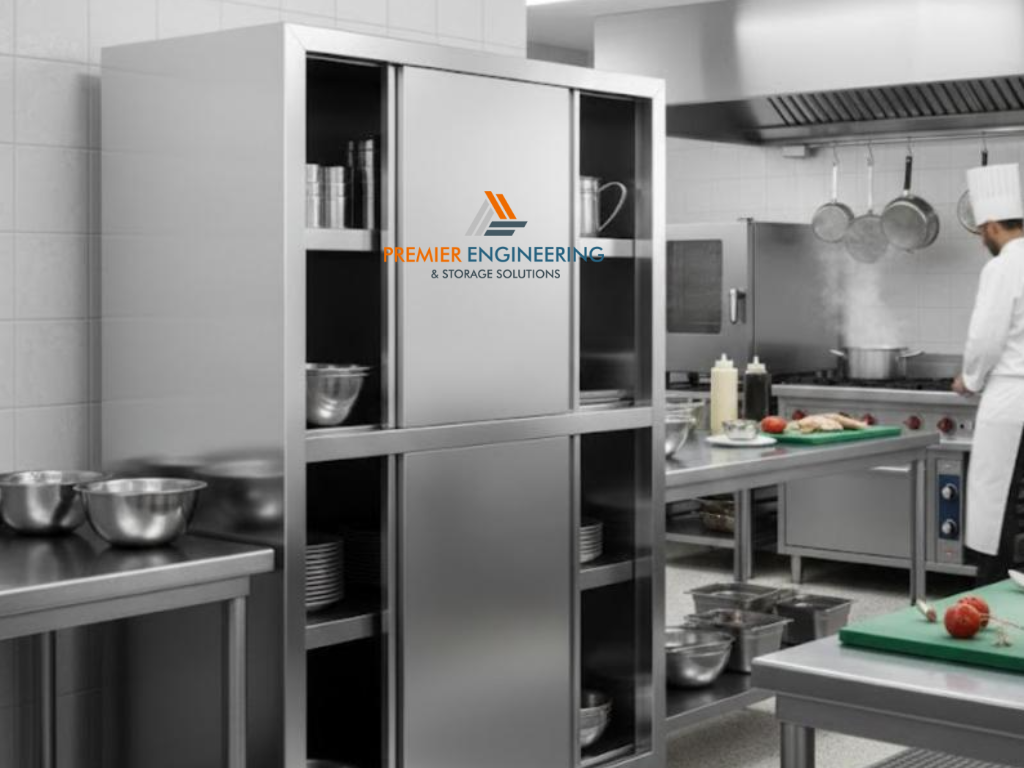
In commercial kitchens, stainless steel cabinets may be used to store utensils, cookware and other workplace supplies.
Manufacturing facilities may use them for tools, equipment components and maintenance materials. Healthcare and laboratory environments may also require cabinets with suitable cleaning and storage features.
However, stainless steel is not completely resistant to corrosion.
Its performance depends on the material grade, surface finish, environmental exposure and maintenance practices.
Businesses should consider these factors before purchasing stainless steel storage cabinets for demanding conditions.
Common Storage Requirements Across Industries
Different workplaces require different storage arrangements.
A restaurant kitchen may prioritise accessible shelving, easy cleaning and separation of stored items.
An industrial workshop may need secure compartments, stronger shelving or storage for tools of different sizes.
Healthcare facilities may require specific cleaning procedures and controlled access to supplies.
General metal storage cabinets can meet many workplace requirements, but their suitability depends on the materials used and the surrounding environment.
For example, a painted steel cabinet may be appropriate for a dry storage room but unsuitable for an area exposed to frequent moisture or aggressive cleaning products.
The right cabinet should match the stored contents, expected usage and environmental conditions rather than appearance alone.
Choosing the Right Stainless Steel Grade and Finish
Understanding 304 and 316 Stainless Steel Storage Cabinets
Material grade is an important consideration when selecting stainless steel for commercial storage.
Grade 304 is commonly used for general-purpose stainless steel applications, including many indoor commercial environments.
Grade 316 contains molybdenum, which improves resistance to certain forms of corrosion, particularly in chloride-containing environments.
This can make grade 316 worth considering where equipment is exposed to more demanding conditions.
However, choosing a higher grade is not automatically necessary for every installation.
For example, cabinets used in a relatively dry indoor storage room may have different requirements from equipment exposed to salt deposits or frequent chemical cleaning.
Businesses comparing stainless steel storage cabinets should confirm the actual material grade with the supplier.
The selection should reflect environmental exposure, cleaning practices and the intended service life.
Why Sheet Thickness and Surface Finish Matter
Material thickness contributes to cabinet construction, but the overall design determines how effectively a cabinet supports its intended load.
Shelves, folded edges, reinforcement, joints and mounting arrangements all influence structural performance.
Surface finish also affects appearance and maintenance.
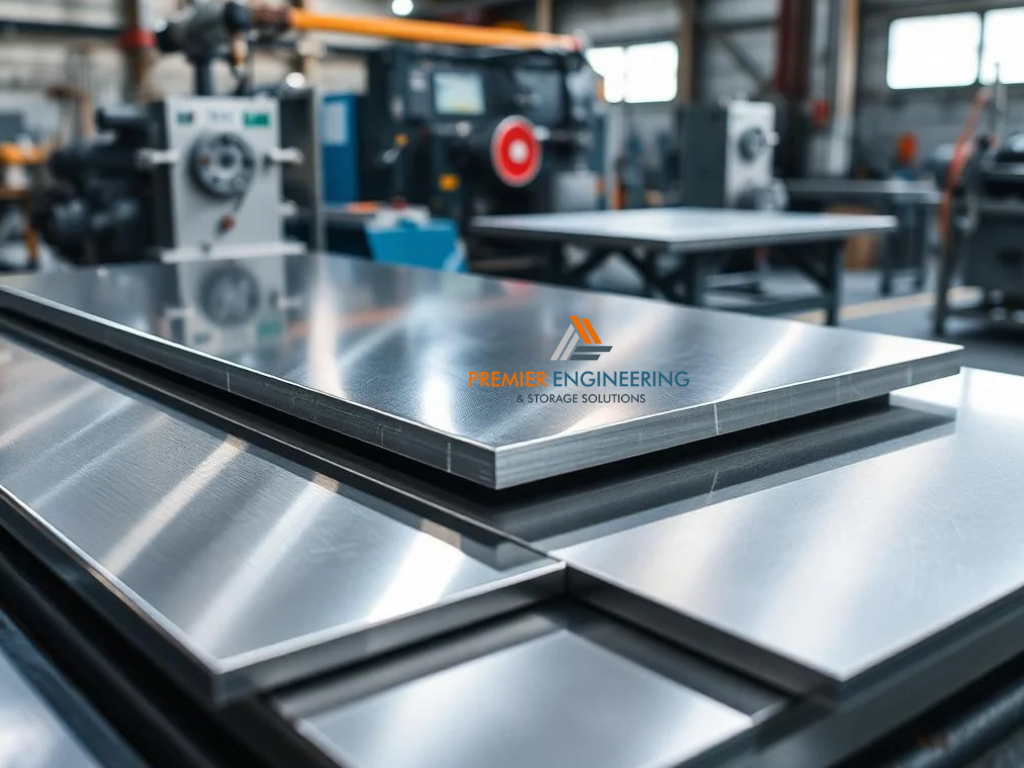
Brushed stainless steel is commonly used in commercial environments, while other finishes may be specified for particular applications.
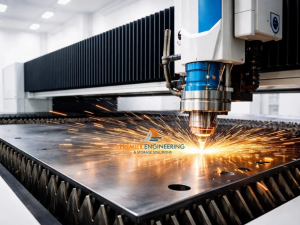
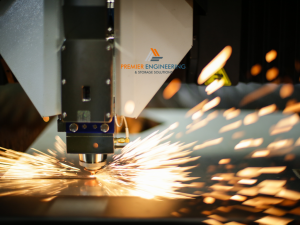
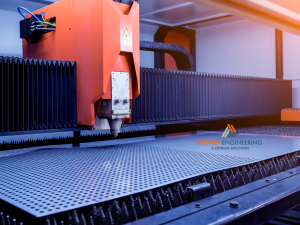
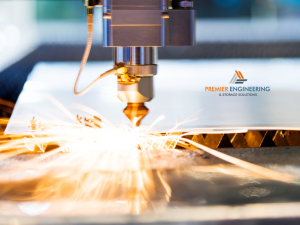
During custom manufacturing, cnc stainless steel cutting and processing may be used to produce cabinet panels, doors and other sheet metal components.
The selected process must suit the material grade, thickness and component requirements.
Businesses should also consider how easily cabinet corners, handles and joints can be cleaned.
A well-designed surface with accessible cleaning areas can be more practical than a cabinet with unnecessary gaps or difficult-to-reach sections.
Comparing Cabinet Designs, Sizes and Storage Features
Wall-Mounted vs Floor-Standing Stainless Steel Storage Cabinets
Cabinet configuration should be selected according to available space and the items requiring storage.
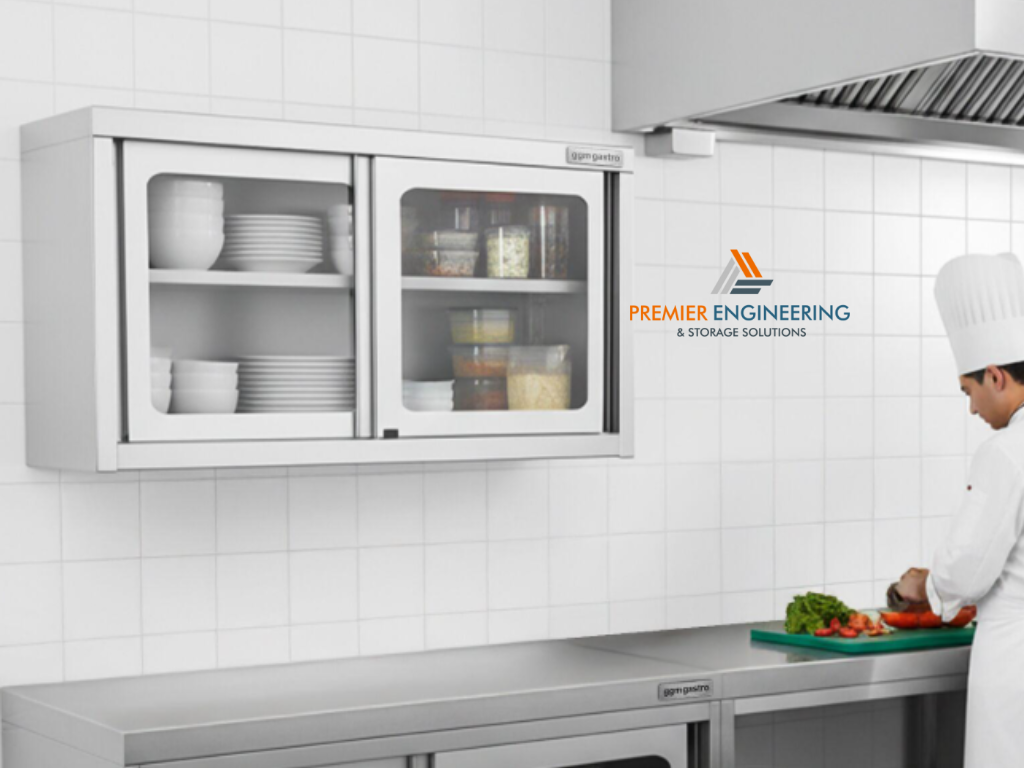
Wall-mounted cabinets can help preserve floor space and keep frequently used supplies within convenient reach.
They may be useful in commercial kitchens, preparation areas and workrooms where floor space is limited.
However, wall-mounted cabinets require appropriate structural support and secure installation.
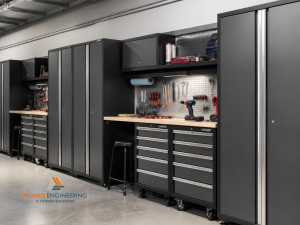
Floor-standing stainless steel storage cabinets can provide additional capacity for larger or heavier items when designed and rated for those loads.
Businesses should measure the installation area and consider nearby doors, equipment and walkways before ordering.
Floor access for cleaning and the ability to move safely around the cabinet are equally important.
Choosing between wall-mounted and floor-standing designs involves balancing accessibility, load requirements and the available workplace layout.
Choosing Shelving, Doors and Locking Options
Internal organisation can make a significant difference to everyday cabinet use.
Adjustable shelves may help accommodate changing storage requirements, while fixed shelving can suit applications with consistent item dimensions.
Hinged doors offer convenient access when sufficient opening space is available.
Sliding doors may be preferable in narrow work areas where outward door clearance is restricted.
Lockable compartments can also be useful when stored items require controlled access.
When comparing the best metal storage cabinets, businesses should look beyond the number of shelves or external dimensions.
Shelf load ratings, door hardware, accessibility and maintenance requirements all affect suitability.
A cabinet that provides sufficient storage but obstructs a busy walkway may not be the right choice for the workplace.
Understanding Hygiene, Safety and Maintenance Requirements
Cleaning Stainless Steel Storage Cabinets in Commercial Settings
Cleaning requirements should influence cabinet selection, particularly in food preparation and processing environments.
Stainless steel surfaces can be relatively straightforward to clean, but cabinet design remains important.
Open joints, inaccessible corners and poorly positioned shelves can allow dirt or food residue to accumulate.
Australian Food Standards Code Standard 3.2.3 addresses the design and construction of food premises and equipment, including requirements intended to support effective cleaning and reduce contamination risks.
This does not mean every stainless steel cabinet automatically meets the requirements of a food business.
Businesses must consider the complete installation, intended use and applicable food safety obligations.
Regular cleaning should follow suitable procedures and the cabinet manufacturer’s recommendations.
For stainless steel storage cabinets used in food environments, appropriate cleaning access and maintenance are just as important as material selection.
Preventing Corrosion, Damage and Storage Hazards
Stainless steel requires maintenance to retain its appearance and corrosion resistance.
Salt deposits, incompatible chemicals and neglected cleaning can contribute to surface damage.
Cleaning products containing unsuitable chlorides or abrasive ingredients may also affect stainless steel finishes.
Businesses should use appropriate cleaning methods, rinse where recommended and avoid allowing residues to remain on surfaces.
Cabinet safety requires equal attention.
Overloaded shelves, unstable installations and damaged door hardware can create workplace hazards.
Stored items should remain within the cabinet’s specified load limits.
Wall-mounted units must be installed using suitable fixings and structural support.
For specialised or heavy storage applications, businesses should confirm the cabinet’s rated capacity and installation requirements before use.
Standard vs Custom Stainless Steel Storage Cabinets
When Standard Cabinets Are Suitable
Standard cabinets can be practical when the required dimensions and storage arrangement match an existing product.
They are often available in common configurations, including floor-standing cupboards, wall-mounted units and cabinets with different door arrangements.
For straightforward storage requirements, purchasing a standard product may avoid the additional design work involved in custom manufacturing.
However, buyers should still verify the material grade, external dimensions, shelf capacity and installation requirements.
Some metal storage cabinets use painted or coated steel rather than stainless steel.
These products may be appropriate for certain environments but should not be treated as equivalent to stainless steel in every application.
Businesses should compare specifications rather than relying on general product descriptions.
If an existing cabinet meets the operational requirements, custom fabrication may provide little additional benefit.
When Custom Cabinet Fabrication Is Worth Considering
Custom fabrication may be useful when standard cabinets cannot accommodate the available space or required storage layout.
For example, a workplace may need unusual cabinet dimensions, equipment-specific compartments or a particular door arrangement.
A custom project may also require integrated shelving, mounting points or features designed around existing machinery.
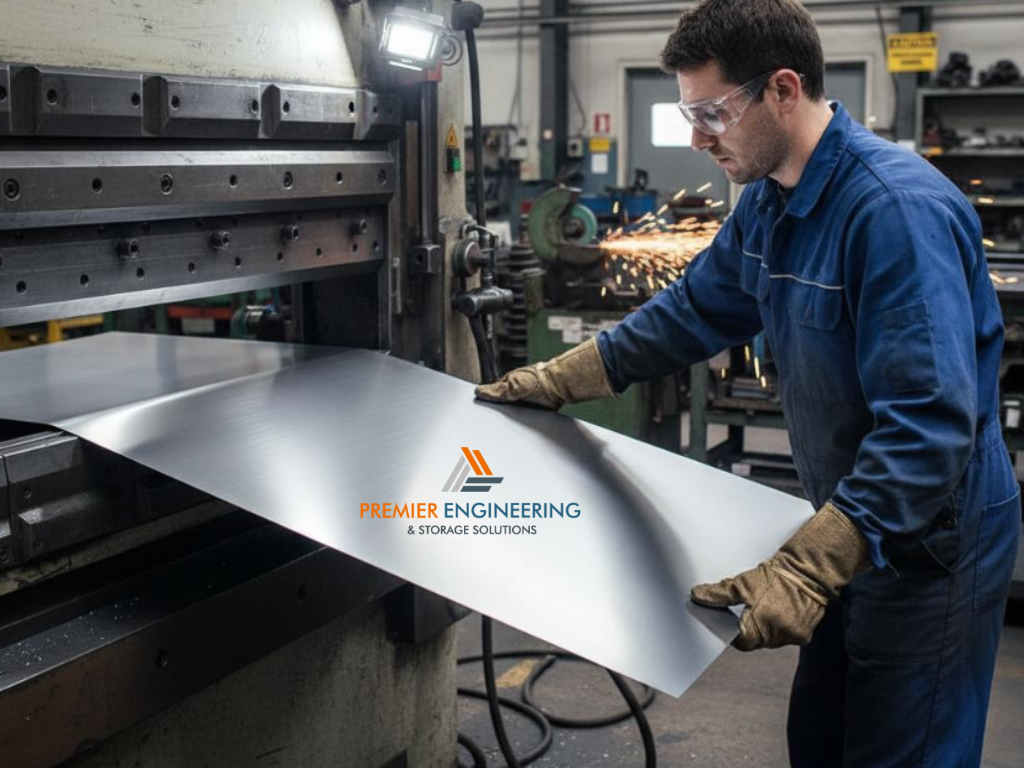
Manufacturing these cabinets can involve cutting, bending, joining and finishing sheet metal components.
Producing high-precision sheet metal parts may be important when doors, shelves and cabinet panels must fit together accurately.
Technical drawings help communicate the intended dimensions, material specifications and assembly requirements.
However, custom manufacturing can involve additional design and production costs.
Businesses should consider whether the operational benefits justify those requirements before proceeding.
Choosing the Right Cabinet Supplier or Fabrication Service
What to Look for in Commercial Stainless Steel Storage Cabinets
Choosing a suitable supplier begins with understanding the storage requirements and comparing verified product specifications.
Customers should ask about available stainless steel grades, cabinet dimensions, shelf load ratings, construction details and finishing options.
The best metal storage cabinets are not necessarily the most expensive products. They are the cabinets that provide an appropriate combination of capacity, durability, accessibility and maintenance requirements.
A supplier should also explain whether standard cabinets are available or whether custom manufacturing is needed.
Premier Engineering & Storage Solutions offers shelving units and storage cabinet solutions alongside its broader sheet metal manufacturing capabilities.
Businesses considering stainless steel storage cabinets should confirm the available materials, designs and specifications directly before ordering.
This is particularly important when cabinets will be installed in workplaces with specialised hygiene, environmental or loading requirements.
Understanding CNC Cutting, Bending and Cabinet Manufacturing
Custom cabinet production may involve several manufacturing processes.
CNC cutting can be used to prepare panels, shelves, doors and other components according to technical drawings.
A metal bending press, also known as a press brake, forms sheet metal into the required angles and profiles.
Bending can create folded cabinet edges, shelf supports and other structural features.
Additional operations may include welding, fastener insertion and surface finishing.
Accurate drawings are important because the individual parts must fit together correctly during assembly.
Premier Engineering lists CNC cutting, punching, press brake bending and related fabrication services as part of its manufacturing capabilities.
For businesses in Sydney and Western Sydney, discussing the full project with a fabricator can help establish whether the required cabinet design is practical to manufacture.
Actual material compatibility, tolerances and available finishes should be confirmed before production.
Planning Your Commercial Cabinet Purchase or Custom Order
What to Confirm Before Ordering Stainless Steel Storage Cabinets
Before contacting a supplier, prepare a clear description of the intended storage application.
Start by identifying the items to be stored and their approximate dimensions and weight.
Measure the installation area, including available height, width and depth.
Consider door clearance, nearby equipment, access routes and whether the cabinet will be mounted or placed on the floor.
The operating environment is also important.
For example, a cabinet used in a commercial kitchen may have different cleaning and material requirements from one installed in a dry industrial storeroom.
Businesses ordering custom stainless steel storage cabinets should provide drawings or measurements, preferred material specifications and required internal features.
These details help the supplier assess the appropriate design, manufacturing processes and installation considerations.
Comparing Costs, Lead Times and Long-Term Value
Cabinet pricing depends on several factors, including size, material grade, construction and the features required.
A larger cabinet may need additional material and reinforcement.
Specialised shelving, locking systems, custom doors and non-standard dimensions can also influence costs.
For custom manufacturing, design preparation, cutting, bending, welding and finishing contribute to the overall quotation.
Businesses should compare the complete cost rather than focusing only on the cabinet’s initial price.
Delivery, installation, maintenance and expected service conditions are also relevant.
Premier Engineering provides an online quotation enquiry for businesses seeking information about relevant storage and fabrication requirements.
Customers can provide measurements, drawings and material specifications to discuss suitable manufacturing options.
Selecting stainless steel storage cabinets is ultimately about matching the cabinet to the workplace.
By considering material grade, storage layout, cleaning requirements, structural suitability and supplier capabilities, Australian businesses can make informed purchasing decisions and choose storage solutions that support their daily operations.