Laser cutting Sydney services can be useful for everything from one-off custom parts to repeat production, but the quality of the result depends heavily on what is confirmed before the job starts. Material type, thickness, design files, tolerances, finishing, quantity and delivery can all affect the final outcome and the price.
For customers comparing suppliers, asking the right questions early can prevent delays, unexpected costs and unsuitable material choices. It can also help determine whether laser cutting is the best process or whether another method, such as CNC cutting services, may be more appropriate.
Laser cutting Sydney suppliers do not all work with the same materials, thicknesses or equipment. Before sending a file or approving a quote, confirm that the supplier regularly works with the material your project requires.
Different materials behave differently under heat, which affects edge quality, cutting speed and the equipment needed.
What Materials Can Laser Cutting Sydney Services Handle?
Laser cutting Sydney services may work with materials such as mild steel, stainless steel, aluminium, acrylic and other sheet products, depending on the machinery available.
However, material suitability should never be assumed.
Some suppliers specialize in metal fabrication, while others may focus more heavily on acrylic or signage-related work. The cutting system used can also affect what is practical.
If your project involves metal, provide the exact grade and thickness where possible. For acrylic laser cutting Sydney jobs, confirm whether the supplier works with the specific acrylic type and thickness you intend to use.
This is particularly important if the appearance of the cut edge matters, as different plastics can react differently to heat.
The more precise the material information is at the quoting stage, the easier it is for the supplier to determine whether the job is suitable for their equipment.
How Laser Cutting Sydney Differs by Material Type
Laser cutting Sydney requirements can change significantly depending on whether the job involves metal or plastic.
Acrylic can often produce a clean, polished-looking edge when cut correctly, which is useful for signage, displays and decorative components. Metal cutting places different demands on the machine, including power, cutting gas and material handling.
An industrial steel cutting machine may be designed around thicker metal sheets and production work, while equipment used for acrylic may be configured differently.
Material thickness also affects cutting speed and heat input.
This is why it is better to ask how the supplier handles your exact material rather than simply asking whether they offer laser cutting.
Once the material is confirmed, the next step is checking whether the dimensions and thickness fit within the supplier’s equipment limits.
Ask About Thickness, Size and Cutting Limits
Laser cutting Sydney equipment has physical and technical limits. Even if a supplier works with your chosen material, the sheet size or thickness may still affect whether the part can be produced as designed.
These limits should be confirmed before the design is finalized.
What Thickness Can Laser Cutting Sydney Equipment Process?
Laser cutting Sydney capability depends on the type of machine, laser power, material and the finish expected from the cut.
A supplier may be able to cut one material at a greater thickness than another. Mild steel, stainless steel, aluminium and acrylic can all have different practical limits.
The fact that a machine can technically cut a certain thickness does not always mean that every shape, tolerance or finish is practical at that thickness.
Thicker materials can require slower cutting speeds and may produce different edge characteristics.
If the job involves a particular structural or fabrication requirement, tell the supplier what the final part will be used for. This gives them more context when assessing whether the proposed material and thickness are appropriate.
What Size Limits Apply to Laser Cutting Sydney Projects?
Laser cutting Sydney suppliers also work within a defined cutting bed size.
If the part is larger than the machine’s working area, the design may need to be divided into sections, produced using another process or reconsidered altogether.
Sheet size can also affect material utilization and cost.
For larger projects, ask whether standard sheet sizes can accommodate the design efficiently. Poor nesting or an unusual component shape can create significant waste even when the cutting itself is straightforward.
This is also where laser cutting Western Sydney customers may benefit from discussing material supply with the fabricator before ordering sheets independently.
Check What Design Files Are Required
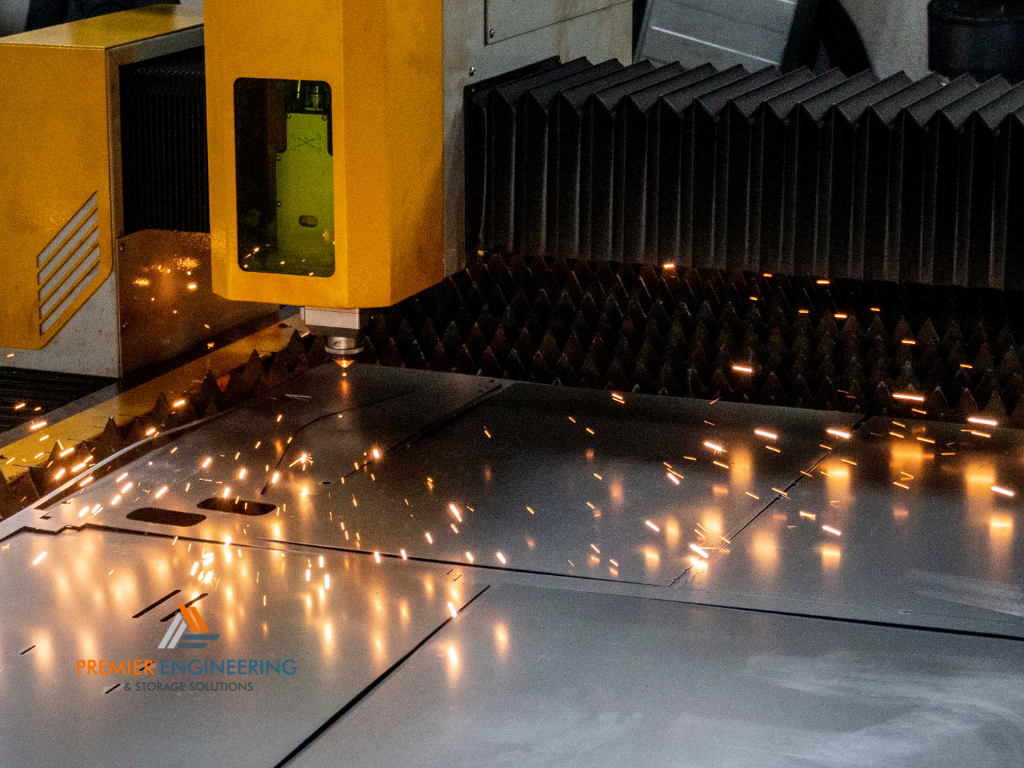
Laser cutting Sydney jobs are generally easier to quote and manufacture when the supplier receives a clean, accurate design file.
Sending incomplete artwork or a file without dimensions can lead to unnecessary back-and-forth before production can begin.
Which Files Should You Send for Laser Cutting Sydney Jobs?
Laser cutting Sydney suppliers commonly work with CAD or vector-based files that clearly define the cutting geometry.
DXF and DWG files are widely used in fabrication, although the exact preferred format varies between suppliers.
The key requirement is that the file accurately represents the part at the correct scale.
Avoid assuming that a screenshot, PDF or photograph will contain enough information for production. These may help explain the idea, but a manufacturing-ready file usually needs clearly defined geometry.
If you do not have a suitable CAD file, ask whether the supplier provides drawing or design support before placing the order.
This can be especially important for custom parts where dimensions, hole positions and clearances need to be accurate.
What Details Help Laser Cutting Sydney Quotes Stay Accurate?
A laser cutting Sydney quote is more useful when the supplier receives the complete job specification at the beginning.
The file alone may not tell them the material grade, thickness, required quantity or surface finish.
You should also confirm whether dimensions are final and whether any tolerances are critical.
If the parts will later be bent, welded, assembled or fitted to another component, that information can also be useful because the laser-cut geometry may need to account for downstream fabrication.
Quantity matters as well. A single prototype may be quoted differently from a repeat batch because setup, material usage and production time can be distributed differently.
Clear information at the start reduces the risk of assumptions being made during production.
Understand Tolerances and Cut Quality
Laser cutting Sydney is often chosen for precise, repeatable profiles, but no cutting process should be assumed to produce perfect dimensions under every condition.
Material thickness, part geometry, heat input and machine capability can all influence the final result.
What Tolerances Can Laser Cutting Sydney Suppliers Achieve?
Laser cutting Sydney tolerance capability varies by supplier, machine, material and thickness.
A simple profile in thin sheet may be easier to hold accurately than a small feature in thick plate.
If the part needs to fit another component, do not simply state that it must be “accurate”. Provide the dimensions that are genuinely critical and ask whether the required tolerance is realistic.
This is particularly important for engineering parts, brackets, housings and components with holes or slots that must line up during assembly.
The supplier may also recommend adjusting the design if certain features are too small for the material thickness.
Clear tolerance expectations help both parties determine whether laser cutting is appropriate before production begins.
How Does Laser Cutting Sydney Affect Edges and Kerf?
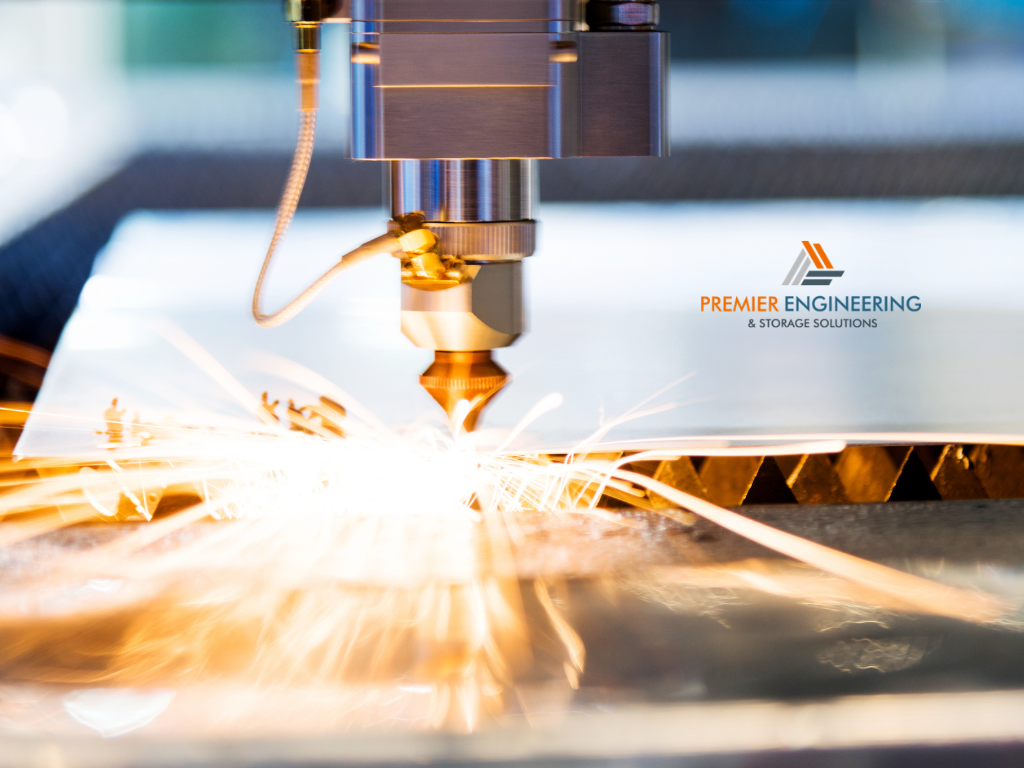
Laser cutting Sydney removes a narrow section of material as the beam travels through the sheet. This removed width is commonly referred to as kerf.
Kerf can affect the final size of small features, especially when parts need to fit together closely.
Edge appearance can also vary depending on the material, thickness and machine settings.
Some applications can use the cut edge exactly as produced, while others may require debarring, polishing or further finishing.
Heat can also affect the area close to the cut, although the extent varies by material and process.
If appearance matters, particularly for visible acrylic or metal components, ask what edge quality can reasonably be expected before approving the job.
Compare Laser Cutting With CNC Cutting
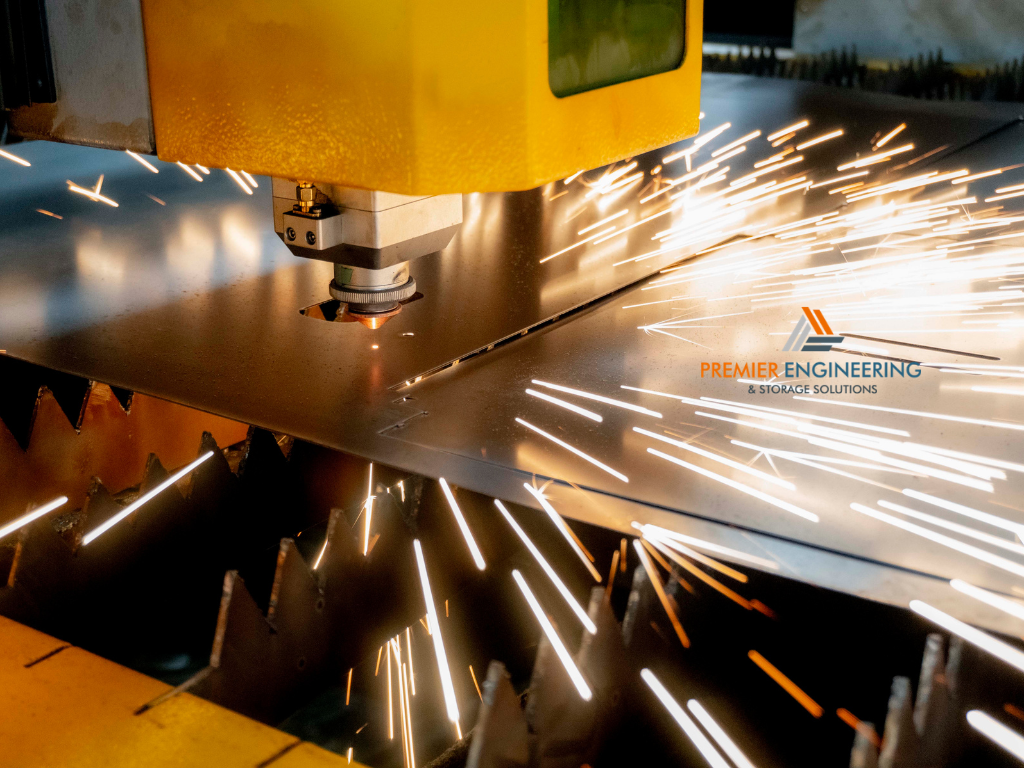
Laser cutting Sydney is not automatically the best option for every material or shape. In some cases, CNC cutting services may provide a better result.
Understanding the difference can prevent customers from forcing a project into the wrong manufacturing process.
When Is Laser Cutting Sydney Better Than CNC Cutting?
Laser cutting Sydney can be well suited to sheet materials, detailed profiles and jobs where narrow cuts and clean geometry are important.
It can also be efficient for repeat parts because the cutting path is digitally controlled once the file is prepared.
For sheet metal fabrication, laser cutting is often a practical option for brackets, panels, covers, signage and other flat components that may later be folded or assembled.
It can also suit acrylic components when the material is appropriate for laser processing.
The best choice still depends on material, thickness, part shape and finish requirements.
A supplier should be able to explain why laser cutting is being recommended rather than treating it as the default process for every job.
When Should Laser Cutting Sydney Use CNC Services Instead?
Laser cutting Sydney may not be suitable for certain plastics, composites or materials that react poorly to heat.
In those situations, CNC cutting services may be more appropriate.
A CNC cutting machine removes material mechanically rather than using a concentrated laser beam. This can make CNC routing useful for thicker plastics, composite panels and materials where heat needs to be avoided.
CNC cutting services Western Sydney may also be worth considering when the project requires pockets, recesses, thicker three-dimensional machining or other features that cannot be produced through a simple sheet-cutting profile.
The two processes are not direct substitutes in every situation.
A good supplier should assess the material and final part requirements before recommending one method over the other.
Ask About Finishing and Production Requirements
Laser cutting Sydney may only be the first stage of the manufacturing process. Depending on the part, additional work may be needed before it is ready for installation or use.
Clarifying these requirements at the beginning can help avoid unexpected secondary processing costs.
What Finishing Can Laser Cutting Sydney Include?
Laser cutting Sydney suppliers may provide additional fabrication or finishing services, but these vary between businesses.
Depending on the project, further work may include debarring, polishing, bending, welding, engraving, coating or other fabrication processes.
Do not assume that these steps are included in the cutting price.
If the component needs to be ready for assembly, installation or painting, explain the final requirement during quoting.
For visible components, surface finish may be especially important.
Acrylic signage, decorative metal panels and exposed architectural parts may have very different finishing expectations from hidden industrial components.
Premier Engineering can be considered when comparing suppliers for projects that may require laser cutting alongside broader engineering or fabrication support, where those services are relevant to the job.
Can Laser Cutting Sydney Handle One-Off and Repeat Orders?
Laser cutting Sydney can be used for prototypes, one-off custom parts and repeat production, but it is useful to confirm how the supplier handles each type of order.
If you are testing a new part, tell the supplier that the first batch is a prototype.
This allows you to review fit, tolerances and design details before ordering larger quantities.
For repeat work, ask whether the supplier keeps the digital file, material specification and production details on record.
Consistency becomes more important when parts will be ordered again months later.
It is also worth confirming whether the supplier can scale from a small initial quantity to larger production runs if demand increases.
Confirm Pricing, Turnaround and Delivery Before Ordering
Laser cutting Sydney quotes can vary because several factors contribute to the final cost.
A low cutting price does not always mean the lowest completed-job cost if material supply, finishing, setup or delivery are charged separately.
What Should a Laser Cutting Sydney Quote Include?
A laser cutting Sydney quote should make it reasonably clear what is included.
The cost may reflect material supply, cutting time, setup, quantity, part complexity and secondary finishing.
If the supplier is supplying the sheet material, confirm the grade and thickness quoted.
If you are supplying your own material, ask whether there are handling requirements or limitations.
It is also worth confirming whether design changes, file preparation or drawing work are included.
For repeat orders, ask whether pricing may change if material costs or quantities vary.
Comparing quotations is easier when each supplier is pricing the same material, specification and level of finishing.
How Does Laser Cutting Sydney Handle Turnaround and Delivery?
Laser cutting Sydney turnaround depends on workload, material availability, project complexity and any finishing required after cutting.
If the job has a fixed deadline, discuss it before approving the order rather than assuming standard turnaround will be suitable.
Urgent work may be possible, but it can affect scheduling or cost.
For laser cutting Western Sydney projects, local collection may be convenient for bulky parts or time-sensitive jobs, while delivery may make more sense for customers elsewhere in Sydney.
Ask whether delivery is included, charged separately or arranged through a third party.
It is also worth confirming how finished parts will be packaged, particularly if surfaces need protection from scratches or damage during transport.
Before placing an order, the most useful approach is to give the supplier complete information and ask how they intend to manufacture the part.
Laser cutting Sydney customers should confirm material, thickness, dimensions, file format, tolerances, finishing, quantity, turnaround and delivery before production begins.
Doing this makes it easier to compare suppliers fairly and reduces the chance of discovering important limitations after the job has already been approved.
If you are unsure whether your project is better suited to laser cutting or CNC cutting services, start by sending the supplier the design, material and intended use. A knowledgeable fabricator should be able to explain which process is appropriate and what information is still needed before quoting.