Metal storage cabinets provide a practical way for Australian businesses to organize tools, equipment, documents and everyday supplies. Whether used in a workshop, warehouse, manufacturing facility or commercial office, the right cabinet can help maintain an organized workspace while keeping frequently used items accessible.
Workplace storage requirements vary depending on the environment, available space and type of equipment being stored. A busy maintenance workshop may need cabinets for tools and replacement parts, while an office may require secure storage for records and general supplies.
Choosing suitable storage involves more than finding a cabinet that fits an available space. Materials, construction quality, shelving capacity, security features and maintenance requirements all influence how well a cabinet performs over time.
For businesses considering new storage equipment, understanding these factors can help narrow the available options and avoid purchasing cabinets that do not meet everyday operational needs.
Why Metal Storage Cabinets Are Used in Workplaces
Metal storage cabinets are commonly used in commercial and industrial environments because they provide structured storage for a wide range of workplace items.
Steel construction can offer strength and durability for regular use, while enclosed cabinets help keep stored equipment organized and protected from everyday dust and accidental contact.
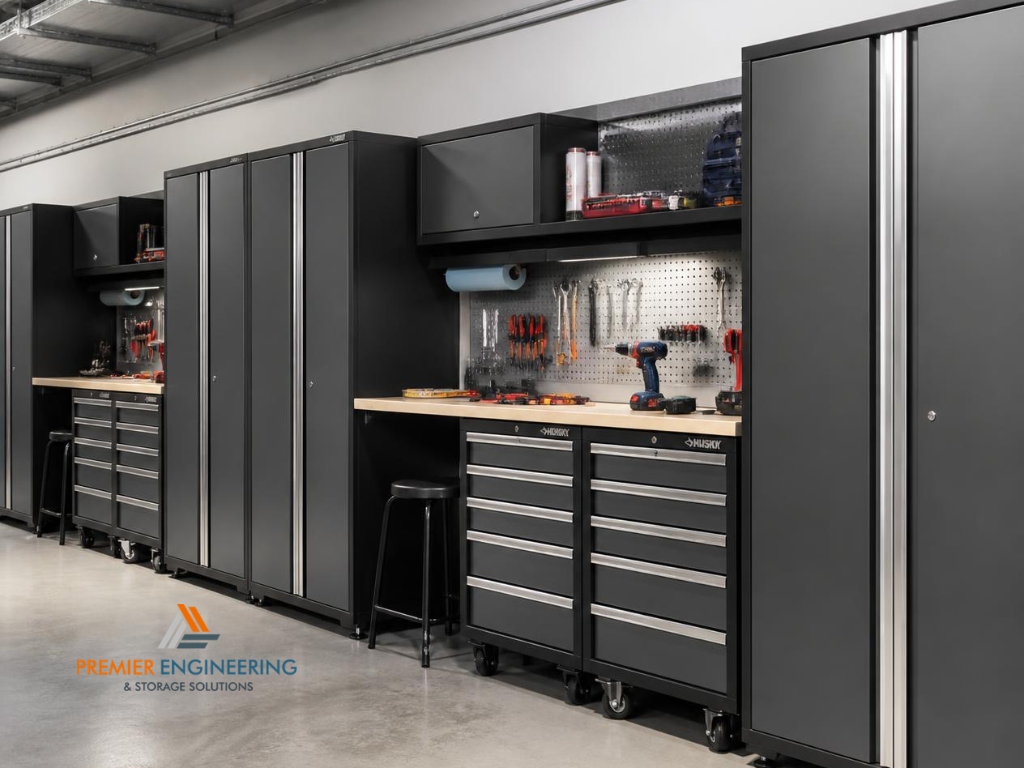
In workshops, cabinets may be used to store hand tools, measuring equipment, spare parts and maintenance supplies. Warehouses often require storage for smaller inventory items, packaging materials and operational equipment.
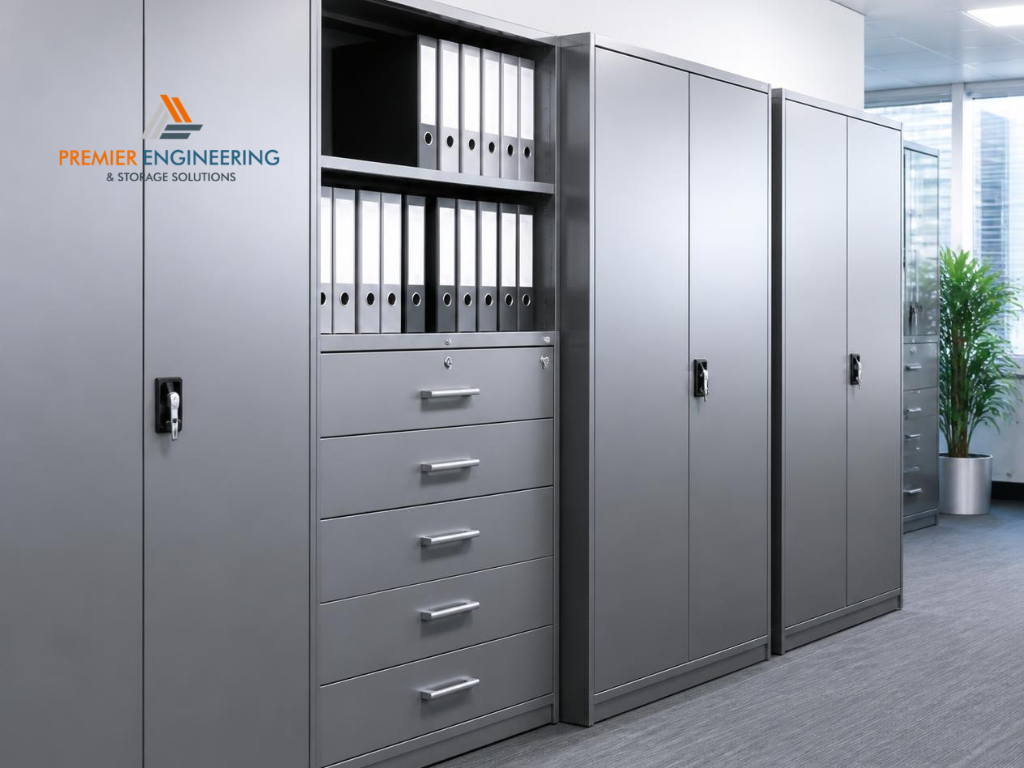
Offices and administrative areas may use metal cabinets for stationery, archived documents and shared resources.
Another advantage is the availability of different cabinet configurations. Adjustable shelving, lockable doors and a choice of dimensions allow businesses to select storage that matches the items being kept inside.
However, not every metal cabinet is designed for heavy-duty use. Construction quality, load ratings and intended applications should always be checked before purchasing.
Where Metal Storage Cabinets Work Best
The suitability of metal storage cabinets depends on the workplace environment and how frequently stored items need to be accessed.
Manufacturing facilities often benefit from cabinets that organize tools, production components and maintenance equipment close to workstations. In these environments, accessibility and sufficient storage capacity are important considerations.
Warehouses may require taller cabinets or units with adjustable shelving to accommodate different types of stock and equipment.
For commercial offices, appearance, locking mechanisms and efficient use of floor space may be greater priorities.
Service businesses may also use metal cabinets to organize equipment in maintenance rooms, storerooms and operational facilities.
Environmental conditions should influence the choice of material and finish. Cabinets installed in damp areas, coastal environments or locations requiring frequent cleaning may need additional corrosion protection.
Understanding the intended use helps businesses select a cabinet that supports daily operations rather than relying on a general-purpose design for every environment.
Choosing the Right Cabinet Material and Construction
The material used to manufacture metal storage cabinets affects their durability, maintenance requirements and suitability for different workplace conditions.
Steel and stainless steel are common options, but they offer different characteristics.
Businesses should consider where the cabinet will be installed, what it needs to store and how much exposure it may have to moisture, cleaning products or everyday wear.
Steel vs Stainless Steel Storage Cabinets
Mild steel cabinets are commonly used in workshops, warehouses and commercial environments where durable general-purpose storage is required.
These cabinets are often supplied with protective finishes such as powder coating, which helps protect the surface and provides a consistent appearance.
Powder-coated steel can be suitable for many indoor workplaces, provided the finish remains intact and the cabinet is used in appropriate conditions.
Stainless steel storage cabinets offer a different set of advantages.
Stainless steel generally provides greater resistance to corrosion than unprotected mild steel, making it worth considering in environments where moisture or frequent cleaning is a concern.
Food preparation areas, commercial kitchens and certain industrial facilities may benefit from appropriately specified stainless steel cabinetry.
However, stainless steel is not completely immune to corrosion. Performance depends on the grade selected, environmental conditions and maintenance practices.
For example, environments exposed to salt or aggressive cleaning chemicals may require a different stainless steel grade from a typical indoor workplace.
Businesses should compare the material requirements of their operating environment rather than assume that one metal is suitable for every application.
What Makes Metal Storage Cabinets Durable?
Durability depends on the overall cabinet design rather than the material alone.
Sheet metal thickness, reinforcement, joints, hinges and shelf construction all influence how a cabinet performs during everyday use.
A cabinet designed to store lightweight office supplies does not necessarily require the same construction as one intended for heavy tools or industrial components.
Cabinets used regularly should have doors and hardware suited to repeated opening and closing. The quality of the hinges, locking system and cabinet frame can influence long-term usability.
Welded construction and properly formed components may provide additional rigidity where the design requires it.
Protective finishes are also important, particularly for mild steel cabinets exposed to humidity or routine workplace cleaning.
When comparing products, businesses should review the manufacturer’s specifications for intended use, shelf capacity and overall construction.
A cabinet should be selected according to the demands of the workplace rather than relying only on its appearance or advertised durability.
Finding the Right Size, Capacity and Layout
Choosing the correct dimensions is an important part of selecting metal storage cabinets for a workplace.
A cabinet may offer sufficient internal storage but still create problems if its doors cannot open fully or employees cannot reach frequently used items.
Before purchasing, businesses should consider both the available floor space and the way the cabinet will be used during normal operations.
How to Choose Metal Storage Cabinets for Your Space
Start by measuring the proposed installation area.
Cabinet height, width and depth should be considered alongside surrounding equipment, walkways and door clearance.
For example, a tall cabinet may provide additional storage without occupying much floor space, but it may be unsuitable beneath low ceilings or overhead services.
A deep cabinet can accommodate larger equipment, although items stored at the back may become difficult to access.
Workplace access is equally important. Cabinet doors should open without obstructing emergency exits, designated walkways or equipment that employees need to operate.
Businesses should also consider the space required to remove stored items safely.
In a busy workshop, cabinets placed near regularly used equipment may improve convenience, provided their location does not interfere with safe movement.
Where standard cabinet sizes do not suit the available space, alternative configurations or custom fabrication may be worth exploring.
Understanding Shelving, Load Ratings and Storage Capacity
Storage capacity should be assessed using the manufacturer’s load ratings rather than estimating how much weight a cabinet appears able to support.
Different cabinets can have significantly different shelf capacities depending on their construction, materials and support arrangements.
An adjustable shelf may provide flexibility for storing items of varying heights, but its load rating must still be respected.
Heavy equipment should generally be positioned lower in the cabinet to help maintain stability and make handling safer.
Businesses should also consider how weight is distributed across each shelf.
A shelf designed for a uniformly distributed load may not perform the same way when a concentrated heavy object is placed in one small area.
Cabinet stability is another consideration, particularly for taller units and environments where heavy items are stored.
Depending on the cabinet design and installation conditions, anchoring or other stability measures may be necessary.
Before ordering, request clear information about individual shelf ratings, overall cabinet capacity and any installation requirements.
This helps ensure that the selected cabinet is suitable for the equipment it is expected to hold.
Workplace Security, Safety and Maintenance
Metal storage cabinets can support workplace organization, but businesses should also consider security, safe access and ongoing maintenance.
The appropriate features depend on the value of stored equipment, frequency of use and conditions within the workplace.
A cabinet used for shared stationery may need very different security arrangements from one storing specialized tools or important records.
Lockable Metal Storage Cabinets for Tools and Equipment
Lockable metal storage cabinets can help control access to tools, equipment and supplies in shared workplace environments.
They may be useful in workshops where specialized tools need to be kept in designated areas or in offices where access to certain records should be restricted.
Common locking options include key-operated mechanisms and other systems designed to control access.
Businesses should assess the level of security required rather than assume that every locking mechanism provides the same protection.
For valuable equipment, the cabinet’s construction and resistance to unauthorized access may be just as important as the lock itself.
Access procedures should also be considered.
If several employees require access throughout the day, the business needs a practical way to manage keys or authorized users without creating unnecessary delays.
Lockable cabinets should support an appropriate workplace security arrangement, not be treated as a replacement for broader access control and asset management practices.
Keeping Cabinets Safe, Clean and Well Maintained
Regular maintenance can help metal storage cabinets remain functional and suitable for everyday use.
Cabinets should be inspected for damaged hinges, loose fittings, corrosion, unstable shelving and problems with locking mechanisms.
Cleaning requirements depend on the cabinet material and protective finish.
Powder-coated cabinets should be cleaned using methods suitable for the coating, while stainless steel surfaces may require products appropriate to their grade and operating environment.
Damaged protective finishes should be assessed promptly because exposed mild steel can corrode when moisture is present.
Businesses should also avoid overloading shelves or storing items in ways that interfere with safe access.
An important distinction applies to hazardous substances.
Ordinary metal storage cabinets should not be assumed suitable for flammable liquids, corrosive materials or other hazardous chemicals.
Safe Work Australia advises that hazardous chemicals must be stored using appropriate containers and storage systems, with requirements depending on the chemicals involved.
Businesses handling these substances should review the relevant safety data sheets, workplace health and safety requirements and applicable Australian Standards before selecting specialized storage equipment.
Standard Cabinets vs Custom Fabricated Solutions
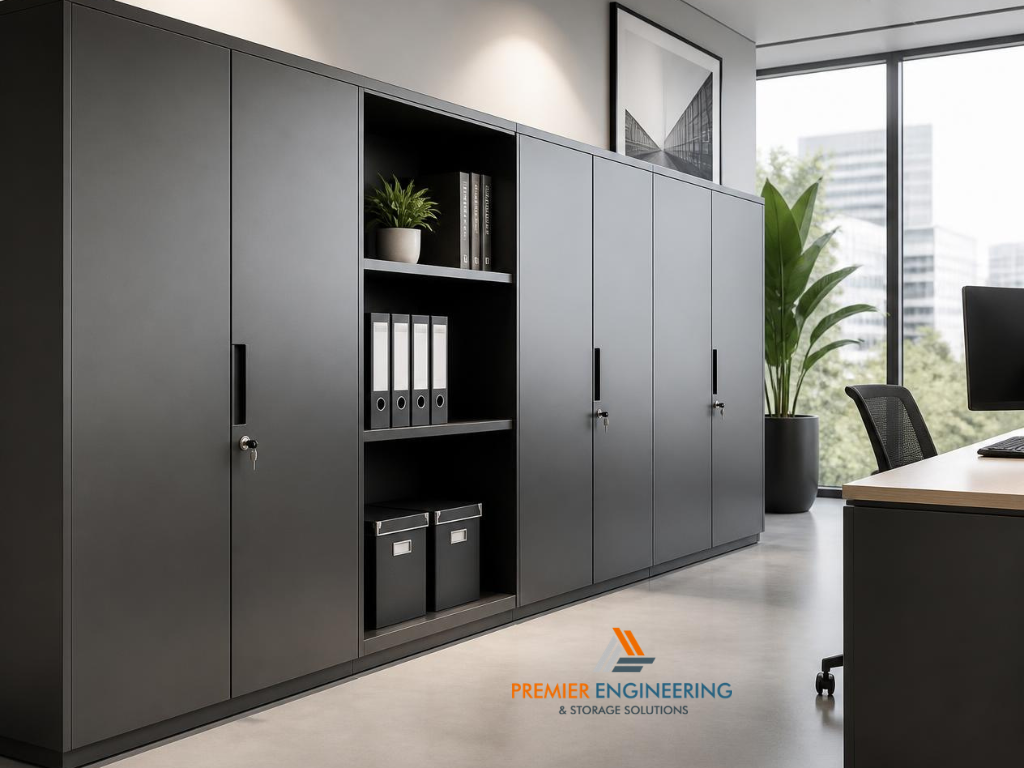
Standard metal storage cabinets can be a practical option when their dimensions, shelving arrangements and construction suit the intended application.
However, some Australian businesses have storage requirements that cannot be accommodated easily by an off-the-shelf product.
In these situations, custom fabrication may provide greater flexibility over dimensions, materials and internal configuration.
When Are Custom Metal Storage Cabinets Worth Considering?
Custom metal storage cabinets may be worth considering when a workplace has unusual dimensions, specialized equipment or requirements that standard products cannot accommodate.
For example, a manufacturing business may need storage compartments designed around specific tools or components.
A maintenance facility might require a cabinet with particular shelf spacing, access arrangements or reinforced sections to support the equipment being stored.
Space limitations can also influence the decision.
A custom cabinet may allow a business to use an available area more effectively when standard cabinet widths or depths are unsuitable.
Other considerations include the type of doors, locking arrangements, material selection and protective finish.
Before requesting custom fabrication, businesses should document the items to be stored, their approximate dimensions, anticipated weight and required access.
It is also useful to consider whether storage needs may change as operations develop.
Custom fabrication is not necessary for every workplace, but it can be a practical option when specific operational requirements justify the additional design and manufacturing work.
How CNC Sheet Metal Fabrication Supports Custom Cabinets
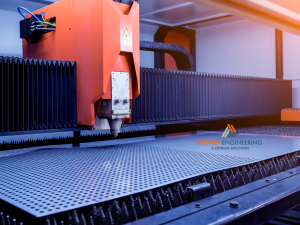
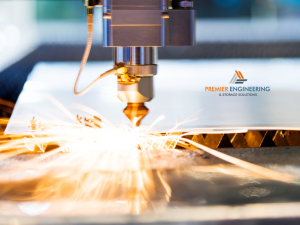
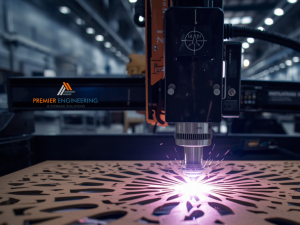
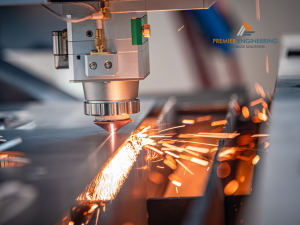
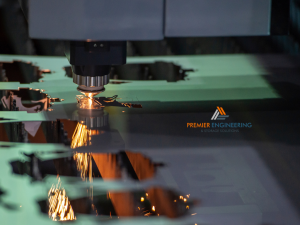
CNC sheet metal fabrication uses computer-controlled manufacturing equipment to cut, shape and prepare metal components according to defined designs.
In cabinet manufacturing, these processes can help produce panels, shelves, doors and other parts required for assembly.
Laser cutting and CNC punching may be used to create accurately shaped components and openings for fittings, ventilation or other design features.
A metal bending press, commonly called a press brake, can then form sheet metal into the required angles and profiles.
Bending is particularly relevant when producing cabinet panels, folded edges, structural features and shelving components.
Additional manufacturing processes may include welding, fastener insertion and protective finishing.
For projects requiring stainless steel, CNC stainless steel processing can be considered alongside material selection, surface finish and the demands of the intended environment.
High-precision sheet metal parts may be important when multiple components need to fit together consistently.
However, achievable dimensions, tolerances and finishes depend on the equipment, material and approved manufacturing specifications.
Businesses considering custom cabinets should discuss these technical requirements with a fabrication provider before production begins.
Comparing Cabinet Options Before Buying
Choosing between metal storage cabinets involves balancing practical requirements with cost, durability and expected use.
For Australian workplaces, the most suitable option is not necessarily the largest cabinet or the model with the greatest number of features.
A useful comparison should focus on whether the cabinet can safely accommodate the intended items and perform reliably in its operating environment.
What to Look for in the Best Metal Storage Cabinets
The best metal storage cabinets for a particular business are those that match its storage requirements, available space and workplace conditions.
Material selection is one of the first considerations.
Powder-coated steel may be appropriate for general indoor storage, while stainless steel may be worth considering where additional corrosion resistance or particular cleaning requirements are important.
Cabinet dimensions and internal shelving arrangements should also match the size and quantity of items being stored.
For heavier equipment, manufacturer-specified load ratings and cabinet stability deserve particular attention.
Businesses should assess door construction, hinges, locking mechanisms and the accessibility of stored equipment.
Maintenance requirements may also influence the decision.
For example, a cabinet installed in a relatively dry office environment may have different long-term maintenance needs from one located in a humid workshop.
Where possible, review detailed product specifications rather than relying only on marketing descriptions.
A suitable cabinet should provide an appropriate combination of functionality, construction quality and value for its intended application.
Questions to Ask Before Ordering Metal Storage Cabinets
Before purchasing, businesses should confirm that the cabinet specifications match their requirements.
Important details include external and internal dimensions, shelf configuration, rated capacity, construction materials and available finishes.
It is also useful to understand whether the cabinet arrives assembled, whether installation is required and what delivery arrangements are available.
For larger cabinets, access to the building may affect delivery and positioning.
Businesses should check whether loading areas, doorways or internal pathways can accommodate the cabinet.
Locking options, replacement parts and warranty conditions may also be relevant to long-term use.
When comparing Australian suppliers, request clear quotations and confirm whether GST, delivery and installation charges are included.
For custom fabrication, the quotation should also identify the agreed material, dimensions, finish, quantity and any relevant design or tooling costs.
Confirming these details before ordering reduces the risk of misunderstandings and helps businesses compare suppliers on a more consistent basis.
Planning a Practical Workplace Storage Solution
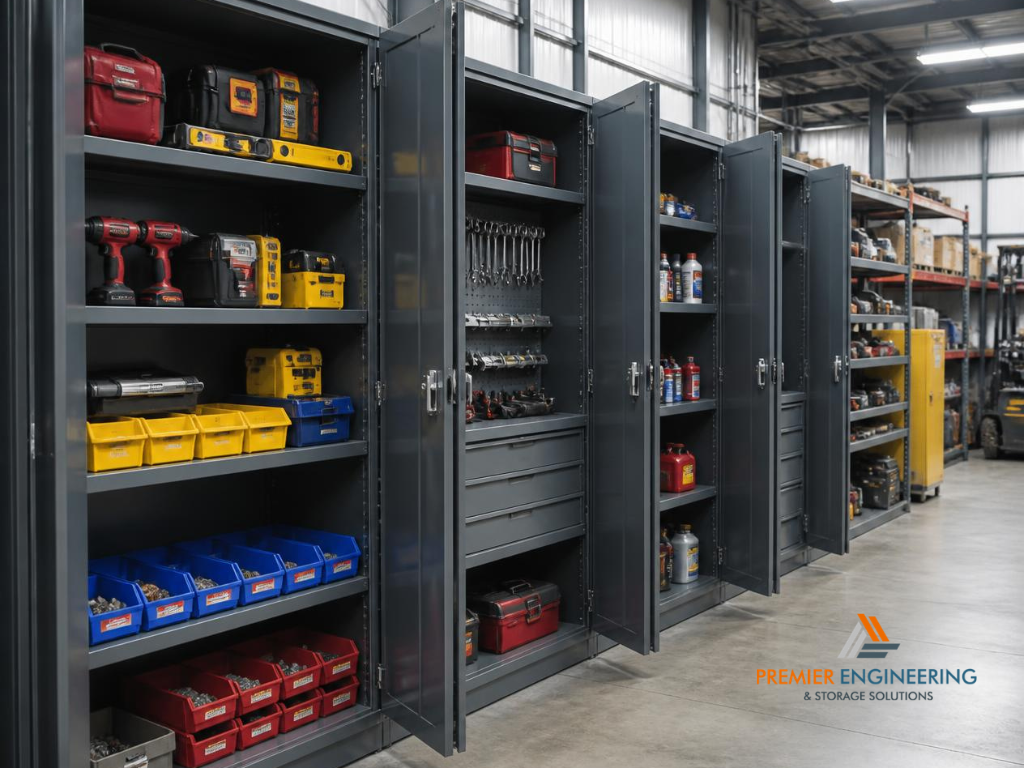
Selecting metal storage cabinets is an opportunity to review how equipment, tools and supplies are organized across the workplace.
Rather than replacing existing cabinets with similar products, businesses can consider whether their storage arrangements continue to meet operational needs.
The right solution should provide suitable capacity, accessible storage and appropriate durability for the environment in which it will be used.
How to Select Metal Storage Cabinets for Long-Term Use
Long-term storage planning begins with understanding what needs to be stored and how frequently employees require access.
Items used throughout the day may need to be positioned in easily accessible cabinets, while less frequently required equipment may be suitable for a dedicated storeroom.
Businesses should consider the dimensions and weight of stored items, available floor space and whether additional storage capacity may be needed in the future.
Material selection should reflect the operating environment.
For example, cabinets installed in areas exposed to moisture may need additional corrosion resistance, while workshop cabinets may require stronger shelving or protective finishes suited to regular handling.
It is also worth reviewing the practicality of maintenance and repairs.
Cabinets with appropriate hardware, suitable finishes and clear manufacturer specifications can be easier to assess for long-term use.
Where several cabinets are required, consistent dimensions and storage arrangements may help maintain an organized workplace.
Taking these factors into account allows businesses to select storage based on their actual requirements rather than making purchasing decisions solely on price or appearance.
When to Discuss Custom Requirements With a Fabrication Specialist
Businesses may benefit from professional fabrication advice when standard cabinet designs do not suit the intended application.
A fabrication specialist can help review proposed dimensions, material options, construction methods and manufacturing considerations before production.
This can be particularly useful for specialized industrial storage, unusual workplace layouts or cabinets requiring particular internal configurations.
Premier Engineering provides metal fabrication and storage solutions, with manufacturing capabilities that include laser cutting, CNC punching, CNC press brake forming, welding and associated finishing processes.
The business also includes shelving units and storage cabinets within its published range of services.
For organizations in Sydney and the surrounding Macarthur region, working with a local fabrication provider can make it easier to discuss project specifications, design requirements and potential manufacturing options.
Before proceeding with a custom project, businesses should provide accurate dimensions, details of the intended use and any relevant load or material requirements.
Where appropriate, drawings or other technical information can help clarify the proposed design.
Businesses considering custom metal storage cabinets, shelving or related sheet metal components can contact Premier Engineering and Storage Solutions to discuss their requirements and request a quotation.
A well-chosen storage cabinet should suit the workplace, accommodate the equipment being stored and remain practical for everyday use.
By considering materials, dimensions, security, construction and fabrication options before ordering, Australian businesses can make more informed storage decisions and select solutions that support their operational requirements.