Category: Blog

  • Maximizing Efficiency with Modular Shelving Systems

    Maximizing Efficiency with Modular Shelving Systems


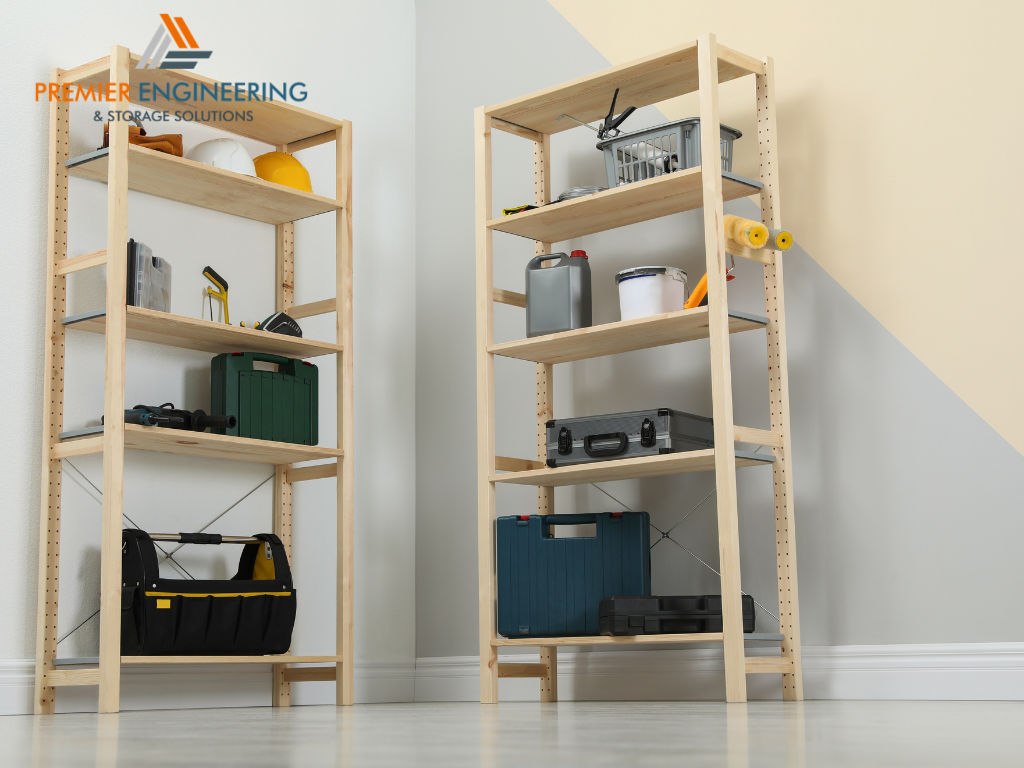
    The modern need for efficiency and organization in both living and working spaces has elevated the importance of smart storage solutions. Among these, modular shelving systems stand out for their unparalleled flexibility and customization options. These systems have become increasingly popular, providing practical yet stylish solutions for cluttered homes and busy office environments alike.

    The Appeal of Modular Shelving Systems

    Modular shelving units offer a dynamic approach to storage, allowing for a personalized setup that can adapt to various environments and aesthetic preferences. Their appeal lies in the ability to create storage solutions that are as unique as the spaces they inhabit. Whether it’s for displaying cherished collections, organizing office supplies, or optimizing household storage, modular systems provide an elegant and functional answer to storage needs.

    Benefits of Modular Systems

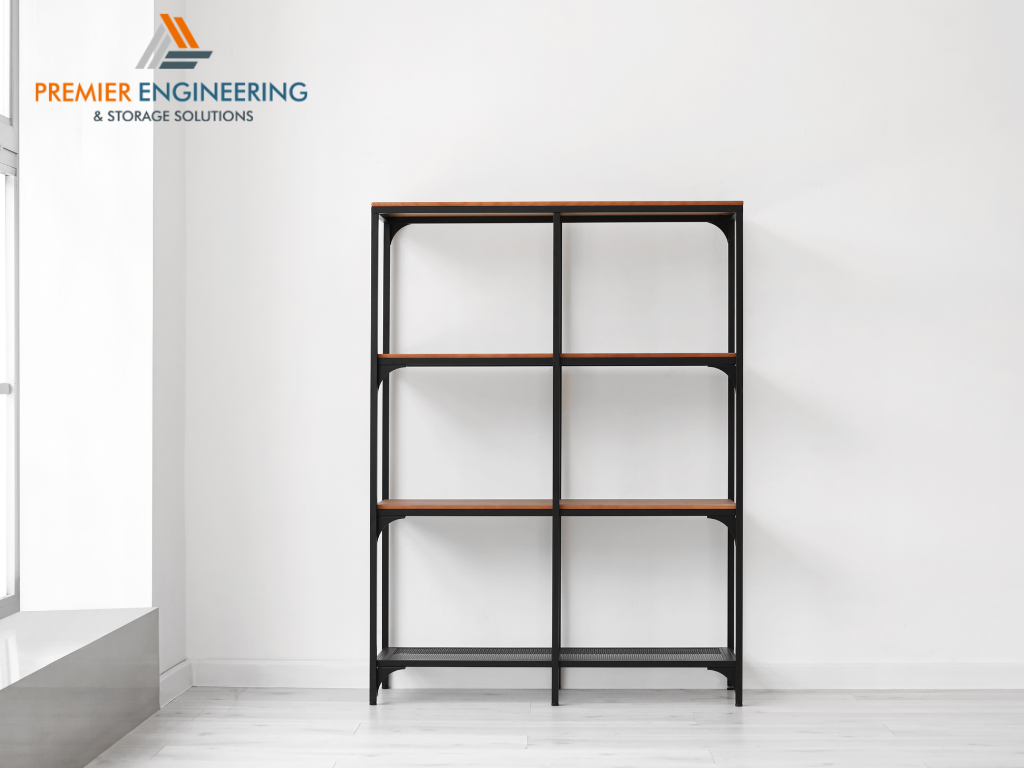
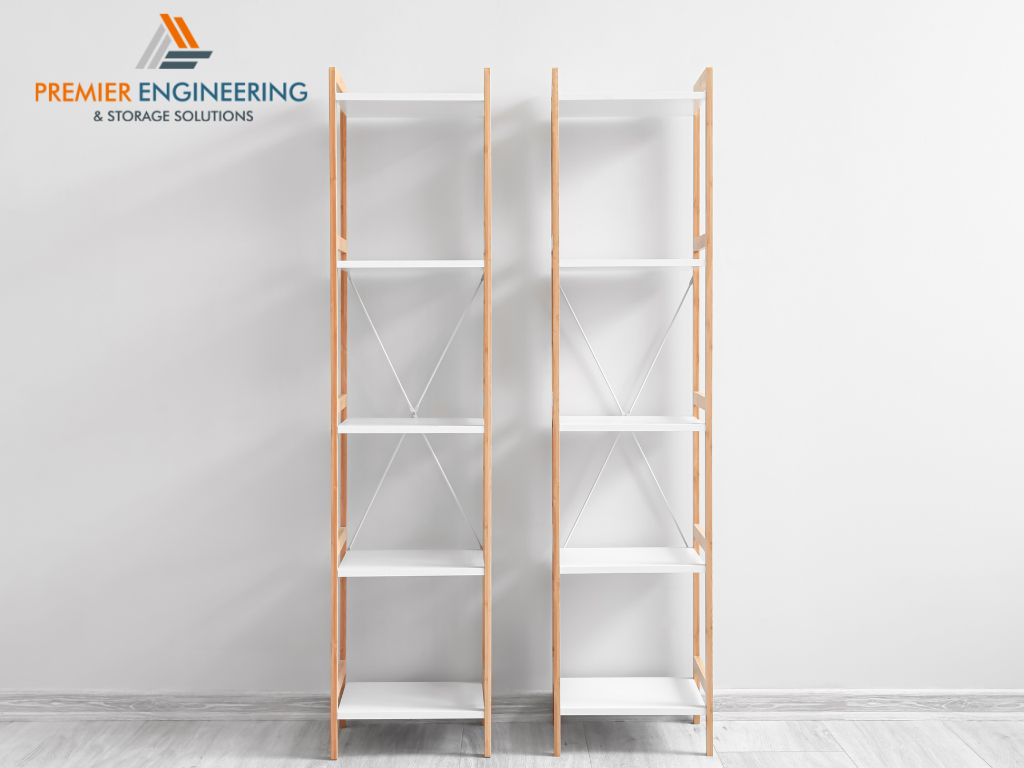
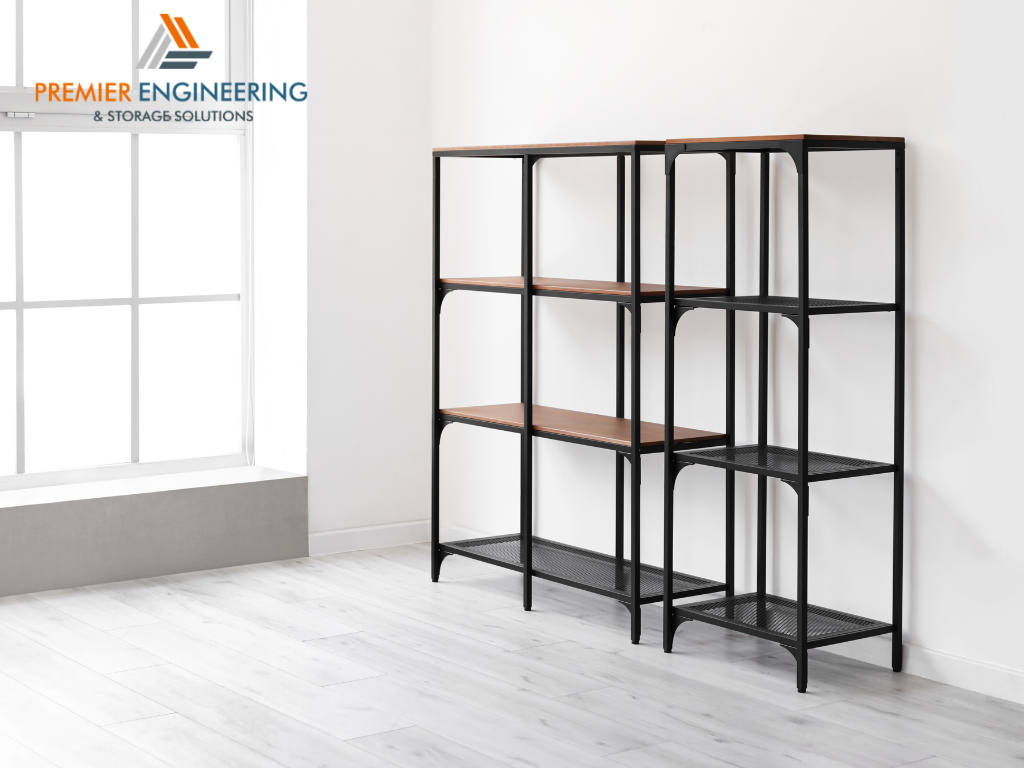
    Shelving Units

    Adaptability to Space and Needs

    One of the core advantages of modular shelving is its adaptability. Designed to fit any space, modular systems can be configured to suit specific storage requirements, making them an ideal choice for rooms of all sizes and purposes. From tight corners to expansive wall spaces, these systems can be tailored to maximize storage efficiency and minimize clutter, offering a bespoke solution that off-the-shelf options cannot match.

    Scalability for Future Growth

    As needs change and grow, so too can modular shelving systems. Their scalability is a significant benefit, allowing for easy expansion or reconfiguration. This feature is particularly valuable in dynamic environments where storage needs evolve, such as growing families or businesses. Modular systems eliminate the need for complete overhauls, enabling gradual adjustments that adapt to changing requirements without compromising on style or functionality.

    Designing Your Modular System

    Shelving Units

    Planning for Optimal Use

    Designing an effective modular shelving system begins with careful planning. Start by assessing the space available and determining your primary storage needs. Consider the items you need to store, their sizes, and how frequently you access them. Planning for optimal use involves envisioning the system’s layout, ensuring it serves its purpose efficiently, whether it’s for easy access to daily essentials or the aesthetically pleasing display of decorative items.

    Selecting Components and Accessories

    The versatility of modular shelving systems is further enhanced by a wide range of components and accessories. Shelves, drawers, and cabinets can be mixed and matched to create the perfect storage combination, while bins and dividers help organize items more effectively. Selecting the right components involves considering both the functional and aesthetic aspects of the shelving system, ensuring it meets your storage needs while complementing your space’s design.

    Incorporating Design and Aesthetics

    Shelving Units

    Choosing Materials and Finishes

    The selection of materials and finishes for your modular shelving system plays a crucial role in how it complements your existing decor and meets its intended use. Wood shelves can add warmth and a classic feel to any room, making them ideal for living areas and offices. Metal shelves offer durability and a modern aesthetic, perfect for kitchens and industrial spaces. Glass components can introduce a touch of elegance and openness, suitable for displaying items in a living room or study. When choosing finishes, consider the color scheme of your space; opt for finishes that harmonize with your current decor to create a cohesive look.

    Aesthetic Considerations

    While functionality is paramount, the aesthetics of your modular shelving should not be overlooked. Consider the overall design theme of your room and choose a shelving style that enhances that theme. Think about the balance and proportion of the shelving unit within the space—it should be visually appealing without overwhelming the room. Additionally, the arrangement of items on the shelves can significantly impact aesthetics; organize items in a way that varies height and texture, adding decorative elements to personalize the space and make it feel more inviting.

    Installation and Assembly Tips

    Shelving Units

    DIY Assembly Guidance

    Assembling modular shelving units can be a rewarding DIY project. Begin by carefully reviewing the manufacturer’s instructions. Gather all necessary tools before starting, and if possible, enlist a helper. Lay out all components and hardware to ensure nothing is missing. Start by assembling the frame or base, ensuring it is level before adding shelves or other components. Take your time to tighten all connections securely but avoid over-tightening to prevent damage. Finally, anchor the unit to the wall if required to prevent tipping, especially in homes with children or pets.

    Professional Installation Services

    For complex configurations, large systems, or if DIY isn’t your strength, considering professional installation services is wise. Professionals can ensure that the shelving is assembled correctly and securely, providing peace of mind, especially for units that require wall mounting or integration into existing structures. When selecting a professional installer, look for experienced individuals or services with positive reviews and ensure they are familiar with the type of modular shelving system you have purchased.

    Maintenance and Care

    Shelving Units

    Keeping Your System in Top Condition

    Maintaining and cleaning your modular shelving system is essential for preserving its functionality and aesthetic appeal over time. Here are some best practices:

    • Regular Dusting and Cleaning: Use a soft cloth or duster to regularly remove dust from shelves. For tougher stains or spills, use a mild cleaner appropriate for the material of your shelving (e.g., wood cleaner for wooden shelves), and always follow the manufacturer’s cleaning recommendations.
    • Check for Wear and Tear: Periodically inspect your shelving for any signs of wear, such as scratches, dents, or loose components. Address these issues promptly to prevent further damage.
    • Re-tighten Connections: Over time, the connections and fittings in modular shelving can become loose due to regular use or adjustments. Periodically check and tighten these connections to ensure the unit remains stable and secure.
    • Avoid Overloading: Be mindful of the weight limits for each shelf to prevent sagging or damage. Distribute weight evenly across the shelves and consider rearranging items if a shelf appears to be under strain.

    By following these maintenance tips, you can ensure your modular shelving system remains a stylish and functional part of your space for years to come.

    Conclusion

    Shelving units offers a versatile and stylish solution to meet a wide range of storage needs, making it an ideal choice for those looking to enhance their living or working spaces. With its adaptability, scalability, and wide range of design options, modular shelving can significantly improve the organization and aesthetics of any environment.

    The key to maximizing the benefits of modular shelving lies in selecting the right components, materials, and finishes to suit your space and needs, installing the system correctly, and maintaining it regularly. By investing in a modular shelving system and caring for it properly, you’re not just organizing your space; you’re adding value and character to your home or office.

  • Laser Cutting in Automotive: Innovation and Application

    Laser Cutting in Automotive: Innovation and Application

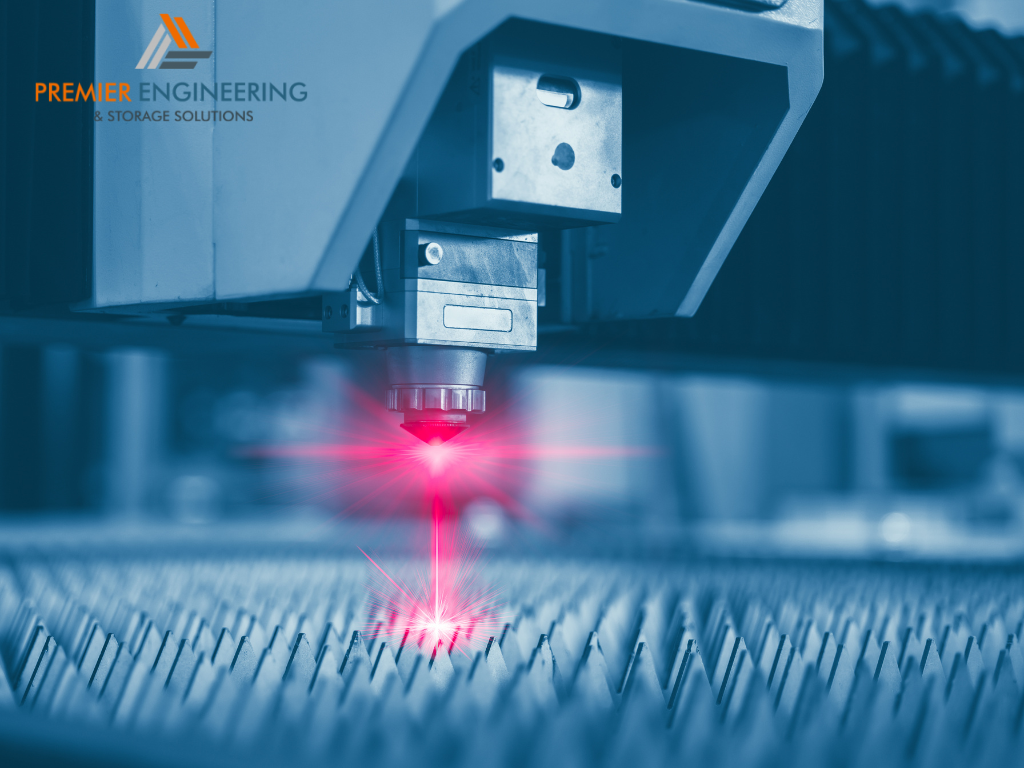
    Laser cutting technology has become a cornerstone in the automotive industry, revolutionizing how vehicles are designed and manufactured. This advanced fabrication method offers unparalleled precision, speed, and flexibility, allowing automotive manufacturers to push the boundaries of innovation and efficiency. The adoption of laser cutting in automotive processes signifies a shift towards more sophisticated production techniques that align with the industry’s growing demands for quality, customization, and sustainability.

    Laser cutting’s significance in automotive manufacturing and design cannot be overstated. It enables the production of complex components with intricate details that would be difficult, if not impossible, to achieve with traditional cutting methods. Moreover, its ability to work with a wide range of materials supports the industry’s exploration of new designs and the integration of novel materials into vehicle construction, further contributing to advancements in safety, performance, and aesthetic appeal.

    Laser Cutting Technologies in Automotive Manufacturing

    laser cutting service

    Overview of Laser Cutting Processes

    The automotive industry employs various laser cutting technologies, with CO2 and fiber lasers being the most prevalent. CO2 lasers, known for their versatility, are used extensively for cutting, engraving, and even welding a wide range of materials, including metals, plastics, and composites. Fiber lasers, on the other hand, offer advantages in cutting reflective materials like aluminum and copper alloys, which are increasingly used in automotive manufacturing due to their lightweight properties.

    Advantages Over Traditional Cutting Methods

    Compared to traditional mechanical cutting techniques, laser cutting stands out for its precision and efficiency. It eliminates the need for tooling changes and physical contact with the workpiece, reducing wear and the likelihood of material deformation. This non-contact process also minimizes material waste, making it a more sustainable option for automotive production. Furthermore, the high level of automation associated with laser cutting machines enables faster production cycles and supports the industry’s move towards just-in-time manufacturing practices.

    Applications of Laser Cutting in Automotive Production

    laser cutting service

    Body Components and Chassis

    Laser cutting is instrumental in producing body components and chassis with high precision, contributing to vehicles’ lightweight and structural integrity. The technology’s accuracy ensures clean cuts and exact fits, essential for modern automotive designs that rely on complex geometries and tight tolerances to enhance aerodynamics and fuel efficiency.

    Interior Components

    In the realm of interior components, laser cutting is used to create parts with enhanced aesthetics and functionality. From intricate dashboard elements to custom trim pieces, laser cutting allows for the precise fabrication of components that meet the high-quality standards expected by consumers.
    Prototyping

    Rapid prototyping is another area where laser cutting technology shines in the automotive industry. It allows designers and engineers to quickly turn concepts into functional prototypes, accelerating the development process. This agility is crucial in today’s competitive market, where speed-to-market can be a significant advantage.
    Innovations in Automotive Design Enabled by Laser Cutting

    laser cutting service

    Customization

    Laser cutting technology has opened new avenues for customization in the automotive industry, allowing manufacturers to offer personalized vehicle features with unprecedented ease and precision. This technology enables the creation of unique designs, patterns, and components that can be tailored to individual preferences, enhancing customer satisfaction and providing a competitive edge in the market. From custom engraving on metal parts to intricate cutouts on exterior panels, laser cutting facilitates a level of detail and personalization that was previously difficult to achieve.

    Advanced Materials

    Working with advanced materials such as high-strength steels, aluminum, and composites is essential for the development of safer, more efficient vehicles. Laser cutting technology excels in processing these materials, maintaining precision and integrity even with the toughest alloys and composites. The ability to cut through high-strength steels enables the production of lighter, yet durable, vehicle structures, while the precision in cutting aluminum and composites supports the industry’s shift towards lightweight materials for improved fuel efficiency and performance.

    Integration with Other Manufacturing Technologies

    Laser cutting integrates seamlessly with other manufacturing technologies, such as welding, forming, and additive manufacturing, to create complex components and assemblies. This integration enhances the manufacturing process’s flexibility and efficiency, allowing for the development of components that are optimized for performance and manufacturability. For example, laser cutting can be used to prepare parts for welding with extreme accuracy or to cut intricate shapes that complement additive manufactured components, facilitating innovative designs and constructions.

    Improving Efficiency and Sustainability in Automotive Manufacturing

    laser cutting service

    Reducing Waste

    One of the significant advantages of laser cutting is its ability to minimize material wastage. The precision of laser cutting means that parts can be nested closely together on a sheet of material, maximizing utilization and reducing scrap. This not only makes the manufacturing process more sustainable but also reduces costs associated with material procurement and waste disposal.

    Energy Efficiency

    Laser cutting is also recognized for its contribution to energy efficiency in the automotive manufacturing process. Modern laser cutting machines are designed to consume less energy than traditional mechanical cutting methods, contributing to lower overall production costs and reducing the environmental impact of manufacturing operations. This efficiency, combined with the speed of laser cutting, enables manufacturers to achieve higher throughput with less energy consumption.

    Contributing to Lightweighting Strategies

    The precision of laser cutting plays a vital role in automotive lightweighting strategies. By enabling the use of advanced materials and facilitating intricate designs, laser cutting contributes to the production of lighter components without compromising strength or safety. This reduction in vehicle weight is crucial for enhancing fuel efficiency and reducing emissions, aligning with the automotive industry’s goals for sustainability and environmental responsibility.

    Challenges and Solutions in Automotive Laser Cutting

    laser cutting service

    Material Compatibility

    While laser cutting is versatile, challenges arise when working with a diverse range of materials used in automotive manufacturing. Different materials require adjustments in laser settings, such as power, speed, and focus, to achieve optimal results. Manufacturers overcome these challenges by leveraging advanced sensors and control systems that automatically adjust parameters for different materials, ensuring consistent quality and efficiency.

    Maintaining Precision in High-Volume Production

    Ensuring consistent precision in high-volume production is crucial for automotive manufacturers. Advanced calibration and real-time monitoring technologies are employed to maintain the accuracy of laser cutting machines, even under continuous operation. These technologies help identify and correct potential deviations early, ensuring that each part meets stringent quality standards.

    Safety Considerations

    The high-powered lasers used in cutting applications pose potential safety risks, including burns and eye damage. Manufacturers address these concerns by implementing strict safety protocols, such as enclosed cutting areas, safety interlocks, and protective eyewear. Additionally, ongoing training for operators and maintenance personnel ensures that safety measures are understood and followed, minimizing the risk of accidents in the workplace.

    The Future of Laser Cutting in the Automotive Industry

    laser cutting service

    Emerging Trends

    The future of laser cutting in automotive manufacturing looks promising, with several emerging trends poised to further revolutionize the industry. Innovations in laser technology, such as the development of more powerful and efficient laser systems, are expected to enhance cutting speed and material versatility, enabling even more complex and intricate designs. Additionally, the integration of new materials into automotive production, such as ultra-high-strength steels and advanced composites, will continue to drive the need for advanced laser cutting solutions that can handle these challenging materials with ease and precision.

    Another significant trend is the increased use of fiber lasers, which offer advantages in terms of energy efficiency, cutting speed, and maintenance over traditional CO2 lasers. Fiber lasers’ ability to cut reflective materials without back reflections damaging the equipment makes them particularly suited for automotive applications involving aluminum and copper components.

    The Role of Automation and AI

    Automation and artificial intelligence (AI) are set to play a pivotal role in the evolution of laser cutting technology in the automotive industry. Automation of laser cutting processes enables continuous operation with minimal human intervention, increasing production rates and reducing the likelihood of errors. AI, on the other hand, can optimize cutting paths, adjust settings in real-time based on material feedback, and predict maintenance needs to prevent downtime. This integration of AI into laser cutting systems not only enhances precision and efficiency but also allows for adaptive cutting strategies that can adjust to the unique requirements of each component and material type.

    Moreover, the advent of smart factories, where laser cutting machines communicate with other manufacturing systems and devices, will lead to more streamlined and cohesive production lines. These advancements in automation and AI will enable automotive manufacturers to respond more swiftly to market changes and customer demands, facilitating the production of customized and high-quality vehicles at a faster pace.

    Conclusion

    The industry’s ability to adapt and embrace these advancements will be crucial in meeting the future challenges of automotive production, including the demand for more complex designs, the need for sustainability, and the shift towards electric and autonomous vehicles. The continued evolution of laser cutting techniques promises not only to enhance the manufacturing process but also to contribute to the development of safer, more efficient, and more environmentally friendly vehicles.

  • Choosing Industrial Shelving for Cold Storage Environments

    Choosing Industrial Shelving for Cold Storage Environments

    Cold storage environments present unique challenges that demand specialized shelving solutions. These settings, crucial for preserving perishable goods, require shelving that can withstand low temperatures and humidity levels without compromising the integrity of stored products. The right industrial shelving units not only enhance operational efficiency but also play a pivotal role in maintaining product quality and safety. Selecting the appropriate shelving is therefore essential for businesses looking to optimize their cold storage spaces.

    Understanding Cold Storage Needs

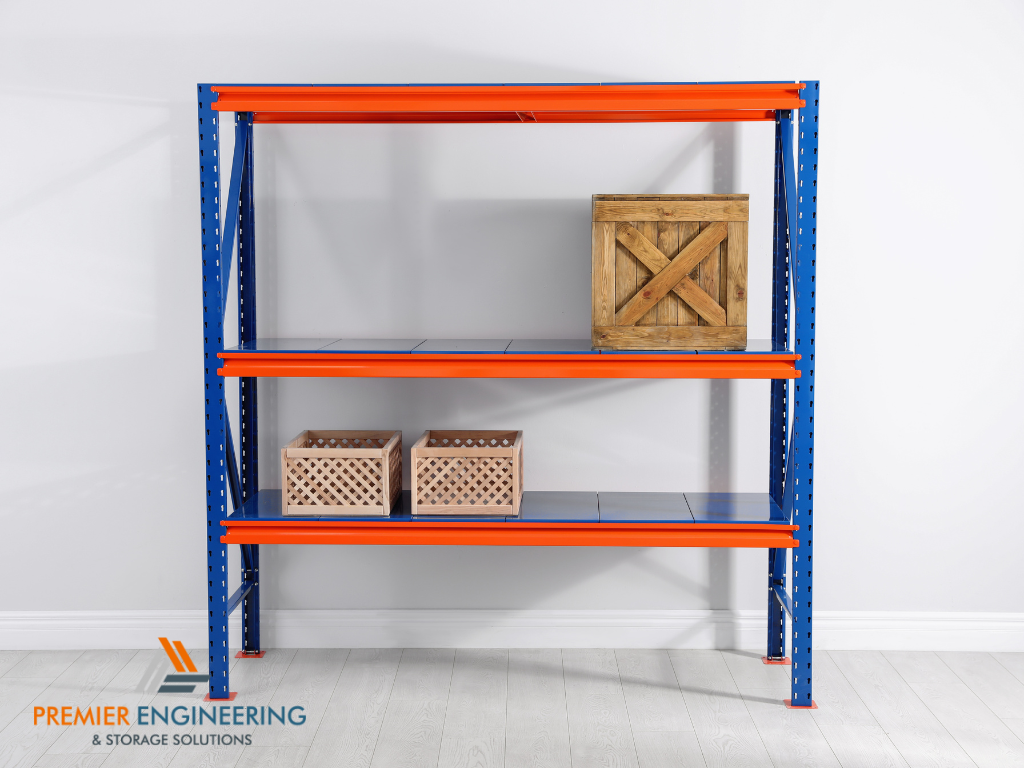
    Industrial Shelving Units

    Temperature Considerations

    The cold temperatures characteristic of these environments can significantly impact the durability and functionality of shelving materials. It’s crucial that the selected industrial shelving units maintain their structural integrity and do not become brittle in cold conditions, ensuring long-term reliability and safety.

    Space Optimization

    Maximizing storage space is especially important in cold storage environments, where the cost per square foot is higher due to refrigeration expenses. Efficiently designed shelving units that offer maximum storage capacity while allowing for optimal air circulation are essential for keeping products at the right temperature and reducing energy costs.

    Material Selection for Cold Storage Shelving

    Industrial Shelving Units

    Metal vs. Polymer

    Choosing between metal and polymer shelving involves considering the specific needs and conditions of the cold storage environment. Metal shelving, often made from steel, is durable and capable of supporting heavy loads, but it requires a finish that prevents rust and corrosion. Polymer shelving, on the other hand, naturally resists corrosion and is easier to clean, making it a popular choice for environments with strict hygiene standards. However, its load-bearing capacity may be lower than that of metal shelving.

    Corrosion Resistance

    The importance of corrosion resistance in cold storage shelving cannot be overstated. Humidity levels in refrigerated and freezer spaces can lead to rust and corrosion in susceptible materials. Selecting shelving with corrosion-resistant coatings or materials is crucial to prevent contamination, ensure the longevity of the shelving units, and maintain a sanitary storage environment.

    Design Features for Cold Storage

    Industrial Shelving Units

    Ventilation and Airflow

    Proper ventilation and airflow are crucial in cold storage environments to maintain consistent temperatures and ensure the quality of stored items. Industrial shelving units designed for cold storage should facilitate good air circulation around products. This can be achieved through open shelving designs, perforated shelves, or strategically placed gaps that allow cold air to pass freely, preventing cold spots and ensuring uniform temperature distribution.

    Accessibility and Ergonomics

    Efficient retrieval and stocking are essential for maintaining productivity in cold storage areas. Shelving units must be designed with ergonomics in mind, allowing workers to easily access items without unnecessary strain or exposure to cold temperatures. Considerations include adjustable shelf heights to accommodate different product sizes, easily movable units for flexible storage configurations, and the use of ergonomic tools and accessories that minimize the physical effort required by staff.

    Insulation and Energy Efficiency

    Industrial Shelving Units

    Reducing Thermal Exchange

    Minimizing energy loss is vital for the economic operation of cold storage facilities. While shelving units themselves are not typically insulated, their design can contribute to reducing thermal exchange. Selecting materials that do not easily conduct heat and configuring shelving layouts to enhance the efficiency of cooling systems can play a significant role in maintaining desired temperatures with lower energy consumption.

    Energy-efficient Practices

    Adopting energy-efficient practices in cold storage operations includes the strategic placement of shelving units to optimize airflow and cooling efficiency. Utilizing reflective materials or coatings on shelving can also help reduce heat absorption. Implementing smart storage solutions, like automated retrieval systems, minimizes the frequency and duration of door openings, further conserving energy.

    Safety and Compliance in Cold Storage

    Industrial Shelving Units

    Load Capacity

    Safety in cold storage environments extends to ensuring that shelving units can securely support the weight of stored goods. Overloading shelves can lead to structural failure, posing significant risks to workers and products. It’s crucial to select shelving units with appropriate load capacities for the items being stored and to regularly inspect them for signs of wear or damage that could compromise their integrity.

    Health and Safety Standards

    Compliance with health and safety standards is non-negotiable in cold storage operations. This includes adhering to regulations that govern the safe storage of food, pharmaceuticals, and other sensitive products. Industrial shelving units must be constructed from materials that are easy to clean and resistant to contamination. Facilities must also ensure that storage practices do not impede emergency access or egress, and that shelving installations comply with local fire codes and occupational safety regulations.

    Innovations in Cold Storage Shelving

    Industrial Shelving Units

    Automated Storage Solutions

    The integration of automated storage solutions in cold storage shelving represents a significant advancement in warehouse management. These systems, including automated retrieval and storage systems (ASRS), provide numerous benefits such as enhanced space utilization, reduced energy consumption, and minimized human exposure to cold environments. By automating the movement of goods to and from the storage areas, businesses can achieve faster retrieval times, improve inventory accuracy, and lower labor costs associated with manual handling.

    Smart Monitoring Systems

    Incorporating smart monitoring systems into cold storage shelving allows for the real-time tracking of temperature and storage conditions. Sensors and IoT (Internet of Things) technologies can continuously monitor environmental parameters, ensuring that products are stored under optimal conditions. Alerts can be configured to notify managers of any deviations from set thresholds, enabling quick corrective actions to prevent spoilage or damage to sensitive goods.

    Maintenance and Durability

    Industrial Shelving Units

    Routine Maintenance Tips

    To ensure the longevity and functionality of cold storage shelving, routine maintenance is essential. This includes regular inspections for signs of wear or damage, cleaning to prevent the buildup of ice or debris that can impede airflow, and checking for corrosion or structural integrity issues. Proper maintenance practices not only extend the lifespan of shelving units but also help maintain a safe working environment for employees.

    Long-term Durability

    Selecting shelving solutions that can withstand the rigors of cold storage environments over the long term is crucial. This involves choosing materials and finishes that are resistant to corrosion, capable of bearing the load requirements without deformation, and unaffected by extreme temperatures. Investing in high-quality, durable shelving systems minimizes the need for frequent replacements and repairs, offering better returns on investment.

    Conclusion

    In essence, the effective planning and outfitting of cold storage facilities with the appropriate industrial shelving units are instrumental in maintaining product integrity, ensuring worker safety, and achieving operational excellence. As the industry continues to evolve, staying informed about the latest trends and advancements will be key to making informed decisions that enhance the efficiency and sustainability of cold storage solutions.

  • Integrating Metal Storage Cabinets into Home Decor

    Integrating Metal Storage Cabinets into Home Decor

    In the realm of home decor, the quest for storage solutions that are not only functional but also complement the aesthetics of living spaces has led to an innovative trend: the integration of metal storage cabinets. Once relegated to the garage or basement, these sturdy units are now making their way into the heart of the home, thanks to their unparalleled versatility and durability.

    Metal storage cabinets offer a robust solution to decluttering and organising, with the added benefit of bringing an element of sleek, industrial chic to interiors. This fusion of utility and design is reshaping how we view storage furniture, making it a focal point rather than an afterthought in home decoration.

    Understanding the Basics of Metal Storage Cabinets

    Metal storage cabinet

    Types of Metal Used

    Metal storage cabinets are predominantly made from three types of metal, each with its unique properties and aesthetic appeal:

    • Steel: The most common material for metal cabinets, steel offers exceptional strength and durability. It’s often coated with a powder finish to prevent rust and comes in various thicknesses, catering to different storage needs. Steel cabinets can seamlessly fit into industrial, modern, or minimalist decor schemes.
    • Aluminium: Lightweight yet sturdy, aluminium cabinets are resistant to corrosion, making them ideal for use in environments with moisture. Their natural metallic sheen provides a contemporary look, perfect for modern kitchens, bathrooms, and utility spaces.
    • Stainless Steel: Known for its sleek finish and resistance to tarnishing and rust, stainless steel cabinets add a touch of elegance and sophistication. They are particularly popular in kitchens for their hygienic properties and easy maintenance, blending beautifully with high-end appliances and fixtures.

    Finish and Color Options

    The finish and color of a metal storage cabinet significantly impact its overall look and how it integrates into your home decor. Here’s what’s available:

    • Matte Finishes: Offer a subdued, elegant look that minimises fingerprints and smudges. Matte cabinets are perfect for achieving a sophisticated, understated aesthetic.
    • Glossy Finishes: Reflect light, adding brightness and a sense of space to any room. They suit contemporary interiors, bringing a lively, dynamic quality to the decor.
    • Custom Paint Jobs: For those looking to match their storage exactly to their decor, custom paint jobs offer endless possibilities. Whether it’s a bold, statement piece in a vibrant hue or a cabinet in a muted tone that complements the walls, painted metal cabinets can become bespoke elements of your home’s design.

    Design Principles for Incorporating Metal

    Metal storage cabinet

    Balancing Aesthetics and Functionality

    The key to successfully integrating metal storage cabinets into your home lies in balancing their functional benefits with your overall decor style. Consider the cabinet’s form and features—does it offer the right kind of storage for your needs? Are the dimensions appropriate for your space? Then, think about its appearance—does the style harmonise with your existing furniture? Does the color complement or contrast your color scheme in a way that adds visual interest?

    Space Planning

    Incorporating large pieces like metal cabinets into your home requires thoughtful space planning. Here are a few tips:

    1. Measure Your Space: Ensure the cabinet fits comfortably in the intended area without crowding the room. Remember to consider clearance for doors or drawers to open fully.
    2. Visual Weight: Metal can appear heavy, so position cabinets in a way that distributes the visual weight evenly throughout the room. For smaller spaces, consider slim, tall units that maximise vertical storage without taking up much floor space.
    3. Integrate into Zones: Use cabinets to define or enhance different zones within a space. For example, a metal cabinet can serve as a room divider in an open-plan area or be strategically placed to create a home office corner in a living room.

    Room-by-Room Guide to Using Metal Storage Cabinets

    Metal storage cabinet

    Living Room

    Metal storage cabinets in the living room can be transformed into stylish media units, bookshelves, or display cabinets. Consider a cabinet with glass doors to showcase collectibles or books, adding soft LED lighting inside for an atmospheric glow. For a more industrial look, a metal cabinet can be repurposed as a TV stand, with ample storage for electronics, games, and media.

    Kitchen and Dining Area

    In the kitchen, metal cabinets offer a modern twist on traditional storage. Use them to create a pantry area with adjustable shelves for various food items, or as an attractive dishware display case. A freestanding metal cabinet can also serve as a unique kitchen island, providing additional workspace and storage. In dining areas, a tall metal cabinet can act as a statement piece, housing fine china or serving as a bar cabinet.

    Bedrooms

    For a creative bedside table, consider a small metal cabinet that offers both surface space and storage. Metal lockers or cabinets can be used as wardrobe alternatives, offering a unique, industrial vibe while keeping clothes and accessories organised. Additionally, tall metal cabinets can serve as linen closets, perfect for storing bedding, towels, and out-of-season clothing.

    Bathroom

    Metal cabinets in the bathroom provide durable solutions for toiletry storage, linen closets, and medicine cabinets. Opt for stainless steel options to resist moisture and corrosion. A slim, tall cabinet can fit in narrow spaces, offering vertical storage for toiletries, towels, and cleaning supplies.

    Home Office

    A metal filing cabinet or locker can add a touch of industrial chic to a home office while keeping files, books, and office supplies neatly organised. Consider a cabinet with a combination of shelves and drawers to categorise and store different items efficiently. A metal cabinet can also serve as a printer stand or technology hub, with room to store paper and accessories.

    Customisation Tips to Match Your Home Decor Style

    Metal storage cabinet

    DIY Painting Techniques

    • Preparation: Start by cleaning the cabinet with a degreaser and sanding any rough spots. Apply a primer suitable for metal surfaces.
    • Painting: Choose a paint designed for metal. Spray paint offers a smooth finish, while brush-on paints provide more colour options. Apply in thin, even coats, allowing ample drying time between layers.
    • Finishing Touches: Consider a clear topcoat for added durability, especially for cabinets used in high-traffic areas.

    Adding Decorative Elements

    1. Hardware: Swap out generic handles and knobs for stylish hardware that complements your decor. Brass pulls can add warmth to a space, while sleek chrome handles suit a modern look.
    2. Decals and Fabric: Apply adhesive decals for an instant update or cover parts of the cabinet with fabric for texture and colour. Use mod podge or a fabric adhesive for a lasting application.
    3. Magnetic Accessories: For a fun and flexible option, use magnetic organisers, spice racks, or decorative magnets to personalise your cabinet.

    Interior Customisation

    • Organisers: Insert drawer organisers, shelf dividers, or storage bins to keep items tidy and maximise space.
    • Drawers and Shelves: Add or adjust shelves and drawers to fit your storage needs. Consider pull-out baskets for easy access to items in deep cabinets.
    • Lighting: Install battery-operated LED lights under shelves or inside cabinets to illuminate contents and add ambiance.

    Creative Repurposing Ideas

    Metal storage cabinet

    From Industrial to Chic

    An industrial metal cabinet can be softened with fabric curtains covering the shelves, wooden top overlays for a warm touch, or by surrounding it with softer textures and colours in the decor. This blend of materials can transform a purely functional piece into a chic, decorative element.

    Mixed-Use Spaces

    Metal cabinets can serve dual functions, acting as room dividers in open-plan spaces or as unique entryway benches with storage for shoes and bags. Consider using a tall cabinet as a plant stand, with the top for display and the interior for gardening supplies. This approach not only maximises the utility of the piece but also integrates it seamlessly into the home’s design theme.

    Maintenance and Care for Longevity

    Metal storage cabinet

    Proper maintenance is key to ensuring that your metal storage cabinets remain both functional and visually appealing for years to come. Here’s how to keep them in top condition:

    Routine Cleaning Tips

    • Dust Regularly: Use a soft cloth or microfiber duster to remove surface dust. This prevents buildup and maintains the cabinet’s sheen.
    • Wipe Down Surfaces: For general cleaning, use a mild detergent mixed with water and a soft cloth. Avoid abrasive cleaners and scrubbers, which can scratch the surface.
    • Dry Thoroughly: After cleaning, dry with a clean cloth to prevent water spots and rusting, especially important in humid environments or if the cabinet is located in a bathroom or kitchen.

    Dealing with Wear and Tear

    • Touching Up Paint: Small scratches and chips can be touched up with matching paint. Use a small brush for precision and apply thin layers, allowing each layer to dry before applying the next.
    • Treating Minor Rust Spots: If you spot rust, address it immediately to prevent spreading. Sand the area lightly with fine-grit sandpaper, then clean, dry, and apply a rust-inhibiting primer followed by touch-up paint.
    • Lubricate Hinges and Locks: If doors or drawers become squeaky or stiff, apply a silicone-based lubricant to moving parts. This keeps them operating smoothly and prevents wear.

    Conclusion

    Metal storage cabinets offer a unique blend of durability, functionality, and aesthetic appeal, making them a valuable addition to any home decor. Throughout this guide, we’ve explored how these versatile pieces can be integrated into various rooms, customised to match your personal style, and repurposed to serve dual functions, thereby enhancing both the organization and beauty of your living spaces.


  • Laser Cutting for Prototyping and Small Batch Production

    Laser Cutting for Prototyping and Small Batch Production

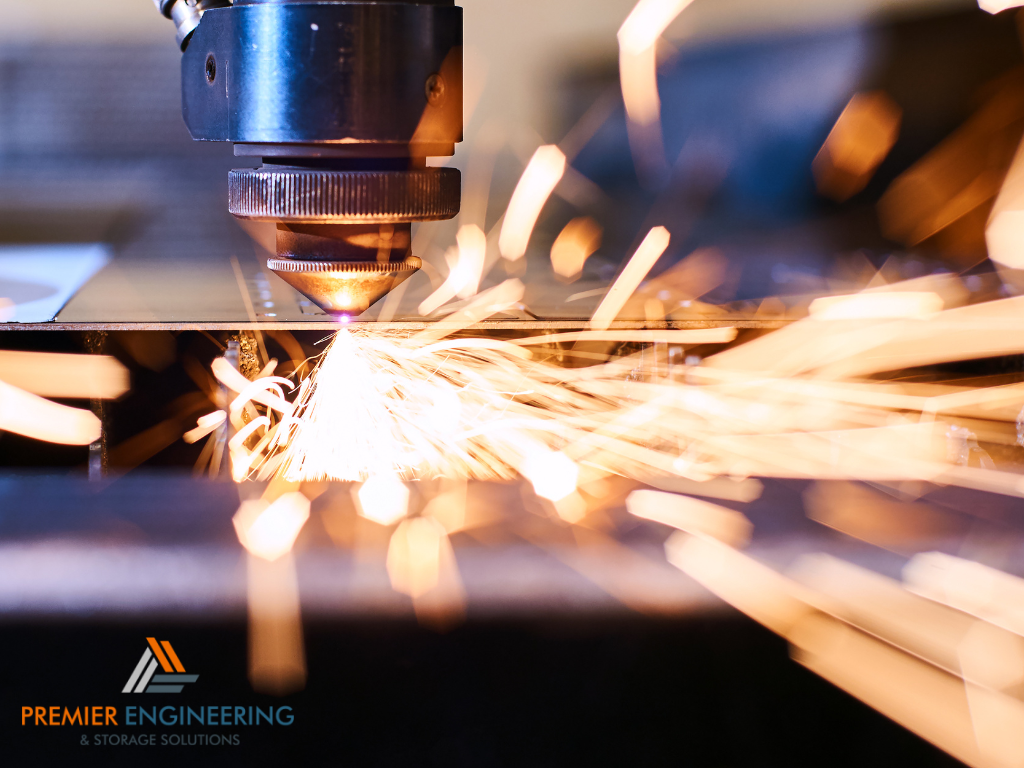
    Laser cutting, a technology that uses a high-powered laser to cut materials, has become a cornerstone in modern prototyping and production processes. Its significance lies in its precision, efficiency, and versatility, making it ideal for various project sizes, from small prototypes to large-scale productions. Laser cutting stands out for its ability to produce intricate designs with clean cuts and fine details, which are essential in both prototyping and small batch production.

    This technology is not limited by the complexity of designs, allowing for a broad range of applications across industries. The versatility of laser cutting makes it suitable for a wide array of materials, including metals, plastics, wood, and composites, thereby catering to diverse project requirements.

    Laser Cutting in the Prototyping Process

    Laser Cutting

    Benefits of Using Laser Cutting for Prototypes

    1. Speed and Precision in Prototyping: Laser cutting accelerates the prototyping process significantly. Its high-speed operation and precision allow for rapid creation of parts with exact specifications. This speed is crucial for iterative design processes where time is of the essence. The precision of laser cutting ensures that even the most intricate designs are accurately replicated, which is vital for testing and validating prototypes.
    2. Flexibility in Design Alterations: One of the key advantages of laser cutting in prototyping is the ease with which design alterations can be made. Unlike traditional manufacturing methods, changes in design do not require new tooling or significant setup changes, thus reducing the time and cost involved in making iterations.

    Material Considerations for Prototyping

    Laser Cutting

    When selecting materials for laser-cut prototypes, it’s important to consider the material properties in relation to the intended use of the prototype. Materials commonly used in laser cutting include acrylic, thin metals, wood, and certain types of foam, each offering different benefits such as durability, aesthetics, and cost-effectiveness. The choice of material will impact the prototype’s functionality, appearance, and feel, as well as the overall cost of the prototyping process.

    Transitioning from Prototype to Production

    Scaling from prototype to small batch production is seamless with laser cutting. The same design files and parameters used for creating prototypes can be employed for small scale production runs, ensuring consistency and accuracy across all units. This transition capability is especially beneficial for custom or niche products where large-scale production is not required.

    Optimising Small Batch Production with Laser Cutting

    Laser Cutting

    Advantages of Laser Cutting for Small Scale Production

    1. Customisation Capabilities and Cost-Effectiveness: Laser cutting is ideal for customised or personalised products often required in small batch production. It allows for high levels of customisation without significant increases in cost. The technology is inherently adaptable, making it cost-effective for producing small quantities of products without the need for expensive moulds or dies.
    2. Maintaining Quality in Limited Runs: Consistent quality is a hallmark of laser cutting, crucial in small batch production where each piece’s integrity is paramount. Laser cutting ensures that each item within a batch meets the same high standards of quality and precision, maintaining uniformity across the production run.

    Challenges in Small Batch Laser Cutting

    Laser Cutting

    While laser cutting offers many advantages, it also comes with its set of challenges in small batch production:

    • Material Limitations: Certain materials can be challenging to cut with a laser, such as reflective metals or materials that produce hazardous fumes when cut.
    • Thickness Limitations: There are limitations to the thickness of material that can be effectively and efficiently cut, which varies depending on the type of laser cutter and material.
    • Cost Considerations: While laser cutting is cost-effective for small batches, the initial setup cost can be significant. The balance between cost and the scale of production needs careful consideration.

    Cost Management for Laser Cutting Projects

    Laser Cutting

    Estimating Costs for Prototyping and Small Batch Production

    The cost of laser cutting projects, especially for prototyping and small batch production, can vary significantly based on several factors. Key considerations include:

    • Material Costs: The type and thickness of the material being cut.
    • Design Complexity: More intricate designs require longer cutting times, increasing costs.
    • Machine Time: The duration the laser cutter is in operation, including setup and actual cutting time.
    • Labour Costs: Expenses related to handling, finishing, and assembly of the laser-cut parts.

    Factors Influencing the Cost

    • Quantity: Larger quantities can often reduce the cost per unit, but this needs to be balanced against the total project budget.
    • Material Utilisation: Efficient layout and nesting of parts on the material sheet can minimise waste and reduce costs.

    Cost-Effective Strategies for Laser Cutting

    To reduce expenses in laser cutting without compromising quality:

    • Optimise Design: Simplify designs where possible to reduce cutting time.
    • Material Selection: Choose cost-effective materials that still meet the project requirements.
    • Batch Production: If feasible, produce larger quantities to benefit from economies of scale.

    Quality Assurance in Laser Cutting for Prototyping and Production

    Laser Cutting

    Ensuring High Quality in Outputs

    Maintaining high quality in laser cutting is critical, particularly for prototypes and small batches where each piece represents a significant portion of the production run. Implementing stringent quality control measures, such as regular machine calibration, precise material handling, and detailed inspections of finished parts, is essential.

    Quality Control Measures for Prototypes and Small Batches

    • Pre-Cutting Checks: Ensuring material quality and proper machine setup.
    • In-Process Inspections: Monitoring during the cutting process to detect any issues early.
    • Post-Cutting Quality Checks: Examining completed parts for accuracy and defects.

    Feedback and Iteration in Prototyping

    The role of client feedback and an iterative design process in prototyping is vital. Continuous communication with clients ensures that their requirements are met and any necessary adjustments are made efficiently. Iterative prototyping, where designs are refined over several iterations based on feedback, leads to a more effective end product.

    Future Trends in Laser Cutting for Prototyping and Production

    Laser Cutting

    Predicting Advancements in Laser Cutting Technology

    The future of laser cutting is expected to see advancements in areas such as increased cutting speeds, enhanced precision, and the ability to cut a wider range of materials. Innovations in software and automation will likely streamline the laser cutting process further, improving efficiency and reducing costs.

    How Future Developments Might Influence Prototyping and Small Batch Production

    Emerging technologies in laser cutting are poised to revolutionise prototyping and small batch production by enabling even more intricate designs, reducing material waste, and offering faster turnaround times. These developments could open new avenues for customisation and complex projects that are currently not feasible or too costly.

    Conclusion

    Laser cutting plays a crucial role in the efficiency and effectiveness of prototyping and small batch production. Its precision, versatility, and adaptability make it an invaluable tool across various industries and project scales. With the ongoing advancements in technology and a strategic approach to cost management and quality assurance, laser cutting continues to evolve as a key technique in modern manufacturing. The future of laser cutting promises even greater possibilities, ensuring its continued relevance and expanding its potential applications.


  • Optimizing Laser Cutting Parameters for Quality Results

    Optimizing Laser Cutting Parameters for Quality Results

    In the intricate world of laser cutting, the precision of various parameters plays a pivotal role in achieving the desired outcomes. The quality, efficiency, and accuracy of laser cuts are heavily dependent on how well these parameters are optimized. Key parameters in laser cutting include laser power, cutting speed, and focus, each of which must be carefully adjusted according to the material being cut and the specific requirements of the project. Understanding and controlling these parameters is essential for anyone looking to excel in laser cutting, whether for industrial applications, artistic endeavors, or precise fabrication tasks.

    Understanding Key Laser Cutting Parameters

    Laser Cutting

    Laser Power: Its Role and Adjustment

    Laser power is a crucial factor in the cutting process. It determines the intensity of the laser beam and, consequently, its ability to cut through materials. Higher power levels can cut thicker and denser materials but may increase the risk of burning or melting the material. Conversely, lower power levels are suitable for thinner or more delicate materials. Adjusting the laser power requires a careful balance: too much power can lead to poor quality cuts with excessive burn marks, while too little power might not penetrate the material sufficiently. The adjustment of laser power depends on the material’s thickness, type, and the desired speed of the cutting process.

    Speed Settings in Laser Cutting

    The speed at which the laser moves over the material greatly impacts the quality of the cut. Faster speeds can lead to quicker cuts, which is efficient but might compromise the cut’s quality, especially in thicker materials. Slower speeds ensure a cleaner cut but can increase the risk of heat damage to the material. Finding the optimal speed is critical and involves considering the material type, thickness, and the intricacy of the design. For complex and detailed patterns, a slower speed might be necessary to achieve precise cuts.

    Focus and Precision in Laser Cutting

    Laser Cutting

    The Importance of Laser Focus

    The focus of the laser beam is another vital parameter. A properly focused laser beam results in a precise and clean cut with minimal kerf and heat affect zone. The focus is determined by the distance between the laser nozzle and the material’s surface. If the laser is not correctly focused, the cut may be uneven, or the laser might not fully penetrate the material.

    Adjusting Focus for Various Material Thicknesses

    Adjusting the focus is particularly important when working with materials of varying thicknesses. Thicker materials require a laser beam focused deeper into the material’s surface, while thinner materials need a tighter focus near the surface. Some laser cutting machines have auto-focus capabilities, but manual adjustment may be necessary for optimal results in certain situations. Understanding how to adjust the focus for different materials is key to achieving the best cut quality and precision.

    Advanced Techniques in Parameter Optimization

    Pulse Frequency Settings and Their Effects

    Pulse frequency, or the rate at which the laser fires, plays a significant role in laser cutting, especially for materials that require a high level of detail. Adjusting the pulse frequency can affect the smoothness of the cut and the heat input into the material. Higher pulse frequencies can produce smoother cuts and are ideal for intricate designs but may increase the risk of heat buildup in certain materials. Conversely, lower pulse frequencies result in a coarser cut but can be beneficial for thicker or heat-sensitive materials by reducing the thermal impact. Understanding how to adjust pulse frequency based on the material and the desired outcome is key for advanced laser cutting operations.

    Layering Techniques in Complex Cuts

    Layering cuts is a technique used in complex laser cutting projects. This involves cutting a design in stages or layers to achieve detailed and intricate patterns without overburdening the material with heat. Adjusting laser parameters such as speed, power, and frequency for each layer is crucial to ensure precision and prevent material damage. This method requires careful planning and a deep understanding of how different parameters interact with the material at each stage of the cutting process.

    Material-Specific Parameter Settings

    Laser Cutting

    Customizing Parameters for Different Materials

    Each material responds differently to laser cutting, requiring customized parameter settings for optimal results. For instance, cutting metals like steel might require higher power settings and lower speeds, whereas plastics and woods can be cut at higher speeds with lower power. Adjusting the focus is also material-dependent, with thicker materials needing a more defocused beam for better energy distribution. Understanding the characteristics of each material is essential for setting the right parameters.

    Dealing with Heat-Sensitive Materials

    Heat-sensitive materials, such as certain plastics or laminates, require special attention during laser cutting to prevent warping or burning. Techniques like reducing power, increasing speed, and using a higher pulse frequency can minimize heat buildup. Implementing air assist, where a stream of air is directed at the cutting point, can also help dissipate heat and reduce the risk of material damage.

    Trial and Error: Finding the Right Balance

    The Role of Experimentation in Parameter Setting

    Achieving the perfect laser cut often involves a degree of experimentation. Trial and error play a significant role in determining the best settings for each unique project. This process involves adjusting one parameter at a time and understanding its impact on the cut quality. It’s a meticulous approach that requires patience but is crucial for mastering laser cutting techniques.

    Documenting and Learning from Tests

    Documenting the results of each test cut is invaluable. Keeping a record of parameter settings and their outcomes creates a reference that can be used for future projects, saving time and reducing material wastage. This practice also contributes to a deeper understanding of how different materials and designs respond to various laser settings.

    Maintaining Equipment for Consistent Parameters

    Routine Maintenance and Its Impact on Laser Cutting Quality

    Regular maintenance of laser cutting equipment is fundamental to ensuring consistent parameter settings and, consequently, high-quality cutting results. Proper maintenance includes cleaning lenses and mirrors to prevent distortion of the laser beam, checking and replacing worn-out parts, and ensuring all moving components are lubricated and functioning smoothly. Neglecting routine maintenance can lead to inconsistent cuts, diminished accuracy, and a higher likelihood of equipment failure. Therefore, a well-maintained machine is crucial for maintaining the precision and reliability of laser cutting operations.

    Calibration and Alignment Checks

    Calibration and alignment are critical for the optimal performance of laser cutting machines. Regular checks and adjustments ensure the laser beam is correctly focused and the cutting path aligns accurately with the intended design. Calibration involves adjusting the laser to the correct focal length, especially after changing lenses or cutting different material thicknesses. Alignment checks ensure the laser beam follows the correct path from the emitter to the cutting surface. These procedures help in preventing inaccuracies like skewed cuts or uneven depths, ensuring each cut is as precise as the last.

    Conclusion

    Optimizing laser cutting parameters is a meticulous and critical process, essential for achieving high-quality results. From adjusting laser power and speed to focusing the beam and modifying pulse frequencies, each parameter plays a vital role in the outcome of the cutting process. Regular equipment maintenance and calibration are equally important to ensure these parameters remain consistent and accurate. Mastering laser cutting techniques is a continuous journey of learning and adjustment, requiring dedication and attention to detail. As technology evolves, so too should the skills and knowledge of those working with laser cutting equipment, always striving for the highest standards of quality and precision.


  • Custom Laser Cutting Solutions for Sydney Businesses

    Custom Laser Cutting Solutions for Sydney Businesses


    Custom laser cutting services in Sydney offer specialized solutions to businesses seeking precision and customization in their manufacturing processes. Laser cutting, a technique that uses a high-powered laser to cut and shape materials, is renowned for its accuracy, speed, and versatility. Custom services in Sydney cater to a diverse range of industries, from manufacturing and construction to design and art. These services provide businesses with the ability to tailor their projects to exact specifications, whether it’s intricate designs for artistic installations or precise components for industrial machinery.

    Advantages of Custom Laser Cutting for Local Businesses

    Laser Cutting

    Custom laser cutting offers several significant benefits for Sydney businesses:

    • Precision and Accuracy: Laser cutting allows for extremely precise cuts, essential for complex designs and tight tolerances.
    • Versatility in Materials: A wide range of materials can be laser cut, from metals and plastics to wood and glass, offering flexibility in application.
    • Efficiency and Speed: Laser cutting is a fast process, reducing production time and enabling quick turnarounds for projects.
    • Cost-Effectiveness: Despite the high level of precision, laser cutting can be cost-effective, especially for high-volume or repeat orders.
    • Customization: Perhaps the most significant advantage, it allows for limitless customization, enabling businesses to bring unique designs and ideas to life.

    Identifying Business Needs for Custom Laser Cutting

    Assessing Unique Business Requirements

    To effectively leverage custom laser cutting, Sydney businesses first need to assess their specific requirements. This assessment involves understanding the project’s scope, the materials needed, the desired precision level, and the final application of the cut pieces. Businesses should also consider the volume of production – whether the project is a one-off prototype or a large-scale production run – as this can influence the choice of laser cutting service.

    Matching Business Needs with Laser Cutting Capabilities

    Different laser cutting technologies offer various capabilities, and it’s important to match these with business needs. For example, CO2 lasers are excellent for cutting, engraving, and etching on non-metal materials, whereas fiber lasers are more suited for working with metals. Understanding the strengths and limitations of each laser type ensures that the chosen technology aligns with the project’s specific requirements, resulting in the best possible outcome.

    Design Aspects in Custom Laser Cutting

    Designing for Laser Cutting

    Designing for laser cutting requires a thoughtful approach. Key considerations include:

    • Material Constraints: Each material has its unique properties, such as thickness and heat resistance, which must be considered in the design.
    • Complexity of Design: While laser cutting allows for intricate designs, the complexity can impact the cutting time and cost.
    • File Preparation: Designs need to be converted into a suitable digital format, typically vector files, which guide the laser cutter.

    Collaborating with Designers and Specialists

    Working with skilled designers and laser cutting specialists is crucial for achieving optimal results. These professionals can provide valuable insights into the laser cutting process, material selection, and design optimizations. They can also help troubleshoot potential issues and ensure that the final design is both feasible and cost-effective.

    Material Selection for Custom Projects

    Choosing the Right Materials

    Selecting the right materials is a critical step in custom laser cutting projects. The choice depends on the project’s purpose, desired aesthetics, and functional requirements. Common materials used in laser cutting include various metals like steel and aluminum, plastics like acrylic and polycarbonate, wood, and even fabrics. Each material has its own set of properties that make it suitable for different applications. For instance, metals are ideal for durable, high-strength components, while acrylics are chosen for their aesthetic appeal and versatility.

    Material Properties and Laser Cutting Compatibility

    Understanding how different materials interact with laser cutting processes is essential. Factors such as melting point, thickness, and reflectivity can significantly impact the cutting process. Materials with a high melting point or reflectivity, like certain metals, require more powerful lasers. Similarly, the thickness of the material determines the laser power needed for a clean cut. It’s also important to consider any potential material deformations caused by the heat generated during the laser cutting process.

    Technological Advancements in Laser Cutting

    Leveraging Advanced Laser Cutting Technology

    Sydney’s laser cutting industry has access to state-of-the-art laser cutting technologies, offering enhanced precision, speed, and flexibility. Modern laser cutters are equipped with features like faster cutting speeds, greater accuracy, and the ability to cut complex shapes with minimal waste. These advancements not only improve efficiency but also expand the creative possibilities for custom projects.

    Innovations Beneficial to Sydney Businesses

    Technological advancements in laser cutting that are particularly beneficial for Sydney businesses include automation features and software integration. These innovations allow for more precise control over the cutting process, resulting in higher-quality outputs. Additionally, developments in laser power and efficiency enable handling a broader range of materials, thus widening the scope of potential projects.

    Cost Considerations and Budgeting

    Estimating Costs for Custom Laser Cutting Projects

    Budgeting effectively for a custom laser cutting project involves several considerations. The cost is influenced by factors such as the type and thickness of the material, the complexity of the design, and the total cutting time. For an accurate estimate, it’s recommended to consult with laser cutting providers who can assess the specifics of your project and provide detailed quotations.

    Balancing Quality and Cost in Custom Solutions

    Achieving the best value without compromising quality is a key goal in custom laser cutting projects. To balance quality and cost:

    • Opt for materials that offer the best trade-off between cost and performance for your specific application.
    • Simplify designs where possible to reduce cutting time and complexity, thereby lowering costs.
    • Consider the economies of scale, as larger production runs often reduce the cost per unit.

    Execution and Implementation

    Laser Cutting

    From Design to Reality: Executing Custom Projects

    The process of executing custom laser cutting projects involves transforming conceptual designs into tangible products. This journey starts with finalizing the design, often created using specialized software that translates the design into a format compatible with laser cutting machines. Once the design is set, the chosen material is prepared and loaded into the laser cutter. The cutting process is then carefully monitored to ensure precision. After the cutting phase, the pieces may undergo additional processes such as cleaning, polishing, or assembly, depending on the project requirements. This step-by-step approach ensures that the initial vision is accurately brought to life.

    Quality Assurance and Testing

    Quality assurance and testing are integral parts of the execution process. After the laser cutting is complete, each piece is inspected for accuracy, dimensions, and any potential defects. This might include measuring the cut components, checking the smoothness of edges, and ensuring the overall quality meets the specified standards. For projects that require assembly, it is also crucial to test how the components fit and function together. This rigorous quality control guarantees that the final product not only aligns with the design specifications but also upholds the high standards expected in professional laser cutting.

    Conclusion

    Looking towards the future, the field of custom laser cutting in Sydney is poised for further growth and innovation. Technological advancements are expected to continue, bringing even greater precision and new capabilities to laser cutters. Trends such as automation and the integration of artificial intelligence may further streamline the process, enhancing productivity and creativity. As businesses in Sydney increasingly recognize the potential of custom laser cutting, its role in various sectors is likely to expand, cementing its place as a key technology in modern manufacturing and design.


  • Security Features in Metal Storage Cabinets

    Security Features in Metal Storage Cabinets

    In today’s modern world, ensuring the safety of our belongings is of utmost importance, particularly in environments that necessitate the storage of sensitive or valuable items. One of the preferred choices for this purpose is the metal storage cabinets. Not only do these cabinets offer durability and resilience, but they also come packed with features that prioritize security.

    Advanced Locking Mechanisms for Safeguarding Contents

    The evolution of the metal storage cabinet has seen advancements not just in design but also in functionality. Modern metal cabinets often incorporate state-of-the-art locking mechanisms. Unlike traditional cabinets which might simply have a basic lock and key system, these contemporary versions may include:

    Digital Keypad Locks: Requiring a code to gain access, these locks provide an additional layer of security. Users can often change the code as needed, ensuring limited access.

    Biometric Access: Some high-end metal storage cabinets might even include fingerprint recognition. This ensures that only authorized personnel can access the contents.

    Keycard Systems: Similar to those used in modern offices or hotel rooms, these systems require a specific card to unlock the cabinet.

    Such advanced systems not only ensure that the contents remain safe from unauthorized access but also provide owners with peace of mind.

    Fireproof and Tamper-Proof Designs for Added Safety

    Apart from theft, other external factors can jeopardize the integrity of items stored. That’s where the design and material of the cabinet play a crucial role.

    Fireproofing: Many metal storage cabinets, especially those used in industrial settings, come with a fireproof design. This means that in the event of a fire, the contents inside the cabinet have a higher chance of remaining unscathed.

    Tamper-Proof Features: The robustness of stainless steel splashback in some cabinets ensures that any attempt to tamper with or forcefully open the cabinet becomes a challenging task. The resilience of materials such as stainless steel splashback cut to size precisely for these cabinets provides an added layer of security.

    Industrial Shelving Units: When considering industrial shelving units, metal cabinets stand out for their ability to withstand heavy weights, ensuring they don’t buckle under pressure. These shelving units are designed to hold heavy tools, equipment, and materials safely.

    It’s evident that when it comes to choosing storage cabinets, especially in environments that require stringent safety measures, metal storage cabinets are a top choice. Their combination of advanced locking systems with fireproof and tamper-proof designs ensures that they’re not just storage units but security vaults for your valuables.

    Security Features in Metal Storage Cabinets

    Storing items, whether in a residential, commercial, or industrial setting, requires solutions that not only organize but also protect. Metal storage cabinets offer durability and are increasingly incorporating advanced security features. From safeguarding important documents to storing tools or chemicals, these cabinets are becoming indispensable in various sectors.

    Metal Storage Cabinet & Its Growing Importance The integrity of metal, especially steel, makes it a sought-after material for storage cabinets. Their rugged construction, combined with cutting-edge locking mechanisms, has made them a staple in places where security is paramount. Furthermore, their ability to resist fire and tampering adds layers of safety, ensuring contents remain undisturbed and intact.

    Incorporating a stainless steel splashback or having stainless steel splashback cut to size can further enhance the durability and aesthetic appeal of these cabinets. They are not only functional but also blend seamlessly into modern interior designs. Coupled with industrial shelving units or other shelving units, these cabinets can transform any storage area into a secure and organized space.

    What Are the 3 Types of Materials Used in Constructing Cabinets?

    When it comes to cabinets, the choice of material greatly influences its durability, functionality, and aesthetics. Here’s a look at three primary materials:

    Wood: A classic choice known for its aesthetic appeal and versatility. Whether hardwood or softwood, wood cabinets exude a natural charm.

    Plywood: A composite material, plywood offers strength and stability. It’s an excellent choice for those who want the look of wood without the high price tag.

    Metal (especially Steel): Chosen for its strength and durability, metal cabinets, especially those of steel, are ideal for commercial and industrial settings.

    What Material Is Used for Steel Cabinets?

    Steel cabinets are typically constructed from sheets of cold-rolled steel. This type of steel is rolled at room temperature, resulting in a material that’s both harder and stronger. Post-shaping, they are often given a protective powder finish to enhance appearance and resist rust.

    What Is the Best Material to Make a Cabinet?

    The ideal material for a cabinet varies based on its intended use and location. While wood or plywood might be the material of choice for residential settings due to its aesthetic appeal, metal storage cabinets are more suited for areas that require robustness, such as garages or industrial sites.

    To wrap it up, if you’re on the lookout for storage solutions that prioritize security, metal storage cabinets, especially those paired with advanced locking mechanisms, might be just what you need. Their ability to provide both functionality and peace of mind makes them a valuable addition to any space.

  • Safety Protocols for Heavy-Duty Shelving: A Comprehensive Guide

    Safety Protocols for Heavy-Duty Shelving: A Comprehensive Guide

    In numerous workplaces and even homes, heavy-duty shelving units are essential storage solutions. These units, whether industrial shelving units or metal storage cabinets, promise robustness. However, their effectiveness is only as good as the safety measures employed during their use. Let’s delve into the nuanced details of safely handling these storage marvels.

    Understanding Weight Limits and Distribution

    Determine Specific Shelf Capacities: Each shelving brand and model will have distinct weight limits. Refer to the manufacturer’s guide that came with your unit. If lost, most brands have these guidelines available online or through customer service.

    Using Scales for Accuracy: Instead of guesstimating, use a scale to weigh items before placing them on the shelving units. This ensures you never inadvertently surpass the recommended weight.

    Distribute Weight Evenly: Ensure that the weight is not concentrated in one section. Use shelf dividers, if necessary, to remind you of weight distribution zones.

    Anchoring: Not Just For Tall Units

    Wall Anchoring is Crucial: All units, irrespective of their height, benefit from anchoring. Wall anchors, available at hardware stores, offer an added layer of stability.

    Floor Leveling: For shelving units placed on uneven floors, use leveling feet or shims. This not only prevents wobbling but evenly distributes weight across the unit.

    Regular Maintenance and Inspection

    Monthly Visual Check: At the start of each month, do a visual check. Look for any signs of bending, rust (particularly in metal storage cabinets), or any other wear and tear.

    Annual In-depth Inspection: Once a year, empty the shelves. Check the integrity of each shelf, the backboard, and the anchoring system. For metal units, look out for rust or corrosion. If your unit has a stainless steel splashback, ensure it’s securely attached and free from damage.

    Maintain a Log: Keep a maintenance log nearby the unit. Jot down when checks are done, issues noticed, and when they were rectified.

    Training and Knowledge Sharing

    If you’re in a workplace, ensure that all employees are trained on the correct usage of the shelving units. Even at home, make sure all family members understand the importance of not overloading shelves and reporting any noticeable issues.

    Choosing the Right Equipment

    Don’t Skimp on Quality: Investing in high-quality storage cabinets and shelving units pays off in the long run. Trusted brands often undergo rigorous testing to ensure their products are safe and durable.

    Understanding the Shelving UnitS System and Its Purpose

    As we delve deeper into the realm of shelving, it’s essential to understand its nomenclature, structure, and diverse applications. From homes to mammoth warehouses, the ubiquitous shelving unit is more than just an assembly of planks and screws.

    What is a Shelving Unit System?

    A shelving unit system refers to a pre-designed arrangement of shelves that come together to provide storage solutions. It consists of a framework of uprights, braces, and shelves, tailored for specific weight capacities and purposes. These systems are meticulously designed for stability, scalability, and ease of assembly. Depending on the design, some can be expanded upon, offering modularity and adaptability to evolving storage needs.

    What are the Uses of Shelving Units?

    Shelving units are versatile, finding their way into a plethora of environments:

    • Homes: From displaying books to storing kitchenware, they help in organizing and beautifying spaces.
    • Retail: Shops use them to exhibit products in an accessible and visually appealing manner.
    • Offices: They house important files, supplies, and sometimes, decorative items to spruce up the workspace.
    • Libraries: Rows and rows of shelving units systematically host thousands of books.
    • Laboratories: They store equipment, samples, and chemicals safely.

    What is Shelving in Furniture?

    In the realm of furniture, shelving refers to a piece or a system specifically designed to showcase or store items. Unlike cabinets, which have doors, shelving is typically open, making items easily visible and accessible. It can be standalone, like bookcases, or integrated into other furniture pieces, such as beds with headboard shelves or coffee tables with undershelves.

    What is the Purpose of Shelving in Warehousing?

    Warehousing demands efficient use of space, quick access, and an organized system for inventory management. Here’s where shelving units play a pivotal role:

    • Space Maximization: They utilize vertical space, ensuring floor areas are not cluttered.
    • Inventory Organization: Items can be categorized and stored systematically, reducing retrieval times.
    • Safety: Proper shelving reduces the risk of accidents, ensuring items are not stacked haphazardly.
    • Inventory Tracking: With structured shelving, inventory checks become more streamlined.

    Consider Additional Safety Features

    Some shelving units come with anti-tip features, reinforced backboards, or rust-resistant coatings. These can be particularly beneficial in environments where there’s a higher risk of mishaps.

    To sum it up, shelving units, in all their variations, serve the primary purpose of organization. By understanding their structure and applications, we can make informed choices, ensuring we utilize them to their fullest potential.

    Craving more insights?

    Dive deeper into the world of shelving units on our blog. Your storage solution journey is just a click away!

  • The Evolution of Sheet Metal Manufacturing Technologies

    The Evolution of Sheet Metal Manufacturing Technologies

    Introduction

    Today, we’re diving into the captivating world of sheet metal manufacturing. If you’ve ever wondered how technological advancements have shaped this industry, this article is for you. From CNC Cutting to sustainable practices, let’s explore how the sector has evolved.

    Historical Perspective: From Manual to Machine Operations

    In the past, sheet metal manufacturing was primarily a manual process. Skilled workers used hand tools to cut, shape, and assemble metal pieces. However, as the demand for precision and volume grew, the industry began to integrate machinery into its operations. For example, CNC Cutting—a computer-controlled process—became a game-changer, allowing for more precise and consistent results than manual methods. Similarly, the use of stainless steel splashbacks in various applications can be traced back to advances in cutting techniques.

    Modern Innovations: CNC and Automation

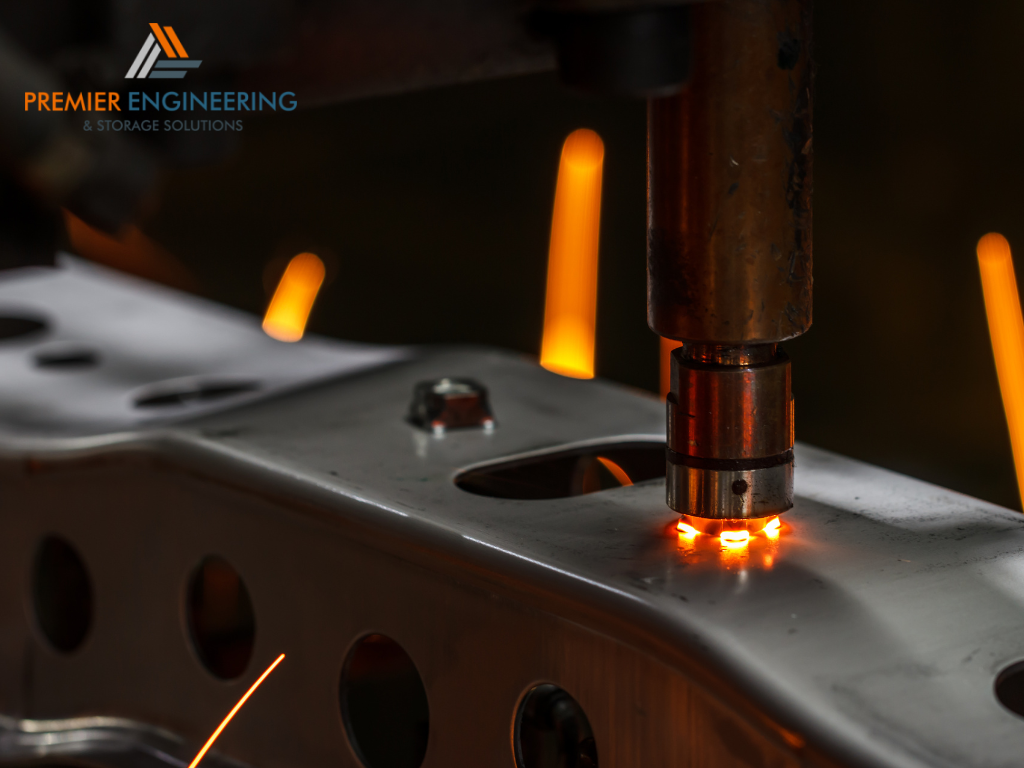
    Nowadays, the field has been revolutionized by technologies like CNC Machining and Automation. These advancements allow for complex shapes to be made with high precision. Automation also increases efficiency, enabling manufacturers to meet higher demands without compromising quality. Laser cutting is another innovative technology, particularly useful in crafting intricate designs on sheet metal. For instance, this method can be employed in creating detailed metal storage cabinets.

    Software for Design and Simulation

    In addition to hardware, software plays a significant role. Design software helps engineers and designers draft detailed models before the manufacturing process begins. Meanwhile, simulation software predicts how the metal will behave under different conditions. Both types of software work in harmony to optimize the production process. Importantly, these software solutions often include features for CNC Punching, which is vital for creating holes in metal components, often seen in various storage solutions.

    The Role of Artificial Intelligence and Machine Learning

    You might be surprised to hear that Artificial Intelligence (AI) and Machine Learning have started making their way into sheet metal manufacturing. These technologies analyze data to optimize production, reduce waste, and even predict maintenance needs for machines. By doing so, they contribute to cost savings and efficient operations.

    Future Trends: Sustainability and 3D Printing

    Looking ahead, sustainability is becoming a major focus. Manufacturers are increasingly using eco-friendly practices and materials. For example, recycled metal is now more commonly used than ever before. Another exciting development is 3D printing, which allows for rapid prototyping and even production of metal parts. This technology promises to open new doors for customization and quick turnarounds.

    Conclusion

    The sheet metal manufacturing industry has come a long way, thanks to technological innovations. From the days of manual labor to the use of advanced software and AI, the sector is in a state of constant evolution. As we look to the future, sustainable practices and advanced technologies like 3D printing are set to further revolutionize the industry. In a nutshell, whether you’re interested in CNC Machining or exploring sustainable storage solutions, the realm of sheet metal manufacturing is rich with opportunities for learning and growth.