Category: Uncategorized

  • CNC Punching Service Tips for Better Fabrication

    CNC Punching Service Tips for Better Fabrication

    Improving Accuracy in Every Project

    cnc punching service plays a key role in modern fabrication because it delivers precise and consistent results across different projects. It allows manufacturers to create clean holes, shapes, and patterns in metal sheets with minimal error. This level of accuracy is important for industries that rely on repeatable quality and detailed designs.

    Supporting Faster Metal punching services

    Compared to manual methods, Metal punching services powered by CNC technology are faster and more efficient. This helps reduce production time while maintaining high standards. As a result, businesses can complete projects quicker while still achieving strong and reliable outcomes.

    Understanding metal bending press and Its Function in cnc punching service

    What is a metal bending press and how does it work?

    A metal bending press is used to shape flat metal after it has been processed through cnc punching service. It applies pressure to bend the material into the required angle or structure, making it ready for assembly or final use.

    Why is metal bending press important in cnc punching service projects?

    metal bending press is important because punching alone cannot create fully formed components. By combining bending with cnc punching service, manufacturers can produce parts that meet both design and structural requirements with greater accuracy.

    How Metal punching services Work Together with metal bending press
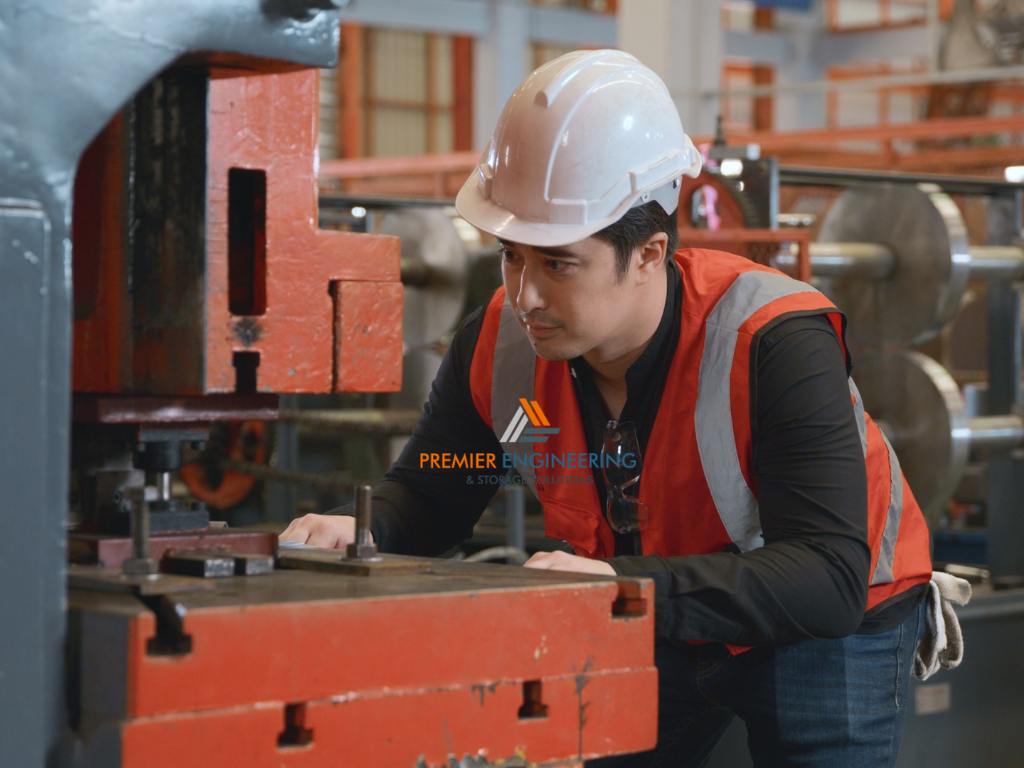
    Metal punching services, metal bending press, engineering manufacturing and fabrication capabilities, cnc cutting machine, cnc cutting services western sydney

    Creating Complete Metal Components

    Metal punching services and metal bending press processes work together to produce finished metal components. Punching creates the necessary cut-outs and patterns, while bending shapes the material into its final form, ensuring the component is ready for use.

    Improving Fabrication Flow

    When these processes are combined, production becomes more efficient and streamlined. This reduces handling time and improves consistency, especially for projects that require strong engineering manufacturing and fabrication capabilities.

    The Role of cnc cutting machine in Supporting cnc punching service

    How does a cnc cutting machine improve fabrication accuracy?

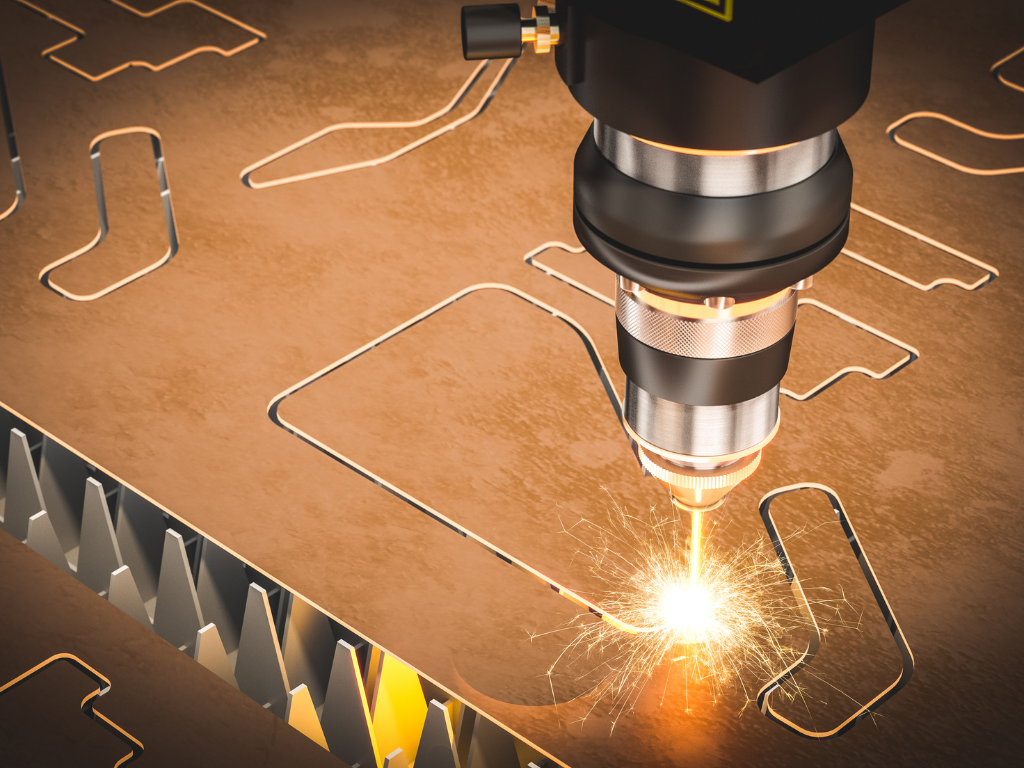
    A cnc cutting machine supports cnc punching service by cutting metal sheets into precise shapes before or after punching. This ensures accurate dimensions and clean edges, which are important for high-quality fabrication results.

    When should cnc cutting machine be used alongside punching and bending?

    A cnc cutting machine is ideal for projects that require detailed profiles and exact sizing. When used together with Metal punching services and metal bending press, it creates a complete fabrication process that delivers better results for cnc cutting services western sydney projects.

    Engineering manufacturing and fabrication capabilities in cnc punching service Projects
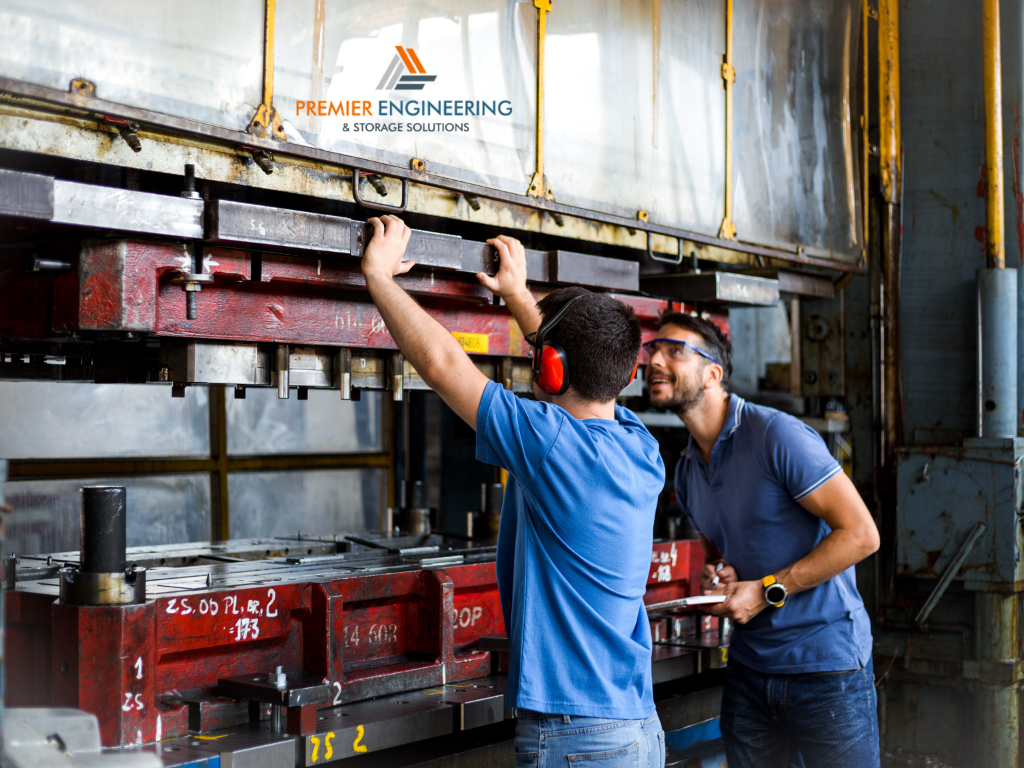
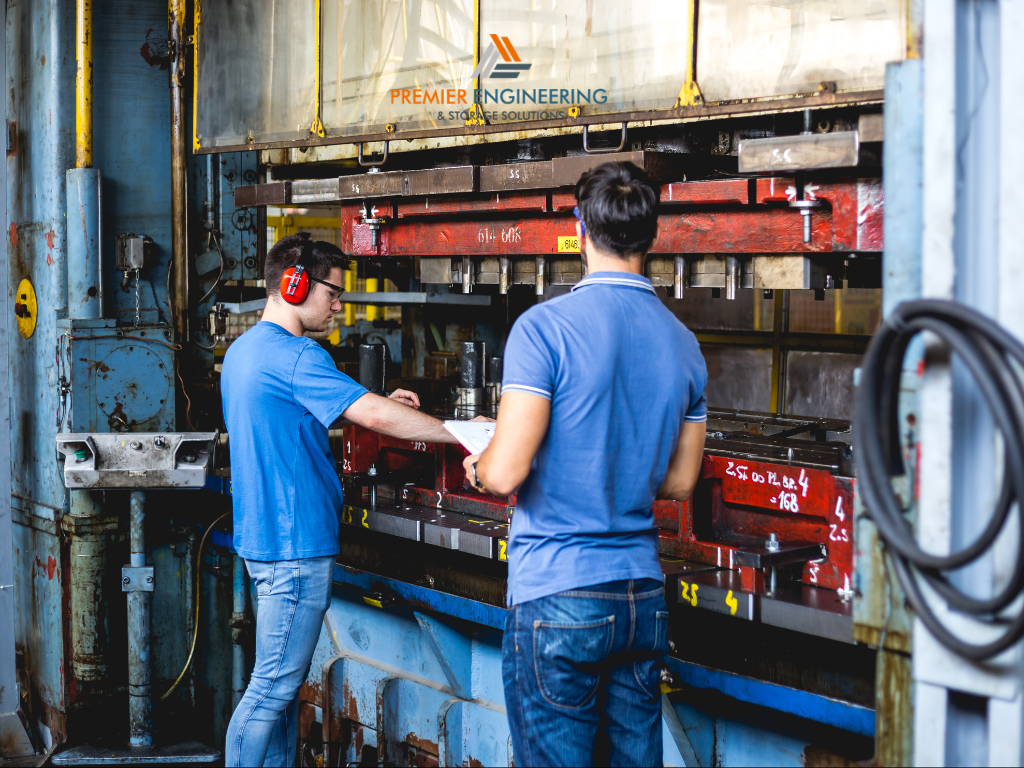
    Metal punching services, metal bending press, engineering manufacturing and fabrication capabilities, cnc cutting machine, cnc cutting services western sydney

    Supporting Complex and Custom Fabrication Needs

    engineering manufacturing and fabrication capabilities are essential for handling complex cnc punching service projects. These capabilities allow manufacturers to work with detailed designs, tight tolerances, and custom specifications while maintaining quality and consistency.

    Choosing the Right Fabrication Partner

    For reliable results, Premier Engineering is the company where they can get Metal punching services, metal bending press, engineering manufacturing and fabrication capabilities, cnc cutting machine, cnc cutting services western sydney. Working with an experienced provider ensures better quality, improved efficiency, and dependable outcomes.

    Why cnc cutting services western sydney Strengthen Local Fabrication

    What makes cnc cutting services western sydney reliable?

    cnc cutting services western sydney are reliable because they offer access to modern equipment, skilled professionals, and efficient processes. Local providers understand industry needs and can deliver accurate results within shorter timeframes.

    How do local services improve project efficiency?

    Working with local services improves communication, reduces delays, and allows quicker adjustments during production. This helps businesses stay on schedule while maintaining high-quality fabrication standards.

    Future of cnc punching service and metal bending press Technology
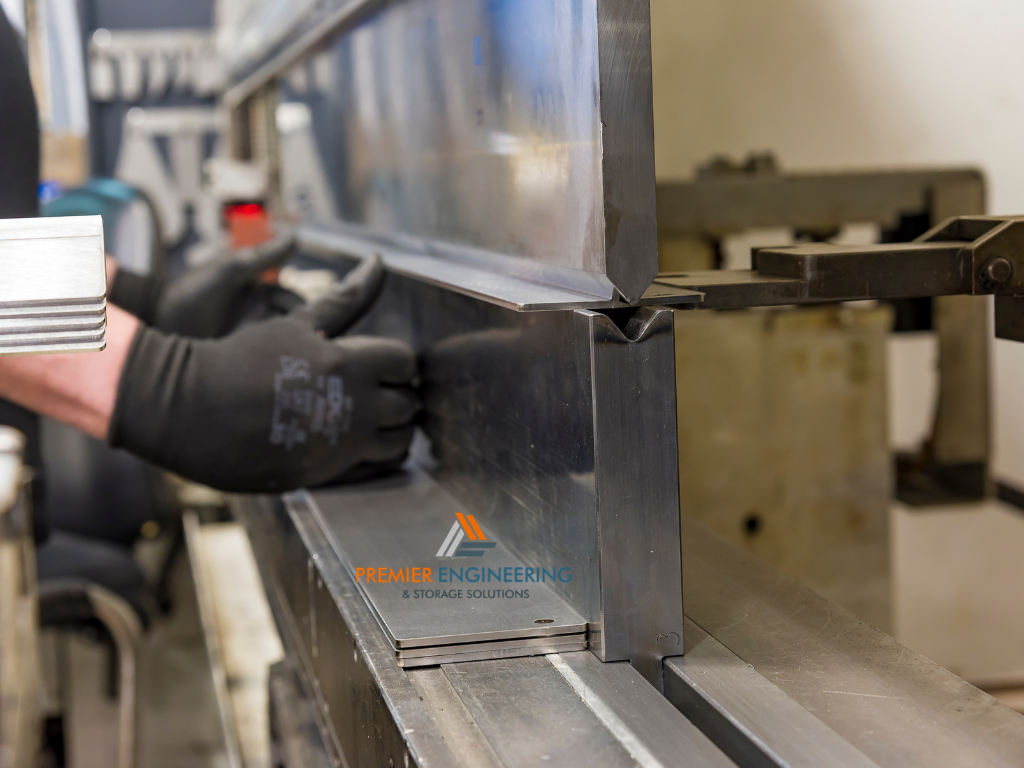
    Metal punching services, metal bending press, engineering manufacturing and fabrication capabilities, cnc cutting machine, cnc cutting services western sydney

    Advancing Technology for Better Precision

    The future of cnc punching service and metal bending press technology will focus on increased automation and improved precision. Advanced systems will allow faster production while maintaining consistent quality across all projects.

    Expanding Capabilities for Modern Manufacturing

    As technology evolves, cnc punching service will become more flexible and efficient. With improved engineering manufacturing and fabrication capabilities, businesses will be able to handle more complex projects while reducing waste and improving overall productivity.
  • Types of CNC Machines and Their Applications

    Types of CNC Machines and Their Applications

    Understanding CNC Machines: A Gateway to Advanced Manufacturing

    As the backbone of advanced manufacturing, CNC machines embody the pinnacle of automated precision. These sophisticated tools translate digital models into physical parts with unparalleled accuracy, heralding a new era of production where human error is minimized and efficiency is paramount.

    Exploring the Different Varieties of CNC Machines

    CNC Laser Cutting Service

    Selecting the appropriate CNC machine requires a clear understanding of their functionalities and applications. Here is a table that presents a side-by-side comparison of the different types of CNC machines:

    CNC MillCapable of handling complex 3D shapes, drilling, boring, and cutting.CNC LatheExcelling in high-precision cylindrical part production.CNC LaserKnown for precision cutting, engraving, and clean cuts.CNC Plasma CutterEfficient at cutting through heavy-duty metals.

    Machine Type Core Features Primary Applications
    CNC Router Specializes in 3D carving and intricate detailing on softer materials.
    Commonly used in woodworking, plastics, and foam.
    Suited for metalworking and intricate shapes in hard materials.
    Ideal for turning, facing, and threading operations.
    Perfect for detailed work on metal, glass, and fabric.
    Used in industrial applications for cutting thick metal components.

    This comparative guide is designed to direct you to the most suitable CNC machine for your specific manufacturing needs.

    Selecting the Right CNC Machine for Your Material and Design

    When determining which CNC machine to use, consider the following criteria, presented here in bullet form for clarity:

    • Material Properties: The hardness, density, and elasticity of the material inform which CNC machine will be most effective.
    • Design Complexity: For detailed and intricate designs, the precision of a laser or router is beneficial, whereas simpler shapes are efficiently tackled by a lathe or mill.
    • Machine Capabilities: It’s essential to match the project requirements with the size, speed, and power of the CNC machine.

    Advantages and Considerations in CNC Machine Selection

    Weighing the advantages of each CNC machine against your project needs is crucial. Here are the points to keep in mind:

    • Lasers and mills are heralded for their precision, making them the preferred choice for complex designs that require fine detailing.
    • Lathes and plasma cutters offer higher efficiency, producing parts at a faster rate, especially when the design is less intricate.
    • Routers are cost-effective for working with non-metal materials, while plasma cutters are the economical option for heavy-duty metal cutting tasks.

    Balancing these advantages with the project specifications, budget, and operational costs will guide you towards the optimal CNC machine choice.

    Navigating the Challenges of CNC Machine Operations

    operating CNC Machines

    Operating CNC machines presents unique challenges that require foresight and planning:

    • Operational Challenges: CNC machines demand regular maintenance to ensure longevity and consistent performance. Operators must be trained to troubleshoot common issues and perform routine checks.
    • Optimization Strategies: To get the best out of a CNC machine, it’s crucial to optimize the tool paths and cutting parameters. This involves fine-tuning the software settings and machine calibration for peak efficiency.
    • Safety and Training: A safe working environment is paramount. Operators should be well-versed in safety protocols and receive proper training on the specific CNC machine they will be using.

    Integrating CNC Machines into Your Production Line

    Introducing CNC machines into an existing production setup involves several steps:

    • Incorporation Steps: Assessing the production line’s readiness for CNC integration, including space allocation and power requirements, is essential.
    • Role of CAD/CAM Software: Utilizing CAD/CAM software not only in the design stage but also in managing the CNC machine operations streamlines the production process.
    • Transition Tips: For a smooth transition, it’s recommended to run pilot projects, ensure staff training, and establish a maintenance schedule right from the start.

    The Future of CNC Machining: Trends and Innovations

    The trajectory of CNC machining is marked by continuous innovation:

    • Technological Advancements: Anticipate breakthroughs in machine intelligence, precision, and material compatibility, expanding the horizons of what CNC machines can produce.
    • Material and Design Influence: Emerging materials with unique properties may necessitate new machining techniques, while evolving design trends could drive the development of advanced CNC functionalities.

    Maximizing the Potential of CNC Machines in Manufacturing

    To fully leverage CNC machines in manufacturing, consider these final thoughts:

    • Strategic Adoption: The strategic implementation of CNC technology can be a significant competitive advantage, offering increased production capabilities and opening new market opportunities.
    • Continuous Improvement: Adopting a mindset of continuous improvement in CNC operations can drive innovation, efficiency, and quality in manufacturing.
  • The Durability of Metal Storage Cabinets: What to Expect

    The Durability of Metal Storage Cabinets: What to Expect

    Introduction

    Storage solutions play an integral role in organizing spaces, whether at home, the office, or in industrial settings. Among the myriad of options available in the market, metal storage cabinets stand out due to their robustness and longevity.

    The key to their resilience lies not just in their metallic nature but also in the specific materials from which they are crafted. In this article, we delve deep into the common materials used in the manufacture of these cabinets and discuss why they’re such a sought-after choice.

    Common Materials Used in Metal Storage Cabinets

    Steel

    Characteristics and Benefits of Steel Cabinets:

    • Strength: Steel is renowned for its strength and durability. This means that steel cabinets can bear considerable weight, making them ideal for storing heavy items.
    • Malleability: Despite its strength, steel is malleable, which allows for intricate designs and customizations tailored to specific storage needs.
    • Cost-Efficiency: Steel cabinets offer a balance between quality and cost. They are relatively more affordable than some other materials while providing commendable durability.

    Common Uses and Environments for Steel Cabinets:

    • Offices: Filing cabinets, personal storage lockers, and stationary cabinets are often made of steel, providing security for documents and personal belongings.
    • Industrial Settings: In factories and workshops, steel cabinets house tools, equipment, and other heavy machinery components.
    • Garages and Workshops: The robustness of steel makes it apt for storing tools and equipment in garages and home workshops.

    Stainless Steel

    Why Stainless Steel is a Preferred Choice in Specific Settings:

    • Corrosion Resistance: Unlike regular steel, stainless steel has a chromium layer that prevents rusting, making it perfect for environments where there’s a lot of moisture or exposure to chemicals.
    • Hygienic Properties: Its non-porous surface makes it resistant to bacteria and easy to clean, which is why stainless steel cabinets are common in hospitals, labs, and kitchens.

    Comparing Standard Steel vs. Stainless Steel:

    • Cost: Stainless steel tends to be more expensive than standard steel due to the added benefits it offers in terms of corrosion resistance and hygiene.
    • Maintenance: While both types require cleaning, stainless steel might need less frequent rigorous maintenance because of its resistance to rust and staining.
    • Appearance: Stainless steel has a sleek, shiny finish which may be preferred for aesthetic reasons in certain settings like modern kitchens or upscale offices.

    Aluminum

    Lightweight Nature and Its Advantages:

    • Mobility: Aluminum cabinets are easier to move because of their lightweight nature, making them apt for spaces that require rearranging or redecoration.
    • Cooling Properties: Aluminum naturally dissipates heat faster, making it suitable for storing items that benefit from staying cool.

    Instances Where Aluminum Might be the Chosen Material:

    • Outdoor Settings: Aluminum’s rust-resistant properties make it ideal for outdoor storage solutions.
    • Modern Home and Office Interiors: The sleek and modern appearance of aluminum cabinets complement contemporary design aesthetics.

    In understanding the materials that make up metal storage cabinets, one can appreciate their inherent durability and versatility. Whether opting for the heft of steel, the hygiene of stainless steel, or the lightness of aluminum, there’s a metal cabinet tailored to meet specific needs and environments.


    Rust and Corrosion Resistance

    Rust and corrosion are two primary concerns when it comes to metal items, particularly those placed in environments exposed to moisture, humidity, or chemicals. The ability of a metal storage cabinet to resist these deteriorating processes significantly determines its longevity.

    Protective Coatings

    Many metal storage cabinets undergo treatments to enhance their resistance to environmental factors:

    • Powder Coating: This is a popular treatment for steel cabinets. It’s a type of coating that’s applied as a free-flowing, dry powder and then cured under heat. This forms a skin that is harder and more durable than conventional paint, providing enhanced protection against rust.
    • Galvanization: This process involves coating steel or iron with a layer of zinc. The zinc acts as a barrier against rust, ensuring the cabinet remains rust-free for a longer duration.
    • Anodizing for Aluminum: Anodized aluminum has an increased resistance to corrosion. The process makes the surface harder, more durable, and less likely to scratch.

    Maintenance Practices

    Routine care can further extend the life of a metal storage cabinet:

    • Regular Cleaning: Wiping down cabinets with a dry cloth removes dust and other contaminants that might hold moisture against the metal surface.
    • Inspection: Periodically checking for scratches or exposed areas ensures early detection and rectification.
    • Environment Control: If possible, controlling the humidity and moisture levels in the environment can prevent rust formation.

    Weight Capacity and Structural Integrity

    Metal Storage Solutions

    The value of a metal storage cabinet is not only in its ability to resist wear but also in its capacity to safely hold items without buckling or deforming.

    Gauge of Metal

    The thickness or gauge of the metal used in the cabinet largely determines its weight-bearing capacity. Thicker gauges tend to be sturdier.

    Metal Type Common Gauges Best For
    Steel 16-24 gauge Heavy tools, machinery parts
    Aluminum 14-20 gauge Lighter tools, personal items

    Reinforcements and Supports

    Many metal cabinets come with additional supports, like:

    • Shelving Reinforcements: These prevent shelves from sagging under weight.
    • Corner Braces: They ensure the structural integrity of the cabinet is maintained even when moved or under duress.

    Load Limit Recommendations

    It’s essential to be aware of the manufacturer’s load limit recommendations:

    • Even Distribution: Weight should be evenly distributed to prevent undue stress on any one part of the cabinet.
    • Overloading Risks: Exceeding the recommended weight limits can compromise the cabinet’s integrity and safety.


    The durability of metal storage cabinets is a result of meticulous design, quality materials, and proper maintenance. Whether it’s for personal use or professional needs, understanding the factors that contribute to their long-lasting nature helps users make informed decisions and ensure their metal cabinets stand the test of time.

  • Comparing 3 Metal Storage Cabinet Types for Industrial Use

    Comparing 3 Metal Storage Cabinet Types for Industrial Use

    Introduction

    In the bustling environment of an industrial workspace, efficiency and organization are paramount. The role of storage solutions becomes crucial, and selecting the right metal cabinet type can drastically impact workflow and productivity. While there are various storage solutions available, three primary types of metal cabinets stand out for industrial use: Full-Height, Wall-Mounted, and Mobile. Each serves a unique purpose, catering to different needs and spaces.

    Comparison of Metal Storage Cabinet Types

    Whether you’re setting up a new industrial facility or revamping an existing one, understanding the nuances of these cabinet types is essential. Let’s delve into a side-by-side comparison:

    Feature/Aspect Full-Height Cabinets Wall-Mounted Cabinets Mobile Cabinets
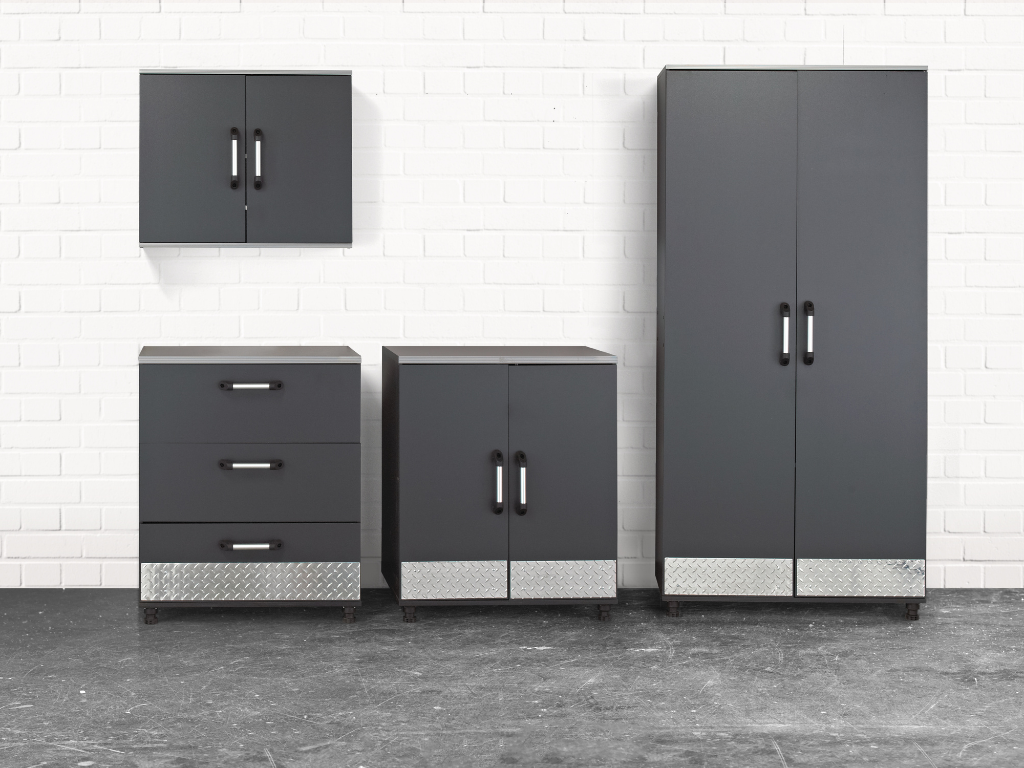
    Size & Dimensions Tall, extending from floor to ceiling. Varied; optimized for vertical wall space. Compact; equipped with casters for movement.
    Primary Use Housing large tools, bulk items, and vast inventories. Conserving floor space; storing smaller tools and materials. Facilitating quick access and transport of tools/materials.
    Load Capacity High; built for heavy-duty storage. Moderate; reliant on wall support and installation quality. Diverse; primarily used for medium-duty storage.
    Safety Features Reinforced shelves, robust lock mechanisms. Secure wall attachments; optional locking systems. Caster brakes; lockable compartments for select models.
    Cost Generally on the higher end due to material and size. Moderate; price influenced by size and added features. Costs fluctuate based on size, features, and mobility mechanisms.
    Ease of Installation Requires ample floor space and stable placement. Necessitates sturdy wall supports for secure installation. Minimal setup; designed for ease of movement.

    Deep Dive into Each Type

    1. Full-Height Cabinets

      • A mainstay in many industries, full-height cabinets offer unmatched storage capacity. Their towering structure is designed for places like warehouses, large workshops, and manufacturing units. With an ability to house everything from bulky machinery parts to rows of files, they’re the go-to for extensive storage needs.
    2. Wall-Mounted Cabinets

      • When floor space is a luxury, wall-mounted cabinets come to the rescue. Tailored for vertical space optimization, these cabinets are a common sight in labs, offices within industrial facilities, and service areas. Their design ensures that essential items are within arm’s reach without cluttering the workspace.
    3. Mobile Cabinets
      • Dynamic industrial environments require solutions that can keep up. Mobile cabinets, with their easy maneuverability, are ideal for such settings. Whether it’s an automotive workshop where tools need to move with the mechanic or a research lab with shifting apparatus, these cabinets ensure that essentials are always on the move, just like the workforce.

    Conclusion

    The industrial workspace is a complex tapestry of tasks, tools, and timelines. At the heart of this intricate setup is the need for organized storage. By understanding the distinct advantages of full-height, wall-mounted, and mobile metal cabinets, industries can ensure that their choice aligns perfectly with their specific requirements and spatial constraints. After all, the right storage solution doesn’t just house tools—it enhances efficiency.