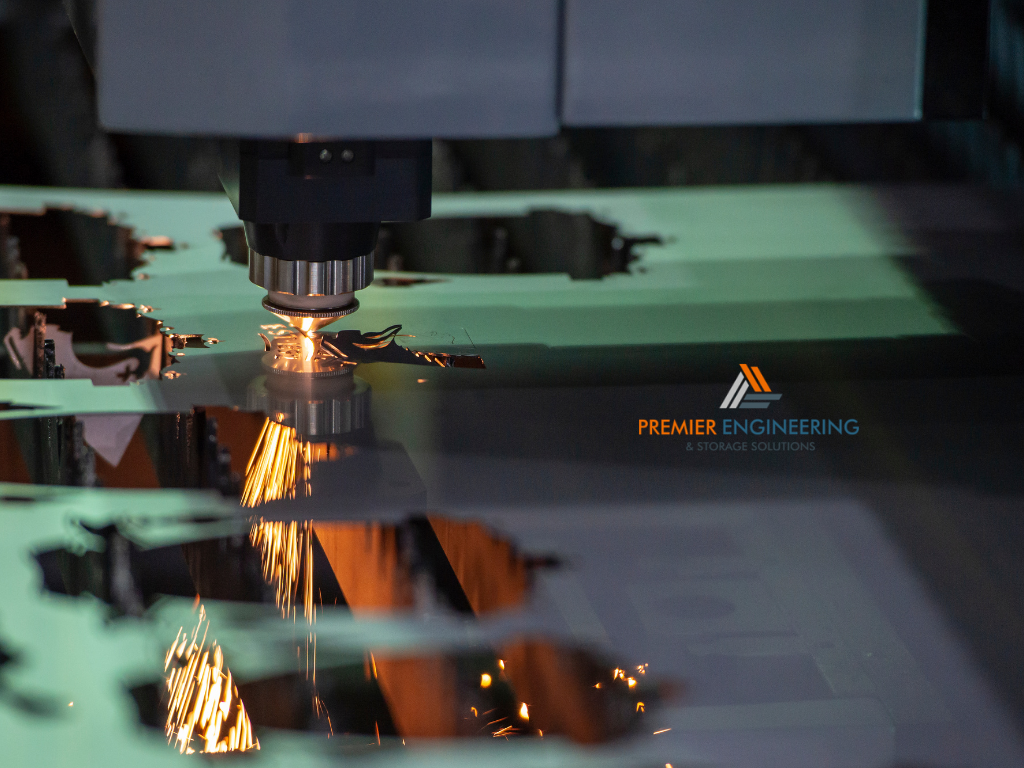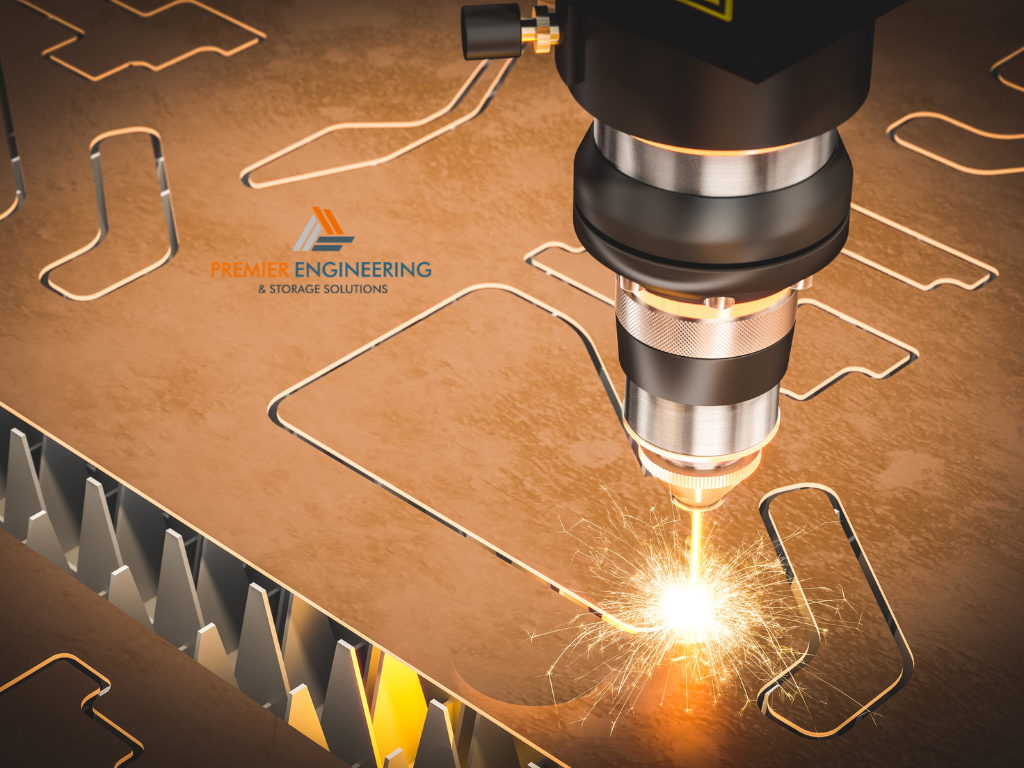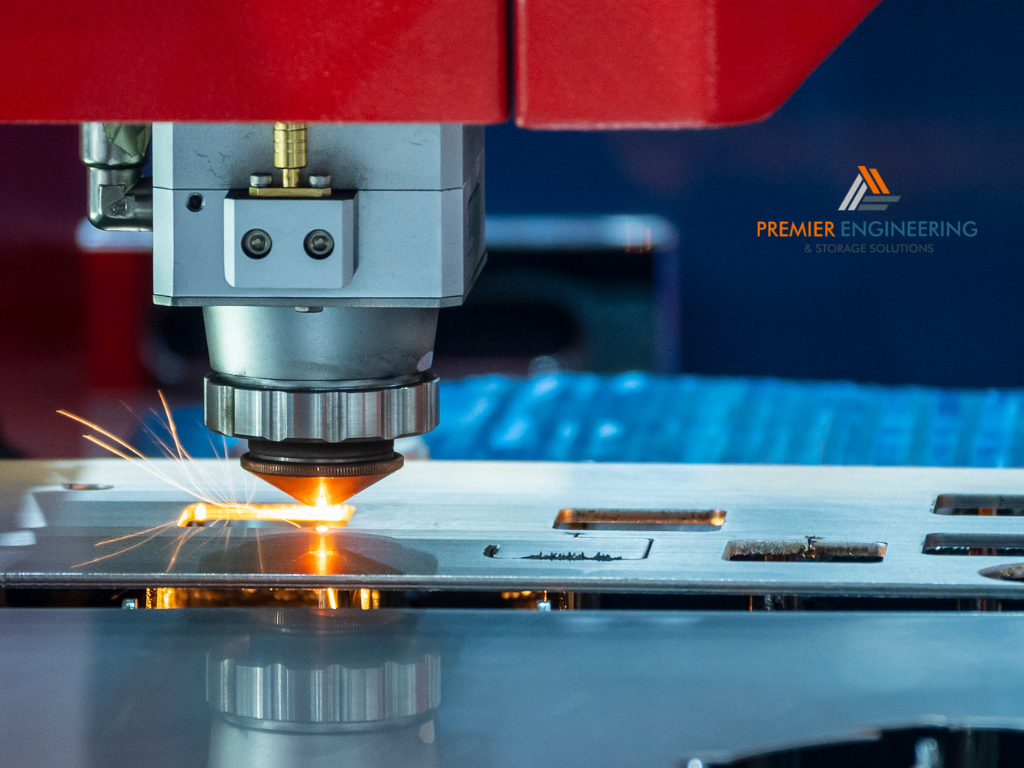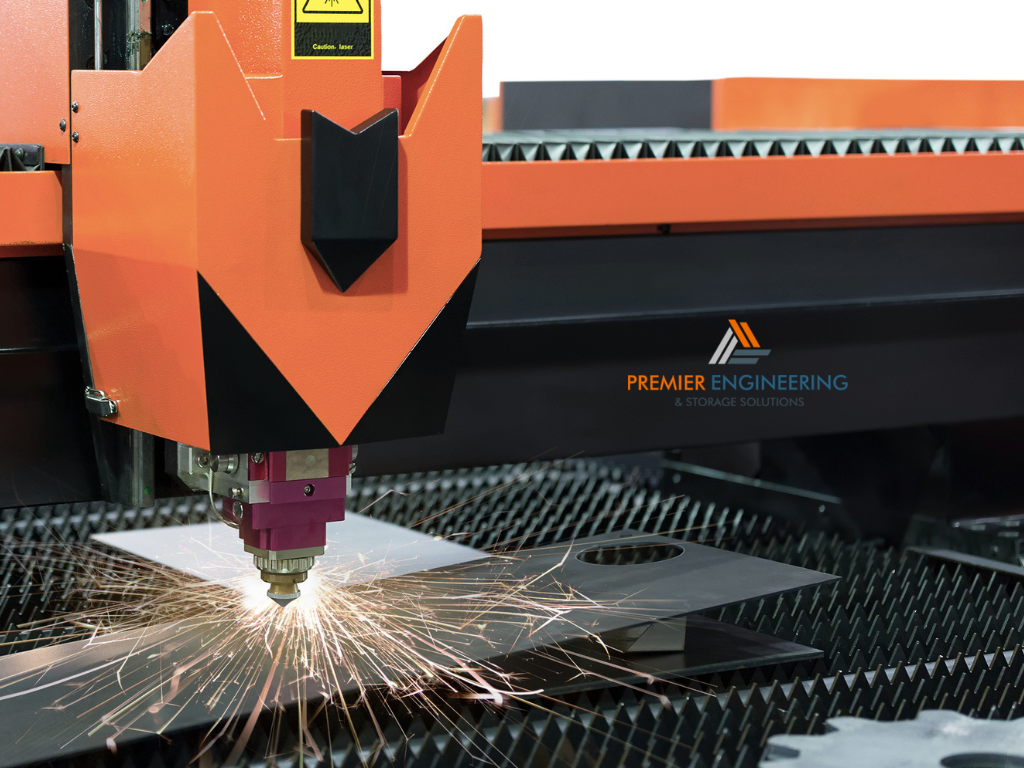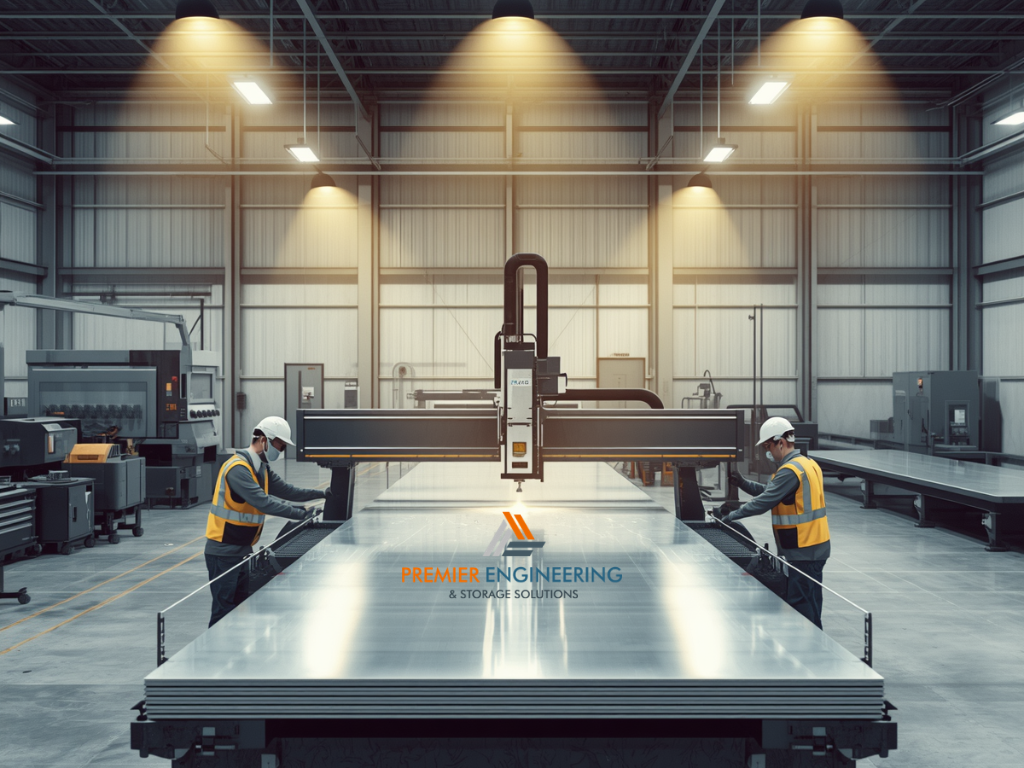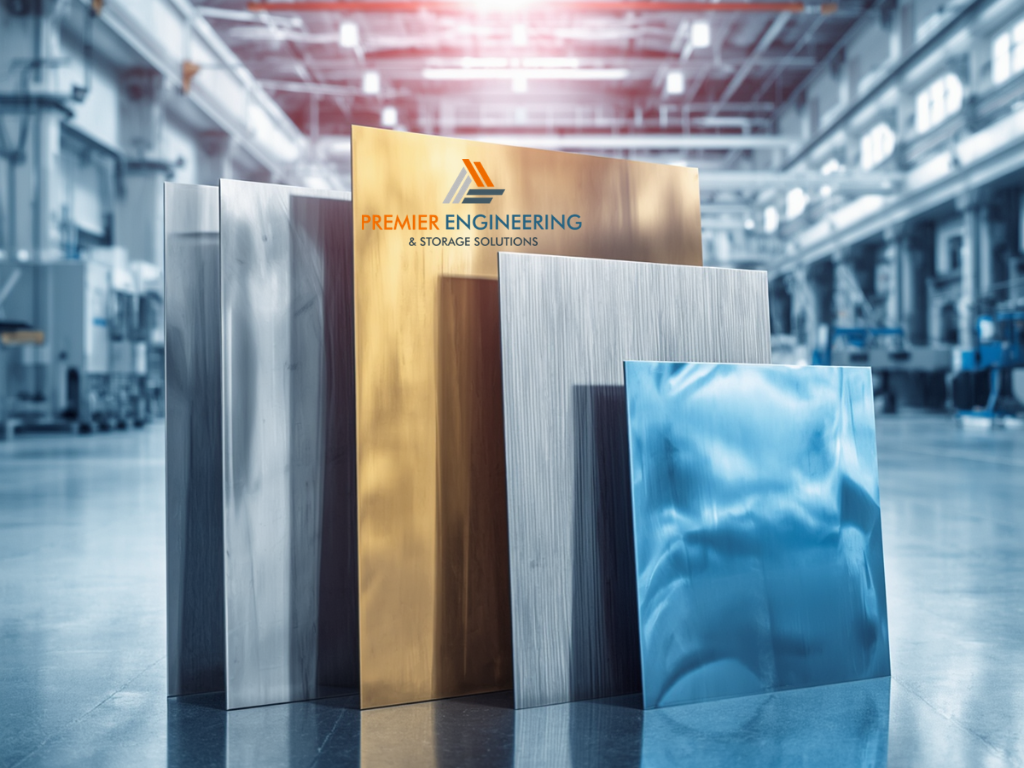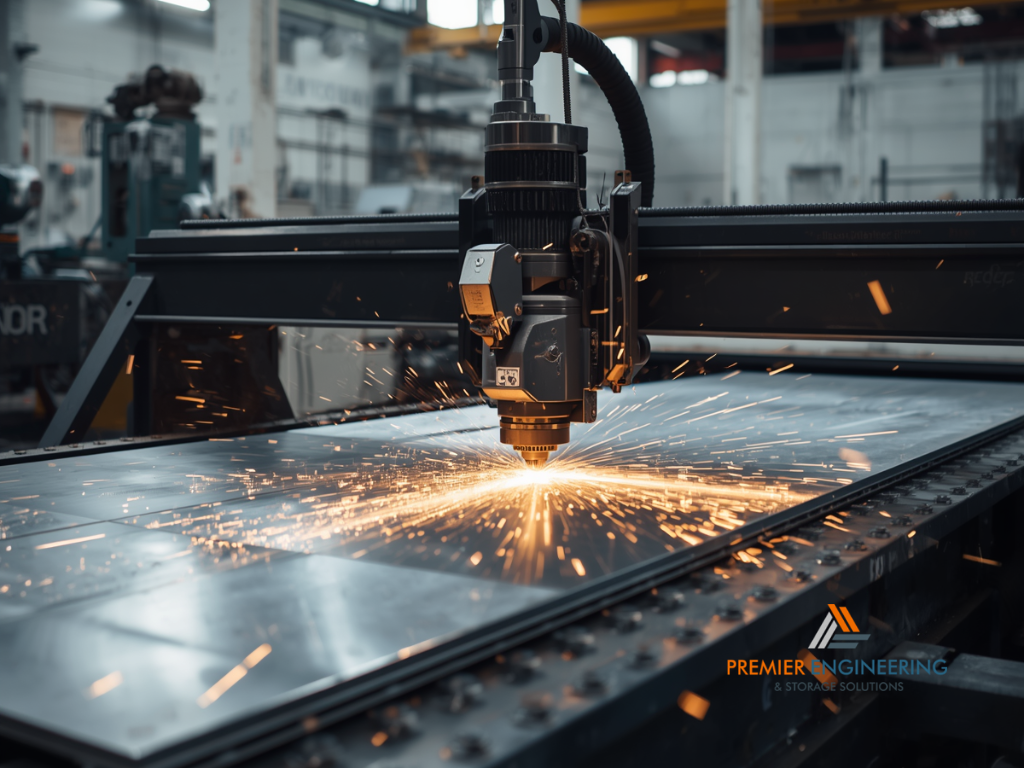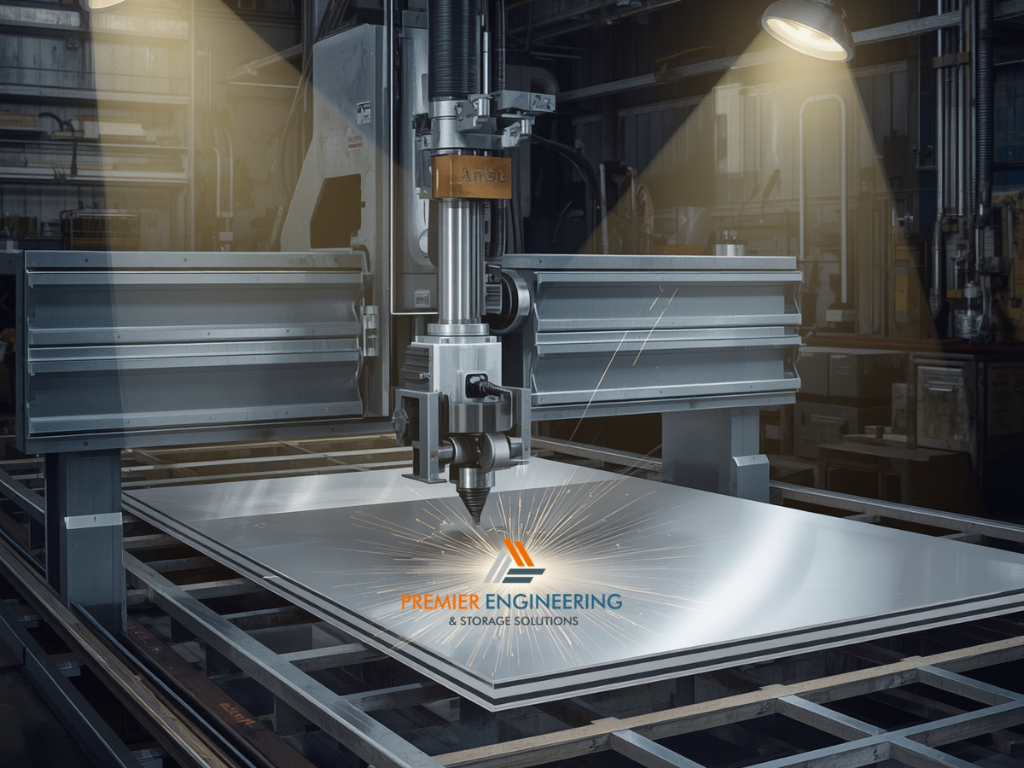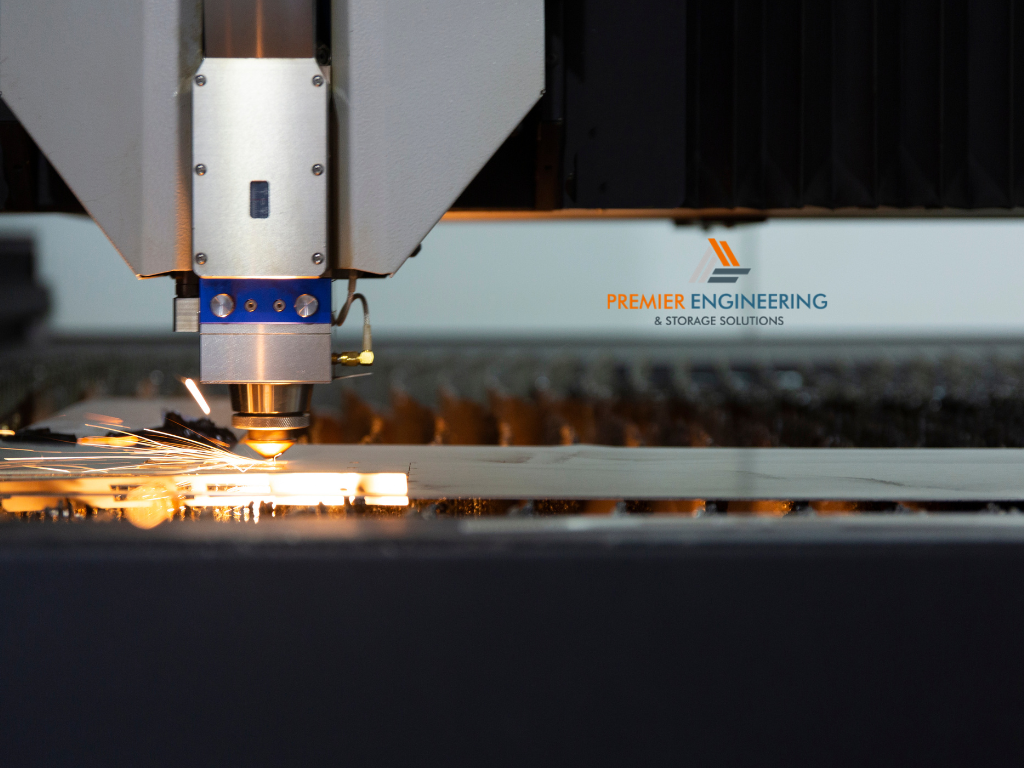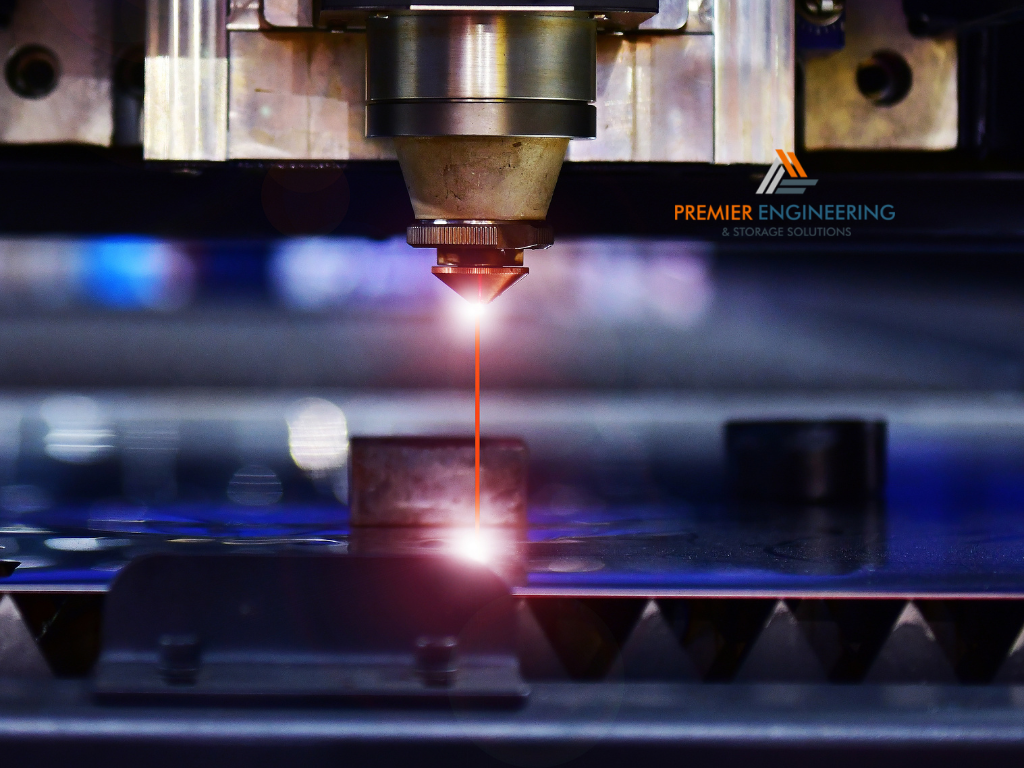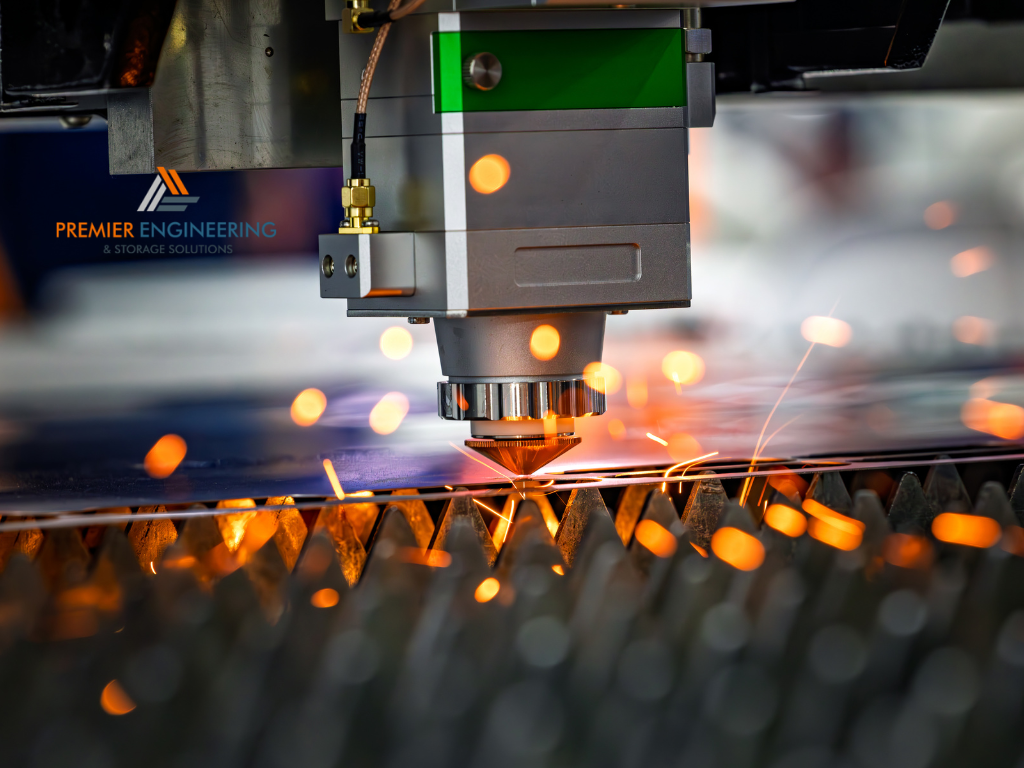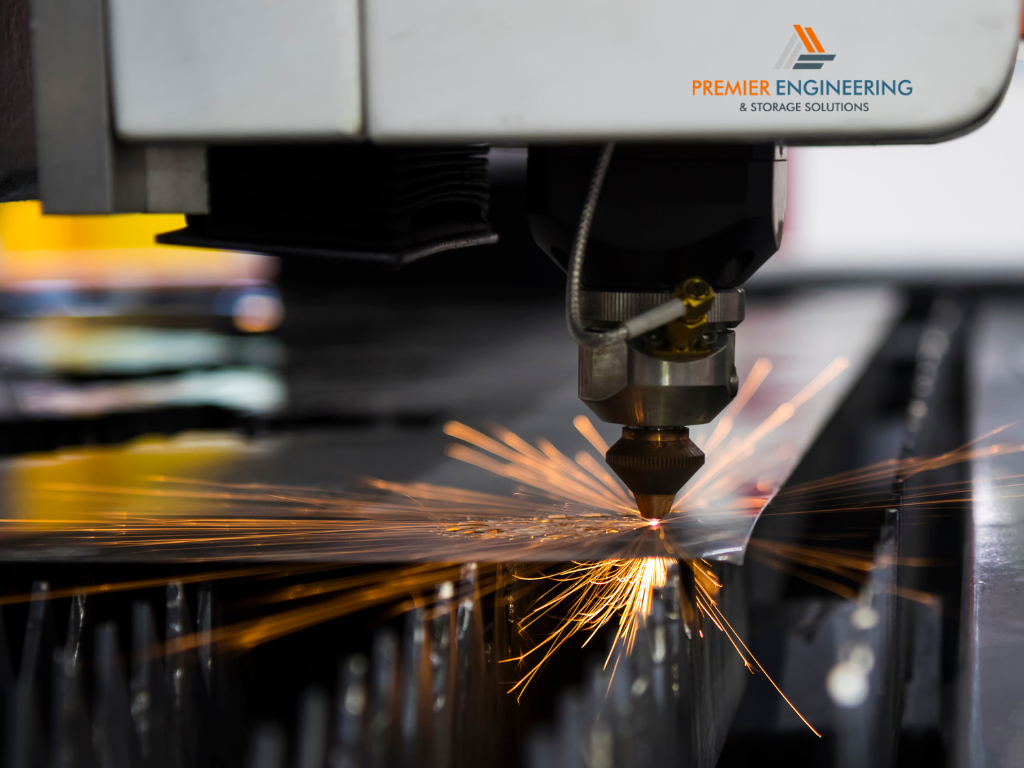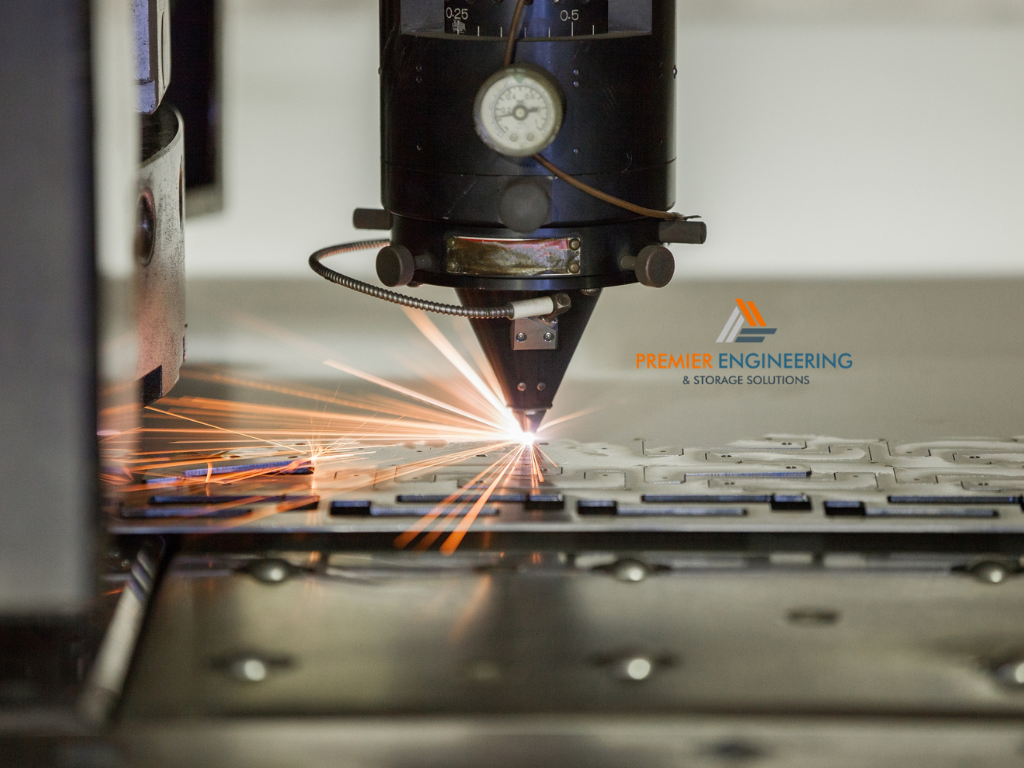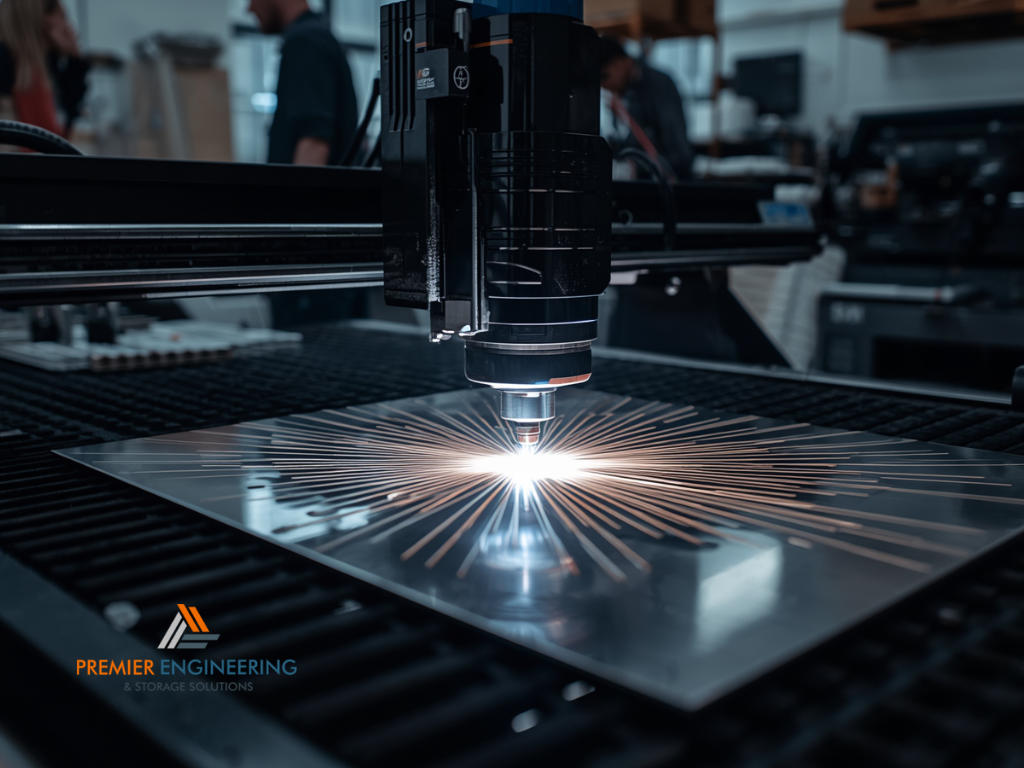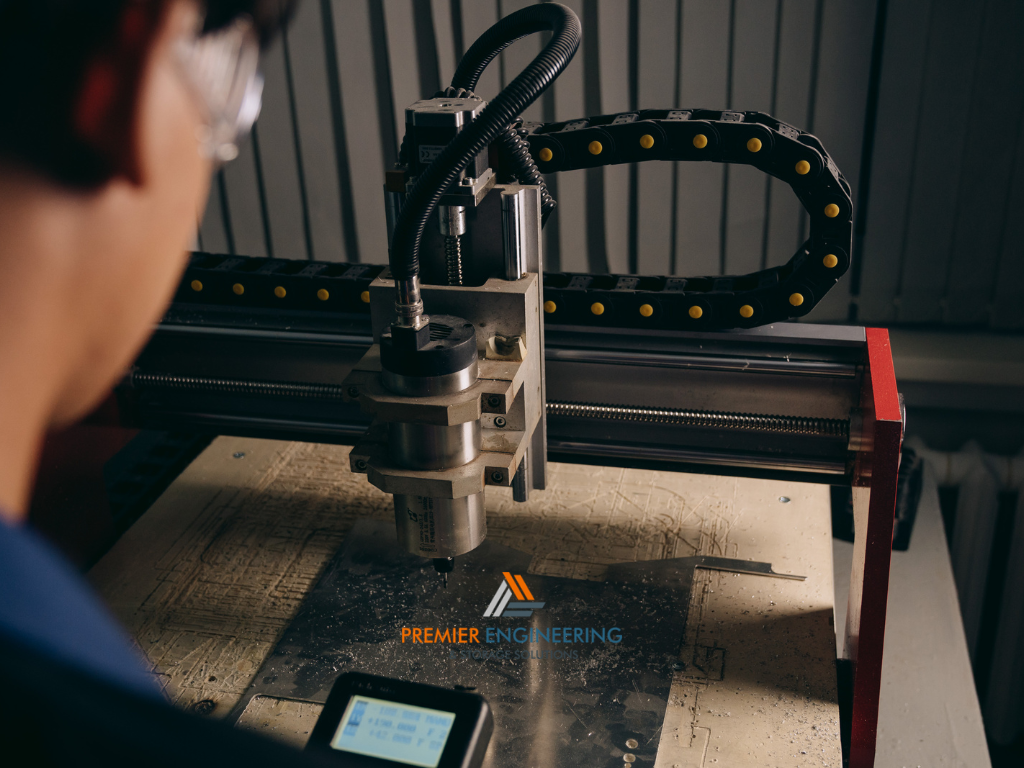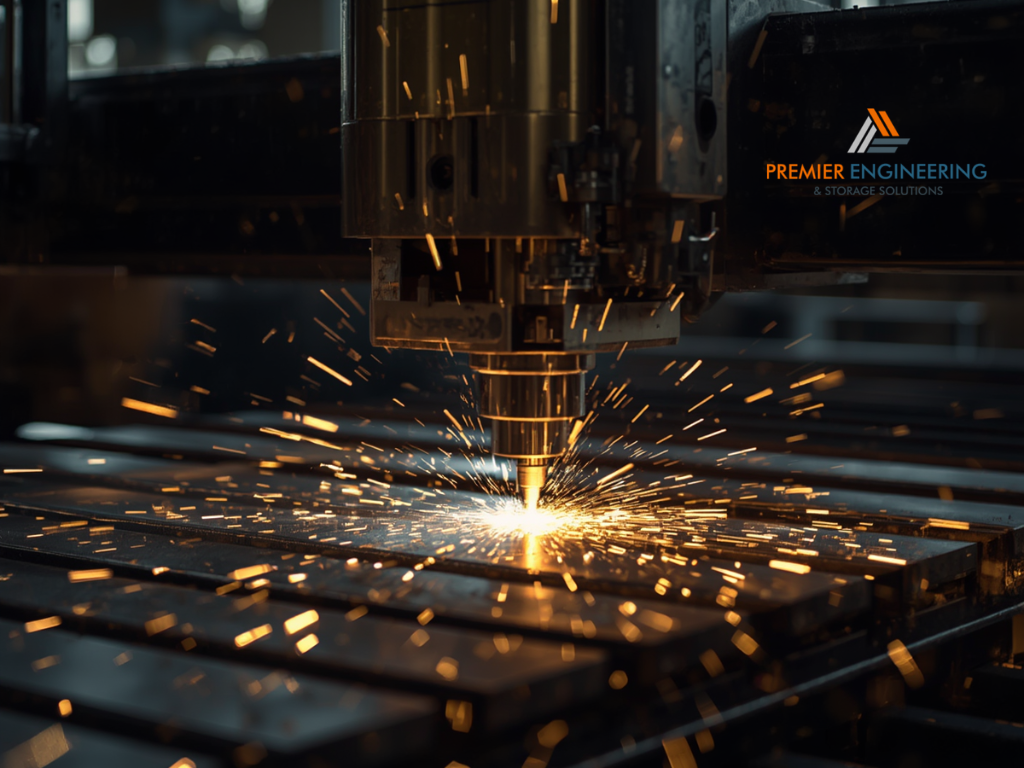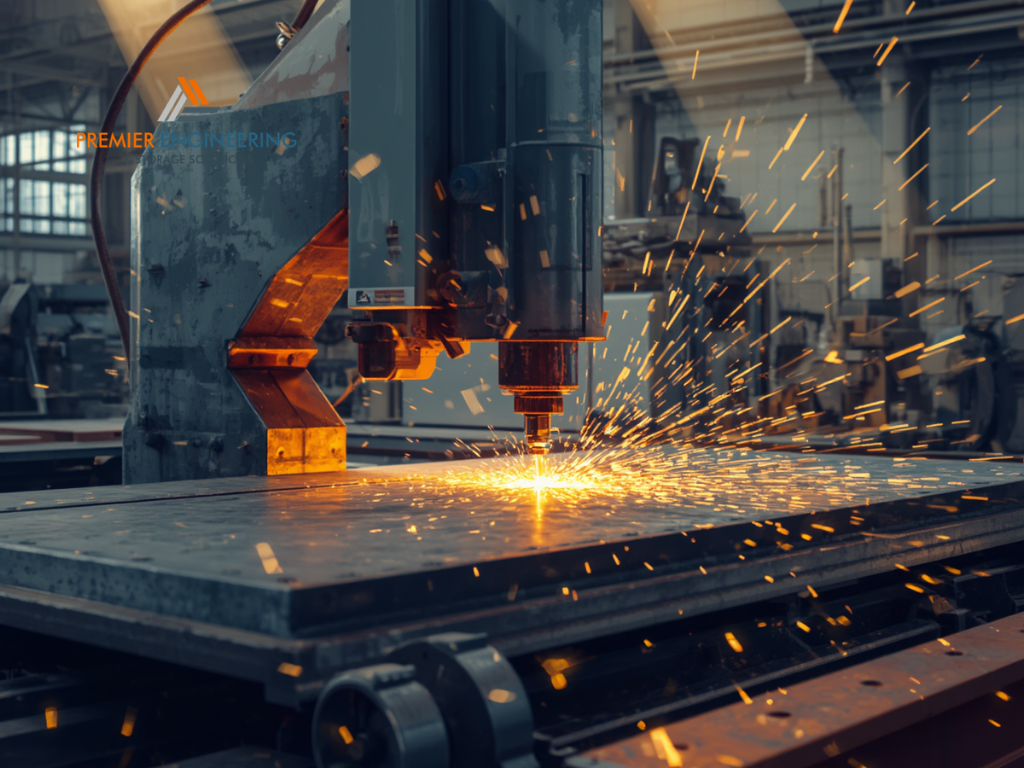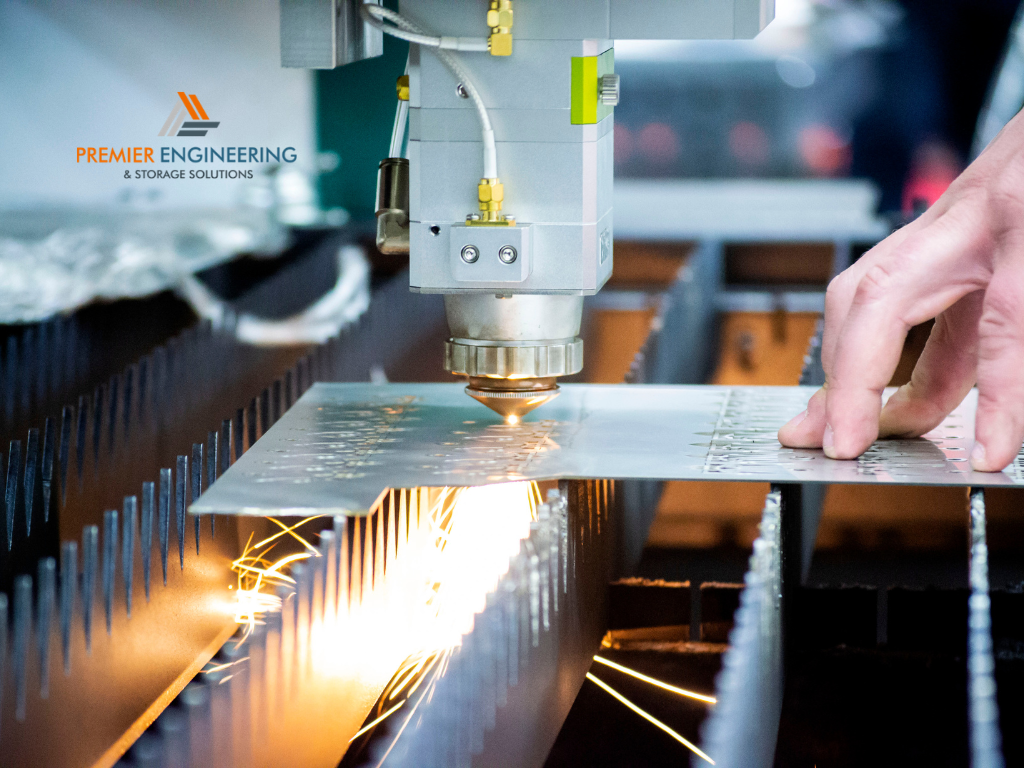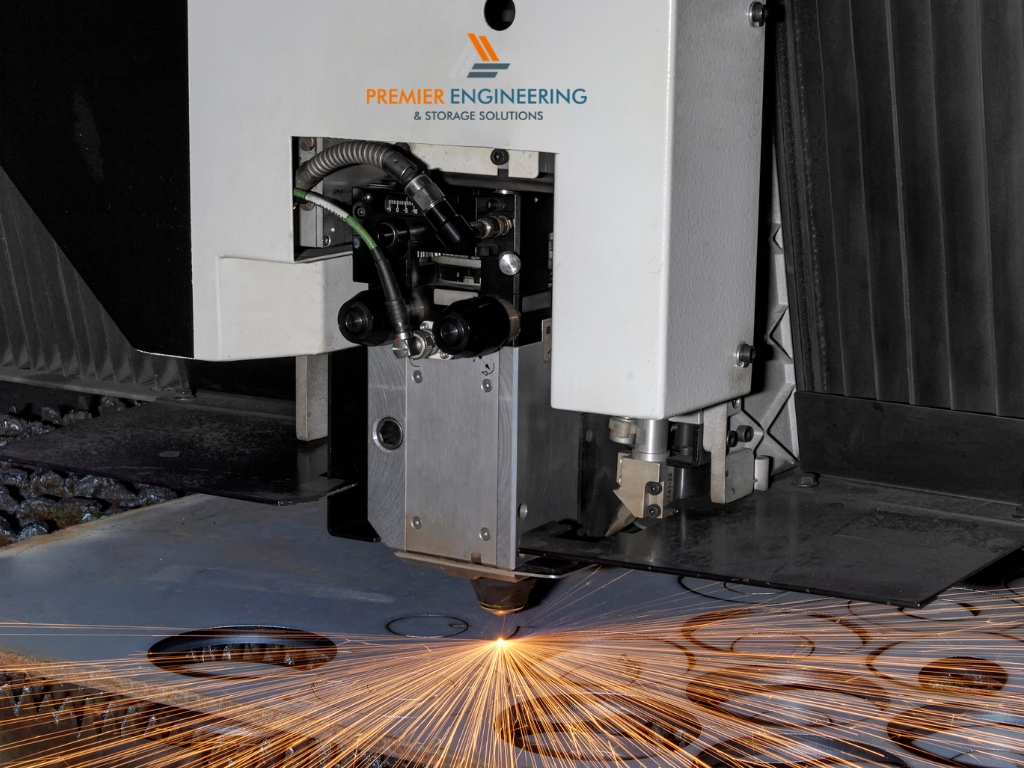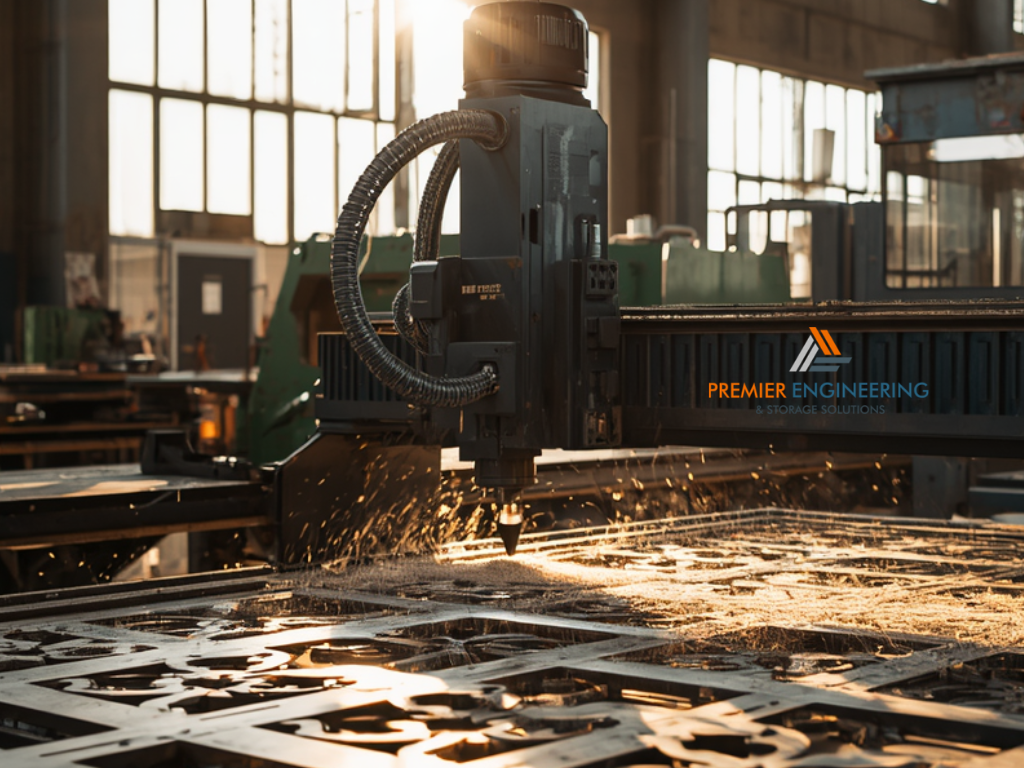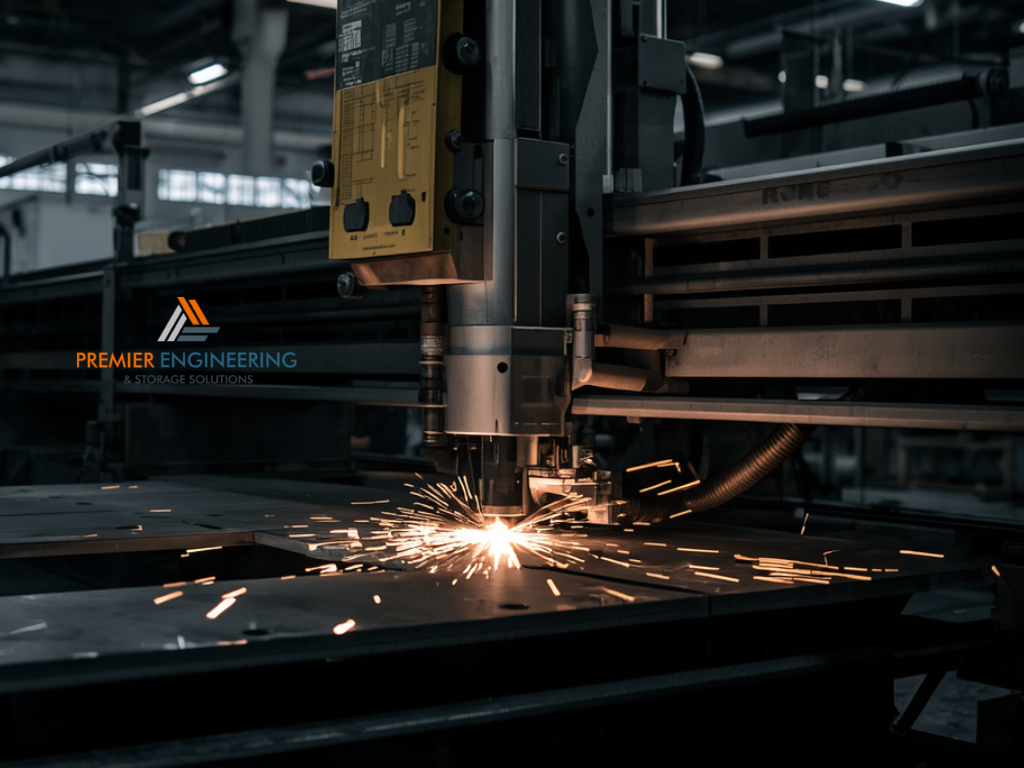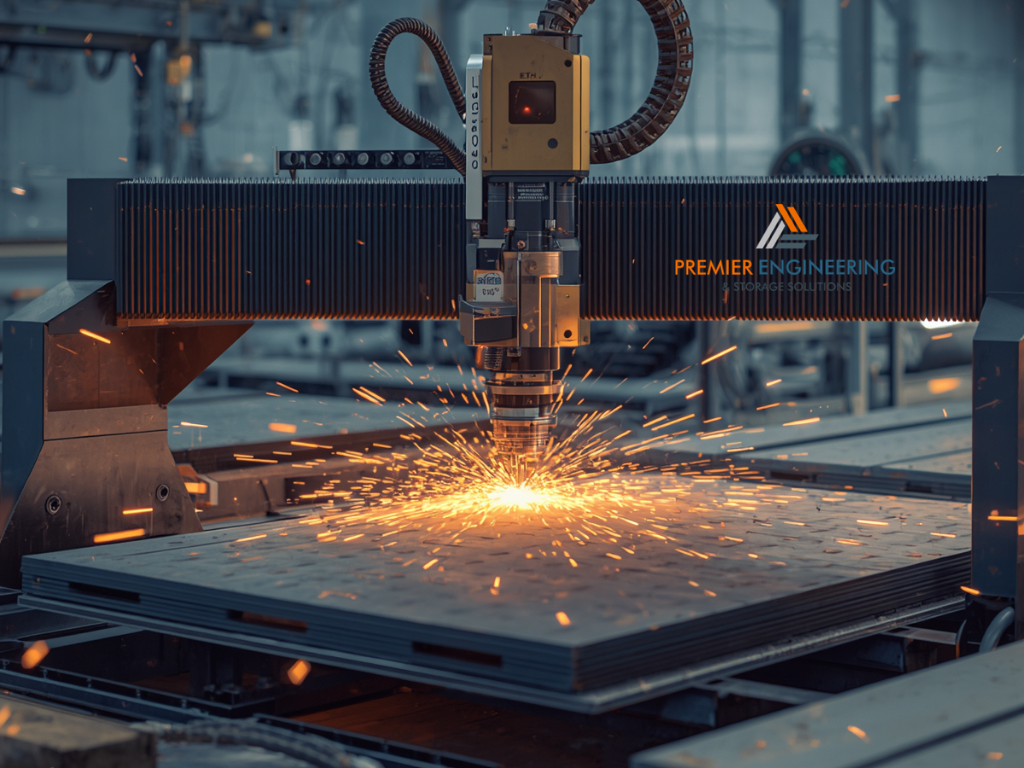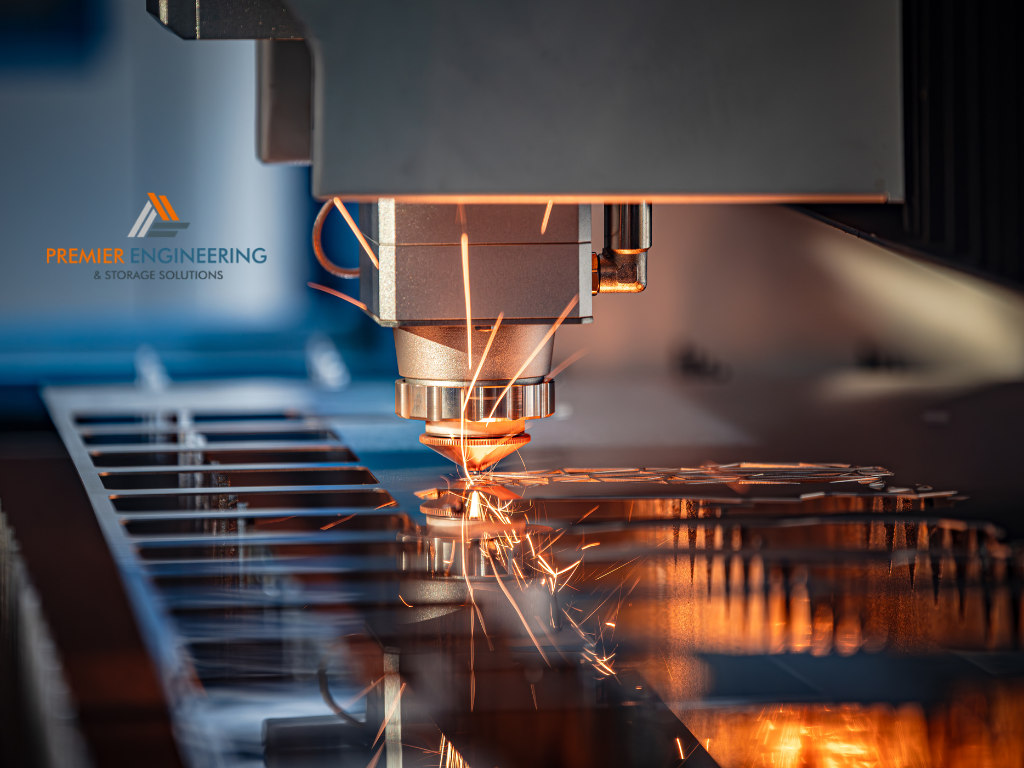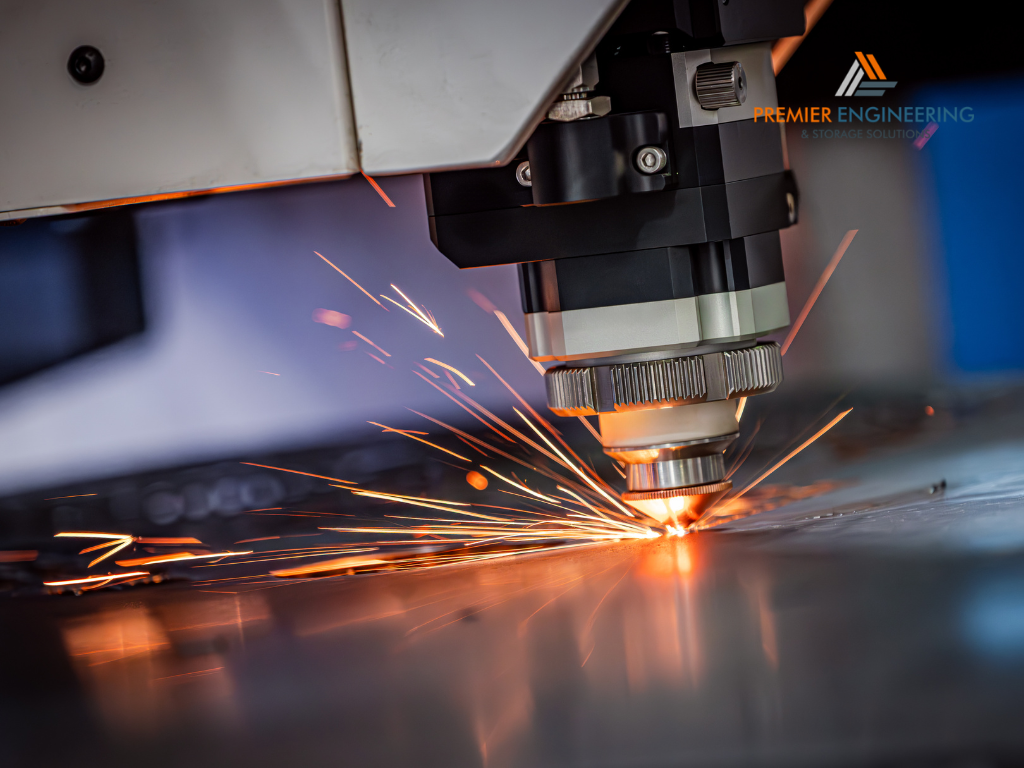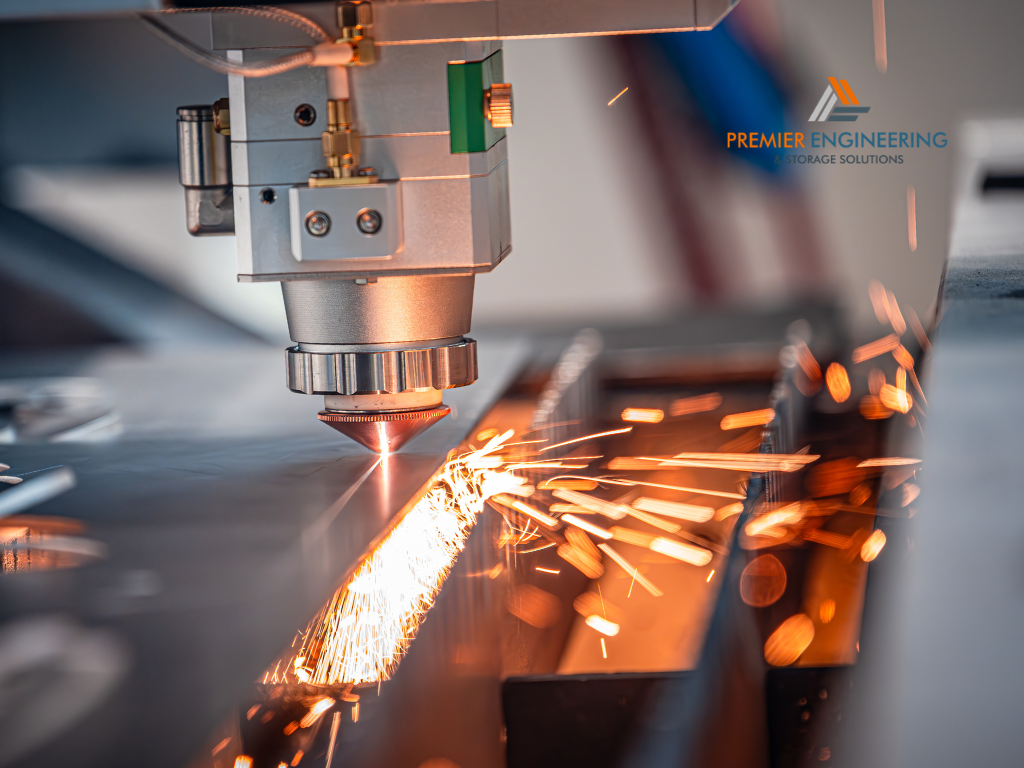
Laser cutting can handle everything from thin sheet to much heavier plate, but there is no single thickness limit that applies to every job. The answer depends on the material, laser power, machine configuration, required edge quality, part geometry and the standard expected from the finished component.
That matters when comparing laser cutting Sydney services. A machine may technically be capable of cutting a certain thickness, but that does not automatically mean it is the best choice for every design at that thickness.
Understanding these differences before requesting a quote can save time and help you choose a process that suits both the material and the finished part.
There Is No Universal Maximum Thickness
One of the most common mistakes when researching laser cutting is looking for one maximum thickness that applies everywhere. In practice, machine specifications can vary significantly.
Laser power is important, but it is not the only factor. The laser source, beam characteristics, material grade, assist gas, machine setup and required cut quality can all influence the practical cutting range.
Current specifications from major laser equipment manufacturers also demonstrate why machine-specific advice matters. Different industrial systems can have very different maximum capacities for stainless steel and aluminium, even when they use the same general cutting technology.
For a Sydney customer, the better question is therefore not simply, “How thick can laser cutting go?” It is, “Can this supplier’s equipment cut my exact material and thickness to the quality my part requires?”
Thickness Affects More Than Whether the Cut Is Possible
As material becomes thicker, the cutting process may require different settings, additional energy and more time. Part geometry also becomes increasingly important.
A simple external profile, for example, may be easier to produce in thick plate than a design containing very small holes, narrow slots or tightly packed details.
Edge expectations should also be discussed. A part that will be welded into a frame may have different requirements from a visible architectural component or a precision part that must fit closely with another component.
This is why thickness should always be considered alongside tolerance, edge condition, hole sizes and the next fabrication step rather than treated as an isolated measurement.
How Thick Can Mild Steel and Carbon Steel Be Laser Cut?
Mild steel is widely used in sheet-metal and fabrication work because it suits many structural, industrial and general manufacturing applications.
An industrial steel cutting machine may be able to process both thin sheet and substantially thicker plate, but its practical capacity is determined by the particular machine and laser configuration.
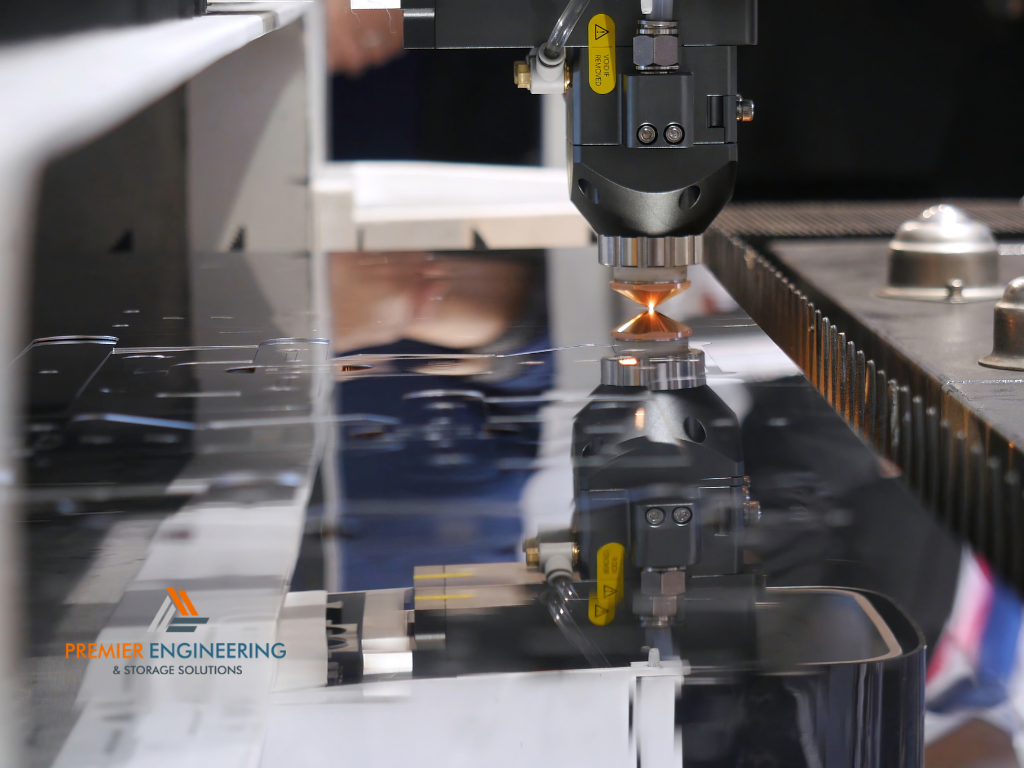
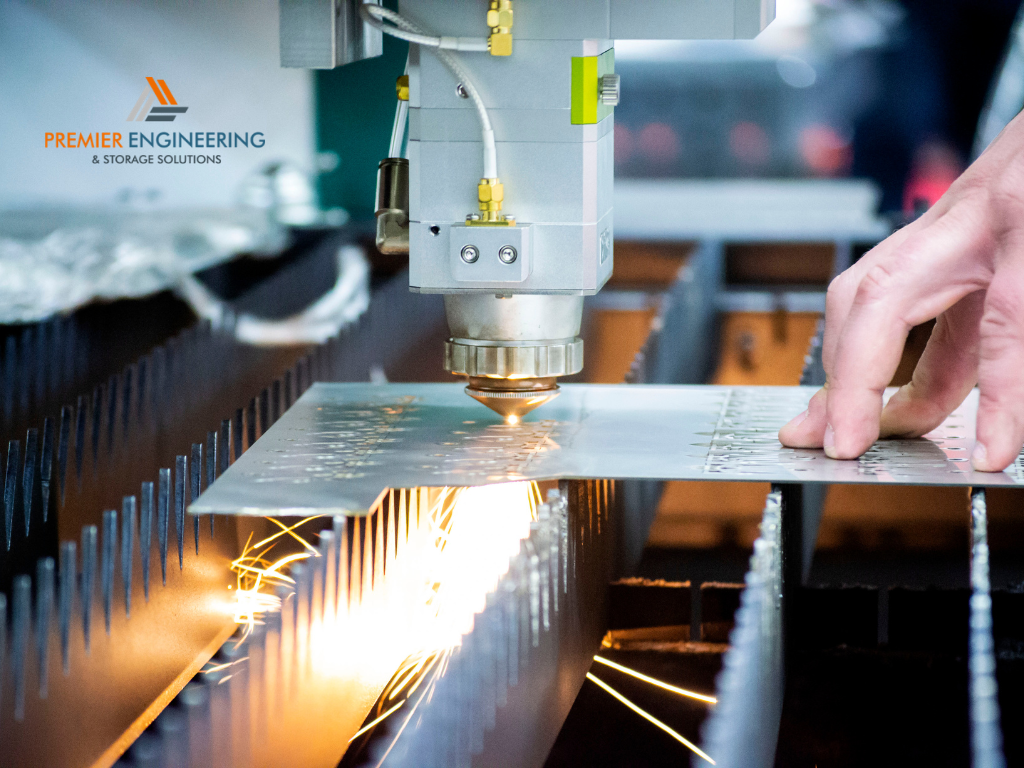
For example, Premier Engineering publishes that its AMADA ENSIS-AJ 3 kW laser can cut mild steel up to 25 mm. That figure is useful because it relates to a specific installed machine rather than a general claim about laser cutting as a whole.
That does not mean every 3 kW system has the same capacity, or that every 25 mm steel component should automatically be laser cut. The exact grade, dimensions, detail and finish still need to be reviewed.
Thick Steel Can Change Design Decisions
When steel becomes thicker, designers should pay closer attention to small internal features and narrow gaps.
A drawing developed for thin sheet may not transfer directly to much thicker material. Small holes, narrow slots and fine details can become more difficult to produce to the required standard as the relationship between feature size and material thickness changes.
If the component will later be bent, welded, machined, coated or assembled, those operations should also be considered before cutting starts.
Providing the fabricator with the complete intended use of the part can therefore be more useful than simply sending a drawing and asking whether the steel can be cut.
Stainless Steel and Aluminium Need Different Considerations
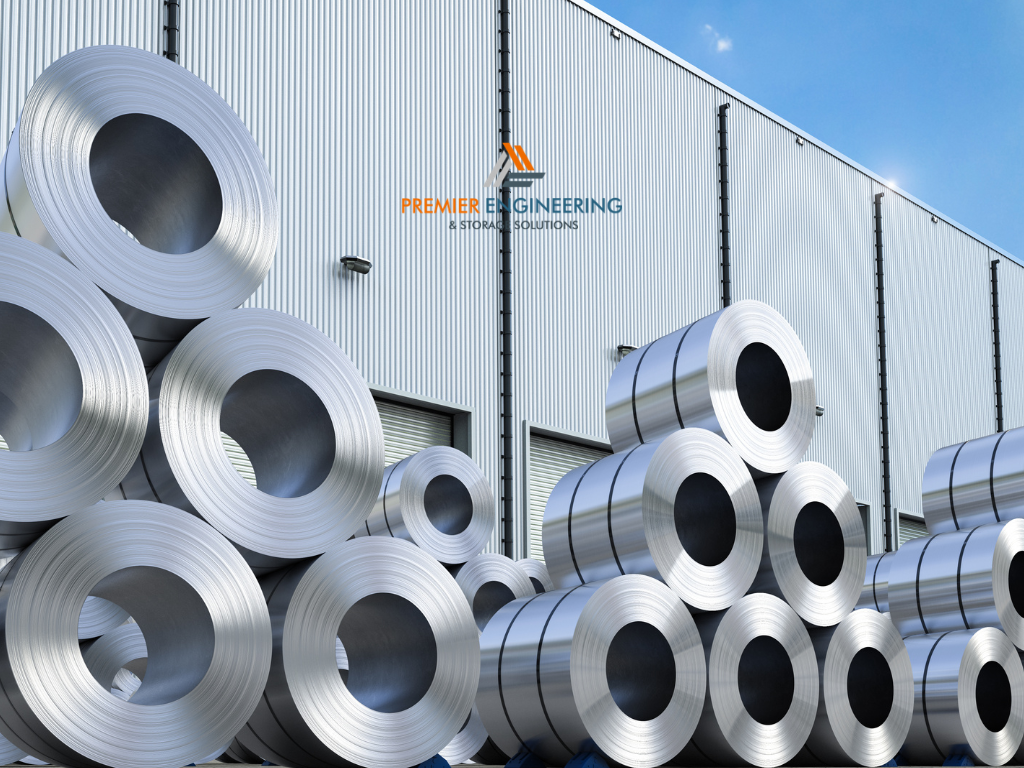
Stainless Steel Is Not the Same as Mild Steel
Although stainless steel and mild steel are both metals, they should not be treated as if the same cutting limits and settings automatically apply.
Different material properties, grades and cutting requirements affect how the laser process is configured. The desired edge appearance can also matter, particularly for parts that will remain visible after fabrication.
Machine manufacturers publish different thickness capacities for stainless steel across different laser models and configurations. This is another reason a universal thickness table can be misleading for customers.
When requesting a quote, identify the stainless steel grade if you know it. Also provide the thickness, quantity and whether the finished surface or edge has particular appearance requirements.
Aluminium Requires the Supplier to Check the Full Specification
Aluminium brings its own processing considerations. Modern fibre laser systems are designed to process aluminium along with steel and other metals, but the achievable range still varies with equipment and material specification. AMADA, for example, lists aluminium among the materials processed by its fibre laser systems.
For buyers, this means simply stating “aluminium” is often not enough.
The supplier should ideally know the alloy or grade, thickness, part dimensions, quantity and intended use. If the drawing contains fine holes, tabs, slots or tight tolerances, include those details as well.
This gives the cutting provider enough information to assess whether laser cutting is appropriate or whether another fabrication approach should be considered.
What About Acrylic and Other Non-Metal Materials?
Acrylic can also be laser cut, but it uses different equipment and processing principles from industrial sheet-metal cutting.
For example, specialist CO2 laser systems are commonly used for acrylic. Equipment manufacturer Trotec states that some of its acrylic laser machines can process sheet material up to 30 mm thick, while also explaining that required laser power increases with material thickness. These figures relate to its particular equipment and should not be treated as a universal acrylic limit.
If you are comparing acrylic laser cutting sydney providers, first confirm that the business actually processes acrylic. A workshop specialising in industrial metal fabrication should not automatically be assumed to offer plastic cutting simply because it operates laser equipment.
Edge Quality Can Be Just as Important as Thickness
With acrylic, customers often care about appearance as much as cutting capacity.
The acrylic type, thickness, machine settings and cutting method can affect the finished edge. Trotec notes, for example, that cast and extruded acrylic can behave differently during laser processing.
For display pieces, signage, decorative panels or visible components, explain the desired finish when requesting a quote rather than asking only whether a certain thickness can be cut.
You should also identify the exact material instead of using a broad description such as “clear plastic”. Different plastics behave differently under laser processing, and the supplier needs the correct material information before confirming suitability.
Should You Choose Laser Cutting or cnc cutting services?
Start With the Finished Part, Not the Machine
Laser cutting is highly useful for many sheet and plate components, but it is not automatically the best process for every material, thickness or design.
The right choice starts with the finished part. Consider its material, thickness, overall dimensions, hole and slot sizes, tolerances, quantity, edge requirements and any fabrication that needs to happen after cutting.
It is also worth remembering that CNC describes computer numerical control rather than one single cutting method. A cnc cutting machine may use a different process depending on the equipment and application.
That is why customers comparing cnc cutting services should ask what machinery will actually be used and why that process suits the component.
Compare the Complete Manufacturing Requirement
Customers searching for laser cutting western sydney or cnc cutting services western sydney are often sourcing more than a basic cut shape.
A part may also need bending, punching, welding, machining, fastener insertion, finishing or assembly. In these situations, choosing a supplier based only on maximum cutting thickness can create unnecessary extra handling later.
Instead, ask whether the provider can support the stages your project genuinely requires.
Premier Engineering, for example, currently lists laser cutting, CNC brakepress, CNC punching, CAD, prototyping, welding, machining and several finishing-related capabilities as part of its sheet-metal manufacturing services. For a metal component requiring several of those processes, discussing the complete fabrication sequence at the beginning may help determine the most suitable production approach.
What Should You Send When Requesting a Laser Cutting Quote?
A useful quote request starts with accurate material information.
State what material you need, its grade if known, the required thickness, part dimensions and quantity. If you are supplying your own material, make that clear as well.
Do not assume the drawing alone tells the supplier everything. Two parts with an identical shape can require different cutting conditions if one is mild steel and the other is stainless steel or aluminium.
For repeat production, also tell the supplier whether the quantity is for one order or likely to recur. That information can help them assess the most practical manufacturing approach.
Send the Drawing and Explain Critical Requirements
A production-ready drawing is particularly helpful when the design contains holes, slots, tabs, close-fitting components or unusual geometry.
CAD or DXF files can give the supplier the actual profile required for cutting. Premier Engineering’s quote form currently allows customers to provide quantity, material, size and uploaded project files, which reflects the type of information normally needed to assess a fabrication job properly.
Along with the drawing, identify critical tolerances and explain what will happen to the part after cutting.
For example, a flat component that will later be folded requires consideration of the bending process. A welded assembly may need different preparation from a finished panel. A part that will be powder coated, plated or otherwise finished may also require decisions before production begins.
Giving this context early helps the supplier assess the complete job instead of looking at the cutting operation in isolation.
When Should You Contact a laser cutting Sydney Provider?
Contact the Supplier Before Finalising an Uncertain Design
If you already know the material, thickness and dimensions, requesting a quote may be straightforward.
However, it is worth contacting the supplier earlier when you are unsure about material choice, thickness, achievable features, tolerances or the manufacturing sequence.
This is especially useful for prototypes, thick plate components, unusual designs or parts that require several fabrication processes.
A supplier with design and fabrication support may be able to review whether the drawing suits the available machinery before material is ordered or the design is locked in. Premier Engineering lists CAD and prototyping alongside its sheet-metal manufacturing capabilities, making those services relevant where a metal design still needs production input.
Confirm Capacity Before You Place the Order
The most useful final question is not simply, “What is your maximum laser cutting thickness?”
Ask whether the supplier can process your specific material, grade and thickness while meeting the features and finish shown on your drawing.
For a metal project in Sydney or Western Sydney, send the material specification, thickness, dimensions, quantity, drawing and any bending, welding, machining or finishing requirements when you make contact.
Premier Engineering is based in Ingleburn in south-western Sydney and publishes a mild-steel laser cutting capability of up to 25 mm on its AMADA ENSIS-AJ 3 kW machine. If your project falls outside a published specification, or involves stainless steel, aluminium or specialised requirements, confirm the exact capability directly before ordering.
That simple step gives you a more useful answer than relying on a generic thickness chart and helps ensure the cutting process is selected around the component you actually need.