Choosing a laser cutting supplier is not only about finding a company with a cutting machine. The right service must match your material, drawing, tolerance, quantity, finishing needs and wider fabrication requirements.
People searching for laser cutting Sydney services may be planning anything from a one-off prototype to a repeat production run. The project could involve brackets, cabinets, panels, covers, signs, guards, machine components or high-precision sheet metal parts.
Because every job is different, it helps to understand the main questions to ask before submitting a drawing or accepting a quotation. The following guide explains how to compare services, prepare your project information and decide when professional manufacturing advice is needed.
A supplier can only recommend a suitable production method when the project requirements are clear. Before discussing price, begin by defining what needs to be made and how the finished component will be used.
A decorative panel may place more importance on visual finish, while a fitted machine component may need closer attention to dimensions, hole placement and assembly. A prototype may also require a different production approach from a regular order involving hundreds of identical parts.
Clear project information helps the supplier identify possible manufacturing problems before material is cut. It can also make the quotation easier to understand because the scope is based on known requirements rather than assumptions.
Define the part, application and required quantity
Start by explaining the purpose of the part. The supplier should know whether it will be used indoors or outdoors, installed in machinery, included in a cabinet, welded into a frame or fitted alongside other components.
Quantity matters as well. A single test part may be used to check fit and function before a larger order is approved. A repeat production job may require controlled drawings, consistent material grades and a clear revision process.
You should also explain whether the quantity is final or likely to increase. This can help the supplier consider whether laser cutting is the most practical option or whether another method may become suitable for larger production volumes.
Prepare dimensions, drawings and technical details
A clear digital drawing is usually more useful than a photo or handwritten sketch. The drawing should show the part shape, overall dimensions, holes, slots, cut-outs and any features that affect assembly.
Include the material type, grade and thickness when these details are already known. Where tolerances are important, identify the specific dimensions that must be controlled rather than applying an unnecessarily tight tolerance to every feature.
It is also helpful to identify the required file format before sending the job. CNC cutting services commonly work from digital files, but accepted formats can vary between suppliers. Ask whether the company prefers a two-dimensional cutting file, a three-dimensional model, a dimensioned drawing or a combination of these documents.
Before submitting the file, check that the scale is correct and that the drawing does not contain duplicated lines, open profiles or hidden geometry. These issues can interrupt programming or produce an inaccurate quote.
Match the Cutting Service to the Material
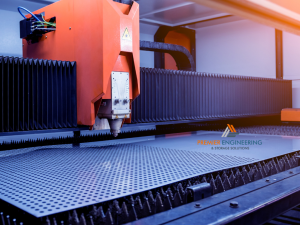
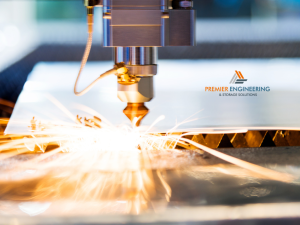
The term laser cutting covers several types of work, but not every machine is designed for every material. A supplier that regularly processes sheet metal may use different equipment from a business providing acrylic laser cutting Sydney services.
For this reason, material suitability should be confirmed early. Do not assume that a company can cut a particular sheet simply because it advertises general laser cutting.
Compare metal and acrylic cutting requirements
Mild steel, stainless steel and aluminium have different cutting characteristics. Material grade, surface condition, sheet thickness and the required edge finish can influence how the job should be produced.
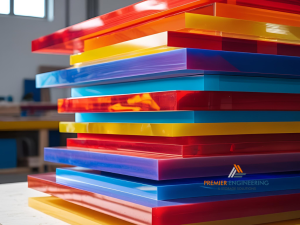
Acrylic projects involve a different set of questions. The supplier may need to confirm the acrylic type, sheet thickness, colour, masking, engraving requirements and whether the finished edge will be visible.
When comparing acrylic laser cutting Sydney providers, ask whether the service is intended for signage and display materials or whether the supplier mainly works with metal. The cutting technology and production experience required for these jobs may not be the same.
Where a project contains both acrylic and metal components, it may be necessary to use separate specialist processes. The supplier should explain which elements it can complete internally and which services, if any, are handled elsewhere.
Confirm thickness, finish and material supply
Material thickness affects cutting time, machine suitability and the appearance of the cut edge. It can also influence whether small holes, narrow sections or detailed shapes are practical.
Provide the exact thickness rather than using a general description such as thin sheet or heavy plate. Where the part must match an existing component, also confirm whether the stated thickness is nominal or has been physically measured.
Ask whether the supplier provides the material or accepts customer-supplied sheets. Supplier-provided material can simplify purchasing, while customer-supplied material may be necessary when a particular grade, colour or certified product has already been selected.
When supplying your own material, confirm its condition and suitability before delivery. Coatings, protective films, rust, surface damage or an unknown material grade may affect production. Any statement about the suitability of a particular material should be confirmed with the cutting company before the job proceeds.
Understand Accuracy, Tolerances and Edge Quality
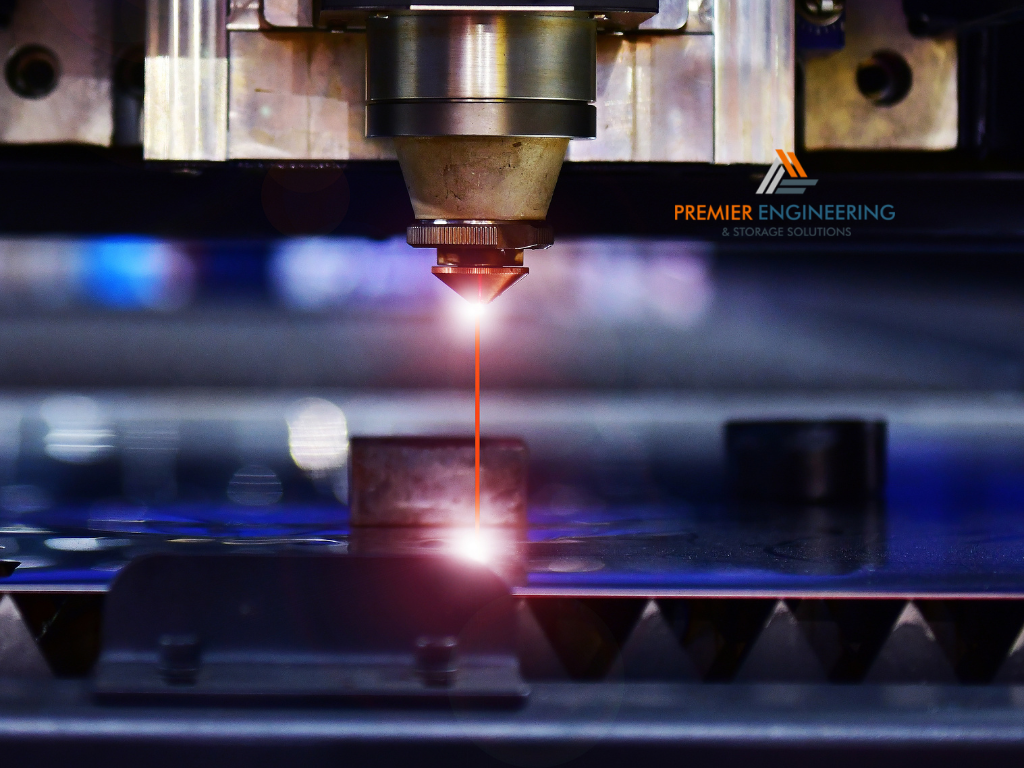
Laser cutting is often chosen when a project contains detailed shapes or requires repeatable production. However, the word precision does not mean that every part automatically receives the same level of dimensional control.
Accuracy requirements should be based on the function of the component. Applying very tight tolerances without a practical reason may increase inspection needs and complicate production.
Decide how precise the finished part needs to be
Begin by identifying the dimensions that affect fit, alignment or performance. These may include mounting holes, locating slots, component openings, joining edges or the overall size of a fitted panel.
A cover plate may allow more dimensional variation than a part that must fit around a shaft, bearing or existing assembly. Similarly, decorative features may not need the same control as functional holes.
Discuss critical dimensions with the supplier before production. The company can then determine whether the required result can be achieved through laser cutting alone or whether machining, drilling, reaming or another secondary process is needed.
For high-precision sheet metal parts, the drawing should clearly distinguish between general dimensions and critical features. Inspection requirements should also be agreed before the order is placed.
Ask what finishing is needed after cutting
A part may require additional work after it leaves the CNC cutting machine. Depending on the material, design and final use, this may include deburring, cleaning, edge treatment, tapping, countersinking, bending or surface preparation.
Ask what level of finishing is included in the quotation. A low initial price may only cover cutting, while another quote may include material preparation and basic edge finishing.
The required finish should also reflect the application. A hidden bracket may only need to be safe to handle, while a visible panel may require closer attention to edge appearance and surface protection.
Where parts will be powder coated, welded or assembled later, tell the supplier in advance. This allows the cutting and finishing process to be planned around the next manufacturing stage.
Compare Laser Cutting With Other CNC Cutting Services
Laser cutting is useful for many projects, but it is not the only way to process sheet material. A capable supplier should be able to discuss alternative methods when they offer a better practical result.
Comparing processes is especially important when the project includes repeated holes, straight cuts, formed parts or large production quantities.
Know when laser cutting is the better option
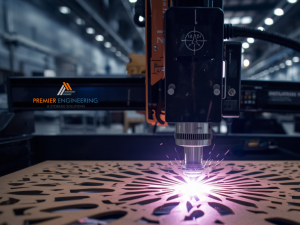
Laser cutting can be suitable for shaped profiles, detailed cut-outs and components produced directly from digital drawings. It may also support repeat production because the same approved file can be used again, subject to drawing and machine controls.
The process is commonly considered for panels, brackets, guards, covers, enclosures, signs and custom sheet components. However, suitability still depends on material, thickness, geometry and the required finish.
When comparing laser cutting Sydney suppliers, ask them to explain why the process suits your specific part. A useful answer should refer to the design and production requirements rather than relying on general claims about speed or precision.
Consider punching, sawing or other fabrication methods
A CNC punching service may be practical for sheet metal parts containing repeated holes, standard shapes or formed features. The best option depends on the tooling, quantity, design and available equipment.
Saw cutting may be more suitable for certain straight cuts, bars, sections or simple material preparation. Machining may be needed where a component requires highly controlled holes, threads, pockets or three-dimensional features.
Some jobs use several processes. A sheet may be laser cut, bent on a press brake, welded and then finished. Another part may be punched, formed and assembled.
This is why CNC cutting services should be compared as part of a wider manufacturing plan. Choosing a process in isolation can create additional work later if bending, joining or installation requirements have not been considered.
Choose a Supplier That Can Support the Whole Project
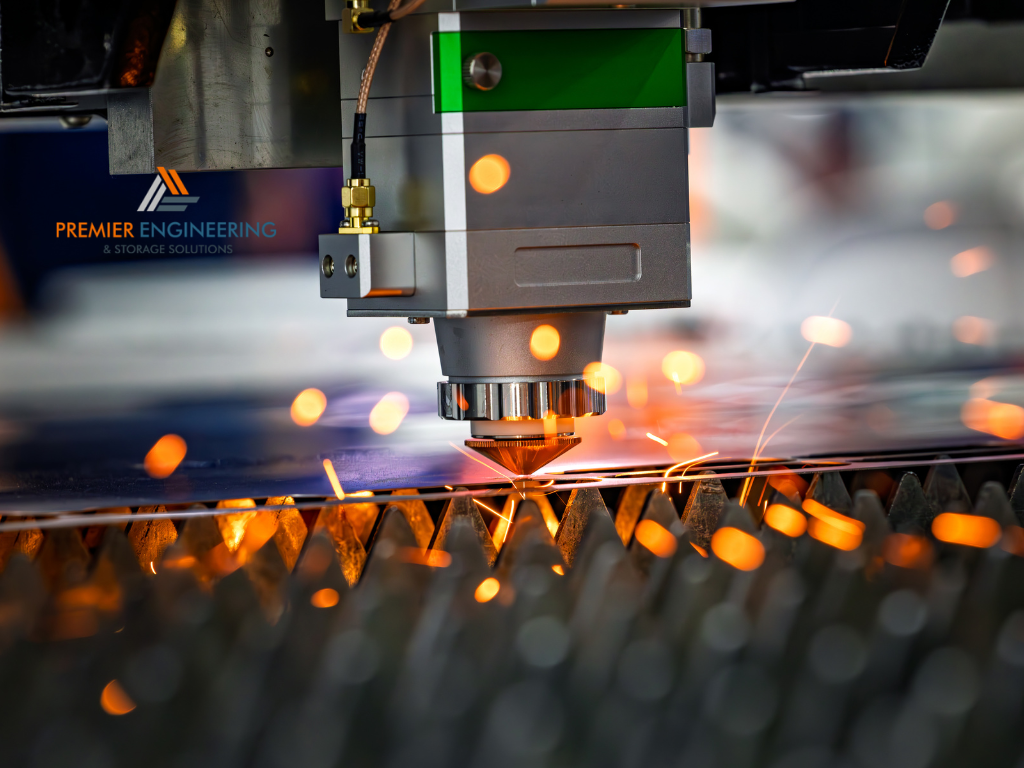
The cutting stage may represent only one part of the job. If the finished product must be bent, welded, assembled or coated, it can be useful to work with a supplier that understands the complete production sequence.
This does not mean every process must happen in one workshop. However, someone should be responsible for coordinating the technical requirements between each stage.
Review fabrication and production capabilities
Ask which services are available beyond laser cutting. Relevant capabilities may include CNC punching, bending, welding, drilling, tapping, assembly and finishing.
A supplier with wider fabrication knowledge may be able to identify design issues that are not visible when the flat cutting file is reviewed alone. For example, a hole may be positioned too close to a future bend, or an assembly may need additional clearance.
Premier Engineering may be a suitable company to contact when a project requires laser cutting together with broader engineering, manufacturing or fabrication support. Before ordering, confirm the available materials, machine capacity, tolerances and secondary services for your specific job [VERIFY].
The important point is to choose a supplier whose capabilities match the complete project rather than selecting one based only on the presence of a laser cutting machine.
Check communication, quality control and repeat ordering
Good production support begins with clear communication. The supplier should confirm the drawing revision, material specification, quantity and included services before manufacturing starts.
For repeat work, ask how files and revisions are controlled. An outdated drawing can create serious problems when a design has changed since the previous order.
You should also discuss how parts are identified and checked. This may include labels, job numbers, inspection records, sample approval or first-off checking, depending on the project.
Do not assume that every quality document or inspection method is automatically included. State your requirements during the quotation stage so the supplier can confirm what is available and whether additional charges apply.
Understand Quotations, Lead Times and Local Service
Comparing quotations is easier when each supplier is pricing the same scope. A price that appears lower may exclude material, finishing, delivery or technical preparation.
Lead time should also be discussed carefully. It can depend on material availability, workshop capacity, project complexity, quantity and any additional fabrication stages.
Compare what is included in each quotation
A detailed quotation may separate material, programming, setup, cutting, finishing, fabrication and delivery. Other suppliers may provide one combined figure.
Either format can work, but the included scope must be clear. Confirm whether the price covers material supply, cutting, deburring, bending, packaging and freight.
Ask whether there is a minimum order charge and whether a revised drawing will require new programming or setup. For repeat jobs, confirm whether the quotation is based on the current quantity or an expected future volume.
Price should be considered alongside material quality, communication, technical support and the supplier’s ability to complete the job correctly. Choosing solely on the lowest figure can be risky when the quotes are based on different assumptions.
Consider the value of laser cutting Western Sydney support
Businesses looking for laser cutting Western Sydney or CNC cutting services Western Sydney may value easier communication, practical collection arrangements and access to a nearby manufacturing supplier.
A local service may also make it easier to discuss a prototype, inspect a sample or coordinate parts that move through several fabrication stages. However, delivery time, availability and project support should always be confirmed rather than assumed.
Location is only one factor. The supplier must still have suitable equipment, material capability and production knowledge for the job.
When comparing Sydney suppliers, consider the complete service area, delivery arrangements and how design questions will be handled. A company slightly farther away may still be the better choice when its capabilities are more closely matched to the project.
Know When to Contact a Laser Cutting Company
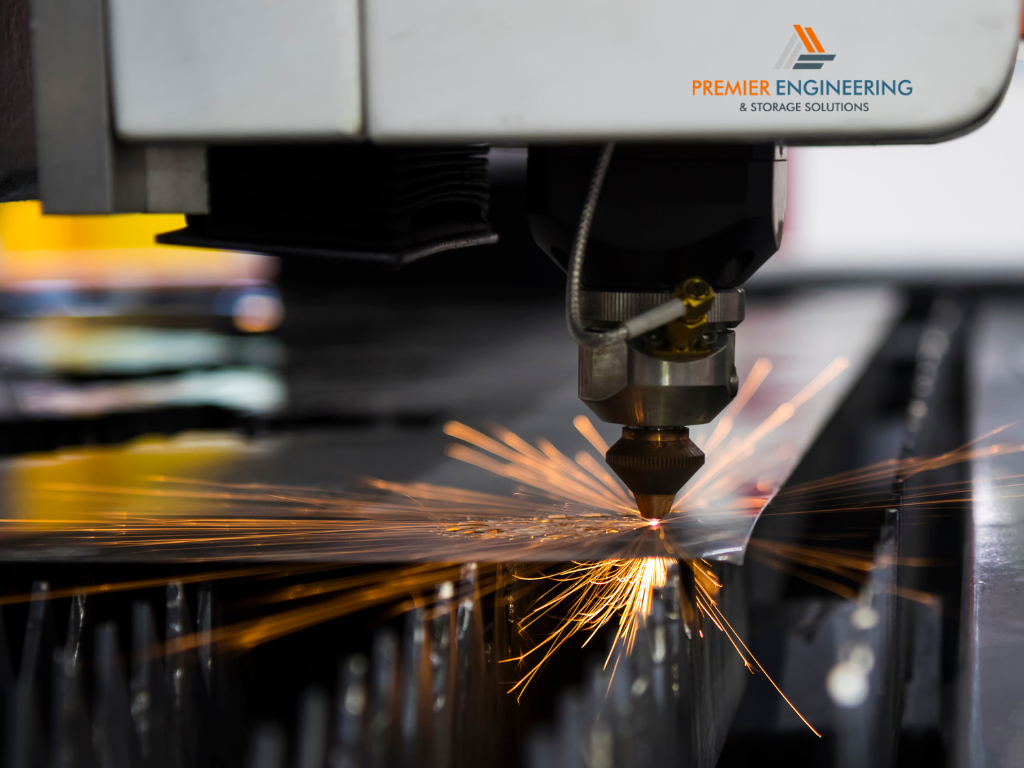
You do not need to solve every manufacturing detail before contacting a supplier. In fact, early advice may prevent you from spending time finalising a design that is difficult or expensive to produce.
The best time to ask for support is before material is purchased or the drawing is approved for production.
Ask for advice before finalising a difficult design
Contact a supplier when you are uncertain about material grade, sheet thickness, minimum feature size, hole dimensions, tolerances or the relationship between cutting and bending.
Professional advice is also useful when a part must match an existing assembly, when several manufacturing methods are being considered or when the project may move from prototype to repeat production.
You should also make contact early when the design contains detailed profiles, narrow sections, many small holes or features close to a bend line. The supplier can review whether changes may improve manufacturability.
Any technical recommendation should be confirmed against the final drawing and intended application. The customer remains responsible for supplying accurate design requirements unless another arrangement has been formally agreed.
Send complete project details when requesting a quote
When requesting a quotation, provide the drawing, material type, grade, thickness, quantity and required completion date. Explain the application and identify any dimensions that are critical to fit or function.
Also state whether you require material supply, cutting only or complete fabrication. Include bending, welding, tapping, finishing, assembly, packaging and delivery where relevant.
Photos can help when the new component must replace or connect to an existing part, but they should not replace accurate drawings and measurements.
Premier Engineering can be contacted to discuss laser cutting Sydney projects and related fabrication requirements. Providing complete information from the beginning will help the company assess the design, identify any missing details and prepare a quotation based on the actual scope [VERIFY].
The right laser cutting service should make the manufacturing process easier to understand. By comparing material capability, accuracy, finishing, communication and wider fabrication support, you can select a supplier that fits the whole project rather than simply choosing the first available cutting service.
Useful internal links for this article could include a laser cutting services page, CNC punching service page, sheet metal fabrication page, press brake bending page, engineering capabilities page and contact or quote request page.