Manufacturing businesses are under constant pressure to improve efficiency, maintain quality, and manage production costs. Whether producing components for construction, transport, infrastructure, machinery, or industrial equipment, precision fabrication plays an important role in delivering reliable results.
Among the many fabrication processes available today, Metal punching services remain one of the most practical and cost-effective methods for producing repeatable metal components. Modern punching technology allows manufacturers to create holes, shapes, slots, and patterns quickly while maintaining consistent quality across production runs.
Understanding how these services work, where they are used, and how to choose the right fabrication partner can help businesses make more informed decisions when planning their next project.
Why Metal Punching Services Remain Important in Modern Manufacturing
How do metal punching processes support production efficiency?
Metal punching is widely used because it allows manufacturers to process sheet metal quickly and accurately. Once a design has been programmed into a machine, components can often be produced repeatedly with a high level of consistency.
This efficiency is particularly valuable when manufacturing large quantities of parts. Rather than relying on manual processes, automated punching equipment can complete tasks faster while helping reduce production delays. As a result, businesses can improve turnaround times without compromising quality.
Another advantage is material utilisation. Well-planned punching layouts can help minimise waste, which may contribute to lower production costs and better resource management.
Why are manufacturers still investing in punching technology?
Modern manufacturing relies heavily on repeatability and precision. Businesses need confidence that every component will match design specifications, especially when parts must fit into larger assemblies.
Advancements in automation and digital manufacturing have made punching technology even more valuable. Today’s systems integrate with design software and production workflows, helping manufacturers improve efficiency while maintaining consistent quality standards.
For many applications, punching remains a practical solution because it balances speed, accuracy, and cost-effectiveness.
Understanding CNC Punching and Precision Fabrication
What is a cnc punching service and how does it work?
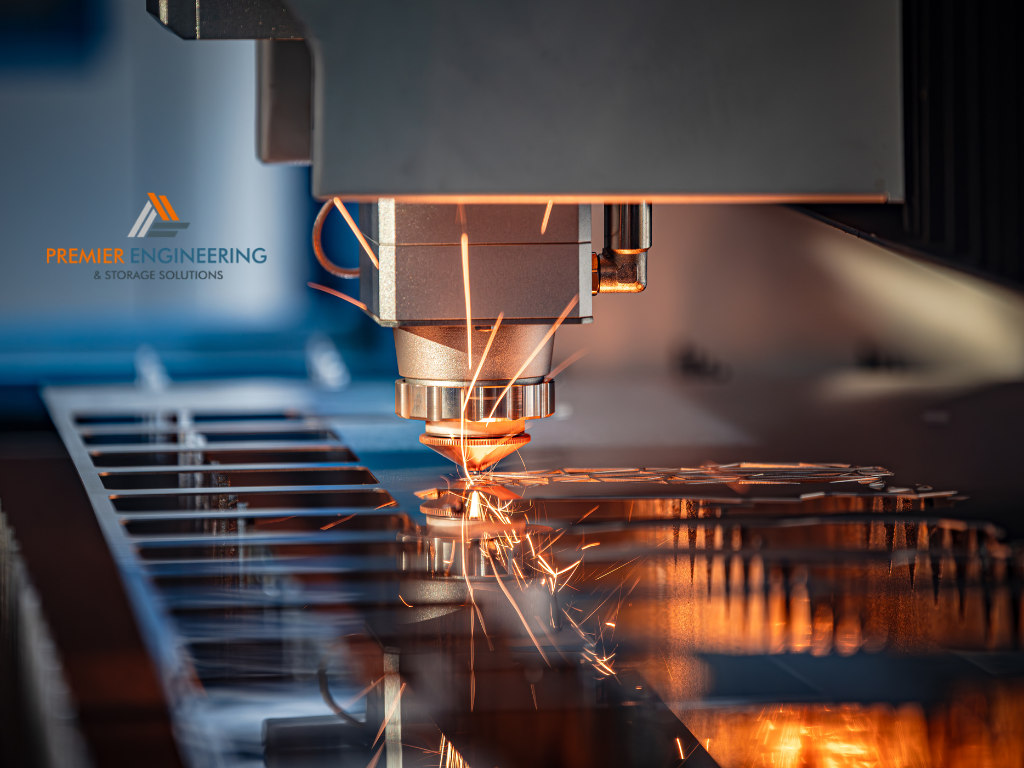
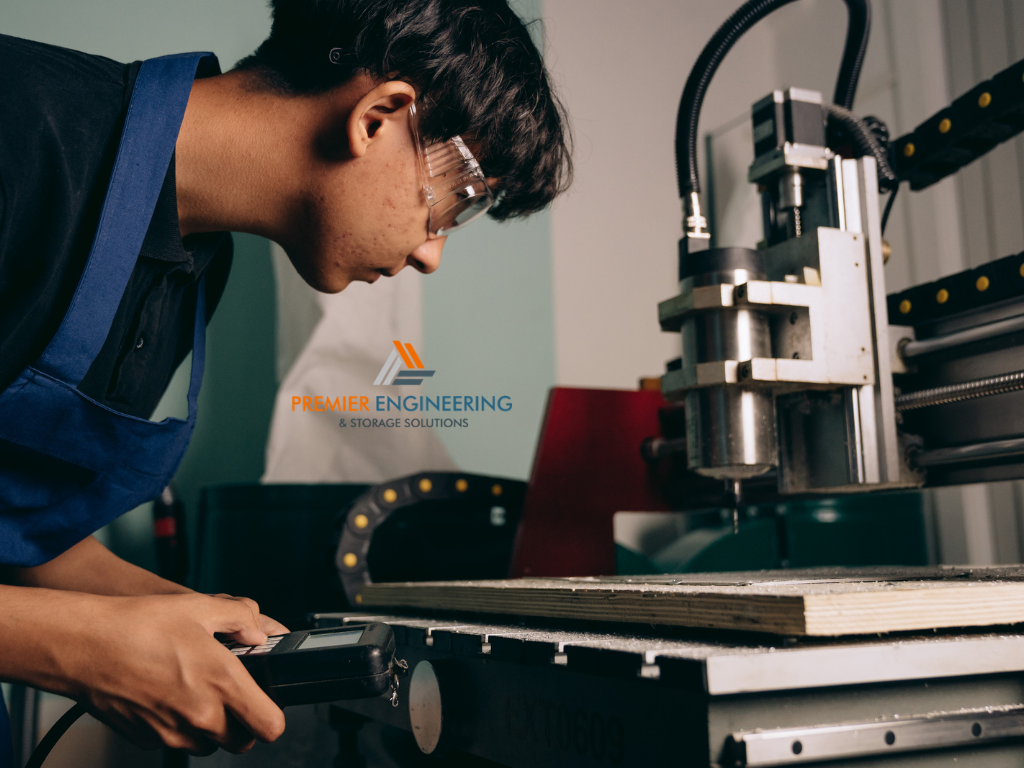
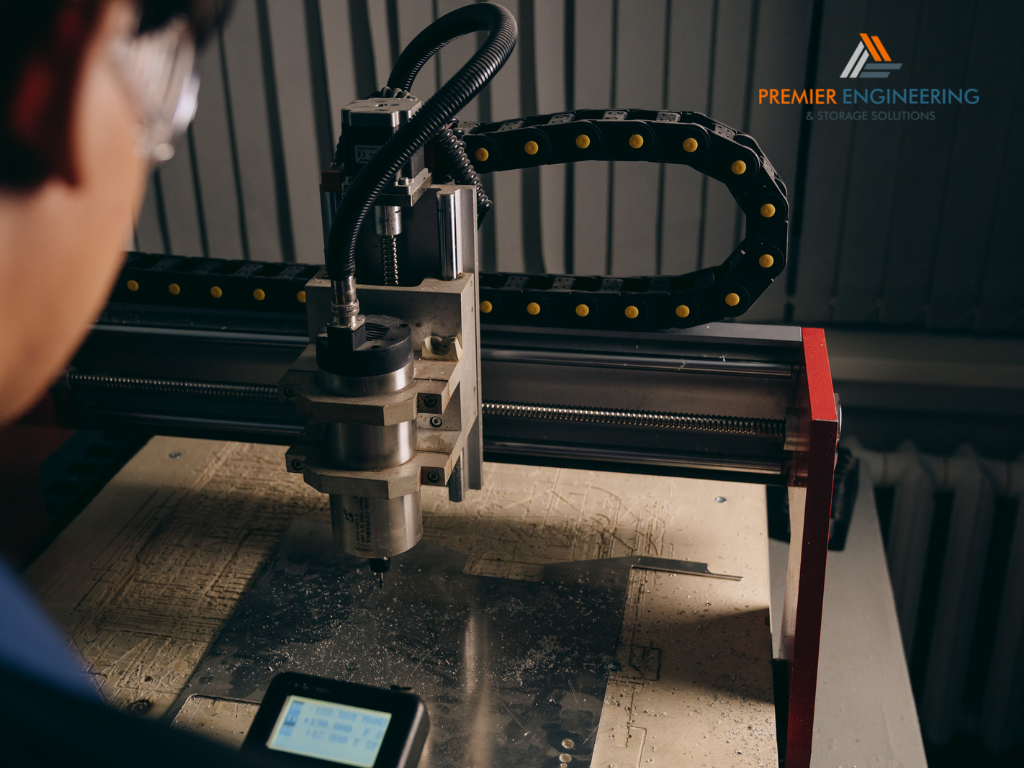
A cnc punching service uses computer-controlled machinery to create holes, slots, shapes, and cut-outs in sheet metal. The machine follows programmed instructions, allowing complex patterns and designs to be produced with a high degree of accuracy.
Because the process is automated, manufacturers can achieve repeatable results across both small and large production runs. This makes CNC punching suitable for industries where precision and consistency are critical.
The ability to quickly switch between designs also provides flexibility for businesses that manufacture a variety of products.
When are turret punching services the best solution?
Turret punching services are often used when projects require multiple hole sizes, shapes, or patterns within a single component. A turret machine can hold different tooling options and automatically change between them during production.
This capability helps reduce setup times and improves efficiency, especially for projects involving medium to high production volumes.
Applications commonly include electrical enclosures, mounting brackets, equipment panels, storage systems, ventilation components, and industrial machinery parts.
The Relationship Between Punching, Bending, and Complete Fabrication
How does a metal bending press complement punched components?
Punching is often only one stage of the fabrication process. After components have been punched, they frequently move to a metal bending press where flat sheets are formed into three-dimensional products.
For example, a sheet may first be punched with mounting holes and cut-outs before being bent into a bracket, enclosure, cabinet, or structural component.
Combining punching and bending within the same production workflow helps improve accuracy and streamlines manufacturing.
Why is a sheet metal bending press important for finished products?
A sheet metal bending press allows manufacturers to create precise folds and angles that transform flat material into functional components.
Accurate bending is important because even small variations can affect assembly and product performance. Modern bending equipment helps ensure consistency, particularly when producing multiple components that must fit together correctly.
Many fabricated products used in construction, industrial equipment, and commercial applications rely on precise bending to achieve the required strength and functionality.
Common Industries That Use Metal Punching Services
Which industries rely on precision sheet metal fabrication?
Metal punching services are used across a wide range of Australian industries.
Some common sectors include:
- Construction and building products
- Industrial manufacturing
- Transport and logistics
- Mining and resources
- Agriculture
- Storage and warehousing
- Infrastructure projects
- Electrical and communications equipment
These industries often require components that can be produced accurately and consistently while meeting project deadlines.
What types of products are commonly produced using punched metal components?
The applications are diverse and can include:
- Equipment panels
- Storage cabinets
- Shelving components
- Brackets and supports
- Electrical enclosures
- Machine guards
- Ventilation systems
- Mounting plates
- Industrial housings
Because punching can be integrated with bending and assembly processes, it supports the production of both simple and complex fabricated products.
How Engineering Expertise Improves Fabrication Outcomes
Why do engineering manufacturing and fabrication capabilities matter?
Machinery alone does not guarantee a successful project. Strong engineering manufacturing and fabrication capabilities help ensure designs can be manufactured efficiently while meeting functional requirements.
Experienced fabrication teams can identify potential production issues before manufacturing begins. This may help reduce delays, improve material usage, and support more efficient production planning.
Engineering input can be especially valuable when projects involve custom components, complex assemblies, or specialised requirements.
How does design support better manufacturing results?
Good design contributes significantly to manufacturing success.
Factors such as hole placement, material thickness, bending requirements, and assembly methods can all affect production efficiency.
Reviewing designs early in the process can help improve manufacturability and reduce the risk of costly modifications later. It can also help ensure components are practical to produce while maintaining the required performance standards.
How to Choose the Right Metal Fabrication Partner
What should you look for in a fabrication provider?
Choosing a fabrication supplier involves more than simply comparing prices.
Important considerations include:
- Production capabilities
- Equipment quality
- Experience with similar projects
- Quality control processes
- Communication and support
- Turnaround times
- Capacity for future production requirements
A provider that understands both manufacturing processes and project requirements is often better positioned to deliver consistent results.
Why do integrated services provide better project outcomes?
Working with a supplier that offers punching, bending, fabrication, and assembly services can simplify project management.
Integrated services reduce the need to coordinate multiple vendors and may help improve quality control throughout the manufacturing process.
For businesses looking for a fabrication partner, Premier Engineering & Storage Solutions provides services including cnc punching service, turret punching services, metal bending press operations, sheet metal bending press capabilities, sheet metal press brake solutions, and broader engineering manufacturing and fabrication capabilities. Having multiple fabrication services available through one provider can help streamline production and improve project coordination.
When Should You Contact a Fabrication Company?
What signs indicate your project may need professional fabrication support?
Many businesses benefit from professional fabrication support when they require:
- Custom metal components
- Large production runs
- Consistent manufacturing quality
- Complex assemblies
- Precision fabrication
- Integrated punching and bending services
- Engineering support during product development
Seeking fabrication advice early in a project can often help identify practical manufacturing solutions before production begins.
How can a fabrication company support your project requirements?
A fabrication company can assist with design review, material selection, manufacturing planning, punching, bending, and component production.
Whether a project involves a small batch of custom parts or larger production volumes, working with an experienced provider can help improve efficiency and reduce manufacturing challenges.
By understanding your requirements and production goals, a fabrication partner can recommend the most suitable processes and help ensure the final components meet project expectations.