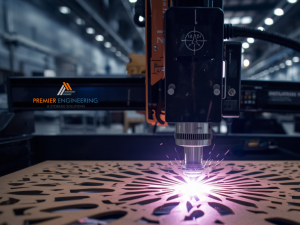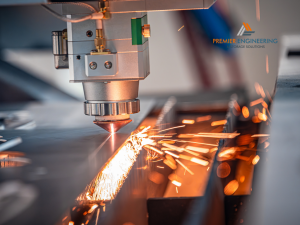
A cnc punching service helps create accurate holes, slots, notches, forms, and shapes in sheet metal using computer-controlled machinery. It is commonly used when a project needs repeatable parts, clean layouts, and efficient production across multiple components.
For many Australian businesses, CNC punching is useful because it supports practical fabrication needs such as electrical panels, machinery guards, brackets, cabinets, shelving parts, industrial covers, perforated sections, and custom sheet metal components. It can also form part of a larger cnc sheet metal fabrication process where cutting, punching, bending, welding, and finishing need to work together.
Australian fabrication buyers are also paying closer attention to efficiency, repeatability, and production risk. Automation and CNC machinery are often discussed as part of modern manufacturing because they can help improve consistency and reduce manual handling when used correctly. This does not mean every project needs the most complex process. It means the right method should be chosen based on the part design, material, quantity, tolerance, and finish required.
How CNC punching works in sheet metal projects
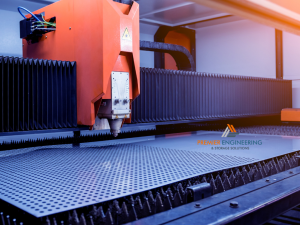
CNC punching uses programmed instructions to move a sheet of metal into position while a punch and die create the required features. The machine can produce round holes, square holes, slots, louvres, countersunk features, knockouts, notches, and repeated patterns depending on the tooling available.
This is especially helpful when the same design needs to be made consistently. Instead of measuring and marking each feature by hand, the machine follows a digital program. This helps maintain repeatability across a batch of parts.
The process can be useful for both simple and detailed components. For example, a flat panel may need mounting holes, ventilation slots, corner notches, and shaped cut-outs before it is folded or assembled. CNC punching allows these features to be planned accurately before the next fabrication stage.
Where punching fits into metal fabrication
CNC punching is often one part of a larger fabrication workflow. A project may begin with drawings or design files, followed by material selection, punching, cutting, bending, welding, finishing, and delivery.
This is why buyers should think beyond the punching process alone. If the part also needs folding, formed edges, welded corners, or powder coating, the supplier should understand how each step affects the final result.
A well-planned workflow can help reduce handling, avoid design conflicts, and improve production consistency. It also helps the fabricator identify issues early, such as holes placed too close to bend lines or material thicknesses that may not suit the required shape.
Common Uses for Metal Punching Services
Metal punching services are used across many practical industries because sheet metal parts often need accurate holes, slots, cut-outs, and repeated shapes. The process can support both functional and visual requirements, depending on the project.
It is commonly used in manufacturing, construction, electrical, storage, machinery, transport, fit-out, and general engineering work. The right application depends on the design and how the finished part will be used.
Parts, panels, brackets, and enclosures
CNC punching is often used for components such as equipment panels, switchboard parts, mounting brackets, access covers, ventilation panels, guards, trays, shelves, cabinets, and machine enclosures.
For example, an electrical enclosure may need cable entry knockouts, ventilation slots, fixing holes, and folded edges. A machinery guard may need a repeated perforation pattern for visibility or airflow. A bracket may need accurate holes so it aligns correctly during installation.
These details may look simple, but small errors can affect assembly, fit, and function. This is why accurate punching matters when parts need to line up with fasteners, hinges, frames, or other components.
When repeat accuracy matters
CNC punching is especially useful when repeat accuracy is important. If a business needs ten, fifty, or hundreds of the same part, the process can help maintain consistent feature placement across the batch.
Repeatability is important for parts that need to be assembled with other components. If holes are out of alignment, production can slow down and rework may be needed. If slots, tabs, or cut-outs are inconsistent, the finished product may not fit properly.
For this reason, CNC punching is often a good choice for repeat sheet metal parts where clean planning, clear drawings, and consistent output are required.
CNC Punching, Turret Punching, and Fabrication Options
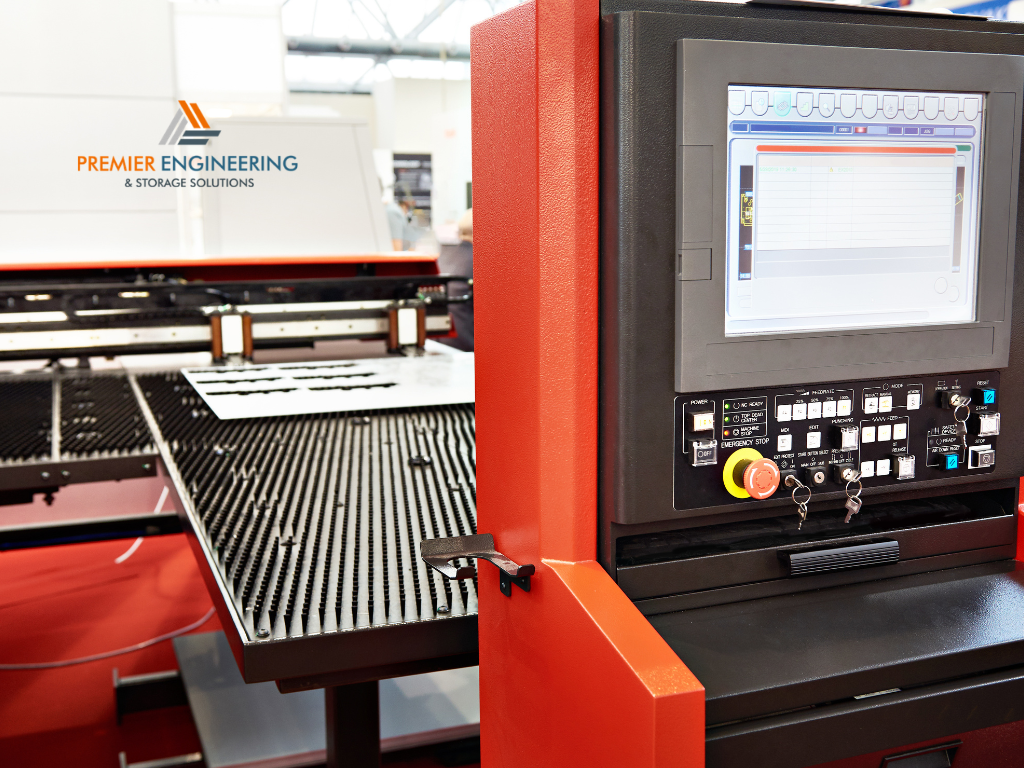
CNC punching and turret punching services are closely related. A turret punch uses a rotating tool station that holds different punches and dies. This allows the machine to switch between tools during the job and create different features in the same sheet.
This can be useful when a part needs several hole sizes, slot shapes, notches, or formed details. It can also help improve production speed when the correct tooling is available.
How turret punching services support detailed parts
Turret punching services can support detailed sheet metal work because multiple tools can be used in one programmed process. This makes it possible to produce a part with different punched features without setting up each hole or shape manually.
For example, one panel may need round fixing holes, square cut-outs, narrow slots, corner notches, and louvred ventilation. With the right setup, a turret punch can create these features accurately and repeatedly.
The best results usually come from clear drawings and early discussion with the fabricator. This helps confirm whether the tooling suits the required shapes, whether the material thickness is appropriate, and whether the punched features will work with any later bending or finishing.
When punching may suit a project better than other methods
CNC punching may suit a project when the design includes repeated holes, slots, standard shapes, or formed features. It can be efficient for parts that need consistent patterns or multiple features across a sheet.
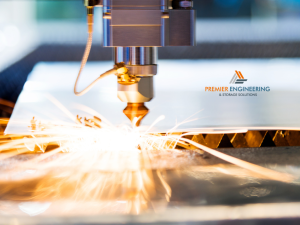
However, it is not the only option. Some designs may be better suited to laser cutting, especially where the part has complex curves, very fine detail, or shapes that do not suit available punch tooling. Other projects may need a combination of cutting, punching, and bending.
The best method depends on the part design, material, thickness, batch size, edge requirements, and final use. A good fabrication supplier should explain which process is more suitable rather than forcing every project into one method.
Materials, Stainless Steel, and Project Requirements
Material selection affects the quality, cost, and performance of the finished part. The right material depends on where the component will be used, how strong it needs to be, whether corrosion resistance is required, and what finish is expected.
Common sheet metal materials may include mild steel, stainless steel, aluminium, galvanised steel, and other project-specific metals. The suitability of each material should be confirmed with the fabricator before production.
Choosing the right metal for the job
Mild steel is often used for general fabrication where strength and cost control are important. Aluminium may be useful where weight matters. Galvanised steel may be chosen where added corrosion resistance is required. Stainless steel is often selected for durability, cleanliness, appearance, or corrosion resistance.
The material thickness also matters. A thicker material may provide more strength, but it can affect punching, bending, hole size, bend radius, and overall cost. A thinner material may be easier to form but may not suit the load or durability requirements of the part.
Before ordering, buyers should consider how the part will be used, whether it will be indoors or outdoors, whether it needs to be painted or powder coated, and whether it will be exposed to moisture, cleaning chemicals, heat, or impact. Any special performance requirement should be marked as if it needs engineering, safety, or compliance confirmation.
What to consider with cnc stainless steel
CNC stainless steel work needs careful planning because stainless steel can behave differently from mild steel or aluminium. It may require specific tooling, handling, finishing, and bending considerations depending on the grade and thickness.
Stainless steel is often used where a clean appearance, corrosion resistance, or long-term durability is important. It may be suitable for food-related areas, architectural parts, commercial equipment, marine-adjacent environments, or industrial components, but the correct grade should be confirmed for the use case.
If the part needs punching and bending, the design should account for bend direction, grain direction where relevant, surface protection, hole placement, and finishing requirements. Early discussion with a fabricator can help avoid scratches, distortion, poor fit, or avoidable rework.
Bending, Press Brake Work, and Finished Components
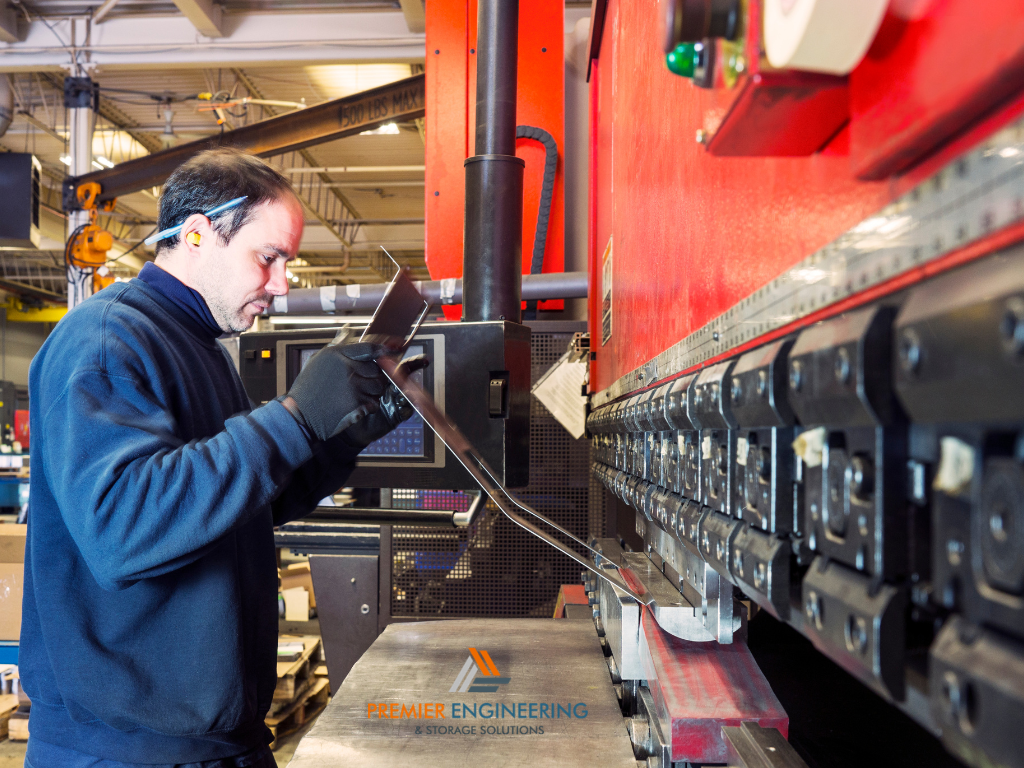
Many sheet metal projects do not end after punching. Once holes, slots, and cut-outs are created, the part may need folding or forming to become a finished component.
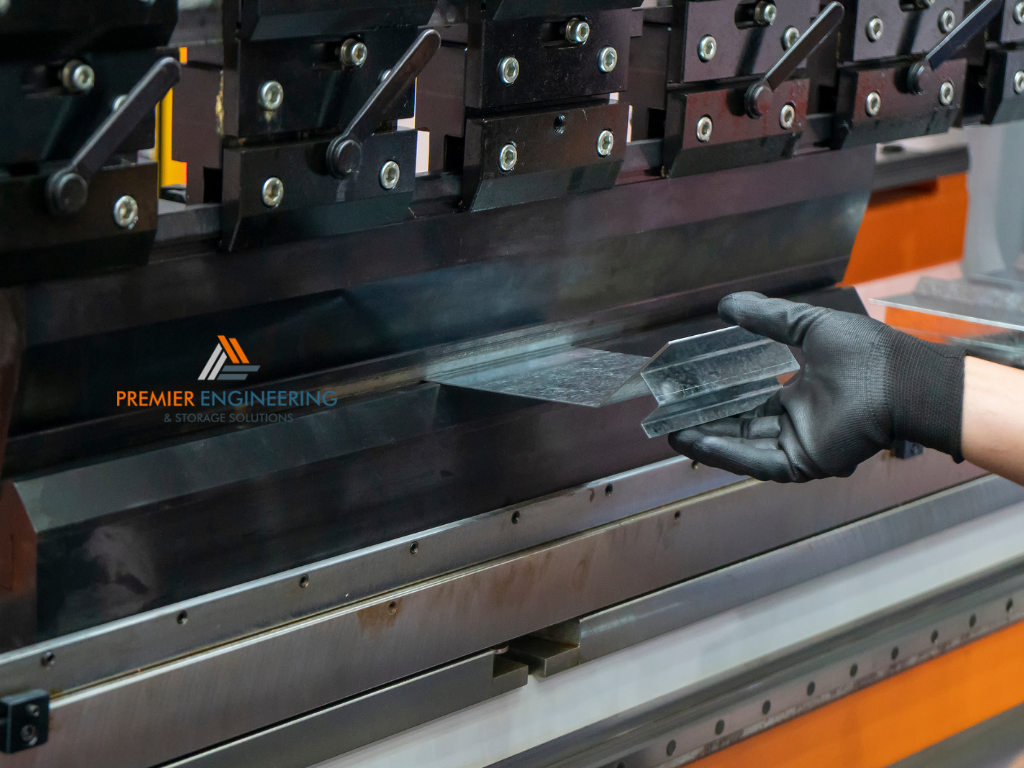
This is where press brake work becomes important. A sheet metal press brake bends metal along a controlled line to create angles, flanges, channels, trays, brackets, and folded panels.
Why punching and bending are often planned together
Punching and bending should be planned together because the position of holes, slots, and cut-outs can affect the final bend. If a hole is too close to a bend line, it may distort during folding. If a slot is placed near an edge, the part may weaken or change shape.
Good planning helps avoid these issues before production begins. The fabricator may suggest changing hole placement, adjusting bend allowance, modifying material thickness, or changing the sequence of operations.
This is especially important for components such as folded brackets, equipment covers, electrical panels, trays, cabinets, and enclosures. When punching and bending are planned as one workflow, the final part is more likely to fit correctly.
How a sheet metal press brake supports fabrication
A sheet metal press brake supports fabrication by creating accurate bends in punched or cut sheet metal parts. It may be used to form simple angles or more complex shapes, depending on the design and tooling.
Related equipment such as a metal bending press or sheet metal bending press may be part of the same fabrication workflow. These services are useful when a flat sheet needs to become a shaped component with edges, returns, mounting flanges, or structural folds.
For buyers, it is helpful to choose a supplier that can review both punching and bending requirements together. This can reduce the chance of design problems and may make the quoting process more accurate.
How to Choose the Right CNC Punching Supplier
Choosing the right supplier matters because CNC punching is not only about machine capability. It also depends on how well the supplier understands drawings, materials, tolerances, bending requirements, finishes, delivery expectations, and practical fabrication issues.
A good supplier should help you understand whether CNC punching is the right process for your part. They should also explain when another process, such as laser cutting or a combined fabrication workflow, may be more suitable.
What to check before requesting a quote
Before requesting a quote, check whether the supplier can work with your material, thickness, batch size, drawings, tolerances, and finishing needs. It is also useful to ask whether they provide related services such as bending, welding, assembly, or finishing.
You should also ask what file types they prefer, whether they can work from drawings or samples, and whether they can review the design before production. This can help identify issues before the job reaches the workshop.
For repeat production, ask how the supplier manages consistency across batches. For urgent work, ask about realistic lead times rather than assuming a same-day or next-day turnaround.
When to contact Premier Engineering
Premier Engineering may be useful to contact when you need practical support with metal punching services, CNC cutting, sheet metal fabrication, press brake work, or related metal fabrication requirements.
This may be helpful if you have a project that needs punched holes, slots, brackets, panels, folded parts, or fabricated components. It may also be useful if you are unsure whether your design should use CNC punching, turret punching, bending, or another fabrication method.
When contacting Premier Engineering, it is best to provide drawings, measurements, material preferences, quantities, finish requirements, and the intended use of the part. This helps the team review the job more clearly and provide more practical guidance.
Preparing Your Project for a Better Quote
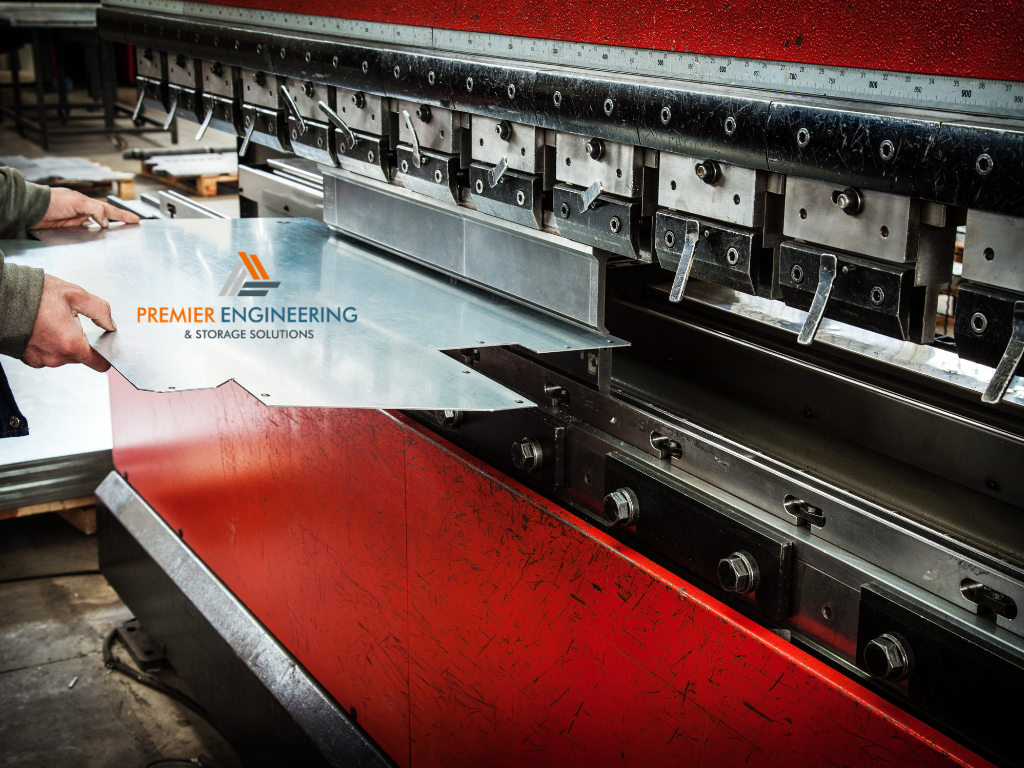
A clear project brief can make the quoting process faster and more accurate. It also helps reduce back-and-forth questions and lowers the risk of misunderstandings during production.
Even if the design is not final, sharing as much detail as possible can help the fabricator recommend the right process and identify anything that needs adjustment.
What details to send your fabricator
When requesting a quote, send dimensioned drawings, CAD files if available, material type, thickness, quantity, tolerances, finish requirements, and any delivery or installation deadlines. If you only have a sample or sketch, explain what the part does and where it will be used.
It is also useful to mention whether the part needs bending, welding, powder coating, assembly, or stainless steel finishing. These details affect the production sequence and final price.
If the part must fit with another component, provide those details early. Hole alignment, bend dimensions, edge clearances, and mounting positions can all affect whether the finished component works as intended.
How clear requirements help reduce delays
Clear requirements help the fabricator understand the job before production begins. This reduces the risk of incorrect materials, missing features, unclear tolerances, or design changes after work has started.
Good communication also helps the supplier suggest improvements. For example, a fabricator may recommend changing a hole size to suit standard tooling, moving a cut-out away from a bend line, or selecting a more suitable material for the environment.
A cnc punching service works best when the design, material, quantity, and finish are clearly understood. With the right planning, buyers can achieve cleaner results, better repeatability, and a smoother path from drawing to finished component.