Search results for: “sheet metal manufacturing “

  • Revolutionizing Manufacturing: The Role of Laser Cutting in Large-Scale Production

    Laser CuttingHave you ever wondered how big companies produce thousands, even millions of items, consistently and with precision? One of the secrets lies in a powerful technology called laser cutting. It’s revolutionizing the world of manufacturing, making it possible to shape and customize materials like never before.

    The Basics of Laser Cutting

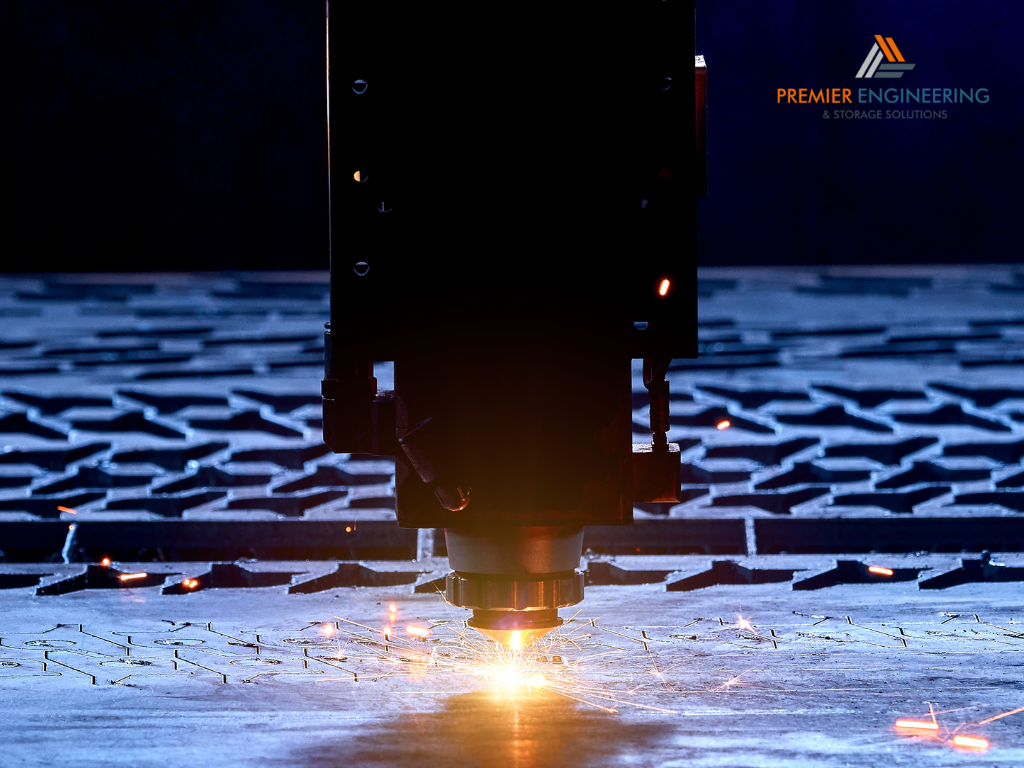
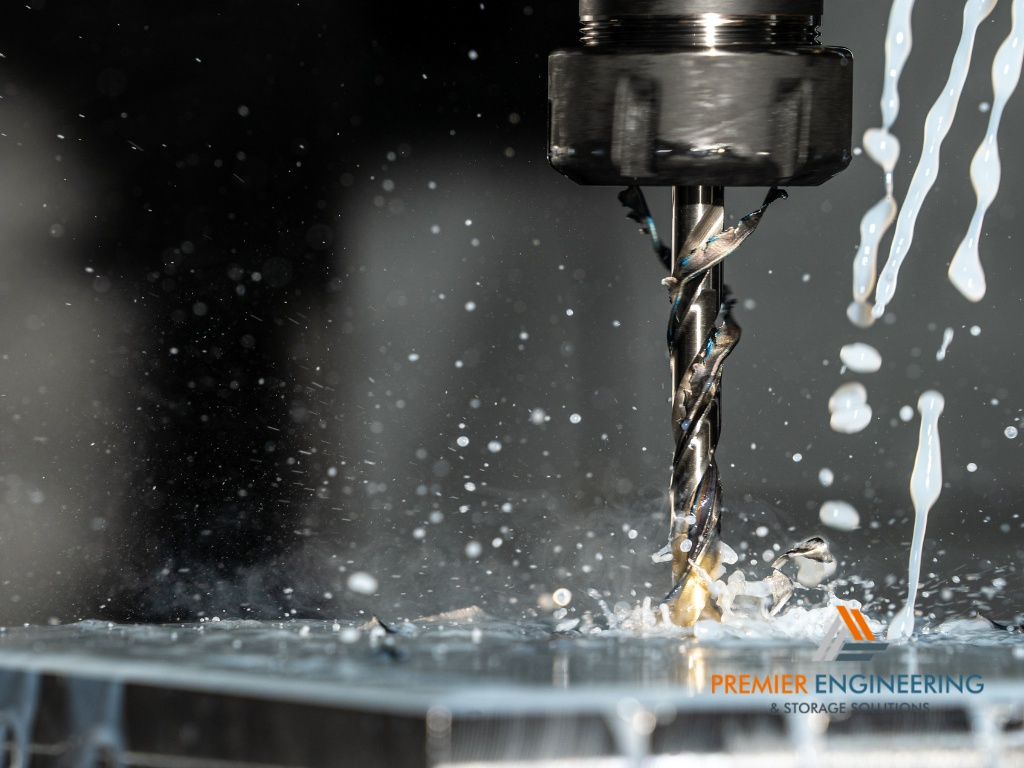
    Now, what is laser cutting? It’s a technology that uses a high-power laser to cut or engrave materials. Think of it as a super-accurate, extremely powerful version of the scissors you might use in art class. With laser cutting service, large companies can easily slice through tough materials, like steel, to create parts for a vast range of products.

    Laser Cutting in Steel Metal Fabrications

    Speaking of steel, laser cutting plays a crucial role in steel metal fabrications. Here’s how it works. Steel laser cutting services use a focused beam to melt, burn, or vaporize the steel, producing a clean, precise cut. They can even create intricate shapes and patterns on a stainless-steel splash back, adding both functionality and aesthetic appeal.

    The Role of Laser Cutting in Sheet Metal Manufacturing

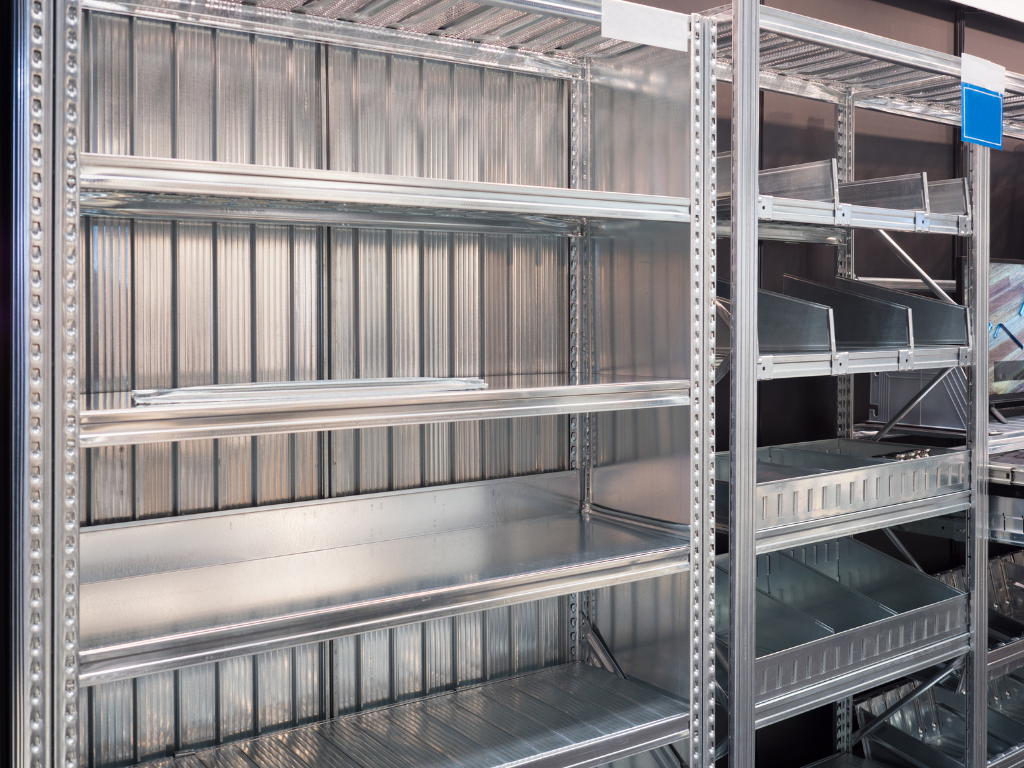
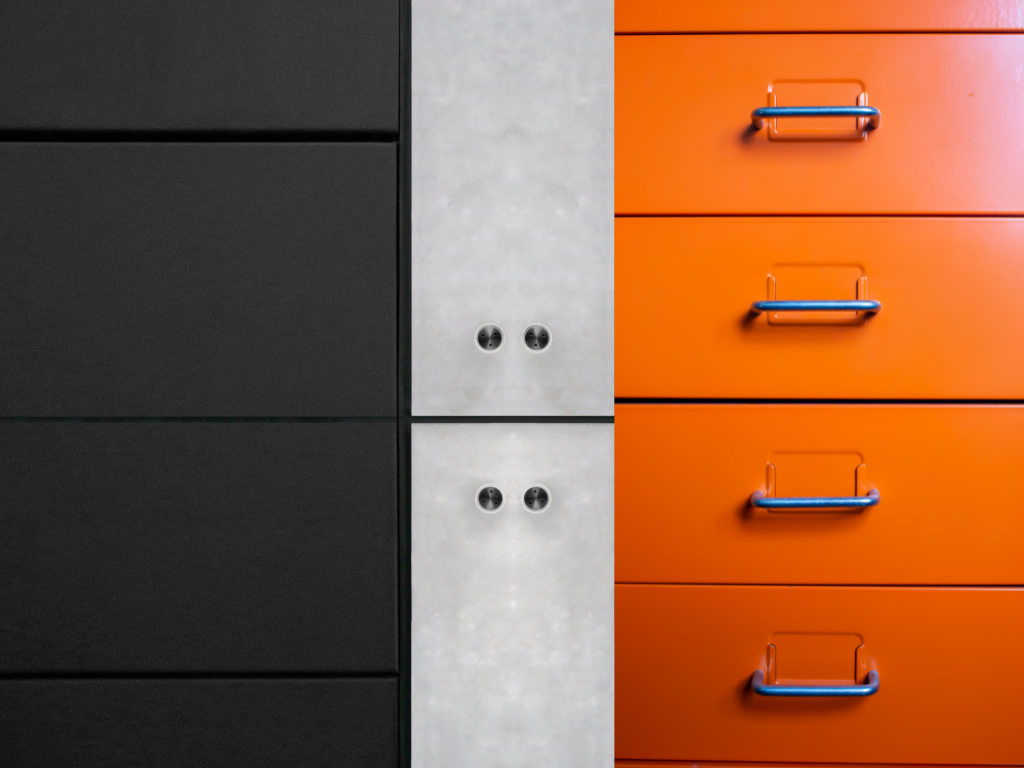
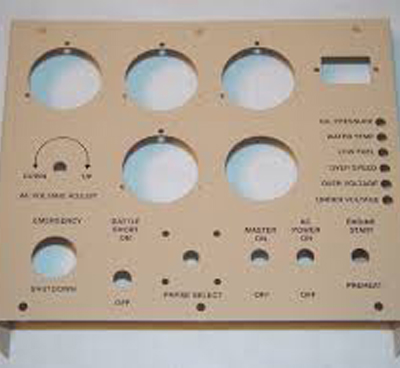
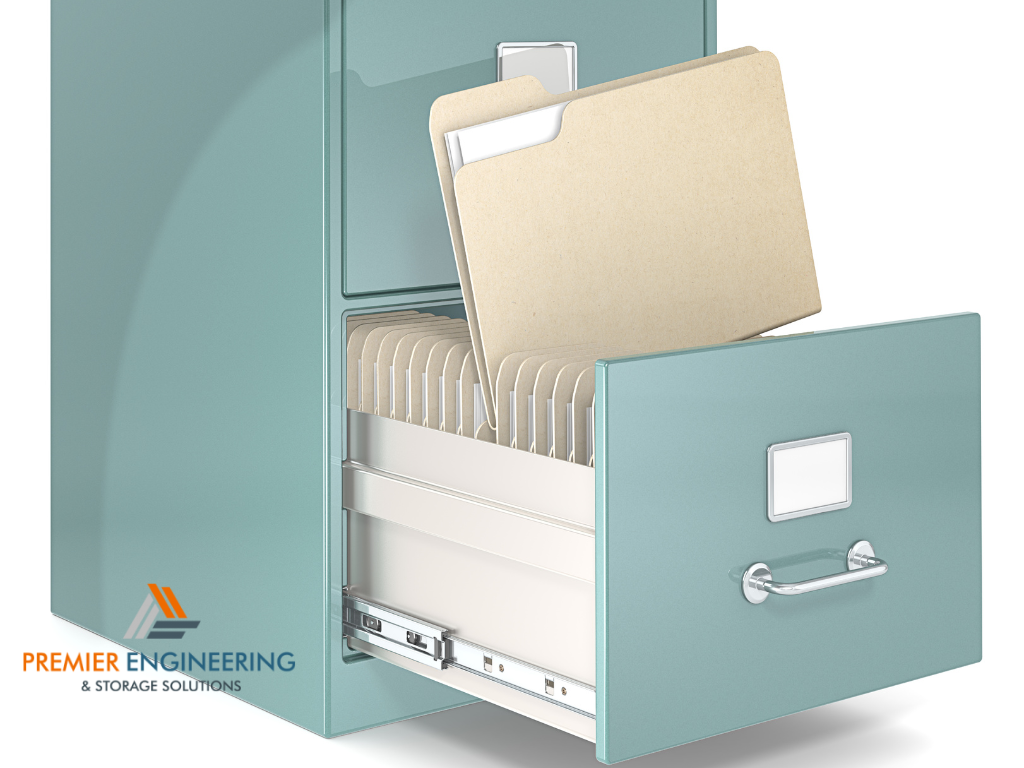
    But it’s not just about steel. Laser cutting also plays a pivotal role in sheet metal manufacturing. For example, it’s used to create the shelves for shelving units, the doors for metal storage cabinets, and even the surface of your workbench. So next time you see a beautifully crafted piece of sheet metal, chances are, laser cutting had a role in its creation.

    CNC Cutting Services and Laser Cutting

    But wait, you might ask, what about CNC cutting services and CNC punching service? Well, CNC (Computer Numerical Control) is an umbrella term that covers several techniques, including laser cutting. It’s a method where computer-controlled machines, like laser cutters, perform tasks with accuracy that humans simply can’t match.

    Laser Cutting versus Traditional Methods

    Compared to traditional methods, laser cutting has clear advantages. For example, imagine trying to cut a precise pattern into steel using manual methods. It would be incredibly time-consuming and prone to errors. On the other hand, laser cutting can complete the task quickly, with exceptional precision.

    Laser Cutting and Workspace Efficiency

    So, how does all of this tie into your workspace? Consider your workbench, shelving units, and storage cabinets. These items are all products of manufacturing processes, possibly involving laser cutting. For instance, your metal storage cabinet and industrial shelving units could have been cut and shaped using laser cutting technology.

    Welding Services in Sydney and the Role of Laser Cutting

    Even welding services in Sydney and elsewhere often utilize laser cutting in their operations. It’s a tool that enables them to deliver precision work, whether they’re creating a complex industrial structure or a simple stainless-steel splash back.

    From Query to Clarity: The Role of Laser Cutting in Manufacturing

    Now that we’ve explored the basics of laser cutting and its role in manufacturing, let’s answer some of the questions you might be pondering.

    1. What are the key advantages of laser cutting compared to traditional manufacturing methods?

    Excellent question! Laser cutting holds many advantages over traditional methods. Firstly, it’s incredibly precise. It can make intricate cuts that are too complex for conventional methods. Secondly, it’s efficient.

    A company like Premier Engineering can cut numerous pieces in a short amount of time, maximizing productivity. Finally, laser cutting doesn’t involve direct contact with the material, reducing the risk of material deformation.

    2. How does CNC technology, including CNC cutting services and CNC punching service, integrate with laser cutting in manufacturing processes?

    CNC technology and laser cutting are complementary. CNC refers to a computer’s ability to control a manufacturing process. In a setup like at Premier Engineering, CNC technology directs the laser cutter, guiding it to make precise cuts or punches. So, in essence, CNC technology forms the brain, while the laser cutter serves as the hands, executing the actual task.

    3. In what ways is laser cutting used in creating common items in a workspace, like workbenches and storage cabinets?

    You’d be surprised at how much of your workspace owes its existence to laser cutting! Take your workbench, for instance. The smooth metal surface could have been cut and shaped using a laser. Similarly, the precisely cut shelves in your storage cabinets, and the neatly done corners of your metal storage cabinet, are likely the result of laser cutting. This technology plays a significant role in shaping the world around us, often in ways we don’t even realize.

    In conclusion, laser cutting is more than just a manufacturing process; it’s an integral part of how we create, shape, and innovate. It’s in the products we use daily, the spaces we inhabit, and the progress we make.

    With companies like Premier Engineering at the forefront, laser cutting is set to revolutionize manufacturing further, making it faster, cleaner, and more efficient. And who knows? The next time you see a perfectly cut piece of metal, you might just appreciate the marvel of laser cutting a little more!

  • Exploring the Versatility of Metal Shelves in Commercial and Industrial Settings

    Metal ShelvesAn Overview of Metal Shelves and Their Applications

    Sturdy, durable, and aesthetically pleasing, metal shelves have become a preferred choice in a variety of environments. From a commercial shop’s display to a factory’s storage area, they are found everywhere. The reason is quite simple. Metal shelves, whether standalone or incorporated in a storage cabinet, provide a strong and resilient storage solution.

    Among the most common applications, you’ll find them housing tools on a workbench, acting as bookcases in offices, or serving as display units in retail stores. They are also commonly seen in storage cabinets in commercial and industrial spaces. Thanks to advancements in metal laser cutting and CNC cutting services, these shelves can be custom-designed to suit any setting or purpose.

    The Benefits of Metal Shelves for Commercial Spaces

    As we turn to commercial spaces, it becomes apparent why metal shelves are so popular. For starters, they are highly durable. This is critical in commercial environments where the wear and tear are considerably higher. Furthermore, metal shelves are easy to clean and maintain, which is essential in spaces such as restaurants and grocery stores.

    With the help of laser cutting services, specifically those in Sydney, intricate designs can be etched on these shelves, adding an aesthetic touch. Thus, the functionality of these metal shelves is matched by their visual appeal. The shelves are versatile enough to act as both storage units and product display platforms, making them an excellent investment for any commercial enterprise.

    How Metal Shelves Complement Industrial Storage Solutions

    In industrial settings, efficient storage solutions are of paramount importance. Here, metal shelving units shine. Industrial shelving, especially when made from metal, is designed to bear heavy loads. This is where metal storage cabinets come into the picture. Built with metal shelves, these cabinets offer robust, long-lasting storage solutions that can withstand the rigours of an industrial environment.

    Laser cutting in Sydney, coupled with CNC punching service, allows the production of these shelves and cabinets with precision. These techniques enable customization to cater to the unique needs of different industries.

    Guide to Maintaining and Cleaning Metal Shelves

    Preserving the longevity of your metal shelves is easy when proper care is taken. First, regular cleaning is key. This can be done using a soft cloth and a mild cleaning solution. Avoid using harsh chemicals as they may damage the finish of the shelves.

    In case of stainless steel splashbacks or metal storage cabinets, a specific stainless steel cleaner can be used to prevent streaks and maintain shine. Regular inspection for any signs of rust or wear is also recommended, particularly for shelves located in damp environments or those exposed to harsh conditions.

    Transforming Spaces with Innovative Metal Shelves Designs

    Advancements in metal laser cutting and sheet metal manufacturing have paved the way for innovative designs in metal shelves. From intricate patterns to sleek, minimalist designs, the options are limitless. Laser cutting services in Sydney, for instance, are renowned for delivering high-precision, customized designs.

    Custom shelves can add personality to commercial spaces, or improve organization in industrial settings. When used creatively, they can transform the entire look and feel of a space. The versatility of metal shelves goes beyond their material and into the realm of design and aesthetics, proving them to be a true asset in any setting.

    Why are metal shelves preferred for commercial and industrial use?

    Metal shelves are preferred for their strength, durability, and ease of maintenance. They are able to withstand significant weights and wear and tear, making them ideal for environments such as commercial stores and industrial warehouses.

    Can metal shelves be custom-designed?

    Yes, with advancements in technology such as metal laser cutting and CNC cutting services, metal shelves can be custom-designed to suit specific needs and aesthetic preferences.

    How are metal shelves maintained and cleaned?

    Regular cleaning with a soft cloth and mild cleaning solution is generally recommended for metal shelves. Avoid using harsh chemicals which may damage the finish. For stainless steel, specific cleaners can be used to maintain shine and prevent streaks. Regular inspection for rust or wear is also advised.

    How do metal shelves complement industrial storage solutions?

    Metal shelving units are strong and durable, able to bear heavy loads which makes them ideal for industrial settings. When incorporated into metal storage cabinets, they offer robust and long-lasting storage solutions that can withstand the rigors of industrial environments.

    What are the possibilities with metal shelves designs?

    With laser cutting services and sheet metal manufacturing, the design possibilities for metal shelves are limitless. From intricate patterns to sleek, minimalist designs, metal shelves can be customised to add personality to commercial spaces or improve organization in industrial settings.

    Whether it’s for a chic retail store, a bustling industrial warehouse, or a practical and stylish kitchen, metal shelves continue to demonstrate their versatility and strength in both commercial and industrial settings. With their durability, ease of maintenance, and the possibility for customisation through laser cutting and CNC services, they indeed prove to be an excellent choice for various storage solutions.

  • The Use of Metal Storage Cabinets in Industrial Workspaces

    Metal Storage CabinetsMetal Storage Cabinets: A Necessity in Industrial Environments

    From factory floors to automotive workshops, metal storage cabinets have become essential. Indeed, these storage solutions not only organize tools and materials, but also create safer and more efficient work environments. Consequently, industrial workspaces often rely heavily on them.

    Assessing the Right Metal Storage Cabinet for Your Workspace

    It’s important to choose the right metal storage cabinet for your workspace. Firstly, consider the size and layout of your space. The cabinet should fit comfortably without impeding workflow. Also, think about what you will store. Tools, for example, may require different storage than sheet metal manufacturing materials.

    Thirdly, security plays a crucial role. Most metal storage cabinets come with built-in locks to secure valuable equipment. Additionally, if your work involves potentially hazardous materials, look for cabinets designed to safely store such items.

    Steel vs. Aluminum: Choosing the Right Material for Your Storage Cabinet

    In essence, the choice between steel and aluminum often depends on your specific needs. Steel, being stronger, is ideal for heavy-duty industrial applications. Welding services in Sydney often utilize steel cabinets due to their durability and strength. On the other hand, aluminum cabinets are lighter and resistant to rust, making them perfect for humid or outdoor environments.

    Enhancing Workspace Efficiency with Industrial Shelving Units

    Next, let’s consider shelving units. When combined with workbenches, they can greatly enhance workspace efficiency. They offer easy access to tools and materials, speeding up work processes. Moreover, when using shelving units in conjunction with metal storage cabinets, you can keep your workspace tidy while also ensuring everything you need is within reach. Industrial shelving units are particularly useful for storing bulky items or large quantities of materials.

    The Intersection of Functionality and Design in Storage Cabinets

    Lastly, while functionality is paramount, design shouldn’t be overlooked. The best metal storage cabinets blend practicality and aesthetics. For instance, laser cutting services can customize cabinet doors with company logos or specific designs. Also, steel metal cutting and CNC punching services allow for precise fabrication of cabinet components. In turn, this leads to a well-constructed and visually pleasing product.

    Metal storage cabinets are indispensable in industrial environments. They provide secure, organized storage, improving efficiency and safety. By carefully considering your needs and workspace, you can select the perfect cabinet, contributing to a smoother and more productive work process.

    Can metal storage cabinets be customized to fit specific workspace dimensions?

    Yes, many manufacturers offer customization options to fit unique workspace dimensions. Utilizing CNC cutting services and laser cutting technology, they can tailor-make storage solutions to your specifications.

    Are there different types of locks available for metal storage cabinets?

    Definitely. Metal storage cabinets can come with a variety of lock types, including key locks, combination locks, and even digital locks for enhanced security.

    How can I maintain my metal storage cabinet to ensure its longevity?

    Maintenance often depends on the material. Generally, dusting and wiping down your cabinet regularly can keep it in good condition. For steel cabinets, promptly treating any scratches can prevent rust.

    What is the load capacity of industrial shelving units?

    The load capacity can vary significantly based on the design and material of the shelving unit. It’s crucial to check this with the manufacturer before loading the shelves.

    The load capacity of industrial shelving units varies widely, depending largely on the material and construction of the shelves. Here are a few general ranges for different types:

    1. Light-duty industrial shelving: These shelves often hold between 150 and 300 pounds per shelf. They’re ideal for small parts and lighter items.
    2. Medium-duty industrial shelving: Medium-duty shelves can typically hold between 300 and 700 pounds per shelf. This kind is suitable for medium-sized items or boxes of small parts.
    3. Heavy-duty industrial shelving: Heavy-duty shelves are designed to hold between 700 and 10,000 pounds per shelf. They are suitable for holding heavy equipment, large bins of parts, or other heavy items.
    4. Extra heavy-duty industrial shelving: These shelves can hold over 10,000 pounds per shelf. They’re typically used for very heavy items like machinery or large engines.

    How does CNC punching service contribute to the manufacturing of metal storage cabinets?

    CNC punching services play a vital role in manufacturing metal storage cabinets. They allow for precise cutting and shaping of metal parts, ensuring accurate, high-quality cabinet components.

  • Innovating Storage Solutions: The Vital Role of Metal Storage Cabinets and Laser Cutting

    Storage solutionsIn the realm of storage solutions, we can’t overstate the influence of metal storage cabinets. These integral fixtures in any industry enhance efficiency and productivity by offering streamlined and organized storage.

    Optimizing the Storage Process

    When we discuss storage solutions, we’re examining the intelligent organization of items for easy access. Particularly in an industrial setting, metal storage cabinets play a crucial role. Durable and convenient, these cabinets are engineered to withstand the rigours of industrial use. Whether for storing tools in a workbench or securing documents, these cabinets cater to a diverse array of needs.

    The Strengths of Metal Storage Cabinets

    A primary attribute of metal storage cabinets is their robust construction. Made from resilient materials like steel, they are capable of withstanding harsh environments. Some come equipped with shelving units for added organization, others include locking systems for heightened security.

    The Impact of Metal Shelves and Industrial Shelving

    Metal shelves, especially those housed within these cabinets, offer a heightened level of adaptability. Adjustable shelf height allows for storage of items of different dimensions. Moreover, metal shelves are easy to clean, a crucial feature in health-sensitive settings like healthcare or food processing facilities.

    These insights highlight the significance of industrial shelving units. Specifically, when incorporated into a metal storage cabinet, they optimize space and facilitate easy access to stored items. This, in turn, leads to an uptick in workspace efficiency.

    Enter Laser Cutting Services

    The evolution of technologies, such as laser cutting and CNC cutting services, has revolutionized the production of metal storage cabinets. Laser cutting, including those services available in Sydney, provides precise cuts and intricate designs. Consequently, this precision leads to the creation of customized cabinets tailored to specific needs.

    The Intersection of Laser Cutting and Metal Storage Cabinets

    Laser cutting technology shapes the manufacturing process of metal storage cabinets. It enables the production of cabinets of different shapes and sizes, based on unique requirements. Be it small cabinets for a school environment or larger ones for an industrial plant, laser cutting services make it all possible.

    The Intrigue of a Stainless Steel Splashback

    A stainless steel splashback is an intriguing feature found in some metal storage cabinets. Predominantly seen in cabinets used in commercial kitchens or laboratories, this characteristic ensures easy cleaning and shields the wall behind the cabinet from potential spills or splashes.

    From Sheet Metal to Finished Product

    The final outcome of integrating technologies such as metal laser cutting and CNC services is a sturdy, efficient, and custom storage solution. The journey from the manufacturing of sheet metal to the creation of the finished product is a testament to the importance of every stage in crafting top-notch metal storage cabinets.

    Commercial Kitchen Equipment: A Case Study

    Commercial kitchen equipment, like commercial deep fryers, commercial refrigerators, and commercial ovens, can illustrate the importance of these storage solutions. They require specialized storage, such as commercial bar fridges or metal storage cabinets with specific shelving units. This is where the versatility of metal storage cabinets and the precision of laser cutting service come in.

    In conclusion, metal storage cabinets have made a significant impact on industrial efficiency. By offering robust, flexible, and custom storage solutions, they’ve reshaped the functioning of industries. As technological advancements continue, we can only expect these cabinets to evolve further, enhancing industrial productivity even more.

    FAQS

    How does laser cutting improve the quality of metal storage cabinets?

    Laser cutting technology allows for precise cuts and intricate designs in the production process of metal storage cabinets. This technology enhances customization possibilities and results in cabinets tailored to specific needs, offering accurate dimensions and superior finishes.

    Why are metal storage cabinets a preferred choice for industrial shelving?

    Metal storage cabinets are durable, versatile, and secure. They can withstand harsh conditions typical in industrial settings and provide adjustable shelving for various storage requirements. The option of locking systems in these cabinets adds to their appeal in terms of security.

    What is the role of a stainless steel splashback in a metal storage cabinet?

    A stainless steel splashback is a feature primarily found in metal storage cabinets used in commercial kitchens or laboratories. Its main function is to shield the wall behind the cabinet from potential spills or splashes. It also ensures easy cleaning, maintaining hygiene in these sensitive settings.

    What are the costs associated with purchasing metal storage cabinets?

    Costs of metal storage cabinets can vary greatly depending on the size, design, and material used. A standard cabinet can cost anywhere from $100 to $500, while larger or more customized ones can cost over $1000. It’s important to consider the cost in relation to the cabinet’s lifespan and the value it brings to your workspace efficiency.

    What are CNC cutting services and how do they contribute to metal storage cabinet production?

    CNC, or Computer Numerical Control cutting services, are technologies that use programmed software and machinery to cut and shape materials. In the context of metal storage cabinets, CNC services can assist in creating intricate, precise designs, enhancing the overall functionality and aesthetics of the product.

  • Laser Cutting Services | Precision Metal Cutting

    An Overview of What are Laser Cutting Services and How it Works

    Laser cutting servicesLaser cutting services is a technology that uses a high-powered laser beam to cut through materials such as metal, wood, plastics, and fabric. It is an efficient way to create parts and products with intricate designs and shapes.

    Laser cutting can be used for various applications such as prototyping, manufacturing, and signage.
    The laser cutter machine is the key component of the laser cutting process. The machines are powered by a computer that controls the laser beam’s power, speed, and direction.

    The laser cutter machine then follows the instructions given by the software to cut through the material accurately and precisely.

    At premier engineering we provide high-quality laser cutting services for all your needs. Our experienced team of engineers use advanced technology to ensure that you get accurate results every time. It saves time and money for you by removing the need for destructive testing.

    Premier engineering provides a laser cutting service for customers who need precision parts for their projects. With their state-of-the-art laser cutter machines and experienced technicians, they are able to provide high quality parts with quick turnaround times.

    The Benefits of Investing in a Laser Cutting Services

    Investing in a laser cutting service can be a great way to improve the efficiency of your production process. Laser cutters are capable of producing high-precision components with incredible accuracy, speed, and repeatability.

    With the help of a laser cutting service, you can reduce material waste and increase productivity while maintaining a high level of quality. Additionally, you can find reliable laser cutting services at competitive prices on the Premier engineering website.

    Laser cutters offer several advantages over traditional methods of cutting materials such as milling or sawing. Laser cutters are more precise than other methods and produce parts with smooth edges that require little to no post-processing.

    Additionally, laser cutters have higher throughput than traditional methods and can be used for both flat sheet materials as well as 3D objects with complex geometries. With these advantages combined, investing in a laser cutter machine is an excellent choice for businesses looking to increase their production capabilities quickly and cost-effectively.

    Exploring the Different Types of Materials That Can Be Cut with a Laser Cutter

    Laser cutting is a process that uses a laser beam to cut materials into different shapes and sizes. This technology has been used for many years in various industries, from aerospace to automotive, and is now becoming more popular in the home workshop. Laser cutting is an efficient way to cut materials into intricate shapes and designs with precision accuracy.

    At premier engineering, we offer laser cutting services for a variety of materials including wood, acrylic, paper and cardboard. We also provide laser cutting services for metals such as aluminum, stainless steel and brass.

    Our state-of-the-art laser cutter machine ensures that our clients get the highest quality cuts with every job we do. Our website also provides detailed information on the best metals for laser cutting and how to use them effectively in your projects.

    With our expertise and knowledge in this field, we guarantee you will get the best results possible when using our services.

    Final Thoughts

    Laser cutting is becoming an increasingly popular method for businesses to create intricate parts and designs with precision and accuracy. With the help of a laser cutter, businesses can cut a wide range of materials into complex shapes quickly and cost-effectively.

    From wood to acrylic, metal to fabric, there are many materials that can be used with laser cutters. businesses can create beautiful designs as well as intricate parts for their products.
    3D printing is revolutionizing the way businesses create products. With 3D printing, businesses can create intricate parts and designs quickly and at a fraction of the cost compared to traditional methods.

    It also allows businesses to iterate quickly, as they can print a prototype and test it before moving on to the next step in production. This technology is changing how businesses operate, allowing them to be more efficient and creative in their product design process.


  • Manufacturing Capabilities

    Our Manufacturing Capabilities

    The manufacturing services we have to offer here at Premier Engineering include solutions for every step of your project.

    If you’re interested in any of our services and need more info, click on any of these services below or give us a call at 0481 115 752.

    You can also fill in our free quote form here.

    laser cutting service

    Laser Cutting

    Laser cutting is a quick and efficient method to produce parts without having to outlay for expensive tooling.
    welding services in Sydney

    Welding

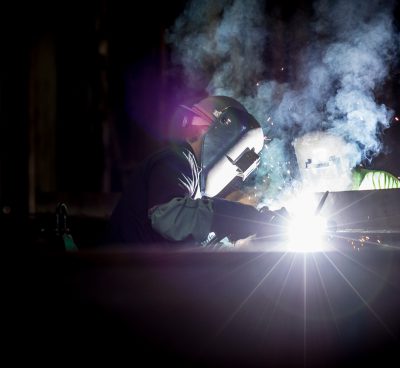
    Welding is a hugely important part of sheet metal fabrication operations at Premier Engineering & Storage Solutions.

    cnc cutting services

    CNC Brakepress

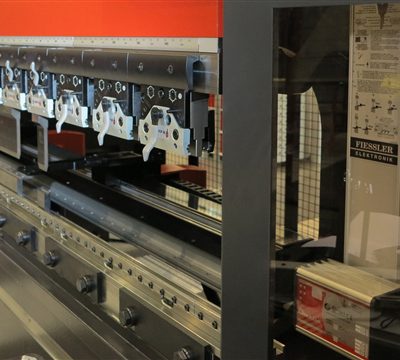
    With the acquisition of Amada’s latest HG Press Brakes we are able to achieve high precision parts quickly and efficiently first time.

    cnc punch

    CNC Punch

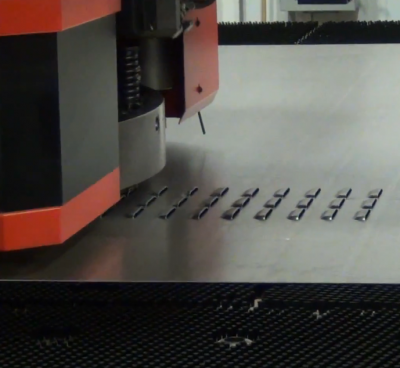
    Our Turret Punching provides fast and cost effective solutions to your punching needs.

    Every great sheet metal project has to start out somewhere.

    CAD

    Every great sheet metal project has to start out somewhere. A proper design must be made based on not only what a part will look like…

    CNC cutting services

    Prototyping

    A quality prototype will feature a strong physical design that creates an impression of what a final product is going to look like.

    sheet metal fabrications

    Fastener Insertion

    Our fasteners for your sheet metal manufacturing requirements are designed to be permanent, strong and easy to use.

    Powder Coating

    Powder coating is a process that entails a proper finish being added onto a sheet metal application. This is often used in the later stages…

    Plating, Anodising & Galvanising

    We work with the best sub-contractors for the plating, anodizing and galvanizing processes…

    cnc punching service

    Machining

    Machining is a necessity for all sheet metal manufacturing projects. Machining often entails the use of a variety of items…

    steel metal fabrications

    Screen Printing

    Screen printing is a process where a mesh material can apply ink onto a surface. It is often used on fabrics but it can also be used on sheet metal.

    Shelving Units and Storage Cabinets

    At Premier Engineering and Storage Solutions, we understand that businesses…

  • TIG Sheet Metal Welding: Ideal For Welding Thin Sheets

    Introduction:

    TIG (Tungsten Inert Gas) welding is a widely used welding procedure for sheet metal. This article explores the benefits of TIG welding, its applications, and the process involved in welding thin sheets.

    TIG Welding: The Ideal Choice for Thin Sheet Metal:

    TIG sheet metal welding is a precise arc welding method that utilizes a tungsten electrode and an inert gas, such as argon or helium, to protect the electrode. It is commonly used in both continuous and spot welding applications, especially in the aviation sector.

    Applications in Various Industries:

    Originally developed during World War II to replace rivets with welds in aircraft, TIG welding has found extensive use in the industrial sector. Its ability to produce high-quality joints makes it ideal for welding thin sheets.

    High-Quality Joints for Thin Sheets:

    Compared to traditional welding methods, TIG welding minimizes the risk of piercing the metal, resulting in high-quality joints. The process ensures precision and control while avoiding excessive heat input.

    The Process of TIG Welding for Sheet Metal:

    In TIG welding, a tungsten electrode is inserted into the torch, surrounded by a protective inert gas. The operator moves the torch along the joint, melting the edges of the metal with the electrode while adding filler material if necessary.

    Material Supply and Welding Technique:

    TIG welding allows for manual or mechanical material supply, depending on the specific requirements. It is particularly effective in welding thin stainless steel, where the edges are melted, and small amounts of filler material are added for reinforcement.

    Proper Torch Handling and Electrode Placement:

    Maintaining the correct distance between the tungsten electrode and the joint is crucial to ensure successful TIG welding. The operator must avoid direct contact between the electrode and the metal to prevent sticking and disruption of the welding process.

    Premier Engineering & Storage Solutions: Your Sheet Metal Expert:

    At Premier Engineering & Storage Solutions, we specialize in cutting-edge sheet metal manufacturing services. Our expertise extends to laser cutting, CNC cutting, and CNC punching. Additionally, we offer industrial shelving units, metal storage cabinets, and other storage solutions.

    Conclusion:

    TIG welding is a versatile and reliable method for welding thin sheet metal. Its ability to produce high-quality joints, combined with its widespread applications, makes it a preferred choice in various industries. Premier Engineering & Storage Solutions provides comprehensive sheet metal manufacturing services and storage solutions to meet your specific needs. Choose TIG welding for precision, durability, and excellence in sheet metal fabrication.

  • The Benefits of Sheet Metal Laser Cutting

    Industrial shelving is an essential component of modern storage solutions. With laser cutting technology, clean and precise cuts can be achieved on various sheet metal materials. This article explores the advantages of sheet metal laser cutting and highlights the benefits it offers for efficient storage solutions.

    High Precision Cuts:

    Achieve clean and precise cuts on sheet metal of any shape or size using laser cutting technology. The resulting cut edges are exceptionally clean and accurate, ensuring superior quality and craftsmanship.

    Minimal Maintenance Requirements:

    Industrial shelving equipped with laser cutting machines requires minimal maintenance due to the longevity of the equipment. This results in significant cost savings and allows for uninterrupted operations.

    Versatility in Material Options:

    Sheet metal laser cutting is compatible with a wide range of metallic materials, including iron, stainless steel, aluminum, and copper. This versatility allows for greater flexibility in material selection based on specific project requirements.

    Combustion and Fusion Cutting Processes:

    Sheet metal laser cutting utilizes two primary cutting processes. Combustion cutting employs oxygen, while fusion cutting uses inert gas to remove melted metal debris. Both methods provide effective and efficient results, depending on the desired outcome.

    State-of-the-Art Sheet Metal Manufacturing Services:

    At Premier Engineering & Storage Solutions, we specialize in state-of-the-art sheet metal manufacturing, offering laser cutting services, CNC cutting services, and CNC punching services. Our expertise lies in providing tailored solutions for sheet metal projects, ensuring high-quality results.

    Optimize Storage with Industrial Shelving Units:

    In addition to sheet metal services, we offer a wide range of industrial shelving units, including metal storage cabinets and shelving units. Our storage solutions are designed to maximize efficiency, organization, and accessibility, providing a streamlined approach to storage management.

    Conclusion:

    Industrial shelving, combined with sheet metal laser cutting technology, revolutionizes storage solutions by offering high precision, minimal maintenance requirements, and versatility in material options. Premier Engineering & Storage Solutions specializes in delivering cutting-edge sheet metal manufacturing services and storage solutions that meet the diverse needs of various industries.

    Upgrade your storage systems and experience the benefits of industrial shelving and sheet metal laser cutting today.

  • CNC Machine | Choosing the Right CNC Cutting Machine

    CNC Machine | Choosing the Right CNC Cutting Machine

    CNC machines are automated tools controlled by a computer that can perform a variety of manufacturing tasks with high precision and consistency. In the realm of cutting applications, several types of CNC machines are commonly used, each offering unique capabilities suited to different materials and project requirements. These include CNC laser cutters, CNC plasma cutters, CNC waterjet cutters, and CNC routers.

    • CNC Laser Cutting Machines: Utilize a focused lasers beam to cut through materials with high precision, making them ideal for intricate designs and thin materials.
    • CNC Plasma Cutting Machines: Employ an accelerated jet of hot plasma to cut through electrically conductive materials, suitable for thicker metals.
    • CNC Waterjet Cutting Machines: Use a high-pressure jet of water, often mixed with an abrasive substance, to cut through a wide variety of materials, including metals, stone, and composites.
    • CNC Router Cutting Machines: Typically used for cutting softer materials such as wood, plastics, and some metals, routers are versatile and capable of producing complex shapes.

    Importance of Selecting the Right CNC Machine

    Choosing the appropriate CNC machine for your sheet metal manufacturing needs is crucial to ensuring efficient production, high-quality output, and cost-effectiveness. The right machine can significantly impact your manufacturing process by:

    • Enhancing Precision and Quality: Different CNC machines offer varying levels of precision. Selecting a machine that matches your precision requirements ensures high-quality cuts and reduces material wastage.
    • Increasing Productivity: The cutting speed and automation capabilities of the CNC machine influence production rates. A machine that aligns with your production needs can maximize throughput and minimize downtime.
    • Cost Efficiency: Initial investment and operational costs vary among CNC machinees. Choosing the right one helps manage expenses by balancing upfront costs with long-term operational savings.

    Understanding Your Project Requirements

    Types of CNC Machines

    Assessing Material Types and Thickness

    When selecting a CNC cutting machine, it’s essential to consider the types of materials and their thicknesses that you will be working with. Different machines are optimized for different materials and thickness ranges.

    • Material Types: Identify the materials you commonly use in your projects. CNC laser cutters are excellent for thin metals and intricate designs, whereas plasma cutters are more suitable for thicker, conductive metals. Waterjet cutters can handle a wide variety of materials, including metals, composites, and stone.
    • Material Thickness: Determine the maximum and minimum thicknesses of the materials you plan to cut. CNC plasma and waterjet cutters are typically better suited for thicker materials, while laser cutters excel with thinner materials.

    Precision and Tolerance Needs

    Precision and tolerance are critical factors in sheet metal manufacturing, affecting the fit and function of the final product.

    • Precision Requirements: High-precision projects, such as those involving detailed patterns or components that must fit together precisely, may benefit from CNC laser cutting due to its fine cutting capabilities.
    • Tolerance Levels: Understand the acceptable tolerance levels for your projects. Tighter tolerances may require more advanced CNC machines with higher precision capabilities. Ensuring your machine can consistently meet these tolerances is vital for maintaining quality and reducing waste.

    Types of CNC Machines for Cutting

    CNC Laser Cutting Machines

    CNC laser cutting machines use a high-powered laser beam to cut materials with exceptional precision. The laser melts, burns, or vaporizes the material, leaving a clean, high-quality edge.

    • Features: High precision, ability to cut intricate designs, minimal material deformation.
    • Benefits: Ideal for thin materials and detailed work, produces clean cuts with minimal post-processing required.

    CNC Plasma Cutting Machines

    CNC plasma cutting machines use a jet of hot plasma to cut through electrically conductive materials. They are known for their ability to cut thick metals quickly and efficiently.

    • Overview: Suitable for cutting metals like steel, stainless steel, and aluminum.
    • Benefits: Fast cutting speeds, ability to cut thick materials, lower operational costs compared to laser cutters.

    CNC Waterjet Cutting Machines

    CNC waterjet cutting machines use a high-pressure stream of water, often mixed with an abrasive, to cut through a variety of materials. This method is versatile and can cut materials without generating heat, which can alter the material properties.

    • Advantages: Can cut a wide range of materials, including metals, stone, and composites, without heat-affected zones.
    • Applications: Used in industries requiring precise cuts in diverse materials, such as aerospace and automotive.

    CNC Router Cutting Machines

    CNC routers are versatile machines used for cutting softer materials like wood, plastics, and some metals. They are known for their ability to produce complex shapes and detailed work.

    • When to Use: Ideal for projects requiring detailed work in softer materials, such as cabinetry, sign making, and plastic fabrication.
    • Benefits: Versatility in materials, capability for intricate designs, relatively lower cost for soft material applications.

    Evaluating Cutting Speed and Efficiency

    sheet metal manufacturing

    How Cutting Speed Impacts Production

    Cutting speed is a crucial factor in determining the efficiency and productivity of your CNC cutting operations. Faster cutting speeds can lead to higher throughput and reduced production times.

    • Production Efficiency: High cutting speeds enable quicker completion of tasks, allowing for more parts to be produced in a shorter timeframe. This is particularly beneficial in high-volume manufacturing environments.
    • Material Considerations: Different materials respond differently to cutting speeds. For example, metals may require slower speeds for precision cuts, whereas plastics can be cut at higher speeds.

    Comparing Cutting Speeds of Different CNC Machines

    Each type of types of CNC machine has different cutting speeds, which affect their suitability for various applications.

    • Laser Cutters: Typically offer high precision but moderate cutting speeds, suitable for detailed and intricate cuts.
    • Plasma Cutters: Known for high cutting speeds, especially effective for cutting thicker metals quickly.
    • Waterjet Cutters: Offer moderate cutting speeds with the advantage of cutting a wide range of materials without heat.
    • Router Cutters: Speed varies based on material type and complexity of the design, generally faster for softer materials.

    Cost Considerations for CNC Machines

    Initial Investment and Operating Costs

    When selecting a CNC cutting machine, it’s essential to consider both the initial investment and ongoing operating costs. Different types of CNC machines have varying price points and operational expenses.

    • Initial Investment: The upfront cost of purchasing a CNC machine can vary significantly depending on the type and complexity of the machine. For example, CNC laser cutters tend to be more expensive than plasma or router cutters due to their advanced technology and precision capabilities. Waterjet cutters also have a high initial cost due to their versatility and the need for high-pressure pumps.
    • Operating Costs: Beyond the purchase price, consider the operating costs, which include energy consumption, maintenance, consumables (like cutting fluids or gases), and labor. For instance, plasma cutters require a constant supply of gases, while waterjet cutters need abrasive materials. Laser cutters consume significant power and may require more frequent maintenance due to their complexity.

    Long-Term Cost Efficiency

    Evaluating the long-term cost benefits of different CNC machines is crucial for making a cost-effective investment.

    • Durability and Lifespan: Some CNC machines, like those designed for heavy-duty applications, may have a longer lifespan and higher durability, leading to lower long-term replacement costs. Investing in a robust machine can save money over time by reducing the frequency of replacements.
    • Energy Efficiency: Machines that consume less energy can significantly reduce operational costs. For example, newer models of CNC laser cutters are often more energy-efficient than older ones, providing long-term savings on electricity bills.
    • Maintenance and Repair Costs: Machines that require less frequent maintenance or have lower repair costs can be more cost-effective in the long run. Consider the availability of spare parts and the ease of finding qualified technicians to service the machine.

    Software and Compatibility

    sheet metal manufacturing

    Importance of CNC Software in Sheet Metal Manufacturing

    CNC software plays a critical role in controlling and optimizing the performance of CNC machines. It translates design files into machine-readable code, allowing for precise and efficient cutting.

    • Control and Precision: Advanced CNC software provides better control over cutting parameters, such as speed, depth, and path. This ensures higher precision and consistency in cuts, which is vital for sheet metal manufacturing.
    • Optimization: Good software can optimize cutting paths and nesting, reducing material waste and increasing efficiency. It also allows for real-time adjustments and monitoring, enhancing overall productivity.

    Compatibility with Existing Systems

    Ensuring that your new CNC machine integrates well with your existing software and systems is essential for a seamless operation.

    • Software Integration: Check if the CNC machine is compatible with your current CAD/CAM software. Compatibility ensures that you can continue using your existing design files and workflows without significant changes.
    • System Upgrades: Sometimes, integrating a new CNC machine may require upgrading your software or systems. Consider the costs and effort involved in these upgrades when making your decision.

    Maintenance and Support

    Maintenance Requirements for Different CNC Machines

    Each type of CNC cutting machine has specific maintenance needs to ensure optimal performance and longevity.

    • Laser Cutters: Require regular cleaning of lenses and mirrors, checking and adjusting beam alignment, and replacing consumables like gas and optics as needed.
    • Plasma Cutters: Need periodic inspection and replacement of consumables such as nozzles and electrodes, as well as checking the gas supply system.
    • Waterjet Cutters: Maintenance involves monitoring the high-pressure pump, replacing seals and nozzles, and ensuring the abrasive feed system is functioning correctly.
    • Router Cutters: Require routine inspection of cutting bits, cleaning and lubrication of moving parts, and ensuring the spindle is in good condition.

    Access to Technical Support and Spare Parts

    Reliable technical support and availability of spare parts are critical for maintaining the efficiency and uptime of your CNC machine.

    • Technical Support: Choose a CNC machine provider that offers robust technical support, including remote assistance, on-site service, and comprehensive training for your operators.
    • Spare Parts Availability: Ensure that spare parts are readily available and can be quickly sourced when needed. This minimizes downtime due to maintenance and repairs, keeping your production line running smoothly.

    Conclusion

    Selecting the right CNC cutting machine involves considering several critical factors, including the types of CNC machines, project requirements, cutting speed and efficiency, cost considerations, software compatibility, and maintenance needs. Each of these factors plays a vital role in determining the most suitable machine for your sheet metal manufacturing needs.


  • How Industrial Shelving Units Improve Warehouse Organisation

    How Industrial Shelving Units Improve Warehouse Organisation

    In today’s warehouses, maximising space is crucial for keeping operations smooth and efficient. Industrial shelving units play a key role in this by allowing businesses to use both vertical and horizontal space effectively. By stacking products upwards, warehouses can free up floor space and store more inventory without needing to expand their physical footprint. This vertical optimisation helps reduce clutter, making the space more navigable and organised.

    Why Organisation is Key in Modern Warehousing

    Effective organisation is at the heart of any successful warehouse operation. With proper organisation, employees can quickly locate products, which shortens order fulfilment times and increases overall efficiency. Poorly organised warehouses, on the other hand, can lead to delays, errors, and even safety risks.

    Enhancing Inventory Management with Industrial Shelving Units

    sheet metal manufacturing

    Using Shelving for Organised Stock Control

    Stock control is an essential aspect of warehouse management, and industrial shelving units are designed to streamline this process. By keeping stock organised and easily accessible, warehouses can maintain better control over their inventory. Whether you need to store raw materials, finished products, or even equipment, industrial shelving units provide a structured environment that supports better stock management.

    Labelled shelves and sections make it easier to track where products are located, and adjustable shelving can be modified to accommodate various item sizes. For warehouses that handle a high volume of inventory, having an organised system of shelving is critical for smooth operations.

    Improving Accessibility and Speed with Proper Shelving Layout

    A well-thought-out shelving layout is vital for improving the efficiency of picking and packing processes. By arranging metal storage cabinets and open shelving strategically, warehouses can create an optimal flow of movement that minimises unnecessary steps for workers. Items that are frequently picked can be placed on easily accessible shelves, while less commonly used products can be stored higher up.

    Integrating metal storage cabinets for more valuable or sensitive items can also enhance security while keeping them organised. A combination of both open shelving and metal storage cabinets ensures that each type of product has a designated, secure place. This leads to faster pick times, fewer mistakes, and a more streamlined workflow overall.

    The Importance of Choosing the Right Material for Shelving

    How Sheet Metal Manufacturing Affects Durability

    The durability of your shelving units is determined largely by the materials used in their construction. Sheet metal manufacturing plays a significant role in producing sturdy, long-lasting industrial shelving units that can withstand heavy loads and frequent use. Shelves made from sheet metal are designed to resist wear and tear, making them ideal for industrial environments where durability is a top priority.

    Sheet metal manufacturing allows for the creation of robust shelving that can support substantial weight, ensuring that your shelves don’t bend, warp, or break under pressure. Investing in high-quality, sheet metal shelving not only enhances safety but also reduces the need for frequent replacements, saving time and money in the long run.

    Metal Storage Cabinet vs. Traditional Shelving

    When comparing metal storage cabinets to traditional open shelving units, it’s clear that both have their advantages depending on your storage needs. Metal storage cabinets offer secure, enclosed storage that protects valuable or sensitive items from dust, damage, and unauthorised access. They are perfect for storing tools, hazardous materials, or confidential documents that require a higher level of security.

    On the other hand, traditional open shelving is ideal for items that need to be accessed frequently and quickly. By combining both metal storage cabinets and open shelving units, warehouses can create a balanced storage solution that accommodates a wide range of products, ensuring both security and accessibility.

    Maximising Space Efficiency with Metal Storage Cabinets

    metal storage cabinet

    Why Metal Storage Cabinets Are Essential for Safe Storage

    In addition to open shelving, metal storage cabinets are essential for providing secure storage in industrial environments. These cabinets are particularly useful for storing items that need to be locked away for safety or security reasons, such as hazardous materials, chemicals, or high-value tools. The sturdy construction of metal storage cabinets, often manufactured through sheet metal manufacturing, ensures that they can withstand tough conditions while keeping their contents safe.

    These cabinets come in a variety of sizes and configurations, allowing warehouses to store both small and large items in a safe and organised manner. Their enclosed design also protects items from dust, moisture, and other environmental factors, ensuring that sensitive products are preserved in optimal condition.

    How to Integrate Cabinets with Open Shelving for a Seamless Layout

    For the best results, integrating metal storage cabinets with open shelving units creates a comprehensive storage system that maximises both space and organisation. By placing metal storage cabinets along the walls or in dedicated sections of the warehouse, you can store sensitive or high-value items securely, while using open shelving for more general, everyday stock.

    The key to a seamless layout is ensuring that the two systems complement each other. Keep frequently accessed items on open shelving at convenient heights, while using metal storage cabinets for less frequently used or more valuable items that require added protection. This balance not only maximises space but also improves workflow by keeping everything organised and easily accessible.

    How Customised Industrial Shelving Units Improve Workflow

    Tailoring Shelving to Fit Warehouse Layout

    Every warehouse has its own unique layout and storage requirements, and customised industrial shelving units are a game-changer when it comes to improving workflow. By tailoring shelving systems to match the specific layout of your warehouse, you can optimise both space and efficiency. Customisation allows you to create shelving that fits perfectly within your floor plan, ensuring that aisles are wide enough for safe navigation, and that storage areas are accessible to all workers.

    For warehouses that handle a variety of products—from bulky items to small components—customised shelving ensures that you’re making the most of your available space. By working with a provider that understands your needs, you can design shelving units that cater to different storage requirements, ultimately reducing the time workers spend searching for or retrieving items.

    Adapting Shelving Units for Various Storage Needs

    Flexibility is one of the greatest advantages of customised industrial shelving units. Whether you’re storing large machinery parts, delicate items, or sheet metal manufacturing components, adjustable shelves allow you to adapt your storage to fit a wide range of items. This versatility is crucial for warehouses that need to store both heavy and lightweight products in the same area.

    Improving Safety with Properly Organised Shelving Units

    metal storage cabinets

    The Role of Shelving in Preventing Accidents

    Safety is a top priority in any warehouse, and well-organised industrial shelving units play a vital role in preventing accidents. Cluttered walkways, poorly stacked items, and unstable shelving can all lead to dangerous situations, such as falling objects or slips and trips. Properly installed and organised shelving ensures that items are securely stored, reducing the likelihood of accidents caused by misplaced or unstable products.

    Strategically organising your shelving system can also prevent accidents by keeping heavy items closer to the ground and ensuring that lighter items are stored higher up. This simple practice not only improves safety but also makes it easier for workers to access the items they need without risking injury.

    Safety Tips for Storing Heavy Items on Metal Storage Cabinets

    When it comes to storing heavy materials, metal storage cabinets are essential for maintaining safety. These cabinets are designed to handle significant weight without bending or collapsing, making them ideal for warehouses that store heavy equipment, tools, or components. However, to ensure safety, it’s important to follow best practices when using metal storage cabinets.

    First, always distribute weight evenly across the shelves to prevent tipping or collapsing. Heavier items should be placed on lower shelves to reduce strain on the unit and prevent toppling. Additionally, ensure that cabinets are securely anchored to the floor or wall, particularly if they are tall or store heavy materials. This extra step adds an additional layer of safety, especially in busy warehouses where accidents can happen quickly.

    Increasing Productivity Through Better Warehouse Organisation

    How a Well-Organised Space Boosts Productivity

    The organisation of your warehouse directly impacts productivity. By utilising industrial shelving units that are tailored to your specific needs, you can reduce the amount of time spent searching for items, improving the overall workflow. When products are clearly labelled and stored in logical, easy-to-access locations, workers can retrieve them faster, leading to quicker order processing and reduced downtime.

    A well-organised warehouse allows for smoother operations, reduces bottlenecks in picking and packing, and minimises errors that can occur when stock is difficult to locate. With the right shelving systems in place, you can significantly boost your warehouse’s efficiency and meet the demands of your business more effectively.

    Organising Stock for Fast Access and Easy Retrieval

    To maximise efficiency, it’s important to organise stock based on usage frequency. By using industrial shelving units to group frequently accessed items together, you can reduce the time spent retrieving products. For example, placing fast-moving items on lower shelves, where they are easily accessible, speeds up the picking process. Meanwhile, less frequently used items can be stored higher up or in areas further from the main workflow.

    Integrating metal storage cabinets for sensitive or valuable products ensures that they are stored securely while still being easy to access when needed. Proper labelling, clear aisles, and a well-thought-out shelving layout contribute to faster stock retrieval, reducing errors and improving overall warehouse productivity.

    Why Industrial Shelving Units Are Essential for Modern Warehouses

    industrial shelving units

    Summing Up the Benefits of Industrial Shelving Units

    In today’s fast-paced warehouse environments, the right storage solutions are key to maintaining efficiency, safety, and productivity. Industrial shelving units provide the flexibility, durability, and customisation needed to optimise space, improve stock organisation, and streamline workflows. By incorporating tailored shelving systems into your warehouse layout, you can ensure that products are stored safely, accessed quickly, and managed effectively.

    How Sheet Metal Manufacturing and Metal Storage Cabinets Enhance Efficiency

    When durability and strength are a priority, sheet metal manufacturing plays an important role in creating shelving systems that stand the test of time. Metal storage cabinets, crafted through sheet metal manufacturing, offer secure storage for sensitive or valuable items while integrating seamlessly with other shelving solutions. Together, these materials contribute to a storage system that is both versatile and robust, ensuring that your warehouse remains organised and efficient for years to come.