Choosing a laser-cutting provider involves more than finding the lowest price or the closest workshop. The right supplier must be able to process your chosen material, work to the required tolerances, understand your drawings and complete any additional fabrication needed after cutting.
People searching for laser cutting Sydney services may need anything from a single prototype to a large production run. Some projects involve simple flat components, while others require bending, welding, machining, coating or assembly. Knowing which questions to ask will help you compare providers properly and avoid delays, unsuitable materials or unexpected costs.
Identify the material, thickness and dimensions
Before contacting a supplier, write down the basic details of your project. Start with the material, grade, thickness, overall dimensions and number of parts required. If your project contains several different components, identify the quantity needed for each one.
Material descriptions should be as specific as possible. For example, “3 mm stainless steel” is more useful than simply asking for “metal cutting.” If the grade or finish matters, include that information as well. The supplier may need to know whether the part will be used indoors, outdoors, around food, near chemicals or in another demanding environment.
You should also confirm whether you will supply the material or expect the cutting company to source it. Supplier-provided material may simplify ordering, but the available grades, thicknesses and sheet sizes can vary. If you plan to provide your own sheets, ask whether customer-supplied materials are accepted and whether extra material is needed for setup or test cutting.
Accurate dimensions are equally important. A drawing should show the overall size, hole locations, slot dimensions and any features that need special attention. If the project must fit inside an existing enclosure, machine or assembly, tell the supplier which measurements are critical.
Consider how the finished part will be used
The purpose of the component helps determine whether laser cutting is the right process. A decorative panel, machine guard, electrical enclosure and structural bracket may all require different materials, tolerances and finishes.
For functional parts, think about load, heat, moisture, corrosion, vibration and regular wear. A component used outdoors may need corrosion-resistant material or a protective coating. A visible architectural panel may require greater attention to surface protection and edge appearance. A part that will be welded into an assembly may need tabs, slots or locating features to make fabrication easier.
This early planning can also reveal whether the project requires more than flat cutting. If the component needs folds, threads, inserts or welded joints, it is often easier to discuss the complete fabrication process before the drawing is finalized. A supplier may be able to identify design changes that reduce unnecessary operations or make assembly more practical.
Check Which Materials and Thicknesses Can Be Cut
Not every laser cutter processes the same materials. The machine type, power, extraction system and workshop setup all influence what a provider can safely and effectively cut.
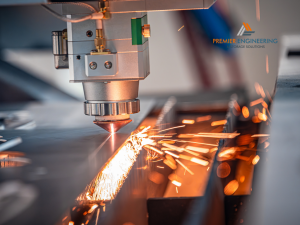
Industrial fiber laser systems are commonly used for sheet metals such as mild steel, stainless steel and aluminum. Depending on the equipment and setup, a provider may also process other metals. However, capability should always be confirmed for the exact grade and thickness rather than assumed from a general service description.
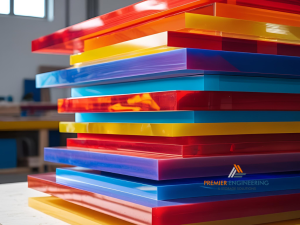
Acrylic requires a different discussion. People searching for acrylic laser cutting Sydney services should check whether the provider operates equipment designed for acrylic and other non-metal materials. A workshop specializing in industrial metalwork may use a fiber laser, while acrylic is commonly processed with laser. The quality of the edge can also depend on the acrylic type, thickness, color and protective film.
Other materials can create fumes, fire risks or poor cutting results, so a responsible provider will not accept every sheet product. If the material is unusual or its composition is uncertain, provide the technical data sheet and ask whether a test cut is necessary.
Ask about sheet size and thickness capacity
A supplier may be able to cut the correct material but still lack the bed size or power needed for your particular job. Ask about the maximum sheet dimensions, supported thickness range and any limits affecting long, wide or heavy components.
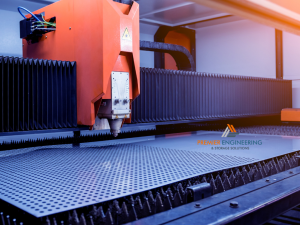
An industrial steel cutting machine may process both thin sheet and heavier plate, but achievable speed and edge quality will change with thickness. A thicker component can require slower cutting, different assist gases and more time for piercing. Very small features can also become difficult when their dimensions are too close to the material thickness.
You should therefore avoid choosing a provider based only on the maximum thickness shown on its website. Ask whether the required material and thickness can be processed to the edge quality and dimensional tolerance your project needs. A machine’s theoretical maximum is not always the most practical production range for every design.
Sheet size can also affect cost. If a large component does not fit within the available cutting bed, it may need to be divided into sections and joined later. That can add welding, finishing and inspection work. Discussing these limits early can prevent substantial redesign after a quote has been prepared.
Compare Laser and CNC Cutting Equipment
Understand how the cutting technology affects the result
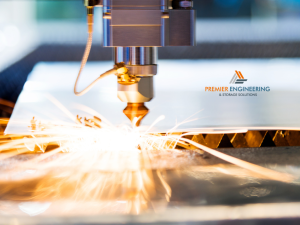
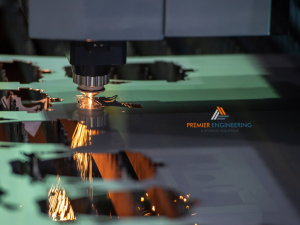
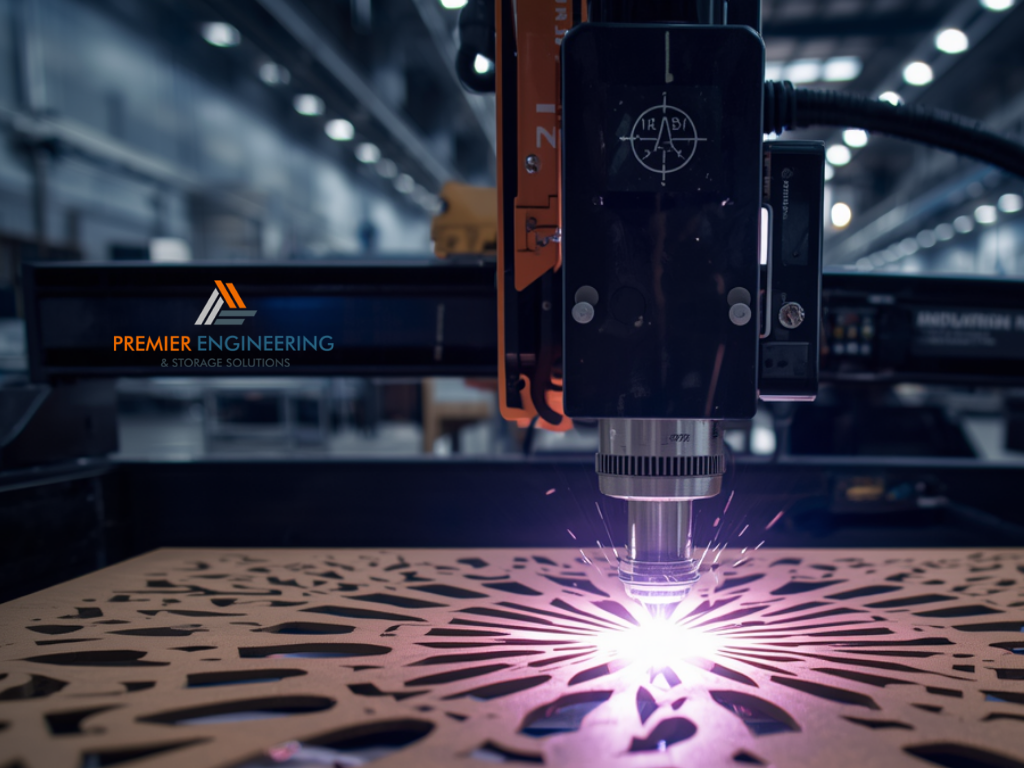
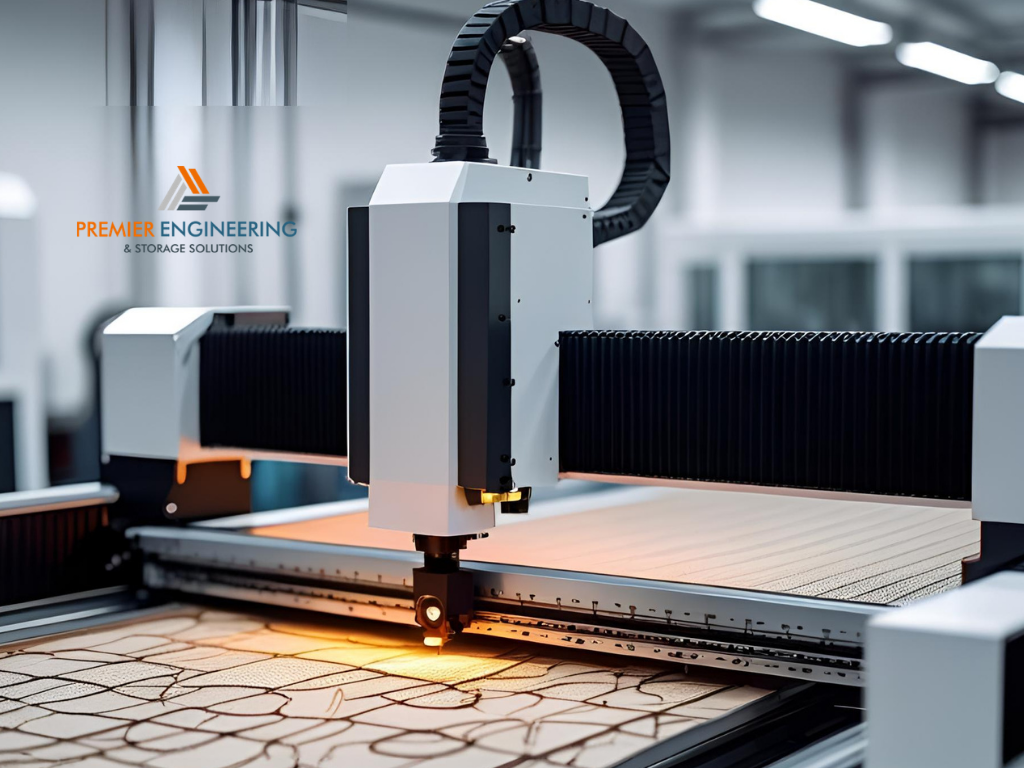
Laser cutting uses a focused beam to follow a programmed path through the material. Because the movement is digitally controlled, the process can produce repeatable shapes, holes, slots and detailed profiles without a dedicated cutting tool for every design.
However, the presence of a laser does not automatically guarantee the same result from every workshop. Machine type, power, maintenance, programming, cutting gas and operator experience can all influence the finished component. Modern equipment may improve processing speed and consistency, but it must still be matched with suitable settings for the material.
Ask the provider what equipment will be used and why it suits your project. For metal work, this may include the machine’s ability to handle the specified sheet size and thickness. Premier Engineering, for example, identifies an 3 kW machine within its laser-cutting capability. Equipment information like this gives customers something specific to discuss, although the provider should still confirm suitability for each drawing, material and tolerance.
The condition of the material also matters. Warped, corroded, painted or heavily scratched sheets can affect setup and the final appearance. If surface quality is important, ask how sheets are handled and whether protective film can remain in place during processing.
Know when another CNC process may be more suitable
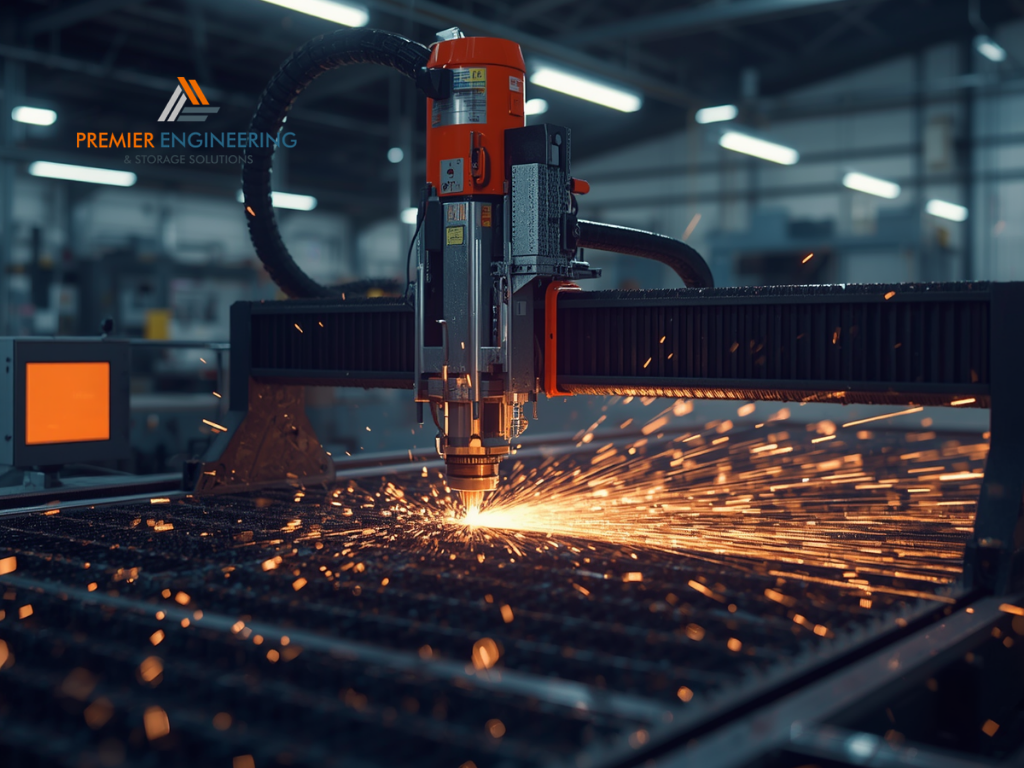
A CNC cutting machine follows computer-generated instructions, but not every CNC system uses a laser. CNC punching, routing, plasma cutting, water jet cutting and machining serve different purposes.
Laser cutting is often suitable for detailed sheet profiles and repeatable metal components. CNC punching may be efficient for sheet-metal parts with repeated holes, slots or formed features. Routing is commonly associated with suitable timber, plastics and composite sheet products, while water jet cutting can process a broad range of materials without creating a heat-affected cutting zone. Machining may be required when the job involves pockets, threads, complex three-dimensional features or highly controlled surfaces.
When comparing CNC cutting services, describe the required outcome instead of requesting a process solely because its name is familiar. A knowledgeable supplier should be able to explain why a particular method suits the material, geometry, volume and finish.
Customers looking for CNC cutting services Western Sydney may also benefit from choosing a provider that offers several related processes. This can reduce the need to transport components between separate workshops, although the final decision should still be based on capability, quality requirements and overall project value.
Review Accuracy, Tolerances and Quality Controls
Tolerance describes how much a finished measurement may vary from the specified dimension. Not every feature requires the tightest possible tolerance, and requesting unnecessary precision can increase production difficulty and cost.
Mark critical dimensions clearly on the drawing. These may include mounting holes, slots used for assembly, clearances around moving parts or external dimensions that must fit another component. Less important edges may be suitable for general fabrication tolerances.
It is also important to understand that the cutting path is only one source of variation. Material thickness, heat, flatness, internal stresses and later fabrication processes can affect the final component. Bending can change the relationship between holes and edges, while welding may introduce distortion. If a tolerance applies after bending, welding or coating, make that clear rather than treating the laser-cut blank as the finished part.
Small holes and narrow gaps deserve particular attention. Features that are very small in relation to material thickness may not cut cleanly or may require another process. Instead of assuming the drawing is production-ready, ask the supplier to review minimum hole sizes, narrow sections, closely spaced cuts and sharp internal corners.
Ask how quality is checked
A reliable quotation should be based on a reviewed drawing rather than a brief verbal description alone. The provider should clarify missing information before production begins, particularly where dimensions, tolerances, material grades or finishes are uncertain.
For repeat or high-volume work, ask how the first completed part is checked before the remaining quantity is produced. Depending on the project, inspection may involve measuring overall dimensions, hole positions or other nominated features. If you require a material certificate, inspection record or another form of documentation, discuss it before accepting the quote.
Revision control is another important quality issue. File names such as “final,” “new final” and “latest” can easily create confusion. Give each drawing a clear part number and revision, then confirm which revision is approved for manufacture. If the design changes after quoting, request an updated price and written confirmation before production continues.
These checks are especially important when one component will be reproduced over time. A controlled drawing, confirmed material specification and agreed inspection approach make future orders easier to compare and repeat.
Compare Design Support, Lead Times and Additional Services
Find out whether your files are ready for production
Most laser-cutting workshops prefer a clean, full-scale vector or CAD file. Laser-cutting files are commonly used for two-dimensional profiles, although accepted formats differ between suppliers. A PDF may help explain dimensions and notes, but it may not replace a production-ready cutting file.
Before submission, check that the drawing is at the correct scale and uses the intended units. Remove duplicate lines, close open profiles and identify any lines that represent bends, engraving or reference information rather than through-cuts. The material, thickness, quantity and revision should also be stated clearly.
If you only have a sketch, sample part or concept, ask whether the company provides design or drafting support. This is different from simply converting a file. Design support may involve developing the part, checking how it will be manufactured and preparing suitable drawings. Premier Engineering lists design and prototyping among its manufacturing capabilities, making it relevant to discuss the project before committing to production when further development is required.
Clarify who is responsible for approving the final drawing. Even when a supplier helps prepare a file, the customer should review dimensions, material, quantities and functional requirements before manufacture.
Look beyond the initial cutting stage
A laser-cut blank may be only the first step in producing a finished component. Depending on the job, you may also need press-brake bending, machining, fastener insertion, welding, powder coating, plating, anodizing, galvanizing, screen printing or assembly.
Using one provider for compatible stages can simplify communication and reduce transport between workshops. It can also allow the supplier to plan the order of operations. For example, holes or slots may need to be cut before bending, while the selected finish may affect allowable dimensions or masking requirements.
Premier Engineering publicly lists services including CNC punching, press-brake bending, welding, powder coating and several finishing options. Customers should still confirm which services are completed for their particular project, whether any work is outsourced and how that affects lead time.
When comparing turnaround times, ask what the estimate includes. A quoted lead time for cutting alone may not cover drawing preparation, material ordering, coating, assembly or delivery. It is also useful to distinguish between the expected production period and a guaranteed completion date. If the project has a fixed deadline, state it when requesting the quote rather than after the order is placed.
Choose the Right Laser Cutting Service for Your Project
A low initial price may not represent the best value if it excludes material, setup, finishing, inspection, packaging or delivery. Ask each provider to quote from the same drawing and scope so the offers can be compared fairly.
Check whether the provider can process the required material and thickness, meet the nominated tolerances and supply the full quantity. Then consider drawing support, secondary fabrication, quality checks, communication and lead time. A supplier that identifies a drawing problem before production may provide more value than one that simply accepts an incomplete file.
For laser cutting Sydney projects, local capability can be especially helpful when a physical sample needs to be inspected, a prototype must be collected quickly or a complex design requires direct discussion. However, location should not replace technical suitability. A nearby company is only the right choice if it can meet the project requirements.
Trust should come from clear, verifiable information. Look for a physical business address, specific equipment or capability details, clear contact information and service pages that explain what the company does. Ask direct questions if important details are missing. Avoid relying solely on general claims such as “high quality” or “fast service” without confirming what they mean for your order.
Consider location, collection and delivery
Customers searching for laser cutting Western Sydney services may prefer a workshop close to their business, construction site or assembly facility. Shorter travel can make it easier to deliver samples, inspect prototypes or collect urgent parts.
Premier Engineering is based in Ingleburn in Sydney’s south-west, so it may be practical for businesses operating around the Macarthur and Western Sydney regions to include the company when comparing suitable providers. Its location alone should not determine the decision; material capacity, manufacturing processes, tolerances and scheduling should also be confirmed.
Ask whether the quote includes collection or delivery and how completed parts will be packed. Thin sheets, finished surfaces and detailed components may need protection from scratching, bending or movement during transport. Large or heavy items may require pallets, suitable lifting access or specialized freight.
Delivery coverage can also affect timing. Confirm whether the provider delivers directly, uses a courier or requires customer collection. If parts are going straight to another fabricator, coating facility or job site, provide the correct address and receiving conditions before dispatch.
Know When to Contact a Cutting and Fabrication Company

Ask for advice before finalizing complex designs
Contact a supplier early if you are unsure about material selection, thickness, achievable tolerances, minimum feature sizes or the most suitable manufacturing method. Early technical input can prevent a design from being completed around assumptions that the chosen process cannot support.
It is also worth making contact before finalizing a component that requires bending, welding, inserts or coating. These later operations can influence hole positions, bend allowances, clearances and surface requirements. Considering them only after the flat part has been cut may lead to rework.
A conversation is particularly useful when you have a physical sample but no drawing, need help developing a prototype or want to move from a small batch to repeat production. In these situations, ask what information the company needs to assess the job and whether design assistance is available.
For projects that combine cutting with broader design and fabrication support, you can contact Premier Engineering to discuss whether its available processes suit the required material, dimensions, quantity and finish. The company should review the project details before confirming capability, cost or delivery.
Supply enough information for an accurate quote
A useful quote begins with a clear scope. Send the latest drawing together with the material type, grade and thickness. Include the required quantity, critical tolerances, finish, delivery location and preferred completion date. If there are several parts, identify each component with a separate part number and revision.
Explain whether the quote should cover cutting only or a finished assembly. Mention bending, welding, fasteners, machining, coating, printing, packaging or delivery where required. If you expect the provider to supply material, state this clearly.
You should also describe the intended use if it affects manufacturing. The supplier does not need unnecessary background, but it should know when a part has a critical fit, visible finish, outdoor application or special handling requirement.
Choosing a laser-cutting service becomes much easier when you compare providers using the same complete information. Start with material and design suitability, confirm equipment capacity and tolerances, review the full fabrication process, and then compare price, lead time and location. When these details are clear, you are more likely to receive a quote that reflects the actual work and a finished result suited to its intended purpose.