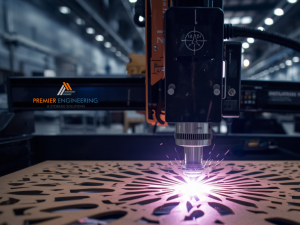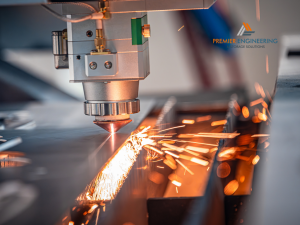
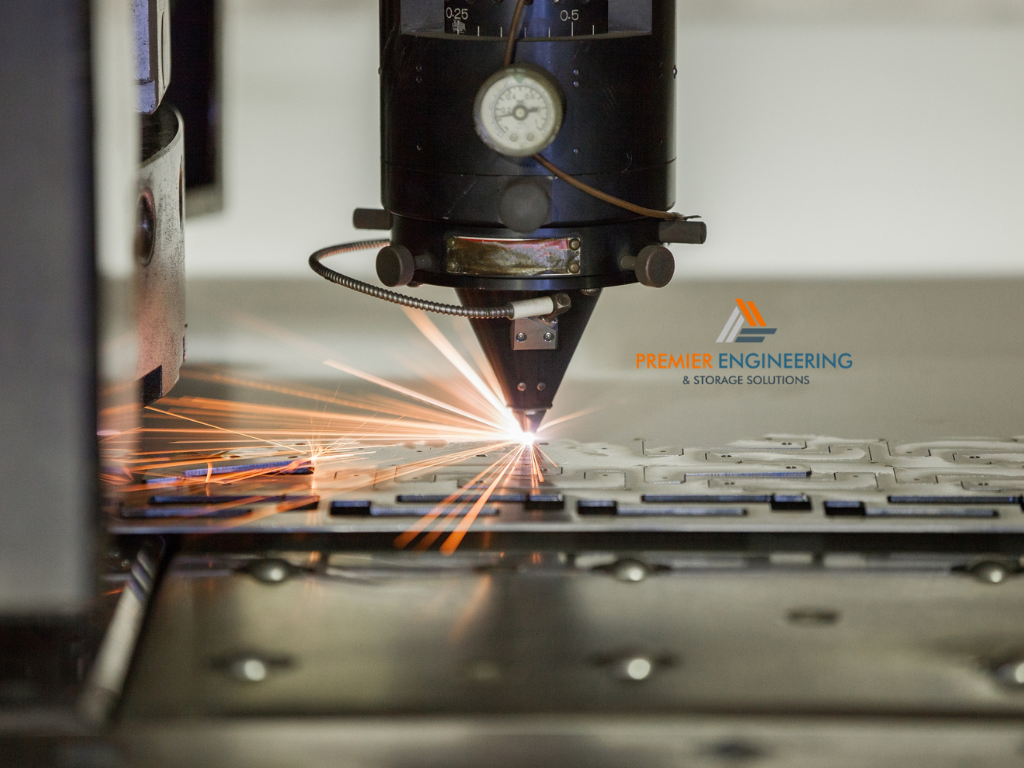
Choosing cnc cutting services should start with the project details, not only the cutting price. The right service depends on the material, thickness, drawing quality, tolerance, finish, quantity, and how the finished part will be used.
For many Australian businesses, CNC cutting can help turn a digital drawing into a usable part. It may support sheet metal panels, brackets, guards, covers, enclosures, stainless steel components, prototypes, and production parts.
However, not every job needs the same cutting method. A one-off prototype, a stainless steel panel, a production sheet with repeated holes, and a folded bracket may all need different planning. This is why clear project details help the supplier recommend the right process.
Understand the part, material, and purpose
Before contacting a supplier, think about what the part needs to do. Is it decorative, structural, protective, functional, or part of a larger assembly? Will it be used indoors or outdoors? Does it need holes, slots, folds, fixing points, welding, coating, or a specific edge finish?
The material also matters. Mild steel, stainless steel, aluminium, and other materials can behave differently during cutting and finishing. Thickness, grade, surface finish, and heat sensitivity can all affect the result.
If the part needs to meet a specific tolerance, safety requirement, load-bearing use, or industry standard, this should be explained early.
Avoid choosing a process too early
Many customers start by asking for CNC cutting because it is the process they know. In some cases, this is the right choice. In other cases, a cnc punching service, folding, welding, deburring, or full cnc sheet metal fabrication may suit the job better.
For example, a custom flat profile may suit CNC cutting. A sheet metal part with many repeated holes may suit punching. A finished bracket may need cutting first, then bending on a press brake. A stainless steel panel may need edge finishing or coating after cutting.
A good supplier should help match the process to the result you need, rather than forcing one method onto every project.
Common Projects That Need CNC Cutting
CNC cutting supports a wide range of commercial, industrial, construction, and manufacturing projects. It is often used when a customer needs accuracy, repeatability, custom profiles, or parts made from a digital drawing.
The best result usually comes from clear drawings, suitable material, and early discussion about the final use of the part.
Sheet metal parts, brackets, and panels
CNC cutting can support sheet metal parts such as brackets, guards, covers, plates, panels, enclosures, frames, signage components, machine parts, and custom fabrication pieces.
For example, a builder may need metal plates or custom panels. A manufacturer may need repeat parts for equipment. A maintenance team may need replacement guards or brackets. A designer may need decorative metal profiles or display components.
If the part needs to be folded, welded, coated, or assembled, those details should be discussed before cutting begins. This helps the supplier plan the full workflow instead of only cutting the flat shape.
Prototypes, repeat parts, and production runs
CNC cutting can also support prototypes and repeat parts. A prototype may help test fit, shape, and function before a larger order is made. A repeat part may need consistent dimensions and clear revision control.
For small batches, the supplier may need to review setup time, material use, nesting, and finishing needs. For repeat production, clear drawings and revision numbers become even more important.
This is why customers should keep records of approved drawings, material specifications, and previous order details. It makes future orders easier to repeat.
How CNC Cutting Compares with CNC Punching
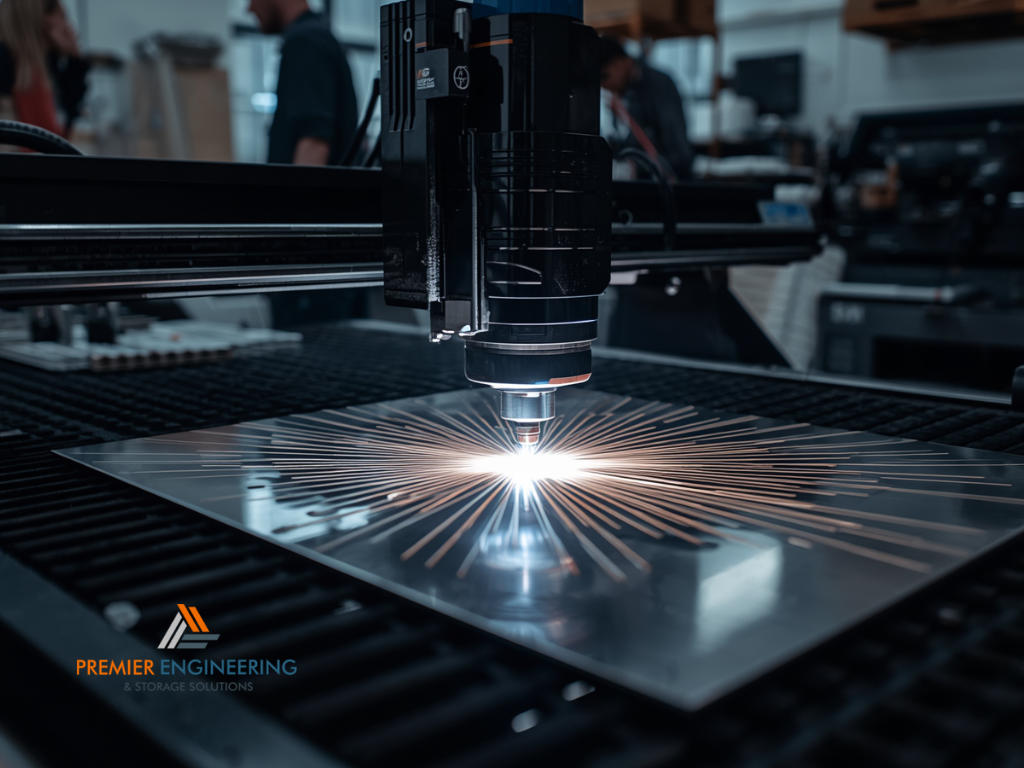
CNC cutting and CNC punching can both support sheet metal projects, but they are not the same process. The best option depends on the design, material, quantity, hole pattern, tolerance, and finish requirements.
Understanding the difference can help customers avoid delays and choose the right service from the start.
When CNC cutting is a practical choice
CNC cutting is often a practical choice when the part needs custom outlines, detailed profiles, small batches, mixed designs, or flexible cutting from a digital file.
It can suit brackets, panels, covers, enclosures, signage components, machine guards, and prototype parts. It can also help when a design changes during development because the digital file can be updated before production.
However, material type and thickness should always be confirmed. Not every cutting method suits every material or finish.
When a cnc punching service may be better
A cnc punching service may be useful for sheet metal parts that need repeated holes, slots, perforations, louvers, or patterns. Punching may be suitable when the design includes many repeated features and the tooling suits the job.
For example, a ventilation panel, perforated sheet, or repeated bracket design may be worth reviewing for punching. However, punching is not always better than cutting. It depends on the design, material, quantity, tooling, and finish.
The supplier should review the drawing and recommend the method that suits the part.
What to Know About Materials and Machine Capability
Material choice affects the result of any CNC cutting job. The same design may behave differently depending on whether it is made from mild steel, stainless steel, aluminium, or another material.
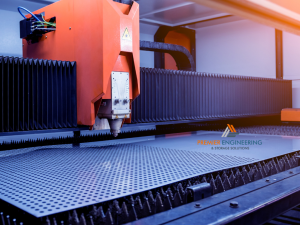
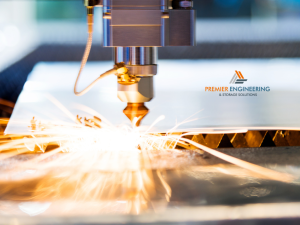
Machine capability also matters. A cnc cutting machine can only produce the right result when the material, file, setup, tooling, and cutting method are suitable for the job.
Working with cnc stainless steel and other metals
cnc stainless steel work needs careful planning because stainless steel grade, thickness, finish, and end use can affect the final result. Some projects may need corrosion resistance, easy cleaning, food-related suitability, visual finish, or outdoor durability.
Before ordering, confirm the grade and thickness required. If the stainless steel part must meet a specific industry, safety, hygiene, or structural requirement, the specification should be checked before production.
Other metals may also need specific planning. Aluminium, mild steel, and coated materials can have different cutting and finishing needs.
How a cnc cutting machine affects the result
A cnc cutting machine follows programmed paths from a digital drawing or machine file. However, the final result still depends on correct setup, material handling, tooling, machine capability, and operator review.
Small details can matter. Hole sizes, narrow sections, internal corners, bend allowance, part spacing, and duplicate cut lines can all affect production. The supplier may need to adjust the file, discuss tolerances, or suggest a design change before cutting.
This is why drawing review is important. A clear file helps reduce errors and makes quoting easier.
Choosing the Right Product or Service
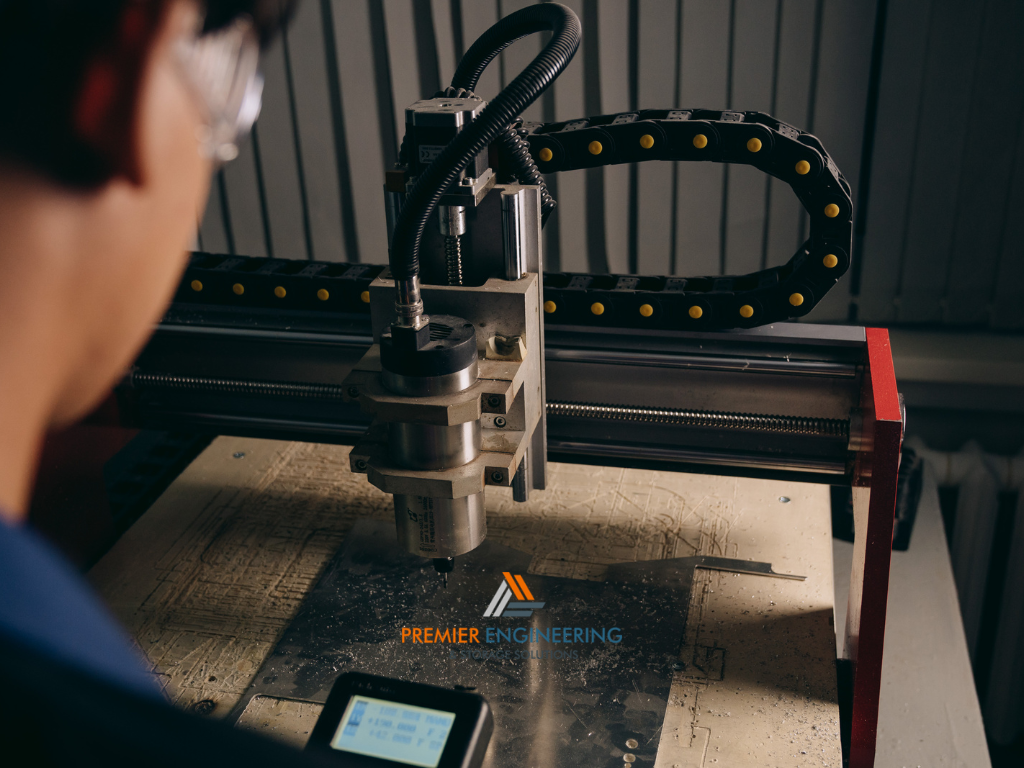
Choosing the right CNC cutting supplier is about more than price. A cheaper quote may not be good value if the supplier has not reviewed the drawing, material, tolerance, finish, or final use.
The right supplier should help you understand what is possible, what needs to be checked, and what may affect the result.
What to check before hiring a supplier
Before choosing a supplier, ask whether they can work with your material, thickness, file type, tolerance needs, and quantity. It is also useful to ask about lead times, finishing options, drawing review, pickup or delivery, and related fabrication services.
Communication matters. A good supplier should ask questions if the drawing is unclear. They should also explain if a design may be difficult to cut, likely to warp, too fragile, or unsuitable for the chosen material.
Where Premier Engineering can fit into the decision
Premier Engineering can be considered by customers comparing cnc cutting services western sydney, CNC punching, cnc sheet metal fabrication, and stainless steel fabrication support.
This may be useful for businesses, trades, designers, and manufacturers that need more than a simple cut part. For example, a customer may need CNC cutting for a metal component, then bending, punching, or finishing to make the part ready for use.
Premier Engineering may fit naturally into the decision when the reader needs local manufacturing support, practical advice, drawing review, and related fabrication services in one place.
When to Contact a Company Before Ordering
It is a good idea to contact a supplier before ordering if the project involves uncertain materials, tight tolerances, unclear drawings, mixed processes, stainless steel requirements, or important deadlines.
A short conversation can help prevent delays. It can also help the supplier recommend a better cutting or fabrication method.
Signs you need expert advice first
You may need advice if your drawing is not to scale, if the part needs to fit another item, if the design includes small holes or narrow sections, or if the part needs bending after cutting.
You should also ask for advice if the part needs welding, powder coating, deburring, stainless steel finishing, or repeat production.
If you are unsure whether CNC cutting, punching, or a full fabrication process is right, contact the supplier before requesting final pricing.
What to prepare before requesting a quote
Before requesting a quote, prepare as much detail as possible. This may include a DXF, DWG, PDF, or clear drawing, along with dimensions, material type, material thickness, quantity, tolerance, finish, deadline, and intended use.
If you do not have a technical drawing, explain the part clearly and include photos, sketches, or measurements. The supplier may be able to advise what file or drawing is needed before production.
Also mention whether you need cutting only or extra support such as punching, bending, welding, deburring, coating, assembly, or delivery. This helps the supplier quote the full job more accurately.
Planning a Better CNC Cutting Result
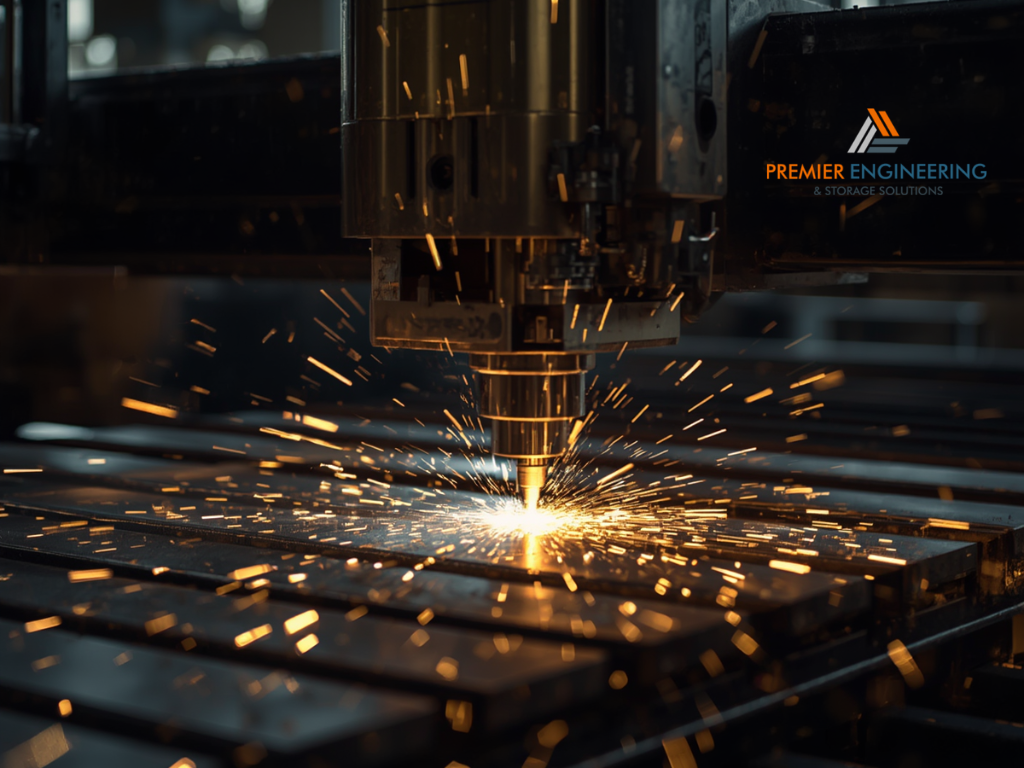
A better CNC cutting result usually comes from better preparation. Clear drawings, suitable material, practical tolerances, and early planning all help reduce confusion.
Before production begins, review the design carefully. Small mistakes in the file can become real mistakes in the finished part.
Review drawings before production
Check the scale, dimensions, hole sizes, cut lines, bend lines, duplicate lines, and revision numbers. Make sure the drawing shows the correct units and that the supplier understands which lines are cuts, folds, or reference marks.
If the part needs to fit other parts, check the clearance. If the part needs to be assembled, check fixing points, screw holes, slots, and edge distances.
It is also useful to confirm whether the design needs nesting, kerf allowance, bend allowance, or other production setup. These details should be discussed with the supplier.
Plan for finishing and real-world use
The finished part may need more than a clean cut. Think about how it will be handled, installed, cleaned, painted, coated, fixed, or assembled.
For sheet metal, consider burrs, sharp edges, corrosion protection, coating, welding, bending, and final assembly. For stainless steel, consider surface finish, cleaning needs, corrosion resistance, and visible edges.
Good planning helps the finished part work better in real life. Whether you need cnc cutting services for stainless steel, sheet metal panels, brackets, prototypes, or repeat production, the best results usually come from matching the right process to the right material and purpose.